Earlier this year at the Consumer Electronics Show (CES) in Las Vegas, Garmin announced a slew of wearable devices including the new Vivoactive. The Vivoactive was designed as a merger between Garmin’s mid-range fitness watches (i.e. the FR220) and the activity tracking of the Vivofit line. Yet at the same time it adopted the 3rd party app functionality of Connect IQ and even managed to get golf support. In many ways, the watch outperforms some units that Garmin sells for nearly twice as much. But, does it live up to the hype?
I’ve been using the Vivoactive for the last month on a final production unit with final production firmware. The good, the bad, and the ugly. To be clear, I’ve been using a unit provided by Garmin to test with (a final production unit). Like always, I’ll be shipping that back to them in Kansas in the next little bit and going out and getting my own via regular retail channels. That’s just the way I roll.
Lastly, at the end of the day keep in mind I’m just like any other regular athlete out there. I write these reviews because I’m inherently a curious person with a technology background, and thus I try and be as complete as I can. But, if I’ve missed something or if you spot something that doesn’t quite jive – just let me know and I’ll be happy to get it all sorted out. Also, because the technology world constantly changes, I try and go back and update these reviews as new features and functionality are added – or if bugs are fixed. So – with that intro, let’s get into things.
Unboxing & Straps:
First up, we’ve gotta get this thing undressed…err..unboxed. Note that there are two core versions of the Vivoactive – the bundle with the heart rate (HR) strap, and the version without the HR strap. Note that you can always buy the HR strap later on.
The unit comes in a bit of a two-piece box that slips open to reveal the unit inside:
Once you get rid of the packaging, you’re left with basically three things: The manuals, the unit, and the USB charger:
The manuals include a quick start guide that will be totally unnecessary after this post. There’s also some legal/lawyer stuff in there that explains that if you do something really stupid with the watch, it’s not Garmin’s fault.
Next, you’ve got the USB charger. You can plug this USB charger into any USB port on the planet, such as your computer or phone chargers. The charger can also sync data between the watch and your PC/Mac computer.
Finally, we’ve got the actual unit itself, ready for your unconditional love:
But wait, videos more your thing? No problem – here’s that whole sexy unboxing thing done live as a stage show:
Next, before we move onto size and weight comparisons, I should note that there’s a bunch of different changeable straps you can get. These include other colors, as well as a leather variant. I have shown two of the straps below, the blue one and the leather one:
And, for your video viewing pleasure, here’s a video I put together on how you change the straps:
The leather one is nice, though for myself running/cycling/swimming with it, I’d fear I’d kill the strap with sweat/water a bit quicker. It’s too bad the strap didn’t include a quick-release style lock similar to how the Withings Activité/Activité Pop watch locking strap works. Though, that’s not quite as secure as the Garmin method, so I could see the reasoning there.
Size & Weight Comparison:
Next up is the size and weight. The unit is incredibly slim. Here’s a look at it next to the slightly beefier FR920XT and Fenix3:
And here’s the front look at things:
From a weight standpoint, the unit weighs in at 38g. I believe that’s the lightest GPS watch on the market. Or at least the lightest made by any mainstream sports focused company.
For comparison, here’s a few other weights (as weighed by me):
Ultimately, it really just comes down to it being a tiny watch that doesn’t weigh much.
Lastly, many of you have requested how it looks on a more womenly wrist. In this case, The Girl (aka, my lovely wife). She’s small at 5′ 2″ tall, with wrists that are 14cm (or 5.5 inches).
Here’s a fun little gallery we did of photos with it quickly after a run:
Note that both the black and white editions are identical in sizing, so it’s purely a color difference. Different bands are of course slightly different in materials/etc…
Activity Tracker (Steps/Sleep):
While I normally start off most of my reviews by going through the running section, I figured that since such a core portion of the unit is being an activity tracker while also doing everything else sport-wise, that I’d start there this time.
The Vivoactive follows in the footsteps of the rest of the Garmin ‘Vivo’ lineup, and acts as a daily activity tracker. This means that it tracks your steps, distance, and calories from your daily wanderings around the world. It’ll then display these stats on one of the swipe accessible widget pages. Unfortunately however, it doesn’t show your steps on the default home screen (some Connect IQ 3rd party watch faces do however).
Within the activity page you’ll have a goal number of steps displayed. This goal is dynamically generated each day (though you can override it), to try and nudge you on to walk a bit more steps each day. It’ll incrementally climb as you walk more steps each day, and will shrink if you fall off the bandwagon.
Along the bottom you’ll see the total distance you’ve traversed during the day with either steps, cycling, swimming, or GPS based activities, as well as your total calories burned. Note that these calories include your baseline (BMR) calories for just being alive. So even if you’re lying in bed, you’re still burning calories. If you’re doing something else in bed, you’re likely burning more calories – but since you don’t likely have a HR strap on, you won’t really get full credit for it with the Vivoactive.
You’ll also notice the inactivity bar. That little red arrowed line will grow the more you do nothing. At the top of the hour of doing nothing, it’ll vibrate at you to visually illustrate your apparent laziness. It does this to me all the way across the Atlantic Ocean on flights too.
You can ‘clear’ the inactivity bar by walking a few steps. By a few, I mean roughly 100 meters. All of your daily step data is recorded on both the app, as well as online.
Once synchronized the data will show up on Garmin Connect as well:
A portion of this data (calories) can be transferred to sites like MyFitnessPal, as detailed here.
In general I find the Vivoactive showing almost identical steps to that of other activity tracking watches. I’ve even worn both a Vivoactive and Fenix3 at the same time, as well as the Vivoactive and other watches like the Withings Activité series, and the Jawbone Move. At the end of the day, the results are similar (rarely exact, but in the right ballpark). But, this is a good time to give my almost pre-canned talk on activity tracker accuracy.
Keep in mind that there is no ‘perfect’ activity tracker. Different companies use different algorithms to try and minimize inaccuracies. Further, different wearable locations can also impact accuracy. For example, if I’m pushing a shopping cart with a wrist-based device such the Fitbit Charge or Vivoactive, I’ll likely get reduced step counts. This is because the accelerometer isn’t likely to be triggered due to the static position of my hand.
Companies try and counter these sorts of items – such as ensuring steps aren’t counted when you’re showering or washing the dishes. But the reality is that sometimes they do trigger steps.
Here’s what I’d remind ya: You shouldn’t be concerned about a few hundred extra steps. At the end of the day, you’re aiming for a goal in the 10,000+ step range – so a few hundred steps really isn’t that meaningful. If you only walked 2,000 steps, then no, you didn’t walk enough. And at the other end of the spectrum, if you walked 18,000 steps – then yes, you walked a lot and an extra 100 steps washing the dishes wasn’t likely the cause for that 18,000 steps.
To that end these devices are best looked at from a trending standpoint. They help you assess whether you’re walking a lot or a little. That’s no different between a Fitbit, a Garmin, a Polar app – or even your phone. They all have imperfections in certain scenarios – and excel at others.
Next, we’ve got sleep tracking. Garmin has improved sleep tracking across all of their activity trackers just last week, with the introduction of automatic sleep detection. This means that the unit will automatically detect when you’re sleeping and log that into your Garmin Connect log. It does this after the fact via server side processing in ‘the cloud’. The resultant data will look like this:
You can also manually trigger sleep at any time by going to the activity tracking screen and taping the sleep button:
In my experience the automatic sleep tracking is indeed working quite well for me. In looking at others’ results based on last week’s post and the Garmin forums, it sounds like it’s working for the majority of other folks as well. The good part being with the server-side processing of the data is that it’s easy for them to tweak the algorithms to ferret out any variations folks are seeing.
Now, as I’ll say as with every Garmin activity tracker review – I don’t find Garmin’s display of the sleep data very useful at all. It just shows movement. It doesn’t show all the goodness that other units do, such as number of times awake, total time awake, and any quantitative measure of how good my sleep was. All areas that other units on the market by other companies do include.
Still, hopefully the recent introduction of automatic sleep tracking is a start for further feature enhancements there. And hopefully, like last week’s update, should something come up in the future it’ll be backwards compatible with all previous Vivo units.
Running:
When it comes to sport activities, the Vivoactive probably excels at running the most. For running there are two modes, an outdoor GPS-enabled mode, and an indoor treadmill mode. Starting with the outdoor GPS mode you’ll head outside and tap the right-side button to get to the main screen where you can select apps. These apps include an app for running, appropriately named ‘Run’:
Once you press the ‘Run’ icon, it’ll start to look for GPS:
At the same time, it’ll look for any ANT+ sensors that you’ve paired. For running, that’d primarily be the ANT+ heart rate strap or ANT+ running footpod, both of which are supported.
You can tap the three-lined button on the watch bezel to open up the application setting menu, which is one place you can pair these sensors under the device-wide settings options:
By hitting settings again you’ll get to the Sensors menu.
Within that, you can pair sensors. Like most of Garmin’s recent devices, you can save and pair as many sensors as you’d like as part of a sensor pool. I’ve got a few different HR straps saved/paired for example, but the same is true of cycling sensors (thus supporting multiple bikes).
By now the GPS would have found signal. In most cases it takes less than 20-30 seconds to find GPS. Sometimes even less than 5-7 seconds, depending on if you’ve run from that location before and if the GPS satellite cache is up to date (it’s downloaded each time you connect the watch via Bluetooth Smart or USB). The unit will show that it’s ready by notifying you to ‘Press Start’:
Next, we’ll start the activity by pressing the start button. That’s the right side one. That button also acts as the pause button. Speaking of buttons, here’s how the rest of them work. The bottom two buttons are on the edge of the bezel itself, and are touch sensitive. Compared to the side ones actually press in.
Note that with the lap button though, you’ll have to enable that in the settings menu. By default auto lap is enabled, but if you want to manually be able to create a lap you’ll need to enable that function in the settings.
Once that’s done you can tap that ‘back’ button to create a lap during activities. When you do so, it’ll show you the lap information on the screen:
Back into the activity, we’re running along at this point. The unit will show you your pace, distance, and any other metrics that you’ve configured.
You’ve got up to three data pages you can customize, each with three pieces of information.
There are features that aren’t seen on some other Garmin mid-range watches, like Elevation and Temperature. Note though that the ‘Temperature’ field does require the Garmin Tempe ANT+ sensor. This is interestingly the first time we’ve seen the Garmin Tempe sensor supported to fitness units under $400USD.
Also note that elevation shown on the unit is GPS based, not barometric altimeter based. So treat that more as an estimate than a precise value. However, after uploading to Garmin Connect it’ll automatically be corrected with ‘known’ elevation values provided by a backend database based on your exact track path.
The unit will also show cadence while running, which is determined from the internal accelerometer within the unit. In my experience, this cadence is quite accurate and I’d have no issues trusting it. The only exception being that if you go to take a drink of water or hold onto a treadmill the accuracy will be briefly impacted.
You can configure various alerts on the unit for Heart Rate, Run/Walk, Pace, Time, Cadence, and Distance. As well as custom alerts for Drink, Eat, and ‘Turn Around’.
An example could be to setup a drink alert reminding you to drink something every 10 minutes. Depending on the length of the run, I’d suggest beer or wine.
Meanwhile the run/walk alert allows you to create popular run/walk routines, which are often used by folks running their first few long distance races (i.e. half-marathon, marathon).
In addition to alerts, you can configure auto scroll and auto pause. Auto pause is useful if you want the unit to automatically pause the timer when you stop running, such as at a stoplight. Meanwhile, auto scroll will just iterate through the data pages automatically for you.
Finally, the unit contains very basic navigational capabilities using a ‘Back to start’ function. This function will show you how far and what direction your starting position is. It does this as a direct ‘as the crow flies’ distance though, versus the exact route you may have gotten to where you are:
When this function is enabled, you’ll get this displayed as a single extra data page. Note that it doesn’t contain a magnetic compass, so you must be travelling forward for the little directional arrow to work (as it uses GPS speed/direction to determine where you’re going).
There is no map of where you are, nor any display of your track file within the Back to Start mode.
Finally, once you’re all done running, you’ll tap that start/pause button again, which will take you back to a ‘Save screen’:
It’s here you can resume, or save the activity for good (or discard it).
Once you’ve saved the workout, if your phone is nearby it’ll automatically upload to Garmin Connect via Bluetooth Smart. You can then view the workout online there, or via your phone with the Garmin Connect Mobile app.
Note for indoor workouts the unit will use the accelerometer within the watch to determine pace and distance. This is similar to most other watches on the market over the past 2 years. In addition to the internal accelerometer, the unit supports the use of the ANT+ footpod (running), where you can configure an exact calibration value for better accuracy.
Cycling:
The Vivoactive contains two cycling modes, indoor and outdoor. Though, the only difference between the two is simply that within the indoor mode the GPS is disabled and the unit relies upon ANT+ sensors for speed and distance.
Both cycling modes will by default display speed and distance metric (i.e. MPH/KPH, and miles/kilometers) on one of three configurable data pages. As part of that, it’ll allow you to pair to ANT+ cycling sensors of the following types: Speed-only, Cadence-only, and Speed & Cadence combo. This is in addition to the ANT+ heart rate and ANT+ temperature sensor profiles that can be paired to as well.
To pair these sensors you’ll go into the generic sensors menu, which allows you to search for any sensor type. It’s simply that within the cycling mode it won’t connect to the running footpod, logical given you wouldn’t be running.
If you pair to a cycling sensor you’ll get cadence displayed on both the screen as well as later in the recorded files:
You can also configure the wheel-size of your bike, so that you’ll get speed and distance data while indoors on a treadmill (or, in long tunnels without satellite coverage). In fact, here’s a little video I put together on using it indoors on a trainer:
When it comes to using the unit on your bike, you can either wear it on your wrist while riding, or any number of $10 rubber watch bike mounts. Garmin makes one that works well and has a little protective loop on the front, but there are plenty of options out there:
After you complete your ride, the unit will automatically upload the ride and categorize it as ‘Cycling’ within Garmin Connect. Additionally, most 3rd party applications will see the cycling tag and categorize it appropriately as well.
Finally, note that the Vivoactive does NOT pair with ANT+ power meters natively. Though I think it’s likely we’ll see that gap covered by Connect IQ in the future through 3rd party apps.
Swimming (Pool):
Next we’ve got pool swimming. The Vivoactive’s swim functionality follows mostly in the footsteps of the older generation Garmin swim devices. It acts as a bit of a simplified swim tracker, albeit with a reduced feature set from most other Garmin swim capable devices.
To start, you’ll tap the Swim icon on the sport apps screen, which will then open the swimming app. It’s here that you’ll need to configure your pool size.
The unit includes quick selection options for standard pool sizes like 25y/25m/50m/etc., as well as a custom size that allows you to configure anywhere between 17m/18y and 150y/m. You cannot configure shorter than those parameters. It will automatically remember your last custom size entry and use that as the default for next time.
Next, you can slightly tweak the single data page with a few different swim metrics. You’ve got full range of just about all of the Garmin data fields from higher end units, but only one page to work with (with three metrics on that page).
Well, actually, you don’t get three, but 2 or 4, depending on how you want to look at it. See, the bottom metric isn’t changeable, but does contain two data fields within it (total time and total distance). Thus, four metrics are shown. But only two out of the four are tweakable (the top two). Hopefully that makes sense.
In any event, you’ll start swimming by pressing the right physical button. At this point all touch functions are disabled. Which is logical given the water-focused aspect of swimming.
To trigger ‘rest’ (when you’re at the wall catching your breath), just tap the right button again. Doing so will invert the display text to indicate you’re in rest mode.
Then, tap that button again to start the next set (interval). This allows you to easily track sets by just a single press of the bottom. In my case, I went with the default interval time and interval distance for the data pages. For me, that’s honestly all I really need. I can generally figure out interval pace pretty easily in my head.
Once you’re done swimming you can long-hold the right button to stop the swim session. This then re-activates the touch screen and allows you to save/discard, or just go back and resume it.
While my lap time swimming with it was more limited than my expansive running and cycling time, I did find that it seemed to have slightly more trouble tracking my intervals correctly. Which is odd, because I’ve never had issues with any other Garmin devices on swim tracking (in fact I generally have near 100% luck with swimming watches and accuracy). And even in the case of this morning, I had the Fenix3 nail all the intervals, while the Vivoactive only managed to get one set out of five correct. On the other four sets it was short a length or more each time, like it wasn’t triggering the lengths correctly. One can clearly see that in my doubled up lengths on Garmin Connect:
But again, my sample size for swimming sessions is lower unfortunately. Though, usually with other units I might miss at worst just a single length within a complex pool setting and many people to navigate around. In this case, I basically had the lane to myself with no distractions.
Finally, a few things to note compared to other Garmin swim capable devices:
A) There is no openwater swim mode. That means no logic for lakes/oceans/etc. Just trust me, it won’t work accurately.
B) There’s no drill mode like other Garmin swim devices..
C) You only get one data page, whereas other watches give you many.
D) You do however get distance and time alerts.
E) There’s no detailed information available on the rest page, like on newer Garmin swim watches
F) There’s no swim interval timer functionality like that found on the FR920XT/Fenix3.
For many more casual swimmers, none of the above functionality limitations will actually matter. But, for more focused swimmers or those who have used other Garmin swim devices, they may be blockers.
Waterproofing Extravaganza:
With such a slim and touch screen based watch, there’s been a lot of attention paid to waterproofing and how well it works when chillin’ in the water. As you saw in the previous swimming section, there’s no obvious issues there for lap swimming. But what about more casual water use, and then at the opposite end of things – what about going deep down with the unit? Well, let’s dig into that.
First up, is just water on the screen. For that, there’s no issues with sweat or water. Most of the functions are more tap-oriented, such as taking a lap, or changing the screen while in an activity. I’ve had a few runs now in the rain; none were an issue
To demonstrate that a bit, here’s a video I’ve put together with water coming off of the shower:
Next, what about the depth of water immersion? For that I turned to my handy-dandy waterproofing chamber. This unit allows me to bring the watch down to various depths close to waterproofing depth that the Vivoactive is rated for – 50-meters.
Rather than walk you through that test in photos, here’s a video of the full test:
As you can see, it had no issues at all. In fact, I ended up doing that video twice since my camera battery ran out mid-way through. So definitely all good there.
Ultimately, I’m just not seeing water being any sort of issue with the Vivoactive. And of course, on the lesser demanding front, I’ve been wearing it in the shower day in and day out for the past month.
Gym Activities:
For indoor activities, the Garmin Vivoactive will utilize a heart rate strap to get you accurate calorie information. With the HR strap the device will utilize Firstbeat technology to provide the same quality level of calorie information as Garmin’s higher end devices. Note, you do NOT have to have the HRM-RUN strap as seen below, it’s just the strap I had handy while taking the photo. Any ANT+ capable strap will work.
I used the Vivoactive in the gym a few times for core/weight type sessions, and in doing so just kept it on the indoor running mode and then had it leverage that for activities. It’s not really a perfect match, but it works.
Now I will say that despite the Vivoactive’s ability to work just fine in the gym, Garmin misses the desire by many to have a simple gym mode that doesn’t track distance randomly based on wrist movements. For example a simple gym/core/weights mode that allows me to just track calories via HR, with no distance showing up from various arm movements. Polar has this on all of their basic devices, and it works quite well. Plus, it’d reduce the questions I see where users always ask whether Garmin even supports such a basic scenario as being in the gym (as it’s not obvious on the device how to do so).
(Side note on optical sensors: I’ve been using the Vivoactive with both the Garmin HR straps as well as the Scosche Rhythm+ optical sensor. When it comes to advanced recovery features that some of Garmin’s other watches utilize heart rate variability for, the Vivoactive lacks them. Thus, I’ve seen no discernable differences between the HR strap and the optical sensor for use with the Vivoactive).
Smartwatch Features:
The Vivoactive is probably Garmin’s most earnest effort at being a mass market smartwatch. Of course, the definition of ‘smartwatch’ has shifted over the years – and will no doubt continue to shift. But ultimately it tends to encompass some aspect of notifications and alerts, and is generally tied to your smart phone. It often includes some form of 3rd party app capability, be it in small slices of information or even more detailed/intricate 3rd party apps.
If we look at Garmin’s offerings, the Vivoactive is the most complete smartwatch they’ve made. Though, the Fenix3 and FR920XT will likely soon match its functionality as well. For example, only the Fenix3 just recently got music control, but neither has yet to get ‘Find my phone’ functionality.
To begin, much of the core smartwatch functionality is found by swiping left and right through what Garmin calls ‘Widgets’. These are small apps of sorts that usually have a single main page with sometimes a secondary details page. The most obvious example is the notifications widget. This will buzz my wrist when notifications that I’ve configured on my smartphone are sent to the watch:
The Vivoactive merely displays what you’ve configured in the notifications center on your phone. So in my case I tell it to send text message notifications, call notifications and a handful of apps that are meaningful to me like flight status or WSJ/NYT alerts.
Here’s a video run through I created showing how it all works. The first part of the video talks to the widgets, and the second portion general touch screen responsiveness.
There’s also widgets that are pulling information via the Garmin Connect Mobile app. For example, the Calendar widget takes my calendar entries from the phone and displays them:
Or, the weather widget shows me upcoming hourly and daily weather – but I can tap on it to get a bit more detail:
Then there’s more simplistic Garmin created widgets like Garmin VIRB action camera control, which allows me to start/stop recording on the VIRB cameras. It also enables you to take a picture with the VIRB:
And finally there’s music control. This is probably the most disappointing app in that it lacks detail. It only stops/starts your music, and doesn’t display any song/album information. On iOS it only works with the default Music app, and not with Spotify or other 3rd party apps (on Android you can change that option however).
To see a bit more on music control, I put together the below video:
Overall however, widgets as implemented within the Vivoactive do a surprisingly good job at displaying quick snippets of information. About my only complaint is that while the Garmin widgets tend to work quite well, the 3rd party ones I’ve tried are often slow and occasionally non-functional. Which, is probably a good time to talk about Connect IQ.
Connect IQ:
The Vivoactive supports Connect IQ, which is Garmin’s new app store concept for Garmin devices. The platform was unveiled this past fall, and contains four basic types of ‘things’:
– Watch Faces
– Data Fields
– Widgets
– Apps
At approximately the same time the Vivoactive started shipping, Garmin rolled out Apps and Widgets. Whereas Watch Faces & Data Fields have been available since January. All four of these are now available to download though either your phone with Garmin Connect Mobile, or with Garmin Express on your computer.
From here you can load apps (all are free) onto your Vivoactive. In general it takes less than 60 seconds to load an app or watch face.
You can then use the mobile app to re-arrange or deactivate various apps:
In terms of apps, the selection still remains a bit limited. I suspect that’s largely because the major devices (such as the Vivoactive and Fenix3) supporting Connect IQ really didn’t start shipping in mass quantities until the last 30 days. Thus, most developers haven’t really had the hands-on time yet to dig into these areas.
In addition to 3rd party apps, Garmin has also published some first party apps. Some of these effectively supplant what might otherwise be built-in functionality. For example, there’s a simple stopwatch app that you can load onto your watch that acts fairly well in terms of providing functionality that might otherwise be missing.
And, we’re even starting to see some 3rd party apps fill in the gaps that Garmin has left from previous devices. For example, the SmartLab ANT+ scale support allows you to connect to an ANT+ scale and read the weight data. Though, it doesn’t yet offer any way to save that data, in large part because the Connect IQ platform doesn’t provide a method to do so (a shortcoming that is holding back developers beyond just weight scale apps).
Still, I think Connect IQ is vital to Garmin’s future in the wearables industry. Put more simply: If Connect IQ fails, then I think Garmin as a company in the wearables industry will fail. There’s no two ways about it. But I’m not 100% convinced all levels of Garmin fully understand that. They need to invest in 3rd party companies getting apps out onto the Garmin Connect IQ platform. Despite what some think, it doesn’t actually have to have the same adoption rate as something like the Apple Watch platform. For at least the next year, the Apple Watch isn’t a true competitor to much of Garmin’s lineup (it lacks many endurance sport focused hardware pieces, including simply GPS). Future Apple Watches are what Garmin really needs to worry about.
On the app front, every other app platform company in the industry seeds developers with capital (money) to get initial apps on the platform. Garmin really needs to do the same for marque apps like Strava segments, TrainerRoad workouts, Wahoo KICKR control, and others that are critical to the endurance sports community. Even offering a simple $5-$10K bounty/contest for smaller developers (hobbyists really) with 2-3 categories and voting would be key to jumpstarting development.
GPS Accuracy:
When it comes to GPS accuracy, there’s two elements to look at. First is pacing accuracy, and the second is distance accuracy.
Pacing accuracy looks at how smooth the pace is while running (primarily). Is the pace reactive when you change pace or stop? And is the pace smooth enough in instant pace mode that you can actually run by it?
In both cases, the answer is easily ‘Yes’. The Vivoactive follows in the footsteps of all other Garmin running watches made in the last two years and shows pace in 5-second increments (i.e. 7:35/mile, 7:30/mile, etc…). While some have complained this isn’t enough granularity, I’d note that lap pace (and average pace) is shown to the exact second. Additionally, ultimately all GPS companies smooth pace. There’s no getting around that. If you show 7:32/mile, then you’re basically just smoothing that pace a touch bit more to keep that exact number. I routinely have used the Vivoactive to pace down to the second intervals without any issues by just using lap pace.
Speaking of pace smoothness, here’s a video I shot showing how reactive the unit is to stopping/starting, and pace stability:
Next, we look at distance accuracy. In the case of the Vivoactive, the unit only offers Smart Recording. This means instead of recording your GPS points every second, it does so on a variable scale, which is generally every 4-7 seconds. Though sometimes more, sometimes less.
Now, in this day and age there’s really no reason for Garmin to actually keep Smart Recording around. It’s ultimately just causing consumer confusion with cut corners on activity maps (even if the distance is actually accurate). That confusion increases support costs and decreases consumer confidence. Plus, storage-wise the costs for them are trivial. Seriously, it’s like an Olive Garden dinner’s worth of monthly storage costs at enterprise cloud computing rates.
At any rate, as far as GPS distance accuracy goes, it’s actually quite good. Here’s a table of all of my outdoor runs and rides with the Vivoactive over the past month.
Garmin Vivoactive GPS Accuracy
Description
Vivoactive
Other 1
Other 2
Interval 800m Repeats
7.38
7.28 (Fenix3 #1)
7.33 (Fenix #2)
Long Run
12.31
12.15 (Fenix3)
-
City Sunday Run
10.31
10.26 (Epson 810)
10.02 (Fenix3)
Evening City Run
5.63
5.62 (Epson 810)
5.60 (Fenix3)
Night River Long Run
12.77
12.63 (Fenix3)
-
Interval 800m Repeats Les Berges
7.35
7.29 (Fenix3)
-
River Run
12.10
12.29 (Fenix3)
-
Early Morning Ride
22.98
22.91 (Edge 810)
23.05 (Edge 1000)
Austin Ride
22.71
22.67 (Fenix3)
22.50 (SRM PC8)
Midnight Ride
10.58
10.61 (Edge 810)
10.53 (Edge 510)
Numerous indoor trainer rides
-
-
-
Numerous treadmill runs
-
-
-
Note that the Vivoactive does contain the ability to enable GLONASS, which can increase the number of satellites available to the unit and potentially provide for better tracking. In all but the very last activity above, GLONASS was disabled. This saves battery life by usually about 10-20%, but as noted, might not offer the best satellite coverage.
As you can see, things line up fairly well to a variety of devices that I’ve used. I’m just not seeing any large discrepancies there that are concerning.
Backlight, Battery & Charging:
When looking at use of the Vivoactive as a day-to-day watch, it’s probably worthwhile to discuss the display, the battery, and aspects such as charging. To begin on the display, it’s indeed true that it’s a bit more dim than other Garmin devices. But, it’s certainly more vibrant than other smart watches on the market today from other companies. One could potentially try and compare it to the Apple Watch and note the Apple Watch’s vibrant display – but then they’d have to remember the 18-hour battery life, versus the multi-day battery life of the Vivoactive.
Now while the screen might seem occasionally dim, it actually gets brighter the more light there is. For example, outdoors it’s brilliantly sharp in sunny weather (and perfectly acceptable in typical Paris overcast weather I run in daily).
And at night, I had no problems using the backlight, which I was able to set to ‘Stays on’, for easily illumination throughout the run.
You can also invert the screen within the sport activity modes if you’d like. So that it’s white text on black background – though I don’t generally find such a mode really improves visibility.
Next, when it comes to charging, unlike Garmin’s more expensive FR920XT, you can actually use the unit while charging. To do so, you’ll go into settings and change the USB mode to ‘Garmin’ from ‘Mass Storage’:
Once you do so, you can use a small USB charger to charge the device, with the charger and watch secured to your wrist. Some in the ultra-running community use this method for other devices, such as the Fenix series of watches (the concept is exactly the same as in this video I did here).
When it comes to battery life, while Garmin advertises a multi-week affair with smart notifications and the like, I just don’t see that as realistic. I’m getting 3-5 days on a charge roughly with occasional Bluetooth Smart notifications for things like text messages, along with usually every other day an hour of GPS activity (and the day in between being a trainer/treadmill session without GPS). This is a far cry from Garmin’s advertised three weeks of battery life. Even if I account for GPS usage, I would think I’d at least be able to make it a week.
Finally, the Vivoactive allows you to configure a single time alarm (i.e. for waking up). This cannot have settings such as ‘Weekdays only’ or the like however.
Note that you can configure different watch faces, but I covered that in the Connect IQ section above. Personally, I find many of the 3rd party watch faces a bit overbearing. I tend to like the simpler/cleaner look. I just wish that the Vivoactive showed a default watch face with the basic activity tracking details on it.
Bugs & Quirks:
While the Garmin Vivoactive is a solid contender, it’s not without its flaws. In this case, the majority of them are more annoyances. But still, sloppy annoyances that I just don’t see on other devices, even other Garmin devices. Hopefully continued further updates will take care of some of these. As in fact my list of bugs/quirks has shrunk over the past month as Garmin has released firmware updates for some of the issues. But the below are all outstanding on the latest firmware.
GPS Randomly Turns On: While you might think having the GPS enabled on a GPS watch is a good thing, it’s not. By just going into the dashboard menu it triggers GPS to turn on. That’s silly, because that’s the entire point of then selecting a given sport which would (or wouldn’t) enable GPS depending on the use case. The problem here is that it doesn’t turn off, and then you find yourself with a drained battery a short time later. This is especially bizarre when you select an indoor sport and it enables GPS just for the heck of it.
Phone Disconnects: I’ve had really good luck with the Fenix3 and FR920XT on having it maintain connectivity to my phone (iPhone 6). However, the Vivoactive seems to get distracted really easily and is often randomly dropping the connection, or failing to connect back to the Garmin Connect Mobile app and pull data through it.
ANT+ Enablement Failures: Even this morning while trying to get final photos for the review, the entire ANT+ stack seemed to fail. It couldn’t find any ANT+ sensors (even the VIRB) until I rebooted. While this has only happened once or twice, I’ve never had it happen recently on other Garmin devices.
Back to Start forgets to turn off: When I utilize the back to start function, it doesn’t shut it off after I end the activity. It stays enabled. Just start the run, open back to start, and then end the run. Come back 5 hours later to do another run, and back to start is still waiting for you within the run. It’s like a sad puppy waiting at the door for you to return home.
Connect IQ wonkiness: Some of the apps just don’t connect through to grab internet data sources properly. While this might be a 3rd party problem, it just begins to build distrust in the Connect IQ platform as a whole when apps cause issues or cause the watch to hang when I try and swipe between widgets.
Swim accuracy: As noted in the swim session, I saw some weirdness here – but my sample size is very small – so perhaps it’s just a really bad one-off of a day. Though again, I’ve never had this many missed sets before in all the years of using swim devices. Especially given how easy the session was to track.
I think that’s probably it for now, with the exception of the swim tracking item, the rest aren’t really blockers to day-to-day use but rather things you look at and just kinda sigh about. On the bright side, all of these are likely easily fixed by firmware updates, and all of them except perhaps the disconnects are easy to reproduce on the fly.
Product Comparison Tool:
If you’re looking for a general (but still detailed) comparison chart between the Vivoactive and other units on the market, check out the product comparison tool. Below is just a look at the Vivoactive, Garmin FR220, and Garmin FR920XT. But every GPS watch product I’ve reviewed is available to mix and match and create your own comparisons here.
Again, remember that all products are available in the product comparison tool – so you can mix and match and create your own comparison there. Enjoy!
Summary:
The Garmin Vivoactive is probably the ‘most interesting’ fitness device the company has ever released in that it’s actually approachable to a wide mass market with some very solid features. It’s positioned extremely well price-wise to compete against many of the more expensive offerings in the market. And in fact, it undercuts many of Garmin’s own existing products, rendering more expensive products obsolete nearly overnight. That’ll only become more true as Connect IQ fills in the gaps like Nickelodeon Slime that finds its way into any accessible feature hole. After all, that’s somewhat the point of a platform that supports 3rd party apps: To extend functionality.
While the Vivoactive’s software is not yet perfect, the hardware does appear solid. And for the majority of my time using it, the watch is completely acceptable for my day-to-day usage. The ability to customize fields and functionality is well beyond anything Garmin has ever previously offered in the $250 price range. And, in some cases the unit contains features not found in $400 GPS watches too.
If you’re trying to decide between the Vivoactive and other higher end Garmin watches, the core areas I’d look at for consideration are:
A) Do you need structured interval or custom workout support (the Vivoactive doesn’t have)?
B) Do you need a barometric altimeter, or will the GPS-based altimeter in the Vivoactive suffice?
C) Do you need multisport triathlon support (the Vivoactive doesn’t support that)?
D) Do you need power meter support (again, no native support today, though I expect that to show up via Connect IQ)?
And like I note in the last item, some of these gaps may come from Connect IQ, notably power meter support and interval support. Whereas hardware focused items such as the barometric altimeter aren’t possible. And multisport mode would be very complex, if not impossible via Connect IQ.
The biggest recommendation I would make though is that I wouldn’t buy either of the FR220 or FR620 these days. I just see them as dead-end watches without Connect IQ on them. Everything within the company will be focused on Connect IQ and the various extensions it supports. So while the Vivoactive might be slightly less featured than the FR220/FR620 in certain areas, I’d personally wait for Connect IQ to fill those gaps instead. But…that’s just my two cents.
With that – thanks for reading!
Found this review useful? Or just want a good deal? Here’s how:
Hopefully you found this review useful. At the end of the day, I’m an athlete just like you looking for the most detail possible on a new purchase – so my review is written from the standpoint of how I used the device. The reviews generally take a lot of hours to put together, so it’s a fair bit of work (and labor of love). As you probably noticed by looking below, I also take time to answer all the questions posted in the comments – and there’s quite a bit of detail in there as well.
I’ve partnered with Clever Training to offer all DC Rainmaker readers exclusive benefits on all products purchased. By joining the Clever Training VIP program you get a bunch of money-saving benefits, which you can read about here. By doing so, you not only support the site (and all the work I do here) – but you also get to enjoy the significant partnership benefits that are just for DC Rainmaker readers. And, since this item is more than $75, you get free 3-day US shipping as well.
Additionally, you can also use Amazon to purchase the Vivoactive or accessories (though, no discount). Or, anything else you pickup on Amazon helps support the site as well (socks, laundry detergent, cowbells). If you’re outside the US, I’ve got links to all of the major individual country Amazon stores on the sidebar towards the top.
As you’ve seen throughout the review there are numerous compatible accessories for the unit. I’ve consolidated them all into the below chart, with additional information (full posts) available on some of the accessories to the far right. Also, everything here is verified by me – so if it’s on the list, you’ll know it’ll work. And as you can see, I mix and match accessories based on compatibility – so if a compatible accessory is available at a lower price below, you can grab that instead.
Thanks for reading! And as always, feel free to post comments or questions in the comments section below, I’ll be happy to try and answer them as quickly as possible.
Long time reader, first time commenter – I really like your reviews.
I have been unable to find the specs of what the internal memory is. Do you know by chance? If it does not have additional space, how will new apps be loaded?
Great review, and first time poster. but left me even more confused now with which device to purchase. I’ve been looking at the polar v800 and m400 to help me with my triathlon training. Read reviews on both and now this garmin but confused.. Any help would be appreciated.
Thanks
“The biggest recommendation I would make though is that I wouldn’t buy either of the FR220 or FR620 these days. ”
I have a FR220 – apart from ConnectIQ and the likes, would you rather run with the 220 or with the Vivoactive?
I´m a bit unsure, if I should spend the money or not ;) all the other stuff sounds great, but at least the running portion has at least to be as good as on the FR220 (which I actually like very much with the “real” buttons” instead of touch…)
To be honest I’d never pick up the FR220 now. The Polar M400 offers much more (everything except vibration alerts) for less money. Alternatively this vivoactive seems good for the future only missing custom workouts and bringing a ton of features (even more than the M400). How good the Vivoactive really is will be proven in the upcoming months, I expect Garmin will need time to work out the bugs as with most releases. Since it comes with Glonass ultimately it could be better than both the M400 and the FR220 that lack Glonass.
So it comes down to what you prefer yourself. You already have the unit (FR220) so are you willing to spend money?
Thanks for a great review, Ray. I have been looking forward to it as my FR 305 is getting wonky and won’t sync until I do a soft reset, and I have lost my patience with the really bad chargé/sync clip for my FR 110.
Based on your review I’ll try the Vivoactive. If I get a power meter I might just buy a Garmin Edge.
Yeah, that’s precisely why I bought and returned mine. It’s really a great little device, but the lack of any interval support makes it severely limited for runners.
Been waiting for this review before deciding which watch to buy. I am interested in the 920xt (being a all-in-one watch) but the watch is too big for my wrist (my wrist size is similar to the Girl). Polar v800 is out of my budget and doesn’t even track swimming like Garmin watch.
Wanted to get the polar M400 + Garmin Swim but have been reading reviews of bad GPS accuracy if running in the city. I live in the city and thus most of my runs are in the city.
So a few quick questions on Vivoactive:
1) is the touch screen sensitive enough? I tried playing around the watch at a sport store and had to tap many times before being able to bring up the settings (the 3 lines) and can’t seem to get the lap button working. Did you face any problems?
2) I saw that you did 2 city runs- how is the gps accuracy? did you run between tall buildings? the buildings in my area are generally more than 10 stories high or sky scrapers.
3) For the swim function- I assume it tracks laps automatically. Does it record rest intervals? or it only stops the clock when resting at the wall?
nana, just for info:
here in Germany Amazon seems to be the best bet right now for getting the Vivoactive at 242 Euro (directly from Amazon, no thirdparty)
and the V800 is listed directly at Amazon for 265 Euro
so not too much difference.
Both without HR strap, didn´t check as I have a ton lying around
Harald,
Thanks for the info.
I live in Melbourne, Australia. V800 in the shops here costs around $729 with heart rate strap and vivoactive around $379 with heart rate strap. Bigger price difference at this part of the world :(
Nana – you have to enable the lap button in settings, otherwise it is non-functional. Rays covers this in the review. Once it’s enabled it works just fine.
1) I don’t find any real issues with the touch screen, it seems to work fairly well for me.
2) Most of my runs were actually in the city in some manner, I just divided them up differently a bit by where I ran. I ran through many buildings with tight streets. Check out my Strava profile for all my runs.
3) It stops the clock when you tap the lap button at the wall.
I cycled 20 miles today and the temperature was 45 degrees Fahrenheit. I was unable to get the Vivoactive touchscreen to respond to my bare finger taps and swipes. Does this mean that I have to wear touchscreen specific gloves to operate the device in cooler weather?
Thanks Ray.
I gifted one to my wife for her birthday this morning and she’s impressed so far.
I was a little surprised that (unlike my Polar M400) changing the data field options can only be undertaken on the device itself (unless I’m missing something in Garmin Connect)?
Cracking review, as always – thank you.. been waiting (like many) with eager anticipation for this one…
Does anyone know if:
a) there’s any way of measuring/tracking your resting HR with this (obv with a paired HRM) CIQ app etc?
b) is there anyway to import your pas history from a Jawbone device into Garmin connect?
yeah – had seen that.. is that the only option at the moment? I’m a data geek and was hoping to be able to save the data as well (kind like the FB Surge, but it a “actually working properly” way ;) )
Does this work alongside “normal day to day” use? eg – sleep and step tracking?
“I’m getting 3-5 days on a charge roughly with occasional Bluetooth Smart notifications for things like text messages, along with usually every other day an our of GPS activity (and the day in between being a trainer/treadmill session without GPS)”
You are missing an “h” in that our ;-).
Secondly, about the ANT+ dropout. That happened to me the other day with the Fenix 3, but it was in the middle of a workout. Suddenly I just saw that I had no FC (and I was not dead at that time). First I thought it had to do with the HRM strap and did many things with it. It didn’t get back until I rebooted the watch.
Just for clarification. Did you have any other ANT+ sensor around while you had this problem? I had a Mio Link connected to a M400 for the same test, and my thought was that somehow that could have been the problem, trying to connect to the Fenix 3 (although I select the HRM-Run right at the start of the activity, when the watch sees both sensors).
I have repeated again with two sensors, but could not reproduce the bug. So I just don’t really know if the bug turns out to be just that, a simple bug, or there are some conflicts when there are two devices that could try to use the same channel.
The swim laps miscount is a deal-breaker for me. This is why I passed on the TomTom Multisport. Until Garmin confirm this has been fixed I will be staying on the fence.
My sample size of pool time is small like DC’s, with around 30,000 yards of total swimming with the watch (25y pool). But I haven’t expereinced a single missed lap. Then again, owning a Fenix2 and swimming 2-3 times a week for a year it’s only missed a single lap, maybe my stroke is more predictable.
Thanks for the input Mike. That’s ~1,200 laps you’re talking about so pretty decent sample size. Stroke style has significant impact on stroke count however lap count depends more on your acceleration off the wall. Ray has written quite a bit about it so I’m sure he minds this when he swims. In any case it’s good to know it works well for you. I’ll be looking out for more feedback on this before taking the plunge.
Thanks for the opinion, Mike. The swimming inaccuracy Ray mentioned holds me from buyn the device, how’s the experience of the rest of you? How about a possible fix by software update?
One thing I am interested in is the treadmill tracking accuracy – can you share your experience considering this point with me?
Great great review. Thank you for such consistently useful product evaluations.
I’m a runner over 45 years old and use reading glasses. It’s been a nagging annoyance for me to get alerts that I can’t read while on the run. What has worked for me in the past is polar’s RCX-5 which can switch to a large display.
I’m using Suunto’s Ambit3 now but the upper and lower numbers on the display are too small for me to read especially when the light is already dim or when on the move.
Would Gramin’s fenix3 or the vivoactive be helpful for older runners like me?
Luis – I’m in the same boat as you. In general, the Vivoactive numbers are big enough for me to read, but Garmin could help all of us with less than perfect vision by allowing fewer than three data fields per screen (which would make the numbers bigger). I’ve submitted this suggestion to Garmin and hope they will listen.
Even with three fields, there is lots of room for making the numbers bigger. The whole left half of the screen is unused.
It should use the left half of the screen to show pace (full height), and then put the other two fields on the right side of the screen. We don’t need the labels “pace”, “HR”, etc.
The size of the “Garmin” logo is obnoxious given how small the data fields are.
Great suggestions! Maxing out the display should be a no brainier for Garmin. Hopefully they watch this space. It would so much sense to use the left hand side of the screen, which is mostly empty, why not allow two lines of data to be displayed, or to have a zoom mode (like on polar watches). How can anyone read the three line display when cycling, apart from the eagle eyed under thirties?
Ray, please could you ask Garmin to think about allowing for larger text, as per the 920xt, which has the same sized display.
One question for you. Your review and spec chart indicate that the vivoactive has beep/sound/tone capability and I don’t believe it does.
In the activity tracker section you say:
“You’ll also notice the inactivity bar. That little red arrowed line will grow the more you do nothing. At the top of the hour of doing nothing, it’ll chirp/vibrate at you to visually illustrate your apparent laziness. It does this to me all the way across the Atlantic ocean on flights too.”
and in the feature comparison chart you indicate “VIBRATE/SOUND/VISUAL” under the “Alerts” heading.
I don’t think this is correct. I’ve had the watch for nearly 3 weeks and the only (minor) disappointment I have is that I can find no audible beep available anywhere for alerts during workouts – only visual/vibration – and the vibration is short in duration and not very powerful so it is fairly easy to miss it.
Not a deal-killer for me at all, but I would like the extra option of audible alerts.
Am I missing something in settings of the general or run activities to allow audible alerts?
I was just going to make the exact same comment. If audible alerts are there I haven’t found them either. With the current software (version 2.6) the distance alert vibrations are really weak and easy to miss. Having an audible alert in addition to the vibration would be nice, but I’m with you in that it’s not really a deal breaker. I actually expect Garmin to change the alert vibration strength/duration in the next update as it seems to be a common complaint.
Hi Ray,
In your comparison table you state the for “DI2 SHIFTING INTEGRATION”, the 920XT is “COMING IN UPDATE”.
This should be corrected to YES, as SW version 3.20 lists among the improvements “Added support for Shimano Di2 shifters”
Hello Ray:
Wonderful review, as usual. Thank you.
I see that you are truly confident with the capabilities of connectIQ. But the apps and widgets so far are pretty basic. In other words:
If I buy a FR620, I have, among others, Virtual Partner and Running Dynamics (and 4 data fiels in one screen). Do you think that connectIQ has the capability to replicate those functions on Vivoactive? And we must not forget Vitrual Racer, removed from FR620 and Fénix 2 but introduced again with Fénix 3 and FR920XT (this last particular function is the one that perhaps will make me decide to buy Fénix 3).
If the answer is YES, then if I were Garmin I would be very worried about the sales of their high end watches: a 200$ cheaper device could replicate almost all the functions of the more expensive ones. I do not think that Garmin will let that.
Hello there,
Just two words about the vivoactive.
DC’s review is great as usual but I would like to add some bits.
As running/sport watch is great (also if I don’t like the LAP button on the touchscreen)
As activity tracker not so much. Steps are not accurate (I usually use a scooter, and in 23 minutes of scooter, the Vivoactive recorded 345 steps, while the 15$ MiBand just 29), and the sleep tracking is really unuseful.
Let’s say that I go to bed as 23.30, I read a book for 30 minutes. At 3 in the morning I wake up, I go to the bathroom and I am back in bed after 5 minutes. Then I woke up at 8. For the Vivoactive this results in a 8 h and 30 minutes of sleep (from 23.30 to 8), with a movement peak at 3. For the MiBand (always 15$) it results in a 30 minutes of “in bed”, 7 hours and 55 minutes of sleep (light or deep, it depends) and 5 minutes of “awake”. Quite a difference (and the Vivoactive is not so confortable for sleeping with).
But the biggest deal of this watch is the screen. I think it is really really awful. Touchscreen is not responsive (but you get used to it), but the resolution is like electronic devices of 5 years ago (and the 3rd part whatcfaces are even worst).
If you swim, or play golf, nothing better than the VivoActive, if you run and want an activity tracker, maybe Forerunner15 is better (half the price). If you run and want an accurate activity tracker maybe Forerunner15 + Fitbit Charge is the best option, if you run and want an activity tracker and a smartwatch, but you don’t want a watch at your wrist also when you sleep, maybe the Forerunner15+Vivosmart band is the best choice.
Hope to help.
I agree with those that commented on the quality of the screen. I just sent my Vivoactive back. The screen is horrible and nearly impossible to see except in bright light.
I’ve been running with a 920 for just over two weeks and am very pleased at its accuracy, only gliche is email notifications not working. I would strongly consider a vivoactive if the below are possible: introduction of 1 second recording (most importantly), and ability to have multiple devices sync so step and activity count are known across your garmin account versus wanting to switch watches during the day and having your steps start over. As a daily watch and running watch, your last recommendation/various comments thru threads was 620, then possibly 920, then possibly F3, so after your use with the vivoactive how would you rank these awesome tools as YOUR preference for solely running with the potential to add more sports and daily wearing around town?
Do you foresee Garmin creating a replacement for the 620 any time soon? Like you said, it seems like the vivoactive renders the 220/620 useless and overpriced. Just seems like Garmin doesn’t even really need to make a high end running-only watch anymore as the vivoactive encapsulates all of its features.
If there’s any chance to see a replacement of the FR620 would be of my interest as well!
I’m totally not into that activity tracker and smartwatch stuff, basically i just want a device to track my activities on the bike and while running. Currently i own a FR610 and it’s absolutely sufficient for me, but the device is now near five years old and becomes unreliable at some times.
I’ve had my VA for a couple of weeks now having had a VF and VS before. So far I am very impressed. I have had no issues, certainly not the poor battery life reported on the Garmin forums, except that last night when trying to pair with the GCS-10 on my bike, it just would not pair. Didn’t think about rebooting the VA, will try that tonight and see if that does it.
Hi Ray,
great review as usual…
just one comment on the swimming metrics: there’s another item missing from the Vivoactive that’s on the other Garmin swimming watches: stroke identification (freestyle/breaststroke etc).
Wow Garmin just seem to have some dice that they roll for included and excluded features. As a 920XT owner who bought before the Fenix 3 and Epix was announced this feels like another kick in the teeth with the inclusion of Tempe support. Having been sold on the 920XT and the top of the line watch which would be a platform that could later be extended, we’ve now seen more expensive watches which include things the 920XT should have had, and now we’re seeing cheaper watches with those same features.
Out of interest Ray, and I know I’m not the only one here, do Garmin realise they’re doing this to their customers by trying to create differentiation in the product line? It’s not the 90s any more, all of their customers (and I’m sure bloggers…) know which are software features left out on purpose to drive a wider “range”. I’m happy to accept that I’ll never have maps or touch screen, these are hardware issues with memory and sensors, but the Tempe support is a conscious decision they made for no good reason as far as I can tell. They clearly have the code to implement it so it’s a zero cost option to make customers happy.
Sadly, Garmin are the only choice at the high end right now, but they still ought to try and foster some love for when Suunto or Polar catch up. The data platforms no longer keep us locked in, and they can’t keep adding new features forever, so the next purchase may well be made on reputation.
Coming from a background in software delivery, I’d like to point out that Tempe support in the 920XT is not a “zero cost” option. To implement they would have to take Fenix code, integrate with the 920XT code base, test the feature, add to regression tests for all future version, and accept the risk that this code may break other features.
Now this looks to me like a low cost and low risk option. And I agree that Garmin should do it, as it is a pointless difrenciator, and needless niggle. But not zero cost.
I’m wondering why you would need the tempe on a regular basis. I definitely (obsessively) look at weather predictions before doing an activity so I know how to dress, but once I’m out there I can pretty well tell if it’s hot or not. What am I missing here?
Ray, have you tried the VivoActive on a trail run? Something with moderate tree cover. Where I live, I can easily do “open” street running and trail running. As always, thanks for the great review.
I used the vivoactive in a trail/wooded area where I know a loop is 7.4 miles (measured with a wheel for a race). I had never gotten any higher than 7.35 miles with other units and sometimes more like 7.3. Granted this was one test and the satellite coverage was better than normal since the leaves havent started growing back but I actually got 7.4 miles on the loop. I have found on the roads like Ray that when I am running with my 220 friends we get essentially the same distance and when I run measured miles on a bike path they are within .01/.02
It lacks stroke detection.
But you can change stroke, split length, change pool length, merge length with this excellent site: link to swimmingwatchtools.com
I think it’s pretty bold to say that this replaces the FR220 and 620 until we see what kind of apps come out.
I’m also concerned about the reliability of the lap button. If it’s just “pretty good,” then you might as well have a 205, because a functioning lap button is basically the defining characteristic of a sports watch. An extra, programmable physical button would make me feel a lot better about this watch. The occasional touch screen error isn’t a big deal when you’re adjusting settings, but when you’re actually recording a workouts, well, there’s a big difference between a 70 second lap and a 73 second lap. A couple errors in one workout, and you’ll have a hard time remembering what your actual splits were. That said, I hope I’m wrong.
So far my manual lapping use is limited (~100 uses or so for workouts maybe a little more) and I can say I have had 2 times that I missed the split by a second or less with the touchscreen. I would assume that will only go down as time continues as I get more used to hitting the split in that area but as it is it doesnt seem much worse than the physical lap button (though i would say i would have still preferred that). it is not making me want to go back to the 220. i would say my biggest complaint is what some others have mentioned that i miss the auto lap for mile splits a lot because the vibration isnt strong/long enough. wish they had an audible beep like other watches
I’d agree with Scott, I’ just not seeing any real issue with the lap button on the screen in workouts. I use it rather extensively for my interval workouts, and I’m probably in the same range as him – maybe just once or twice missed out of a 100 or so. No more or less than I’d occasionally miss on physical buttons.
And like him, in the grand scheme of things I probably would have preferred a physical button, but it really doesn’t bother me that much.
Thanks for thorough review!
I’ve had my vivoactive for about 3 weeks and am still learning but so far so good.
My comments are:
1. VERY interesting your analysis about Garmin needing to go all in on Connect IQ and future competition from Apple. totally agree they are lucky to have the time and dodged a bullet with iWatch sports version being a dud for anyone who is even a little bit serious about sports tracking.
2. My v’active has been perfect (in about 5 swim activities) for length/stroke/swolf counting.
3. The auto scroll (3 speeds) is so nice for bike/run
4. I am getting good battery life. 1 hr. of gps activity uses about 10% of battery (which is what they advertise). otherwise I see about about 5-10% loss/day with casual Bluetooth on/off use. Not really what they advertise but I can live with that.
5. I have older eyes and yes the watch face is tough to see at times. I use the “Drake” watchface and this makes it a little easier — it also has basic activity bar, date and battery level (the % number is too small and I cannot see without reading glasses but I can still see the meter level).
6. In only 3 weeks, I’ve come to conclusion that smart watch features are mostly gimmicky. However, there are times when it’s nice to see who’s texting or calling (and decide whether to pick up phone or not). Also, since watch does not cache weather/notification data, you need to have phone nearby and Bluetooth on to casually check on these — you might as well just check weather app on phone and better info!
Do you mind giving a few more details about how the VA works with the Garmin footpod in relation to outdoor running? Can it use the footpod for distance like the FR610 and/or for cadence? Or, is it only for indoor treadmill use? Thanks!
Is there no volume control when connected to an iOS device? I have a +/- volume control when using the Vivoactive to control Spotify. IF the BT is working that is.
How on earth are these companies utterly failing with such basics like this? That a Pebble controls Spotify, podcasts etc, and a vivoactive doesn’t is a bit useless.
In practice, it’s not an issue. I usually use a bluetooth headset while listening to music, and the headset has hard buttons, which are much better than screen buttons.
Long awaited review – THANK YOU! And thanks for the confirmation of Scosche workability with the VA – this is thr combo that I’m looking for…
The first 3 bugs that you have spelt out are real show stoppers for me – I might choose to wait and see if Garmin fixes this. Keen to know from you when they really do…
Thanks for the write up! I just purchased this to try out. Curious, I own a 1000 edge. Do you think I will get dual information and will have to delete the session from the watch. I will prefer my outdoor cycling to be recorded with the Edge.
Do you think Garmin is making a mistake by not pairing with bluetooth sensors? It seems this is direction of the sensor and external connectivity market. Can they add it later?
It’s tricky. From a consumer standpoint I’d wish they support them. But from a business standpoint it makes sense that they don’t given they own ANT+ (a competitor to BLE). If they supported BLE sensors, it’s instant-death for ANT+.
Thanks so much for this and everyone in-depth review!
You mentioned that the music controls only work the stock iPhone music app. Does it work with the stock podcast app? I find that I’ve been running with podcasts more than music these days.
If you have a podcast playing in the stock podcast app and use the widget to pause/play, it will switch music control to the stock music app and resume then pause the current track/playlist in the music app.
Not at all ideal.
Hopefully someone can come up with a widget that might address this.
I also believe that Garmin could address it through a mod to the Connect App on the iPhone, but I don’t know if they will put the effort in or if they hope 3rd party Connect IQ apps will take care of it.
Thanks for the review. Super! Just wondering if you happen to know if (and when) Garmin will actually consider making their devices (the Vivoactive in particular) compatible with Windows phone? Or are we the Windows phone users doomed never to have compatibility except with Fitbit (which I truly appreciate–I have a Charge HR right now).
never ending story. Would love to finally have an official Windows Phone app from Garmin.
Right now using Astro Fitness, which actually does a good job – but no live tracking, no direct communication between device and phone, only a replication of the info on Garmin Connect
Thanks, Harald. I have seen the Astro Fitness app, but I suppose what I’m looking for is more live tracking. It’s all too much to ask, isn’t it? ;( I never knew the wonders of live tracking until I started using the fitbit charge hr, now I am feeling a bit spoilt. If an independent developer could come up with an app that works, I for one would be very happy to pay for it.
Maybe I’m just failing at reading comprehension, but what exactly are we missing out on as Windows Phone owners? There’s a desktop app I can sync to right? Is it just the convenience of mobile data sync? Thanks.
Nothing yet. Though, they did release a Garmin VIRB WP app – so that’s definitely a step in the right direction, and probably a hint of where things are going…
For WP users, you can still do desktop sync just fine. You just won’t get any of the smartphone notifications, nor any connectivity to the smartphone.
I hope Garmin read your blog also. Would be great to have some basic functionality via a WP app to leverage all the mobile features. I also bought my Vivoactive after reading your great blog. Should have paid more attention and then I would have got the 920XT instead. Anyways Vivo looks good as an everday watch. :-)
(Oh, I was also wondering if it would ever be possible for a firmware update on the Vivoactive or via Connect IQ to allow for the calculation of running dynamics?)
I own the VA for 2 weeks now. I also own a 620, but currently I could not imagine to replace the 620 with the VA for running, especially workouts:
-VA has now lap button. That´s the most important argument for me.
-No interval workout creation possible with VA.
-Three data fields on three pages (would like to adjust from 2 – 4 fields per page)
I own a 620 too and was really curious if anyone would really replace that with a VA. Now that I know there isn’t any way to create workouts, that seals the deal for me. No VA.
I know it’s not the focus of Ray’s site but has anyone tried the golf functionality? I’d never buy a dedicated golf GPS but if the functionality worked well, it would sway me more towards choosing the vivoactive.
I’ve played 8 rounds with it and it works much like an Approach S1/S2 except that it allows you to keep score and upload the round to Garmin Connect for review. You must download your course one time to your smart phone and then when you play the course thereafter it will automatically download the course from your Garmin Connect enabled phone from a course selection screen on the V after GPS is secured. From there it automatically detects which hole you are on and gives fairly accurate pin distances or at least as well as an S1 or G8. It also allows you to switch screens to see how far various layups and doglegs are and a third screen that shows how far you have walked and how many steps on your round. Overall I am really impressed with the Golf App.
Thanks Byron. This might just be the feature to put it over the edge for me. I’ve become reliant on Endomondo because it categorizes and handles my strength and other non-run/bike workouts and gives me calorie estimates when connected to my Mio Link.
Yes, through the associated phone… just like the FR 220/FR 620 (and I’m guessing the 920xt as well, though I haven’t confirmed that).
The vivoactive does the GPS/tracking and transfers that data to the phone during the run and the connect App running on the phone handles the posting of live track data to the Garmin website.
I know currently the Vivoactive doesn’t read the additional HRM-Run data. Is this a hardware issue or something that someone can unlock through Connect IQ? I currently get the information on my garmin, I don’t know what I really do with it but I’m used to seeing it.
I didn’t love it. Despite its light weight (or maybe because of it), I found it didn’t sit in the same spot on my arm for long, and was spinning around from movement. I’d rather have a more substantial watch that didn’t slide around as much… looking forward to trying on the Fenix 3.
Well… after having the vivoactive for three weeks and my previous watch being a FR 620, I thought I’d add my overall thoughts to the discussion here.
1. Screen… it IS not as bright as I was expecting and took some getting used to. The first couple of days I was unhappy with how dim it appeared indoors, but I honestly have adjusted very well and like the screen now. Outside in sunlight the screen has been awesome from day 1. Now, three weeks in, I am very happy with the screen overall – it is good enough that I am wearing a watch everyday for the first time since I bought my first smartphone. I thought watches were a thing of the past for me, but the activity tracking and even minimal smartphone features have brought back the wristwatch for me.
2. Missing features from the FR620… I am still tinkering with the 3×3 screens/fields for the run app. (I am primarily a runner). I miss the 4 field screen – but I am finding a good combination of data and I do believe Connect IQ will eventually remedy this issue. Though I may miss the structured interval workouts a bit, I’m more of a “less structured” runner… speed workouts, etc. are a rare part of my training – and one that I don’t foresee in the near future (this year or next)… in fact, for me the change between the 620s implementation of run/walk and the vivoactive’s method is a total plus in the vivoactive’s column. For my run/walk interval workouts, the 620 would effectively replace the auto lap at a mile with the run/walk intervals being each recorded as laps – losing my overall mile timing/pace info.
3. Battery – So far, I’m pleased with battery performances overall. As others have noted, the GPS-active battery consumption seems very much in line with Garmin’s 10 hour estimate. While general activity tracking/watch usage is not going to be near their claims, I am seeing 3 – 4 days between charges with 45 – 60 minutes of running each day without a problem. I think, if I let it really run down, that 5 days would be doable (4 – 5 hours total running with GPS and 5 days of activity tracking/general watch use) which I guess is overall in line with Garmin’s claims. I do think I am a near ideal use case though, as I ALWAYS have my iPhone with me – even on the nightstand while I sleep with the VA on my wrist.
4. Smartwatch… I am enjoying the notifications on my wrist… it is nice not to have to pull the iPhone out of my pocket every time it vibrates. Beyond that, there’s not a lot of there there, but that all depends on how much buy-in Garmin can get for Connect IQ
Overall, I couldn’t be more pleased with my purchase of the VA. For me, it was a fine replacement for the FR 620 and addressed one of my primary shortcomings in my usage of the 620 (run/walk intervals are better on the VA).
I was able to resell my 620/HRM-RUN bundle and more than cover my costs for the Vivoactive (no bundle… I have plenty of other ANT+ HR straps). I might miss the running dynamics stuff, but after a year of having the 620, I had kind of lost interest in GCT and VO anyway.
I would recommend the vivoactive to just about anyone who is interested in both an activity tracker and a basic GPS running watch… it fits both of those categories very well and with the addition of Connect IQ, it has the potential to be so much more. At the $249 price, though, I still contend that it is at a sweet spot in the market even if Connect IQ doesn’t pan out as we think and nothing is ever added to the capabilities via software.
+1
I don’t understand what the limitation is here. If the unit learnt your swim speed thenit could have heightened ‘turn detection’ when it expected you to complete a length and should be able to count in smaller pools. Hotel pools are normally shorter than 17m and it bugs me I can’t record swims there accurately.
Likely because it reduces accuracy. At one point Suunto actually supported a lesser value and then increased it.
I suspect that the additional yardage is used for error-checking. In fact, you sometimes see that in real time on the units when it takes a bit longer on some lengths to ‘trip’ to the next length.
Hi there Ray – I have an FR220 and this is looking like a nice upgrade, except for the lack of structured intervals – do you have any sense of whether this is something that could or is planned to be added via connect iq?
Also, I often use my watch for cross country skiing and find it annoying that I have to go back through and change the sport in garmin connect, strava and trainingpeaks (this is the worst since my training is planned in trainingpeaks…). I’m wondering if the Vivoactive will allow me to set the sport to xc skiing prior to starting? Or do I have to save up my money for a Fenix 3 to get this functionality?
I’ve had my VS for a week now, and find it great. My biggest gripe is once you start an activity, you cant leave the activity screen to check notifications or access music controls.
Also, I’m asking cause I honestly don’t know how these work, but can the VA be connected to the HR strap, and the speed/cadence sensors at the same time? How about both wile still connected to my phone? I suppose the phone isn’t important if I can’t access music while in an activity, but still…..
Actually you can. Once in an activity, just tap and hold your finger on the screen and it will switch to widgets where you can check notifications and access music controls. To get back to the activity just press the start/stop button.
Looks like my first sports watch… A Motorola MotoACTV. Everything about it screems MotoACTV.
But after getting on the FR220/FR620 bandwagon (I have both in the house right after release)… I’m extremely disapointed in the lack of support after release. Until bugs are actually smashed this time and ConnectIQ has tracktion, I just can’t see spening these somes of money to upgrade again. My FR620 still won’t Live Track since they added bike support. Garmin seems to be flooding the market with random devices that are all similar and once they are in the market, abandoning them for thier next focus.
Android Wear shows better promise IMO… Until Garmin really opens up ConnectIQ (I’ve read the SDK, its a very limited platfom) I don’t see these devices surviving. As soon as a big non-sport focused comany decides to really target this market (MotoACTV was a pathetic attempt)… Garmin doesn’t have the headway they once did to survive in this market. All Android Wear is really missing is a good GPS chip, true water proffing, and a sporty design. Everything else is just software development.
Agree about the MotoACTV!
As for the 220/620 they are almost 2 years old which is an age these days in this space.
It looks like Ray is saying those devices work fine for what they are but these days there are other options like this Vivoactive and the 920/Fenix 3 at a higher feature set which look more compelling if you are wanting to buy a new device.
Over on the Garmin forums we regularly talk about any and all issues people have and I don’t recall any issues with LiveTrack on the 62- being mentioned of late. So you might like to post something there. Also have you contacted Garmin support to discuss your issue?
“All Android Wear is really missing is a good GPS chip, true water proffing, and a sporty design. Everything else is just software development.” Aren’t mentioning the first two of these the equivalent to saying “all Android Wear really needs is entirely new, good sports-focused hardware”? By the same token, all the Apple Watch needs is a GPS chip and better waterproofing. (And in both cases, you’re assuming that the user doesn’t care being able to use legacy Ant+ sensors, which is something that matters to many of us.)
I’ve been talking more and more to companies in the Android Wear space. Sony has done a good job with the hardware side, but the software side is tricky. A lot of the entrants in the space lack a holistic ‘fitness’ focus. It’s fragmented basically with different 3rd party apps trying to fill gaps, but no single cohesive picture.
do you believe Garmin could “fork” android wear to make it a more compelling garmin product?
That would mean dropping Connect IQ – but they’d have devs on board not to mention their strength in wearable hardware and fitness. I suppose the samsung of android wear.
This may be a long shot, however I’m a runner, biker, insanity enthusiast, and a nurse. I currently use a Garmin 610 to track my running and biking, also I use a Polar FT4 for my Insanity workouts. I use the heart rate monitor for running, biking, and my cross training. I’m looking for a smart watch that is accurate at Garmin with distance, time,etc and something that will track everyday activity including sleeping. I want to track my heart rate continuously, something like a Fitbit Surge I tried the surge for a week, I wasn’t impressed, there was a huge delay with text messages and syncing with the technology. Do you know of a watch that I can use everyday for running,biking, 24/7 heart rate monitor accurately, activity tracker with steps, stairs climbing, and sleep tracking? I have read over the reviews that I can find about all watches, but I haven’t been able to locate one. And of course I would love for the features to be accurately and sync easy!
Unlikely. I think you’re seeing is already some of the big players looking at alternatives to Android Wear. MWC started showing hints at that. And major companies on the side have confirmed their indecision on the platform too. Kinda surprising, but it’s just not getting the mainstream pickup that they’re looking for (no smartwatches are though, by the same token).
For example, the LG Urbane LT is actually a pretty cool watch that I played with a bunch. But, not Android Wear. Whereas the base LG Urbane is Android Wear. A weird split.
I’ve had mine for 10 days now, and had very similar experiences to you, though my battery life appears to be slightly better (going on 8 days with 2 hours of gps runs, and battery is still at 50%; using android fwiw).
One thing I will say about the screen size/configuration/font choices is that I find the watch much, much harder to read at a glance on the run that any other Garmins I’ve owned (virtually all except 220/620).
Some of this is just re-training myself, but much of it is just the watch and display configuration.
I’d really like to see them add a microphone and some dedicated memory/music player software on the next version.
I dismissed the activity and sleep tracker, but have actually found them fairly engaging and well executed, so far.
Ray, once again a stupendous job. Being a senior citizen metro sexual body metrics data running geek I love the watch. To be clear I have owned and used Garmins since their 101/305/610/FR60/620 and the 920 XT not counting other brands. I use just for running and have run over 70 miles(9 runs) with the watch on many of my “certified” running routes. No issues with distance/avg. pace/HR, etc. My only dislike is a very weak vibration when I have it set to auto lap-1 mi. It accurately reports the time, but rarely do I notice the vibration. For some reason Garmin has decided it is important that every mile it tells me it is 1 mile. I would prefer that after the time of each lap that they would replace the 1 mile “announcement” with the cumulative time like on the 920.
I think the smart watch features work better than my 920. The watch apps work for me. I tell folks this is a real sports smart watch. Battery life as reported above is similar. On my rest day I burn about 10% of battery. My 1 1/2 hour runs w/HRM burn about 20% of the battery.
I really like my 920, but the VVA has stole my heart. Though if I listed all my devices you can see I can be a sucker for new gadgets. Glad I Found a woman over 50 years ago that I have not wanted to replace.
Keep up the good work.
Ray — Any sign of a velcro band? Would love to replace the stock one with one that is, in effect, infinitely adjustable. I realize it wouldn’t be as pretty, but as I am using my vivoactive primarily to run, I also don’t care.
I recently found your YouTube channel and website. EXCELLENT review. I bought my wife the vivosmart, she loved it so I got one for myself. After watching your videos I returned the vivosmart and got myself the vivoactive instead, my local Dick’s had it in stock and it was packaged with the black and white bands. I wanted something fancier, and got the leather band. That came in yesterday and now I have a smart watch / activity tracker that I can wear to work :)
I had a Pebble before the vivoactive and have come to love the smart notifications. All of the fitness aspects of the vivoactive are a HUGE bonus. No more Fitbit for me, I have used almost all of them over the past 4 years :) ending with the Surge, that was also returned… I prefer accurate HR over all day HR :)
I am anxiously waiting on firmware updates to fix some of the annoyances (multiple alarms, basic workout tracking, etc.)
Your review is SPOT on and hits almost every point of the watch. Nicely done.
Thank You! (I am getting the footpod and temp sensor from your affiliate links so you can get a little kick back)
Would you say that the Vivoactive will likely replace the M400 as the top budget/midrange GPS running watch in your spring/summer 2015 recommendations?
I’m looking to get my first GPS running watch and based on all I’ve read from your excellent site I’m thinking the M400 might be a better deal at the moment (cheaper + has structured workouts), but if/once Connect IQ adds interval workout functionality to the Vivoactive than it would be worth the extra bucks.
Would love to hear your M400 vs Vivoactive thoughts!
I am a bit of a golfer as well so, as Ray is not, did a bit of Googling to see how the golf app shapes up and this review link to howtoshot.com was quite useful. It still wasn’t entirely clear to me that once you have downloaded a course using the app and your phone whether you need to take your phone with you (which is a bit of a no no at many courses!) but this Garmin forum thread link to forums.garmin.com suggests you don’t need to. Clearly though like the run/bike apps, the golf one is “lite” compared to the dedicated Approach units. Funny how similar this device is in looks and functionality to the now relatively ancient and obsolete MotoACTV and yet the golf app on that remains a little better I think. I don’t think then I would buy a Vivoactive just for the golf app but the overall package looks interesting for sure.
The review of the Forerunner 920XT has an in-depth discussion on the Altimeter Accuracy (Elevation), but I did not see such a section in this review. As a frequent backpaker, I’m curious how this watch compared to the other models.
Probably no point – as this device does not have an altimeter. Rays says “Also note that elevation shown on the unit is GPS based, not barometric altimeter based. So treat that more as an estimate than a precise value.”
Thanks, Tim. I did see that, but in the summary it mentioned that it was GPS based vs. barometric on the 920XT. I was more or less curious as to the altitude specific accuracy of the GPS in the watch. The reason I ask is because I was not impressed with the GPS in the Vitbit Surge, which I later returned. Thanks again for your input!
Thanks for the review. i have had mine for 2 weeks. I think the 3 weeks is not phone connected as a tracker only. I think that is about right. I did a 2 hour bike ride and had mine constantly connected to my phone and got about 8 days. As always, I would like more battery life but not at the sacrifice of eight and comfort and this thing is both of those.
I think garmin finally hit my market with this device. I bike some, run occasionally, hike and walk occasionally. I have my cyclo 505 for my long bike rides and wanted something as a backup and for travel. I wanted basic connected functions like weather and texts. I would call myself a normally athletic person, not a super freak like yourself!! And I think this device is about perfect for my needs.
I agree 100% on your gripe about the stock watch face. The rest of the watch faces are just too busy. Basic time, date, and steps would be perfect. Why garmin didn’t include steps on the stock watch face is beyond stupid.
One other minor complaint on this an all garmin activity trackers. They need to fix the steps while cycling issue. Riding a bike will log steps. Irritating. Seems like all they need to add is a watch only mode that turns of tracking.
Also, I have noticed that it doesn’t record steps properly when pushing a stroller or a cart. Slightly annoying but not sure that can be fixed.
What does it mean that it doesn’t support custom workouts or intervals? This is a deal breaker for me as well but given that it’s a “smart watch” doesn’t that mean it’s just an app or software update away? has Garmin given any feedback as to why this is missing?
yes, thank you for the reply. i know what a custom workout is. i’m sorry i wasn’t more clear with my question. it was just that i don’t understand why it wouldn’t exist and why someone has remedied that yet. i use that feature on my FR220 at least twice if not three times a week. i hope they get it sorted out.
I suspect product differentiation, but honestly even that doesn’t make much sense yet.
As for why others haven’t remedied it yet, mostly because Connect IQ apps have only been out 4 weeks, and within that the Fenix3/Vivoactive have only really started shipping in volumes in the last 4 weeks.
Garmin told someone on their facebook page that the VA is for fitness and not workouts so that’s why there is no custom workout functionality. If that’s true we may never see that capability on the VA.
If this thing supported ANT+ fitness equipment I’d get it already. I really would love something to record my spin classes. I’m still using the Wahoo ANT+ key on a dongle with the old Stages app and…it’s less than ideal.
Thank you for such a great indepth review as always.
My Vivoactive is supposed to arrive tomorrow. It can’t get here soon enough!
Question: If it is paired with my phone, Samsung Galaxy S4, but I want to use my ipod nano to control my music, during my group fitness classes. Will it do this? I tried this with the Surge and it was useless. It wouldn’t control the music from my phone at all and it wouldn’t pair with the ipod.
Thanks!
Hi Guys,
Is there currently a way to push step counting?
What about if you tell the watch you are sleeping. My father is finding the watch counts about 1000 steps an hour when he is driving and he finds it really annoying.
Thanks,
James
I’m not aware of any method. It’s strange, every once in a while (perhaps once a month), I’ll hear of someone with a driving/step problem (on a variety of devices, not just Garmin). Never really can figure out why it happens to a few but not others.
It also records steps while biking. Garmin really needs to add a suspend mode or a watch only mode that will turn off steps while biking/driving. Vivofit has the same problem, but so does every fitibit.
I have theory:
Accelerometer detecting sudden stop and direction change to count step. I think some driver constantly move the steering wheel (and their hand) back and forth (very slightly) even in the straight street. And that may be enough for the accelerometer to start counting step.
I admit doing the “steering back and forth” move when I start driving car. I thought I feel the car doesn’t go steady in a straight line, so I tempted to move the steer back and forth :)
Oh, as for the UI. It’s different. No better or worse per se, but just different. It’s easier to understand for someone new to the unit, but I think the Fenix3/FR920XT is more versatile when it comes to complexity and quickness (controlling it).
We’ll definitely be looking forward to hearing what you write on the Apple Watch. I was a big naysayer until i started seeing more functionality via the video tutorials. Add to that the greater potential for developers to make this a really great product – albeit limited without the GPS (not this year).
Ok–now I’m really torn after reading this review. I was about to buy the 620–upgrading from the 610. I started comparing it to the 920 and now I have this to consider. I’m primarily a runner but thought I’d like the added functionality of the 920. Suggestions are welcome. After Rays last comment about not buying the 620 these days I’m not sure which direction I’ll go now. Starting the process over I guess—
I feel the same way. I was going to get the 620 with the rebate. I don’t care about smart phone notifications or that kind of stuff. Plus I want the 620 for the built in cadence and wifi uploads. I think the 220 seems more comparable to the vivo for running features.
Is Jabra Pulse bluetooth HR connectivity possible/likely, given the VA can work with bluetooth 4.0 devices? Any news they are working with Jabra on a connectIQ App? Great review as always.
Now, Jabra could technically write a Connnect IQ app app and then allow you to pair their phone app to the Connect IQ app to get the sensor data. But, I think that’s probably a lot of work for them with little payoff.
Indeed, bizarre to me. Now I know* I saw a Connect IQ app that supported Tempe about 2-3 weeks ago. After all, it’s part of the default base set that Connect IQ supports.
However, it appears gone now. I know Garmin seemed to cull a bunch of apps that were causing crashes, perhaps that was one of them.
*When I say I know, I mean that I’m pretty sure I didn’t have too many glasses of wine that night….
I don’t really care too much about using it…but it does seem silly to not support the sensor to record data during an activity. Maybe they will officially add support for it…..
I think they pulled the app because it didn’t work, at least that’s what I read from the reviews.
Yeah, I think it’s good that Garmin is cracking down a bit on apps that fail (be it the apps fault, or Garmin’s fault). Failing apps for consumers causes distrust in the platform. At this early stage, they can’t afford to lose customers due to frustrations.
Ray, could Connect IQ ‘fix’ your weakness ‘C’ and enable a multisport mode? Or is there something about the boundary conditions of Connect IQ that would prevent a developer from switching modes with a button press (or similar)?
I don’t think so. Though, the Octane Fitness app is doing stuff where it basically compiles an outdoor run and an indoor run into a single activity. But, I’m not sure how that ultimately manifests itself at the end of the day. Plus, the complexity of basically re-creating the swim/bike/run apps is massive.
That’s one of the issues with Connect IQ. A true ‘app’, actually completely replicates the existing sport modes. It’s not just supplementing it.
re the lack of steps and some basic data on the default watch face:
That’s actually one of the primary reasons I love my Polar M400 so much – no, it’s not the exact same category of device as the VivoActive, but it’s , as you know Ray, and the base watch face on the M400 has a big time display, Date, Day of the Week and a sliding bar indicating status of steps/activity target. REALLY like that, a lot. Yes Polar has work to do in the notifications area, but as you’ve stated yourself, the M400 is hard to beat at $169 w/o strap.
So do you think this additional information on the default watch face could be added in a firmware update? Afterall, the Vivoactive is listed as an activity tracker so would make sense to have that info on the default face.
The Big Time app also has an icon when Blue tooth is connected as well as vibrations icon. Only thing missing is alarm icon. And how could I forget the move vibration, it just reminded me I need to move, this with 21,353 steps today(9 mile run+ several walks with our dog).
Under “Smartwatch features” you state that the Fenix 3 and 920xt don’t have music controls, but the F3 does as of firmware 2.9 or 3.0, I forget which. The 920 doesn’t as yet so far as I can see.
Two questions:
1. Is the Vivoactive permanently confined to smart recording, or is it possible that 1S recording could be introduced through a firmware update? (Sorry, not very tech savvy).
2. I do a fair bit of mountain biking, and one of the concerns I have is whether a unit will have good GPS accuracy under tree cover. I was happy to see the VA has Glonass, but does this mean it is likely to be as accurate as something higher end, such as the Fenix 3 or 920xt (aside from any impact regarding smart recording)?
With your comment about the Fenix3 and 920xt matching the functionality, does that mean that find my phone and the admittedly limited music controls are coming to those watches? Have you had to use the find my phone?
I had preordered a Vivoactive from CT. Because it took so long, I re-evaluated at did ended up getting a 920 from CT.(They were great about the switch, I must add) I prefer a physical lap button and and a number of other smaller things. I have really no regrets. My only complaint is that it seems that Garmin’s vibration alerts seem a little weak.
Wholeheartedly agree with “Smart” GPS logging being confusing and not really necessary in this day and age. I’ve been at the brink of buying this watch several times, and always end up backing out _because_ of that feature (or lack of 1-sec recording feature, if you will). I am well aware of the inherent variance and lack of precision in GPS tech and I can deal with things being slightly off, I can’t deal with paths showing me bulldozing through acute curves or switchbacks because GPS recording times. I think it can be fixed via firmware upgrade, the hardware is obviously capable, so I’m holding hope they will add that soon.
Thank you Ray for another great review! As I was reading through it, I was getting more and more excited that I could perhaps replace my Garmin 220+Vivofit with this one product but then the big reveal came that it does not support custom workouts and no audible alerts which are deal breakers. Guess I’ll have to wait until the Vivoactive 2 comes out to fix this like they fixed the lack of a backlight on the Vivofit in the new version.
I’ve been loosely following Vivoactive since Garmin first announced it. I have no idea who they are targeting with this product. The casual athlete? The hardcore athlete?
At the casual end, you’re competing with smartphones – which isn’t much of a match. At the hardcore athlete end, Garmin is essentially competing with itself w/ products like the 920.
As it currently stands, I don’t think the Connect IQ platform and its offerings (or lack thereof) is strong enough to entice would-be buyers especially on the heels of the Apple Watch launching. The last time I checked, the current Connect IQ/vivoactive offerings were mediocre AT BEST. I have to wonder why Garmin wouldn’t at least spend some time building out their own ‘app store’ with some decent apps. And w/o a decent developer/incentive program, I can’t see people going out of their way to learn a new language for a nascent platform.
It seems to me that this is another case of Garmin building it mostly because they can with little or no regards to what the market may look like. I know they need to do something or else risk being left in Apple and Android Wear’s wake – but this seems not only half-baked but barely even in the oven.
Neither Garmin nor any other fitness/GPS maker has anything to fear vs. AppleWatch. Seriously. Apple Watch lacks true water proofing and more importantly on-board GPS. That is to say, w/o your phone the watch will essentially be a very expensive accelerometer. Garmin VA and even Forerunner 10/15 have all the competitive advantage of phone independence (and also phone brand independence as Garmin will be supporting Android phones as well).
This is targeted at the active lifestyle person who doesn’t want to have three watches: day-to-day watch, a smart watch and a fitness tracker. But it also allures people like myself who are serious runners but would like to have the ability to track swim and road bike workouts while at the same time are mindful of aesthetics and functionality.
Neither Garmin nor any other fitness/GPS maker has anything to fear vs. AppleWatch. Seriously.
I’d like to revisit your comment in 18 months.
Garmin shrugged off the iPhone when it first arrived because it was slow and didn’t have GPS. Now look at the PND market.
I’m not saying Apple Watch will be a blockbuster / run-away hit right from the gates. But you can pretty much count on GPS showing up at some point or another. And just because people have two wrists, it doesn’t mean they need two watches.
Ray
Last month I made a comment on the in depth Fenix 3 review that you were perhaps a little tired when you wrote it…..without meaning to be patronizing I think you are right back on form with this review; insightful and with amusing comments-good work and thank you
Ray – the battery life suffers immensely when using the widgets/apps, or even if you keep activating the high power second by second update. I have timed the drain on the battery for when the watch is only in low power mode (but with bluetooth enabled) the majority of the time, and it does come out to about 3 weeks of life. Though if you lose bluetooth connection to the phone, that drains battery as well while it searches.
Of course, that is not practical, but it is clearly how the arrived at their “3 weeks” in watch mode only figure. In practice I’m getting about 3 – 4 days worth of battery life including using GPS for 1.5hours each day along with general usage, which is pretty much the same as I got out of my old 8 hour battery life tomtom.
I find it remarkable and funny to see people using TomTom Runner or Multi-Sport as counter examples. And I mean that in a way that it doesn’t get ay more barebones than TomTom GPS watches (at least compared feature by feature with Garmin or Suunto or Polar) yet push comes to shove, I trust my runs and workouts to my TTR (which now retails for $99, I think) with GPS accuracy comparable or better than most new top-shelf watches in the market right now. Again, I feel TomTom just missed such great opportunity with their GPSnwatches. They have the GPS tech and they make good hardware, but boy they fail miserably at the software and service side of business. :/
Totally agree. I had one for a few weeks. But its interval workouts or should I say lack of in depth intervals made me move on. I use heart rate zones for intervals rather than pace/speed.
So one intriguing feature is how this is considered a smart watch, which I would assume means the accessibility of downloading apps. Is there any word on 3rd party developers writing some more advanced features for the run mode? One nice thing that could come is the recovery time software that’s in the 620 and even more in depth features that include training plans and other workouts and making it visible on the device.
Great review thanks.
I realy was interrested in buying this to replace my 220 but the lack of custom workouts/intervals is a deal breaker for me.
Do you think that could be implemented through ConnectIQ?
Does anyone else have a problem with changing data fields such that once you have selected ‘Elevation’ in a field, it locks itself in there and you can’t then select it and change it to something else?
Seems I am stuck with multiple ‘elevation’ field on one screen and no way to change them – not very impressive.
Which is funny, as that’s actually an ‘upgrade’ from what it was in the previous firmware version. There, the elevation field would overlay onto the field above it. Have some photos of it. Just poor rendering.
Is this Garmin’s subtle way of saying “it’s inaccurate because it’s GPS elevation — don’t use the field, and wait to worry about it until after your run, when you look at it on Garmin Connect and we get to apply correction”? ;)
Hi Ray,
always so interesting to read your indepth review, thank you!
There is something however i don’t understand and maybe this is just a question of point of view and background but…
You always mention barometric altimeter as superior to GPS based altimeter and from a theoretical point of view i totally agree. From a Garmin implementation point of view however, i find it difficult to really agree. I have had a Forerunner 305 with no barometer, then a Foretrex 401 with a barometer, then i switched to a FR310XT with no barometer and now have a brand new Fenix 3 with a barometer. Honestly, calibration and auto calibration of barometric based altimeter is a complete mess, especially in the mountain when weather condition always change. As compared, GPS based altimeter are much more consistent whatever the weather condition and you don’t have to always calibrate your device (except when in canyon or urban canyon situation but this is not so dramatic). Even when you want to track cumulated elevation during a workout, Garmin has made a lot of progress with their implementation of GPS based altmeter. I remember at the begining of FR310XT, cumulated elevation was completely irrelevent and in a big way, especially when you had little elevation. Today, it seems to me as precise as what i get from my Fenix 3.
This is why i don’t really agree when you say that the question of having a barometer is important when you decide to go or not for a vivoactive. I think it is a non issue, especially for the runners that are targeted here (to the exception maybe of indoor elevation tracking that maybe relevent for everyday activity tracking).
That said, i am interested by your view on this specific subject.
Thank you again,
Basile
I think most of the issues really come down to folks not understanding how the calibration works on the Fenix3, to be honest. There may also be an issue in the latest firmware that may have broken calibration there too (I saw a post someone had showing some funky graphs).
I do agree that in general GPS elevation is quite good these days however, but, there are certain scenarios where barometric can be and is often better.
Hi Ray,
Thanks for another in depth review.
If this is the death-knell for the FR range what are your thoughts on a Connect IQ shake up in the Edge world?
Cheers, Doug
I think it is for the current models. As soon as IQ was announced I abandoned plans to get a 620 and went for a polar m400. I only want to wear one device for exercise and daily tracking. So I’m eagerly awaiting news of a 630 or whatever garmin decide to call it.
I am a keen triathlete, a techy like yourself, and I have a bit of a quandary that has been on my mind for a while now. For my training, I am using a 910XT and I love it, it has served me well and I started the year considering upgrading to a 920XT. With the rise of the activity trackers and smart watches I am more and more wanting to be in with that market, and have something I can wear all day, every day when I am not training, or doing light exercise like out walking with friends or family. Because I already own a Garmin device, and thus use Garmin Connect, it would make sense for me to go with something like the Vivoactive.
So the questions are as follows:
1) In your opinion, do I need another device or do I just upgrade to the 920XT for my multisport hobby?
2) Do I get a Garmin device like this to have all of my data on Garmin Connect, keeping the 910XT for multisport for now? If I do this, is my vivoactive going to tell me i’m lazy even though I did a 10 mile run with my 910XT that morning?
3) Do you know if there is a one-device-fits-all for people like me?
Thanks again for all your help over the years making these decisions!
Regards,
Chris
Without owning the 920XT and all the caveats that come with that – I would say, if Tri’s are a big part of your routine (training and racing), then the 920 outshines the Vivoactive. The two factors I think are a big decision maker are the multi-sport transitions and open-water tracking on the 920XT, which the Vivoactive does not have.
In fact – in reviewing the capabilities of the 920XT vs my Vivoactive, if I save a bit over the next month, I may just decide to turn in the VivoActive and get the 920XT for these very reasons.
Financial considerations aside, I think the Epix or fenix are supposed to be more for what you are describing: serious triathlete watch for training and racing, stylish smart watch for activity tracking and notifications. I would worry a bit over the thickness as everyday watches, but if you are comfortable with a slightly chunky watch (as I am), that would be my choice over the vivoactive. On the other hand, you could keep the 910 for triathlon training and buy the vivoactive for everyday tracking and maybe even running. Good luck with the decision!
There is an app called pmtriathlon in ConnectIQ that has transitions. Ive played with it a bit and it seems to work well, but haven’t seriously tested it yet. While the VA doesn’t support open water swimming, this app seems to work in open water (although I’m not sure about accuracy).
Hi Ray, thanks for the review. How does the Vivoactive perform in tunnels? Does it use its accelerometers or the footpod to cope with GPS black-outs? This is a critical issue for running in built-up areas. I have a Polar RCX5 and I want to upgrade to a new watch that copes well with that – I’m also waiting for Polar’s upgrades to see how they tackle it with their M400/V800. Thanks, Luis.
Any idea what if any additional goals on Garmin connect does this or the other Vivo* products enable ? Not owning one I see ‘steps’ on there under The category “Activity” but I don’t see any related to sleep. A friends commented that her basis peak allows setting goals like consistent time to bed, sleep duration which is, somewhat ironically, an ideal feature for me in an “activity” tracker
I’ve recently got one too to replace my 220 but I may return it yet.
Regarding Intervals, I did notice that while you can’t do Intervals, you could use the ‘Alerts’ function to set a Run/Walk Alert at 2min/1min as a substitute. You won’t have warm/up down options, and no Beep, just a vibrate.
Overall, I’m not convinced on the Touch Screen, it works just not as confidently as buttons with sweaty fingers. Display isn’t great at low light. I’ve also had to Reboot mine (Something I did caused the battery to drain very quickly, < 1day. Possible some IQ app or maybe pairing with a really old 305 HR monitor?) Also the square shape is somewhat annoying compared to the 220, even though it is slimmer.
Any word about Garmin fixing the swim algorithm? My experience is that it’s extremely unreliable to the point of uselessness. I have a Garmin swim and assumed they’d get the swim right.
I swim, bike and run. Then, I come here and write about my adventures. It’s as simple as that. Most of the time. If you’re new around these parts, here’s the long version of my story.
You'll support the site, and get ad-free DCR! Plus, you'll be more awesome. Click above for all the details. Oh, and you can sign-up for the newsletter here!
Here’s how to save!
Wanna save some cash and support the site? These companies help support the site! With Backcountry.com or Competitive Cyclist with either the coupon code DCRAINMAKER for first time users saving 15% on applicable products.
You can also pick-up tons of gear at REI via these links, which is a long-time supporter as well:
Alternatively, for everything else on the planet, simply buy your goods from Amazon via the link below and I get a tiny bit back as an Amazon Associate. No cost to you, easy as pie!
You can use the above link for any Amazon country and it (should) automatically redirect to your local Amazon site.
While I don't partner with many companies, there's a few that I love, and support the site. Full details!
Want to compare the features of each product, down to the nitty-gritty? No problem, the product comparison data is constantly updated with new products and new features added to old products!
Wanna create comparison chart graphs just like I do for GPS, heart rate, power meters and more? No problem, here's the platform I use - you can too!
Think my written reviews are deep? You should check out my videos. I take things to a whole new level of interactive depth!
Smart Trainers Buyers Guide: Looking at a smart trainer this winter? I cover all the units to buy (and avoid) for indoor training. The good, the bad, and the ugly.
Check out
my weekly podcast - with DesFit, which is packed with both gadget and non-gadget goodness!
Get all your awesome DC Rainmaker gear here!
FAQ’s
I have built an extensive list of my most frequently asked questions. Below are the most popular.
You probably stumbled upon here looking for a review of a sports gadget. If you’re trying to decide which unit to buy – check out my in-depth reviews section. Some reviews are over 60 pages long when printed out, with hundreds of photos! I aim to leave no stone unturned.
I travel a fair bit, both for work and for fun. Here’s a bunch of random trip reports and daily trip-logs that I’ve put together and posted. I’ve sorted it all by world geography, in an attempt to make it easy to figure out where I’ve been.
The most common question I receive outside of the “what’s the best GPS watch for me” variant, are photography-esq based. So in efforts to combat the amount of emails I need to sort through on a daily basis, I’ve complied this “My Photography Gear” post for your curious minds (including drones & action cams!)! It’s a nice break from the day-to-day sports-tech talk, and I hope you get something out of it!
Many readers stumble into my website in search of information on the latest and greatest sports tech products. But at the end of the day, you might just be wondering “What does Ray use when not testing new products?”. So here is the most up to date list of products I like and fit the bill for me and my training needs best! DC Rainmaker 2024 swim, bike, run, and general gear list. But wait, are you a female and feel like these things might not apply to you? If that’s the case (but certainly not saying my choices aren’t good for women), and you just want to see a different gear junkies “picks”, check out The Girl’s Gear Guide too.


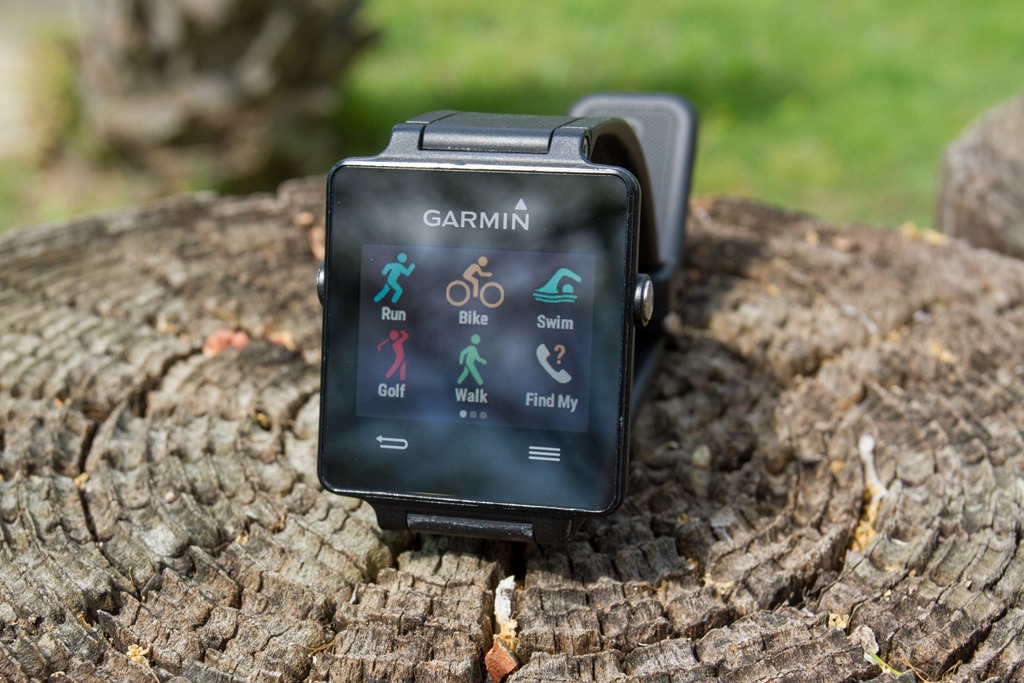
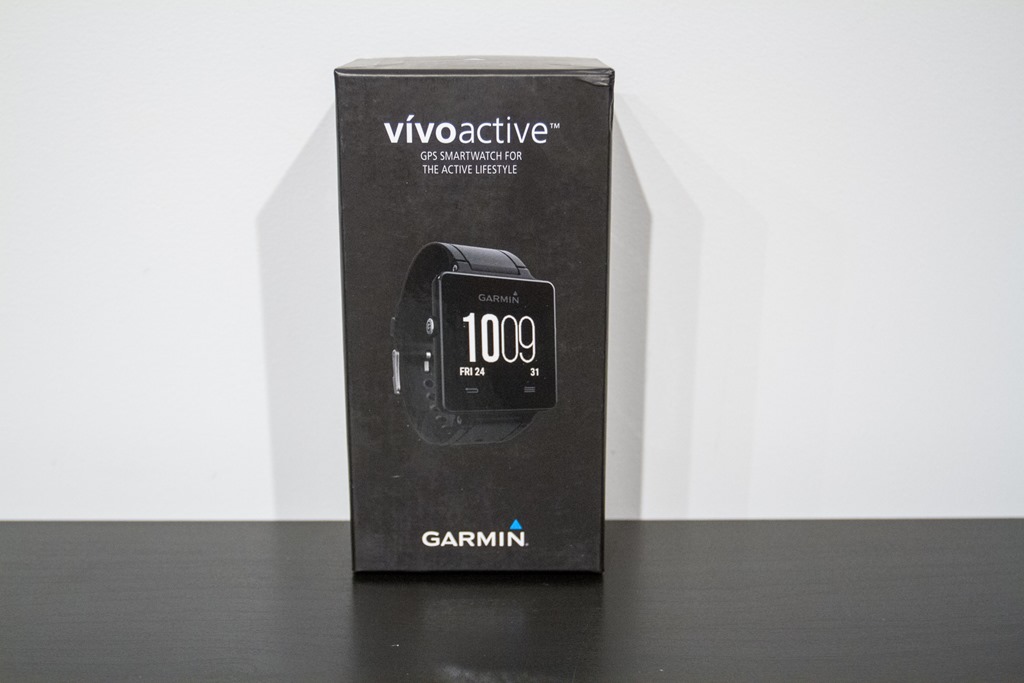
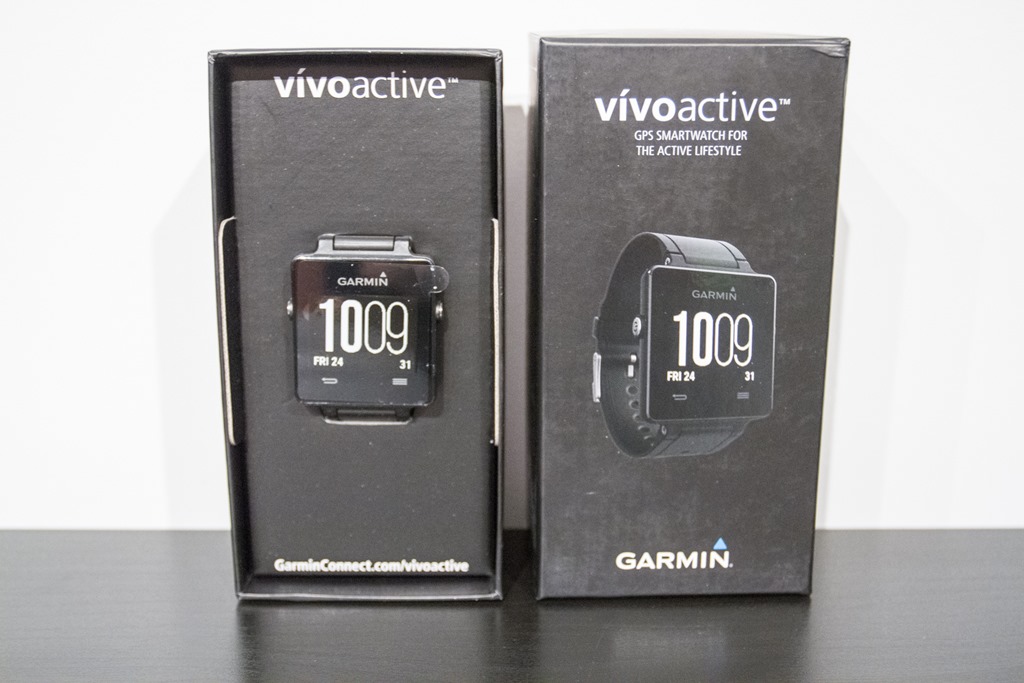
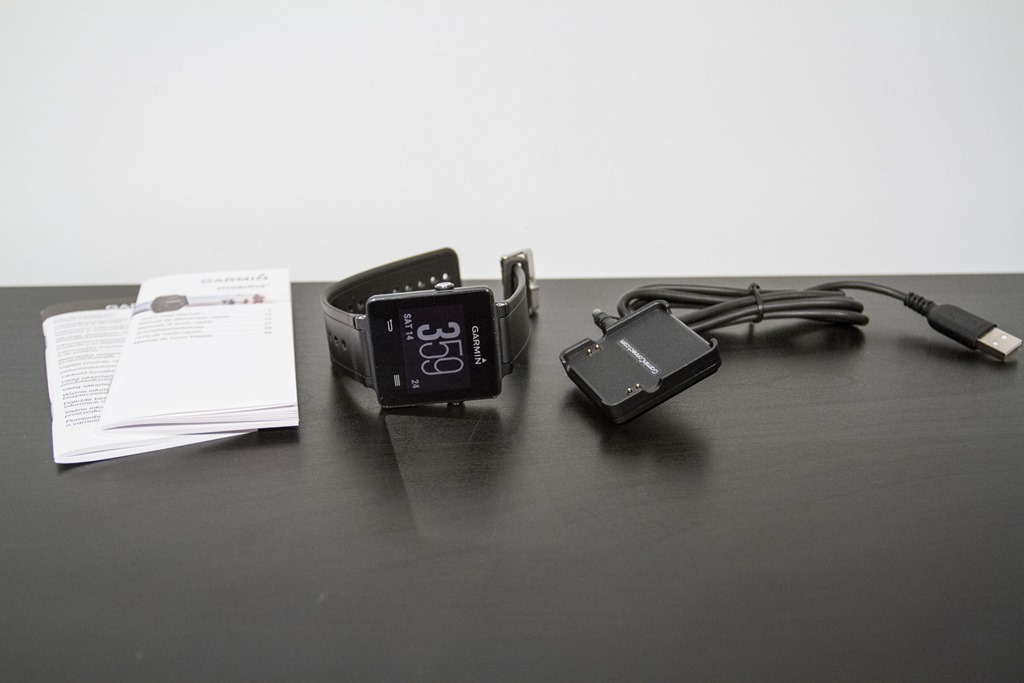
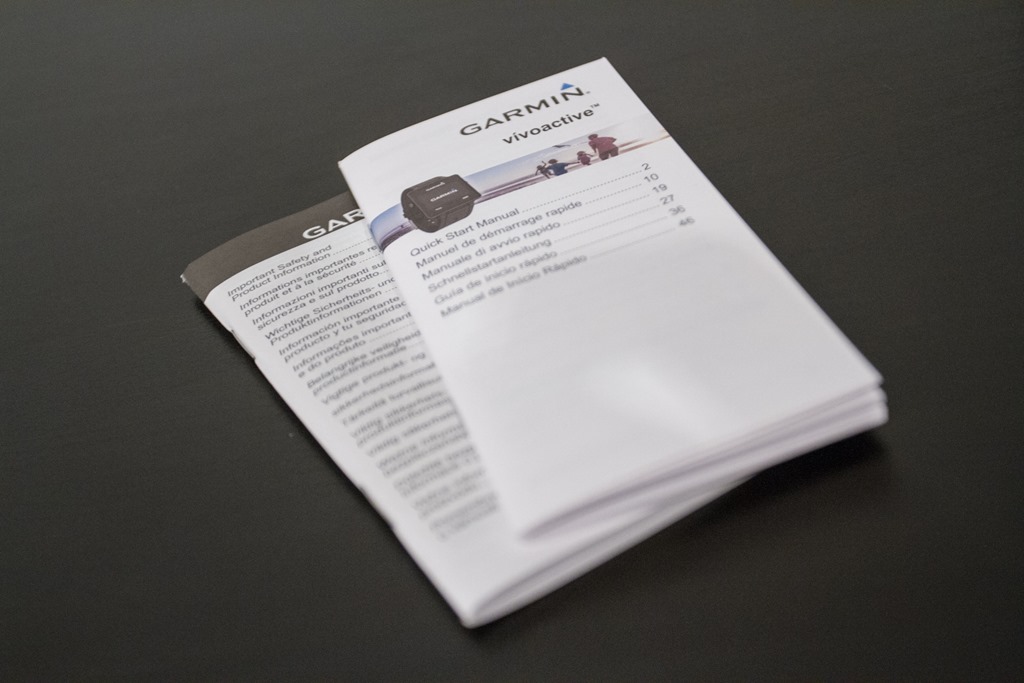
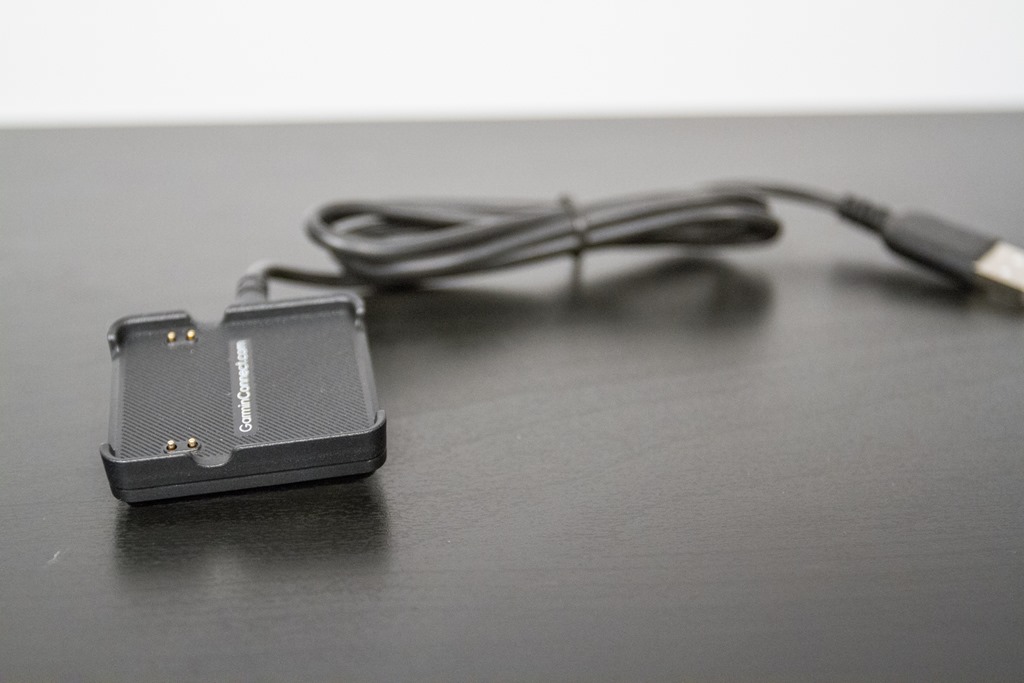
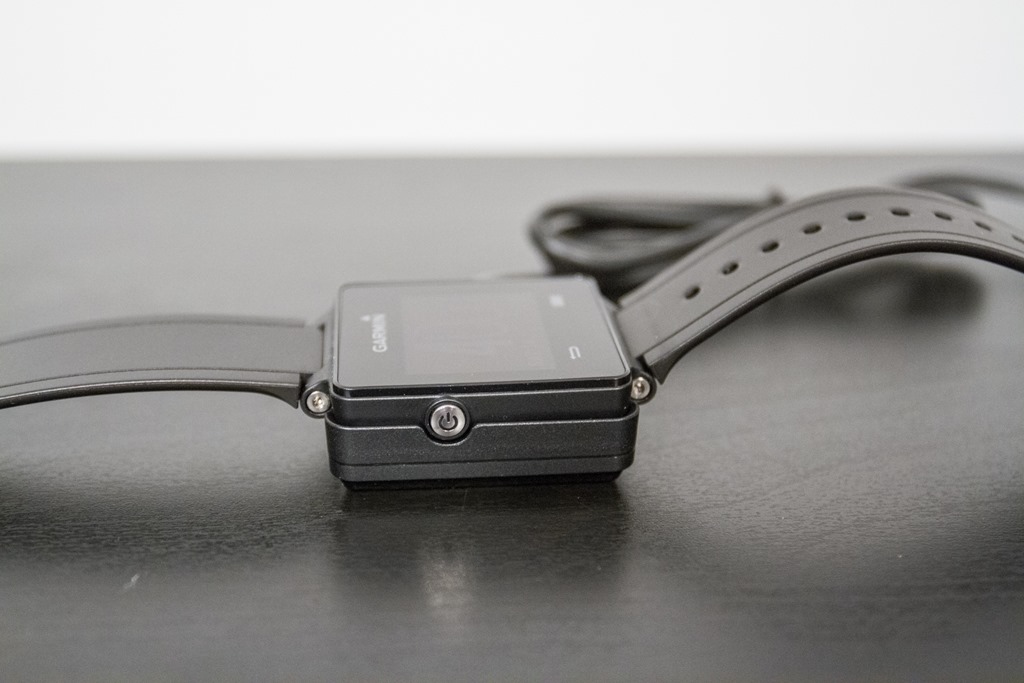
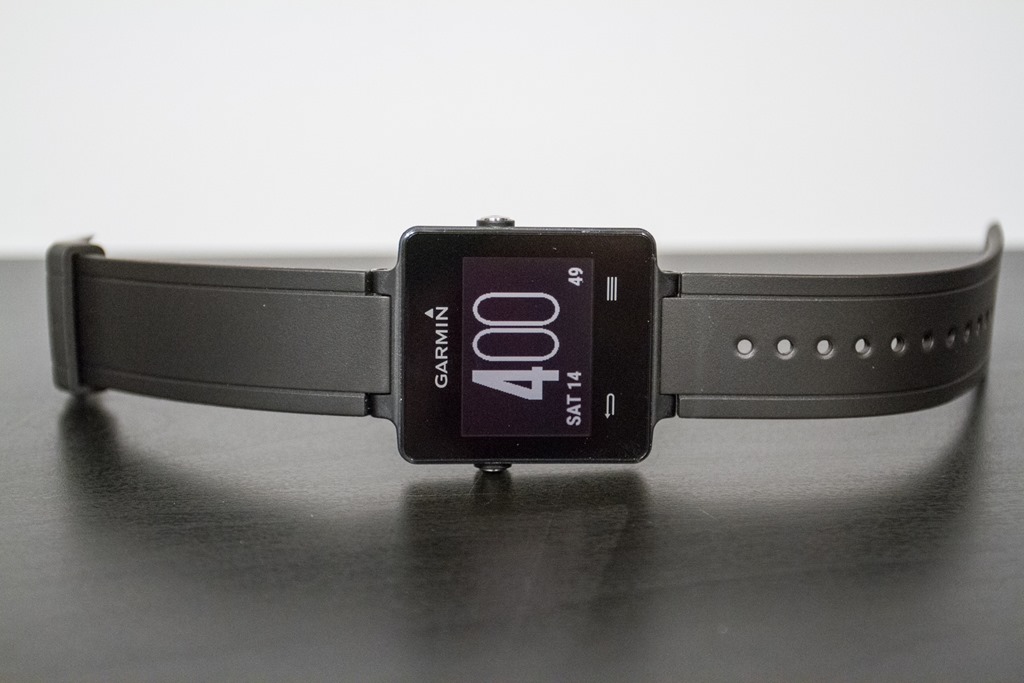

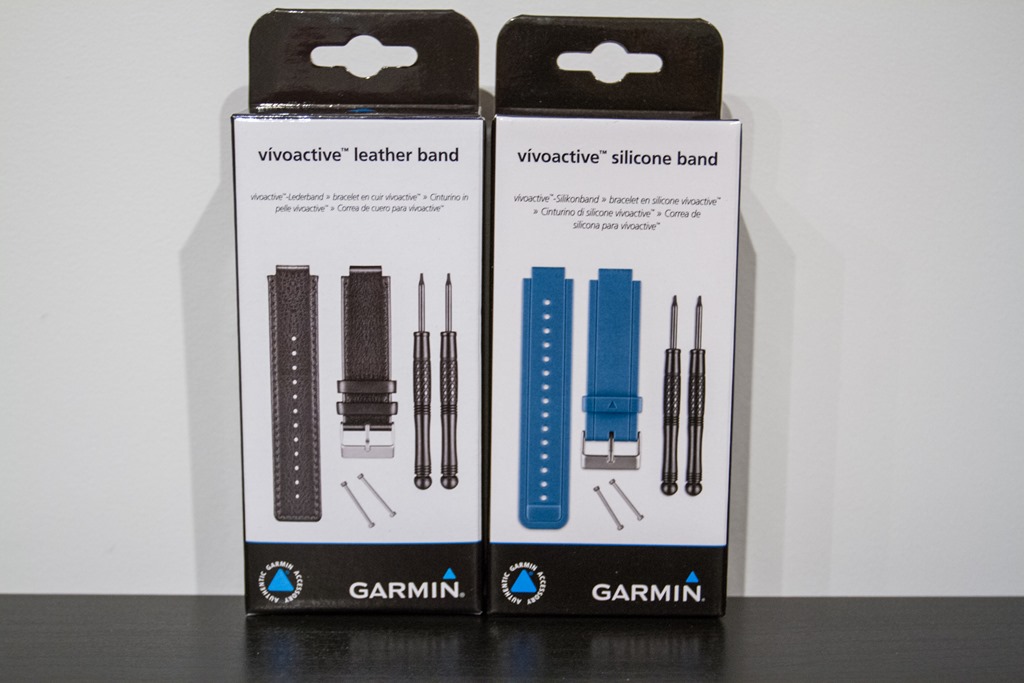
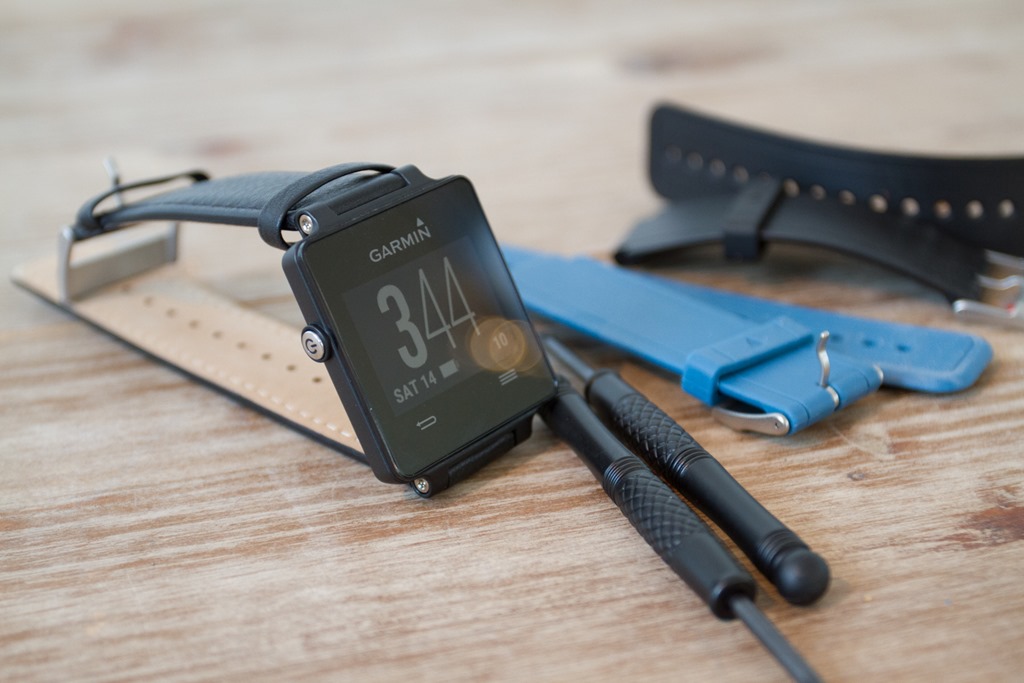
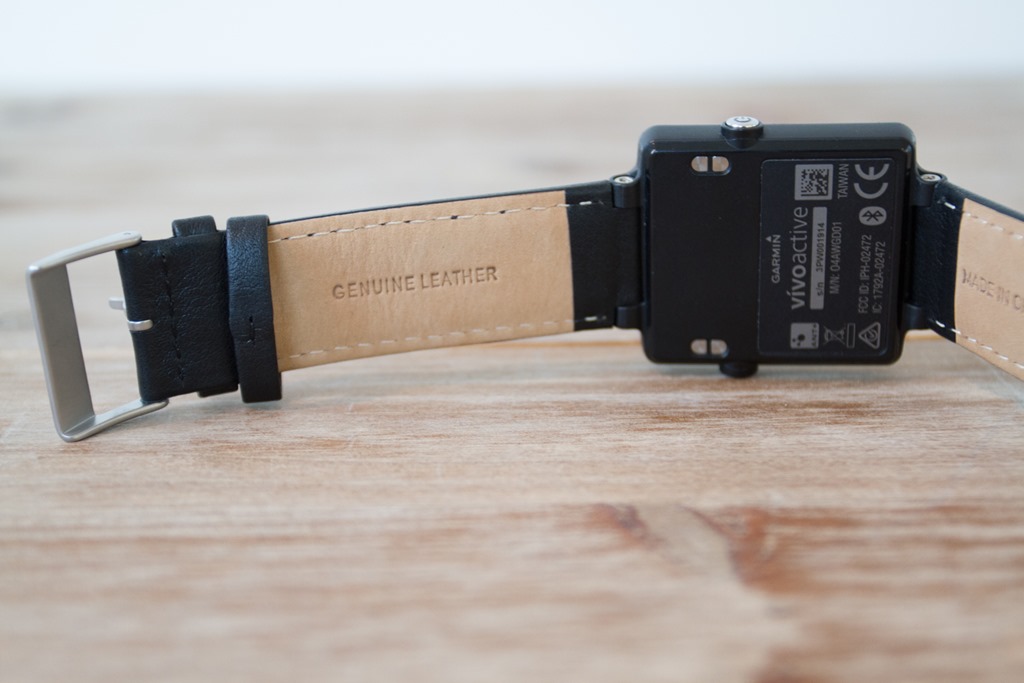

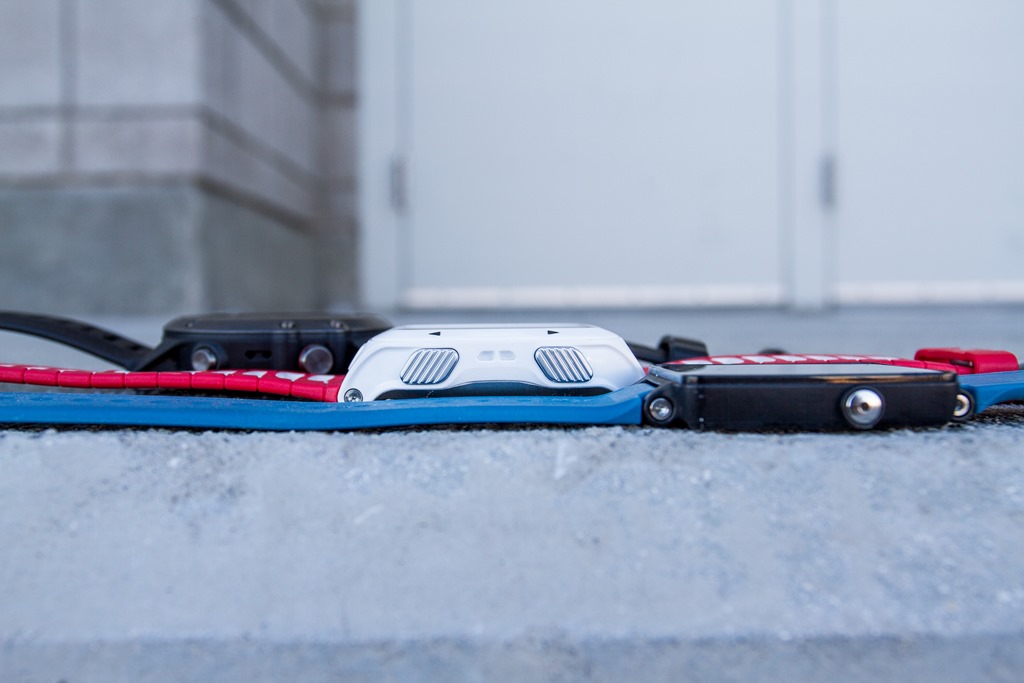
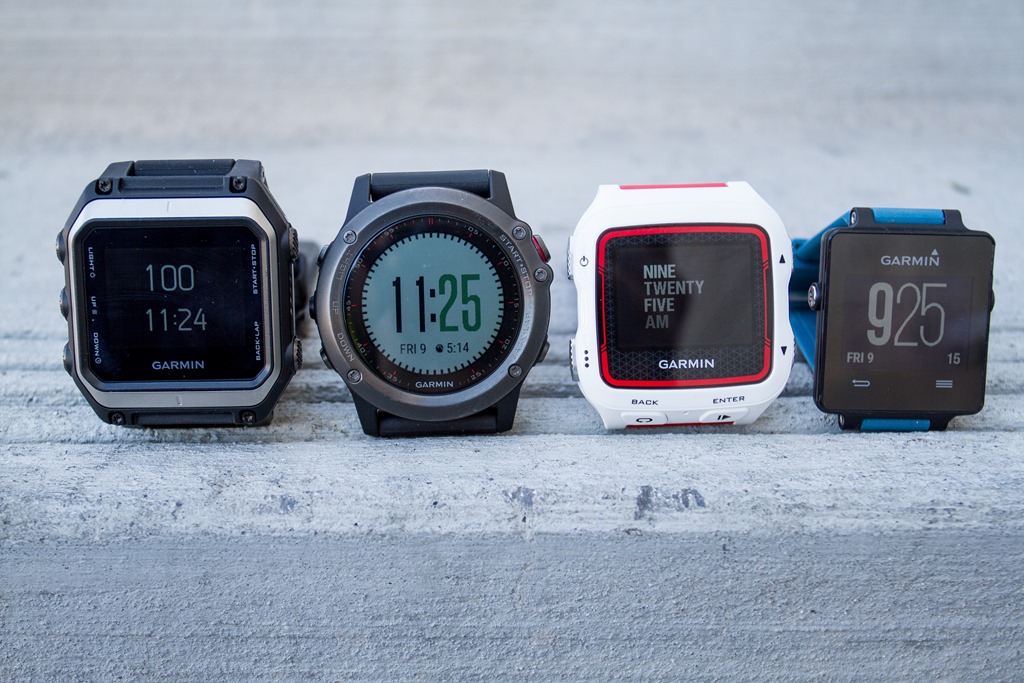

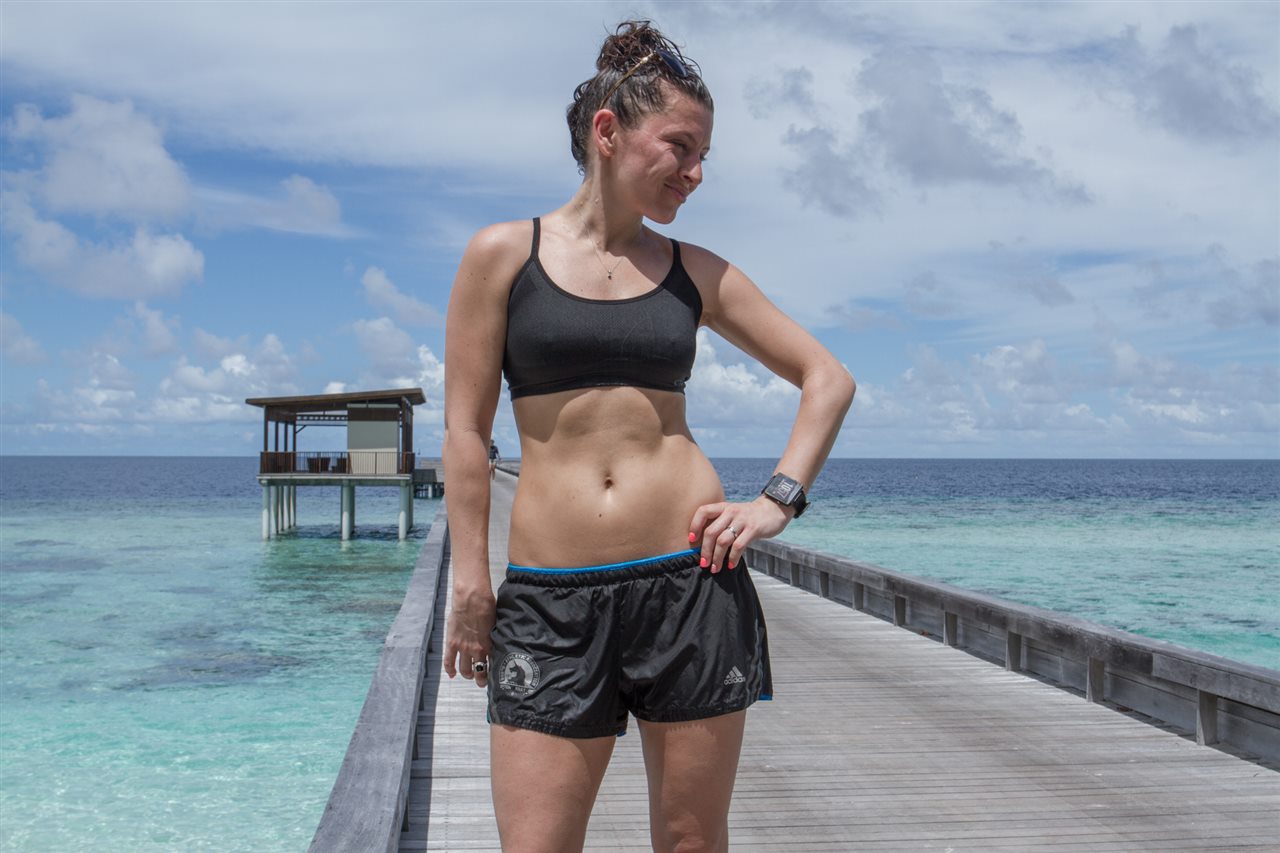
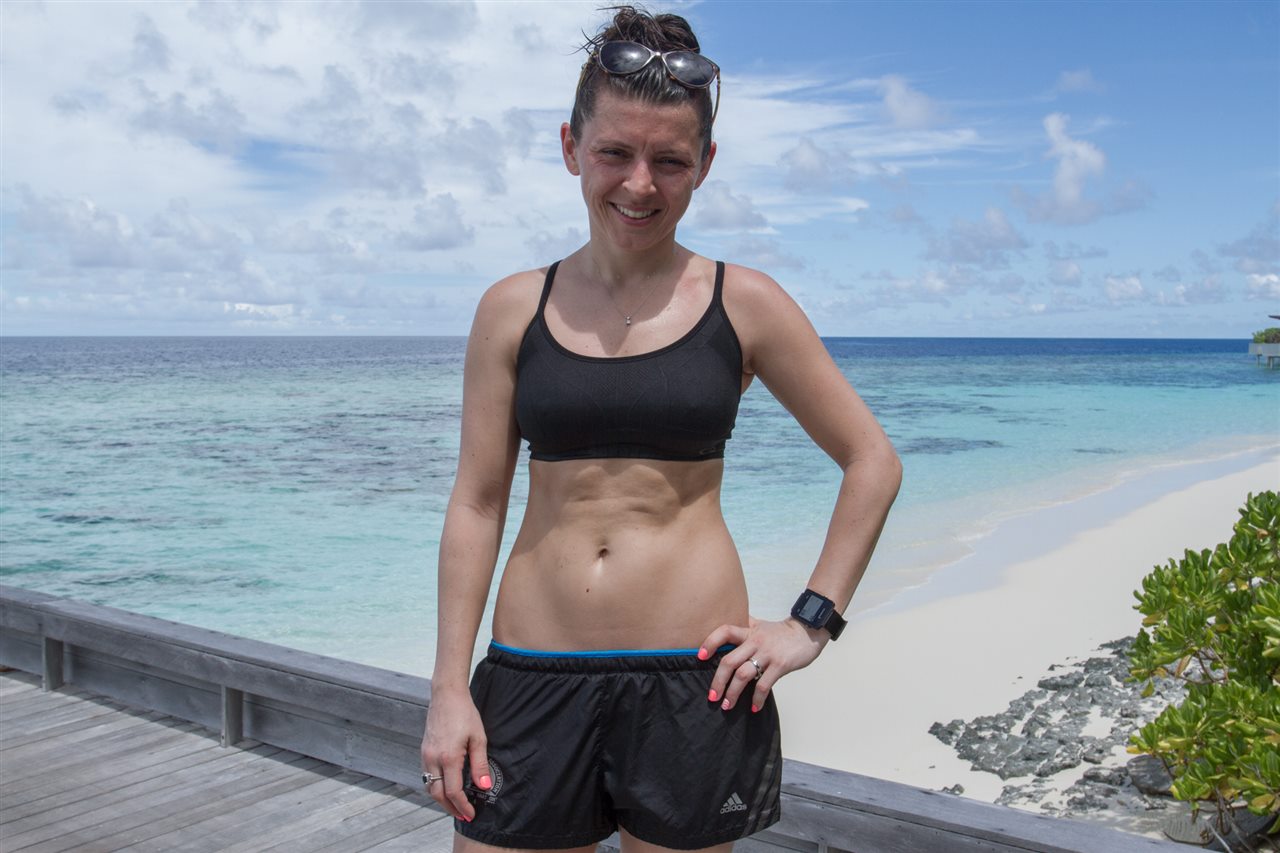
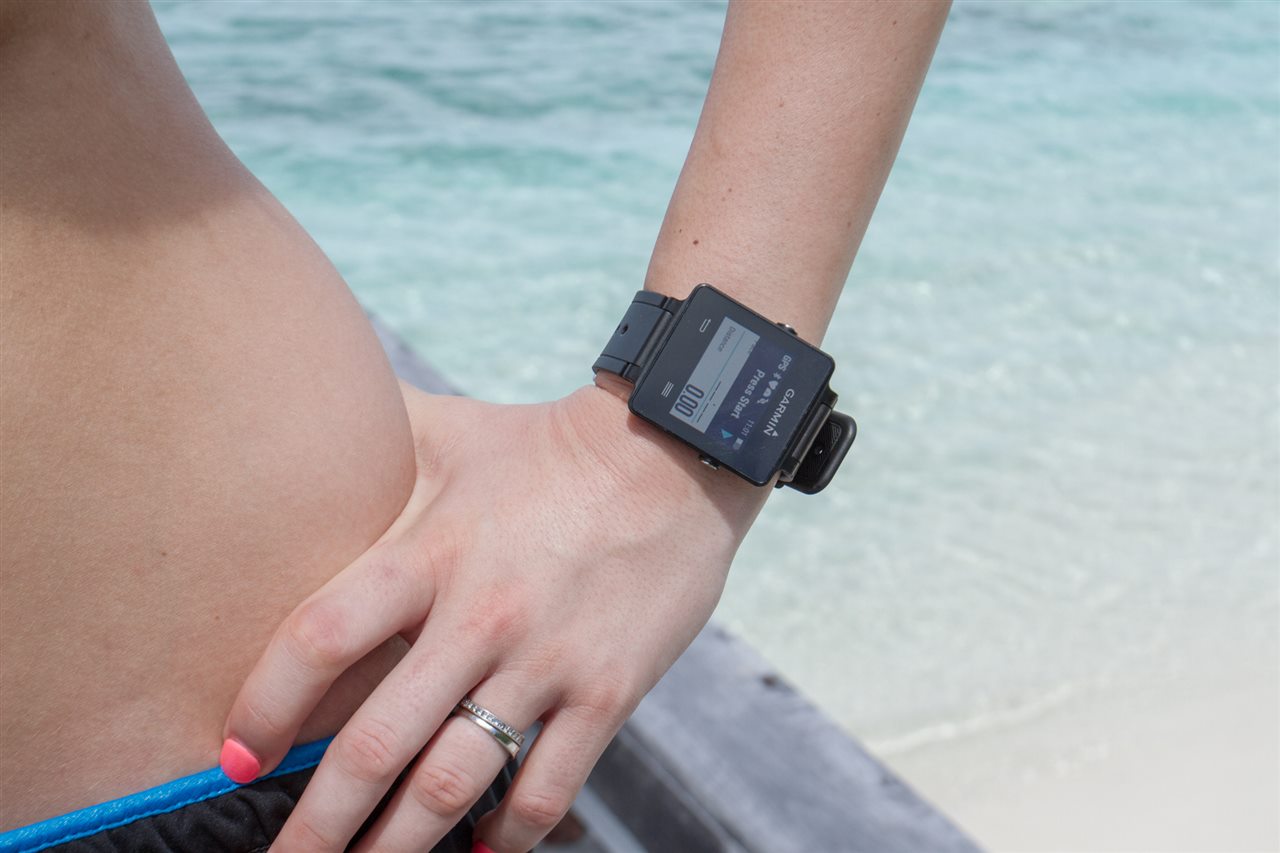
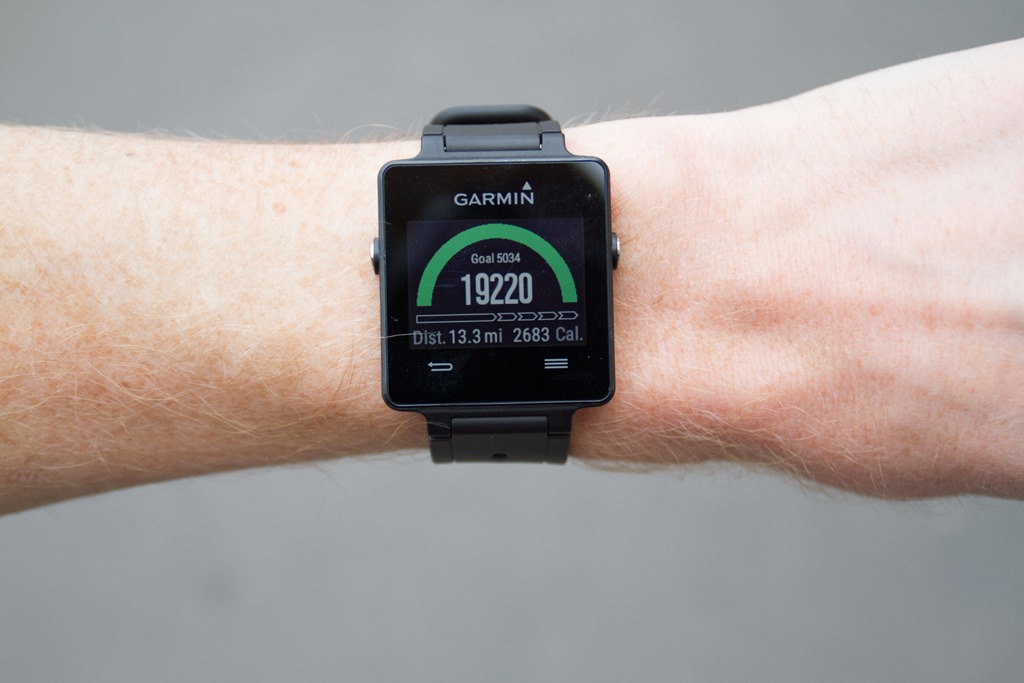
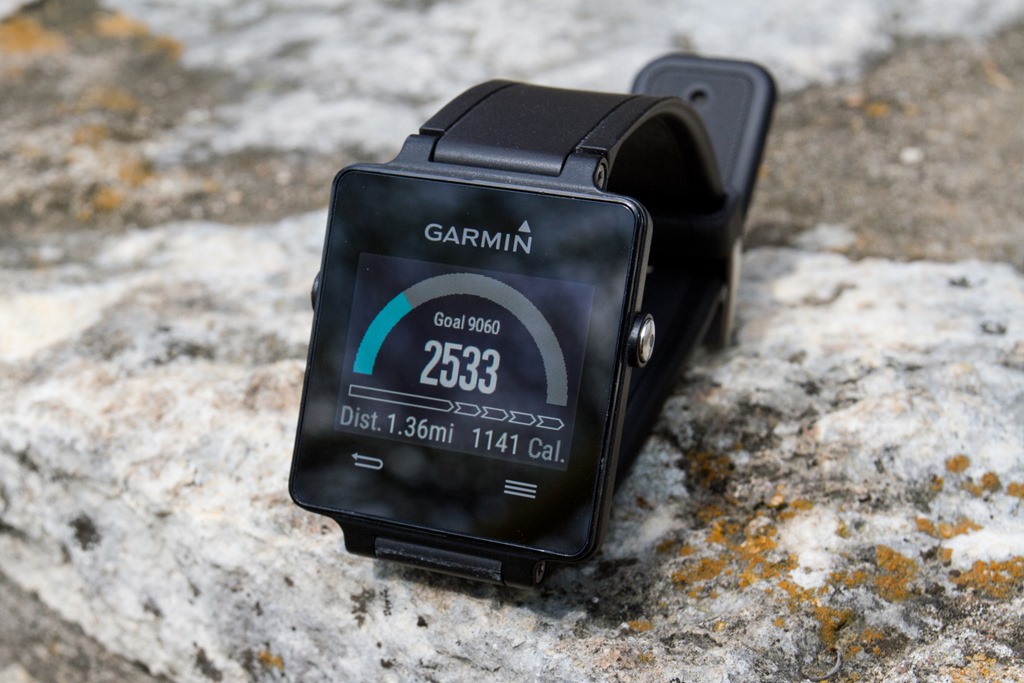
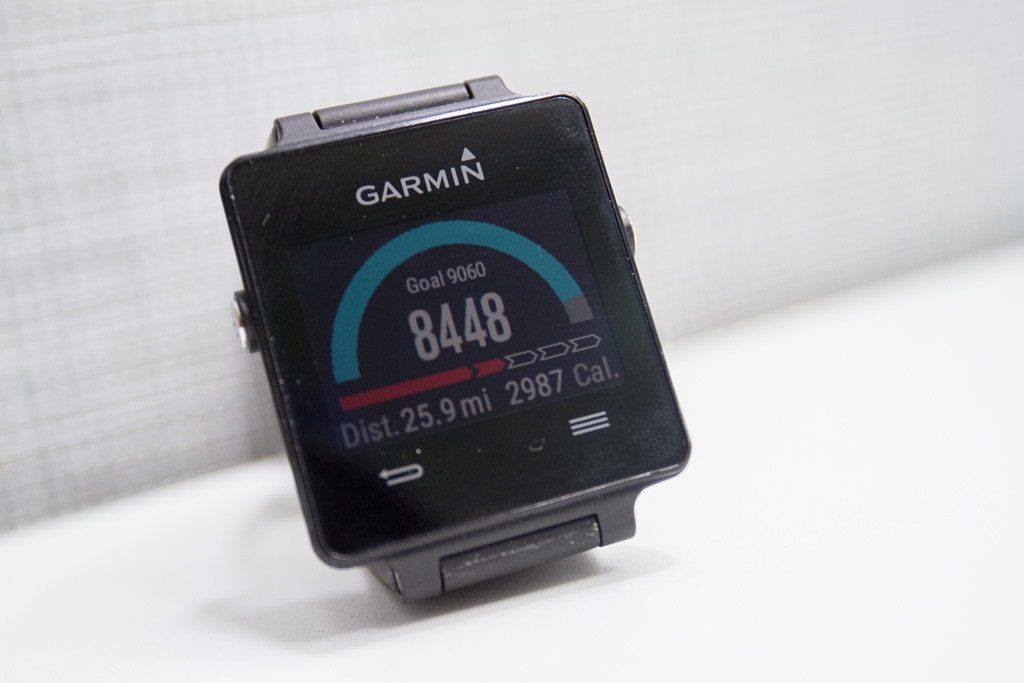
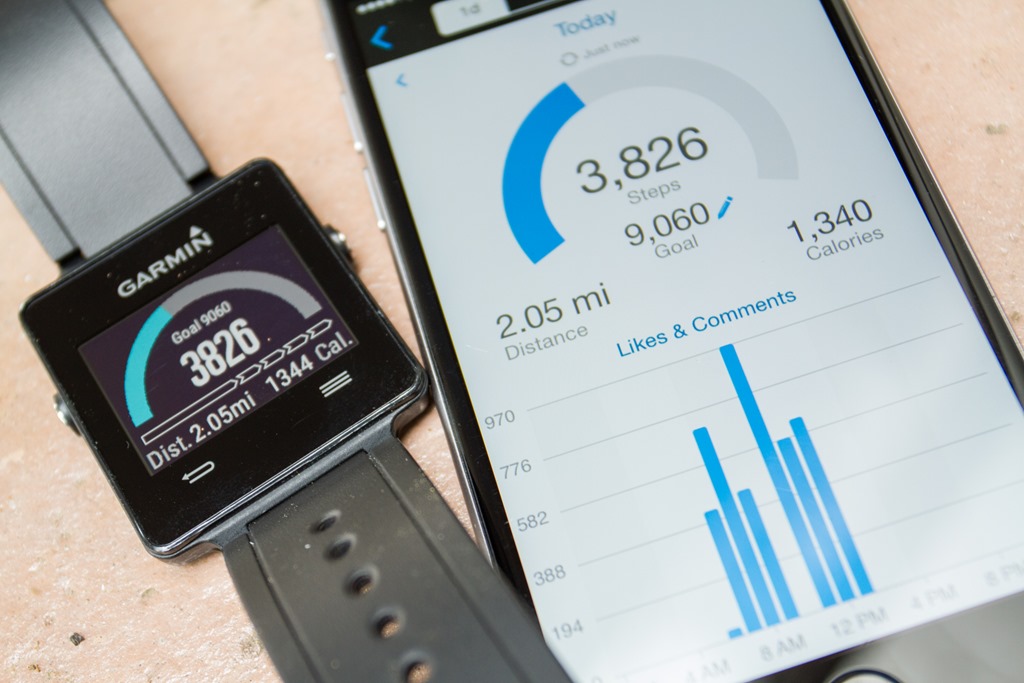
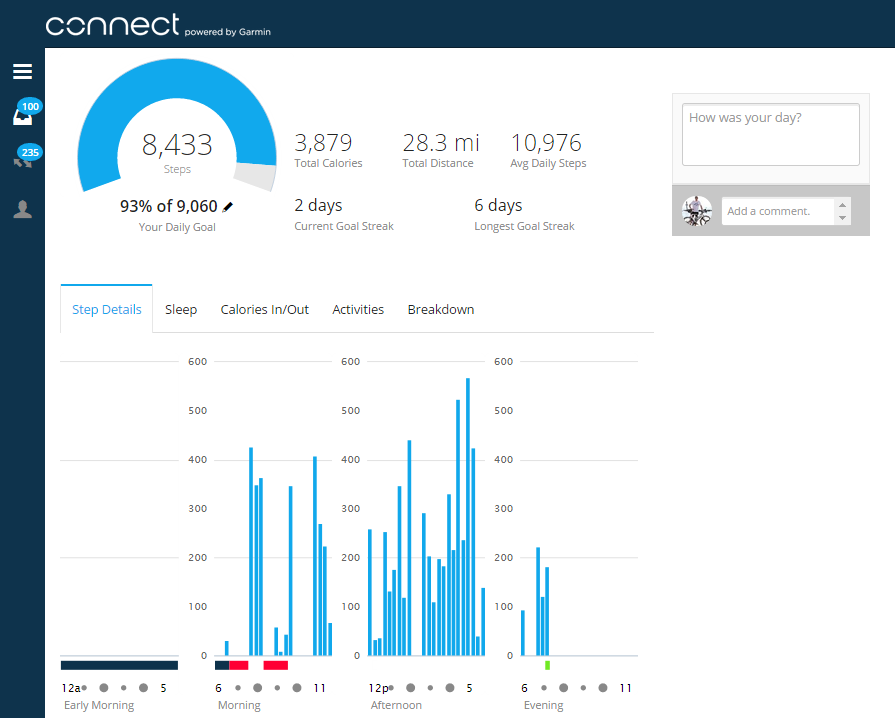
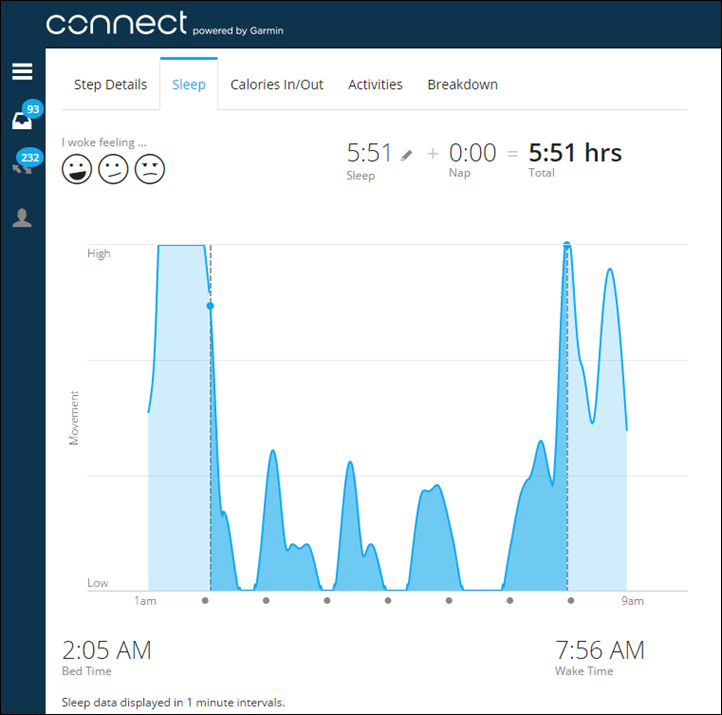
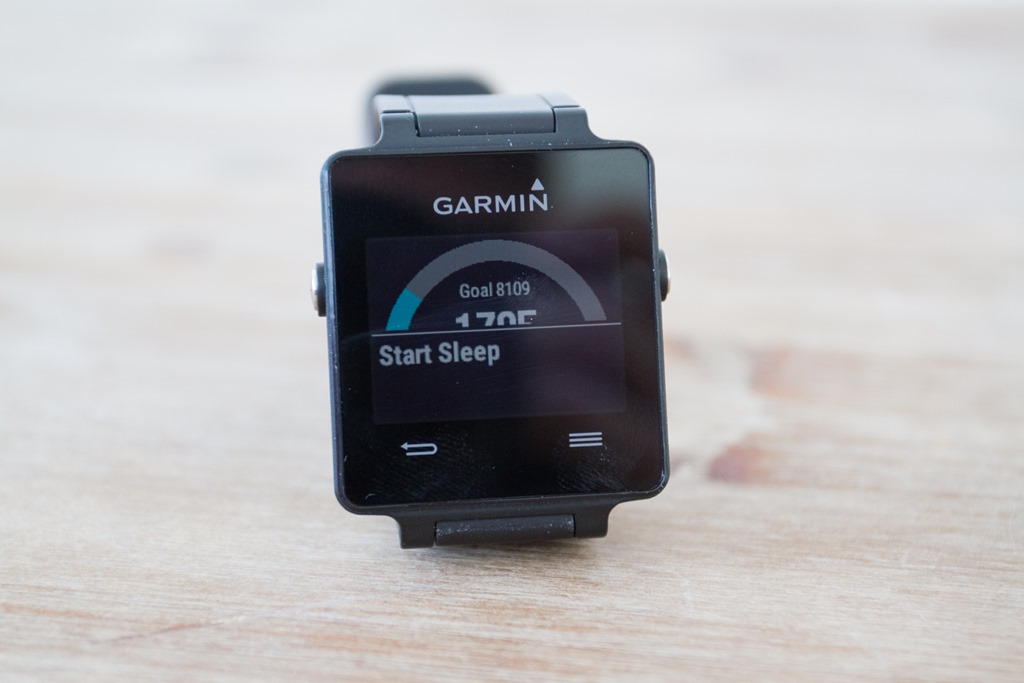
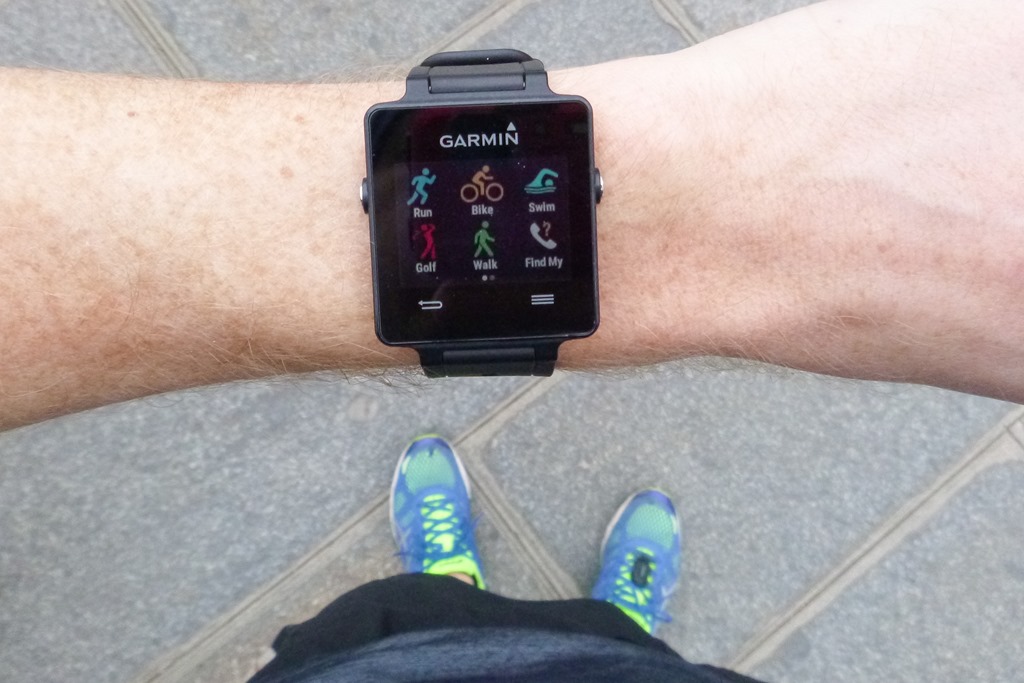
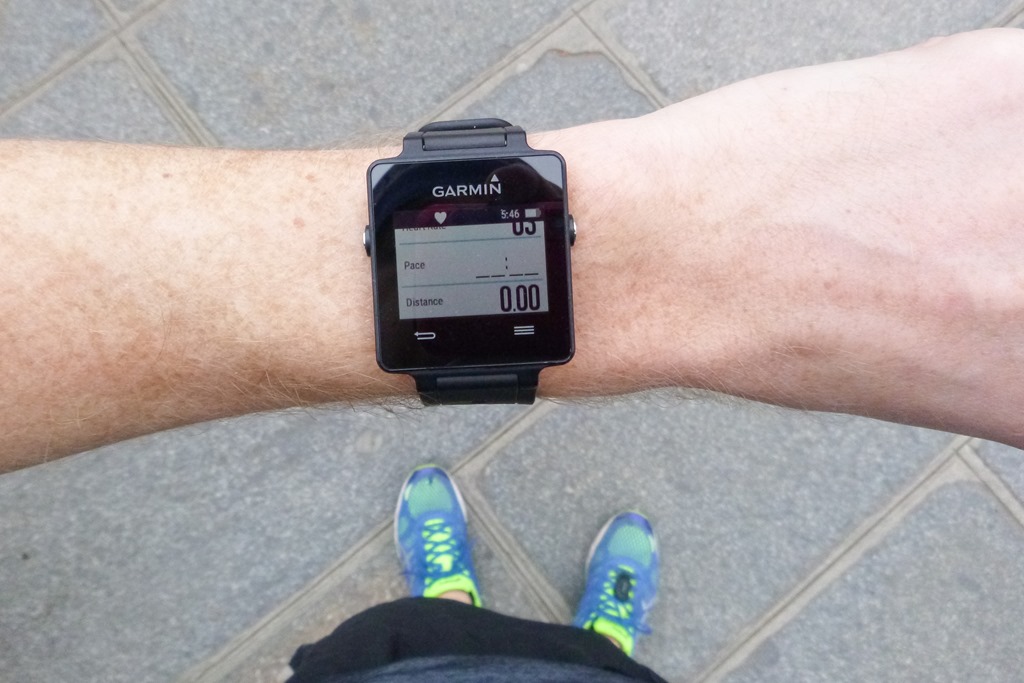
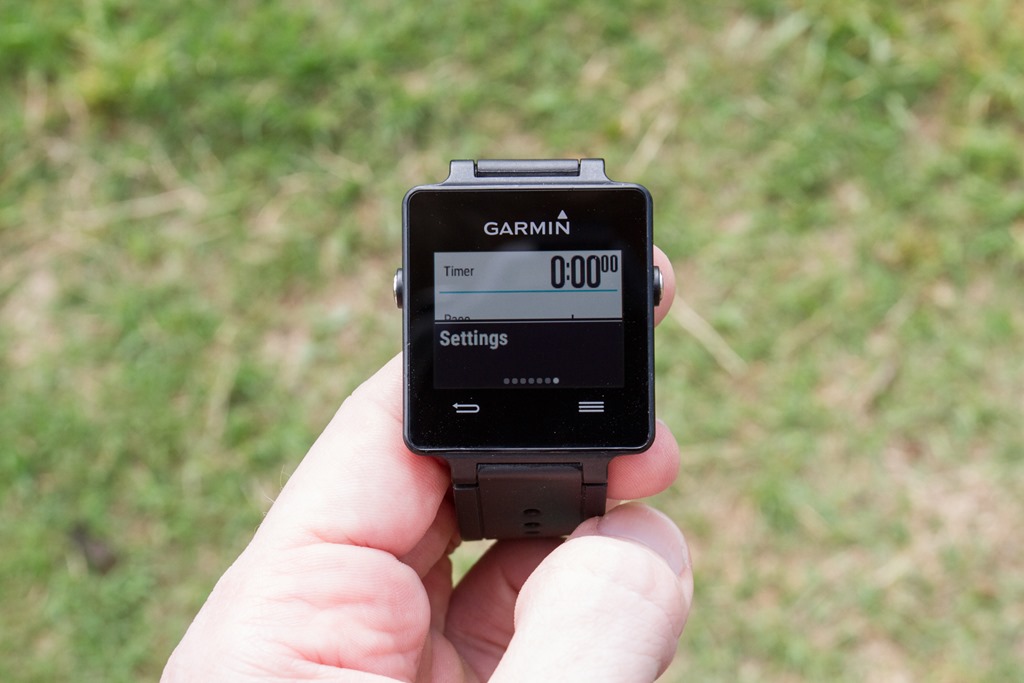
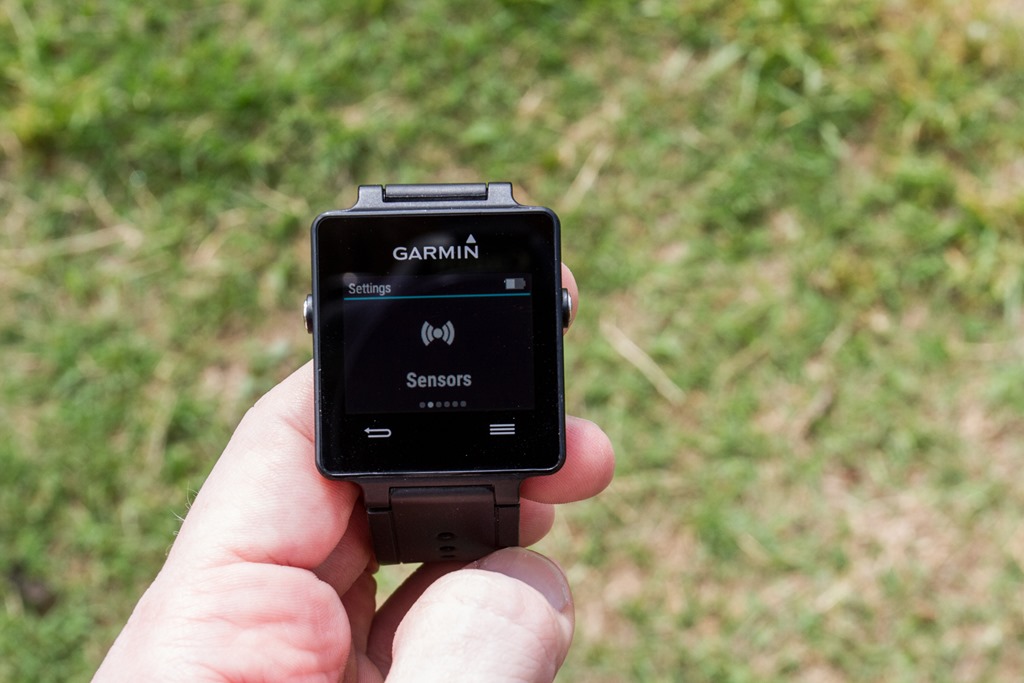
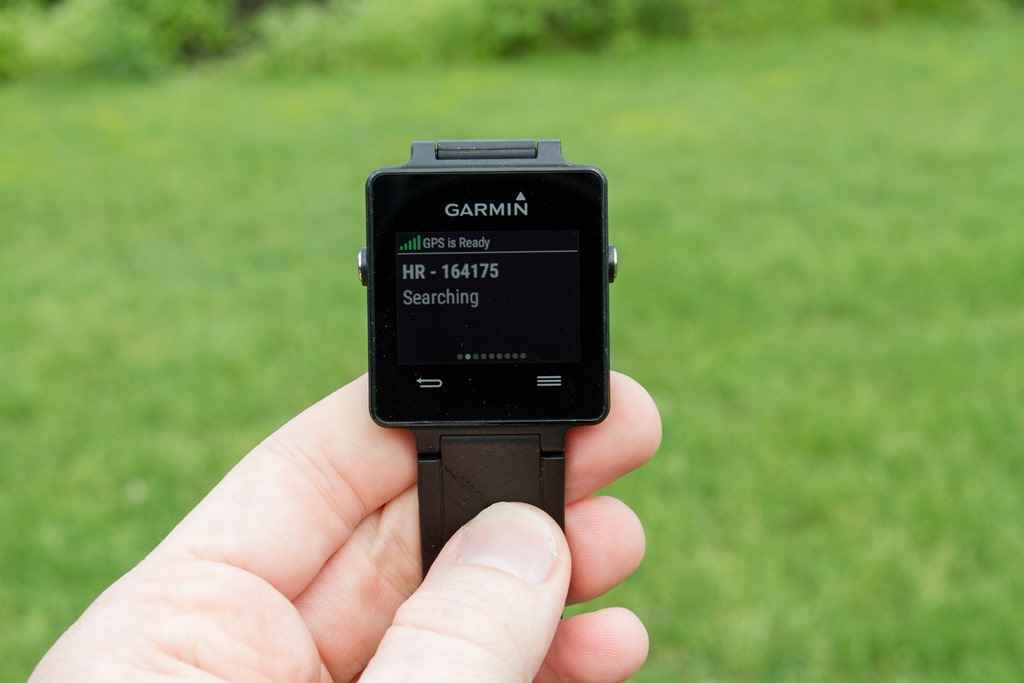
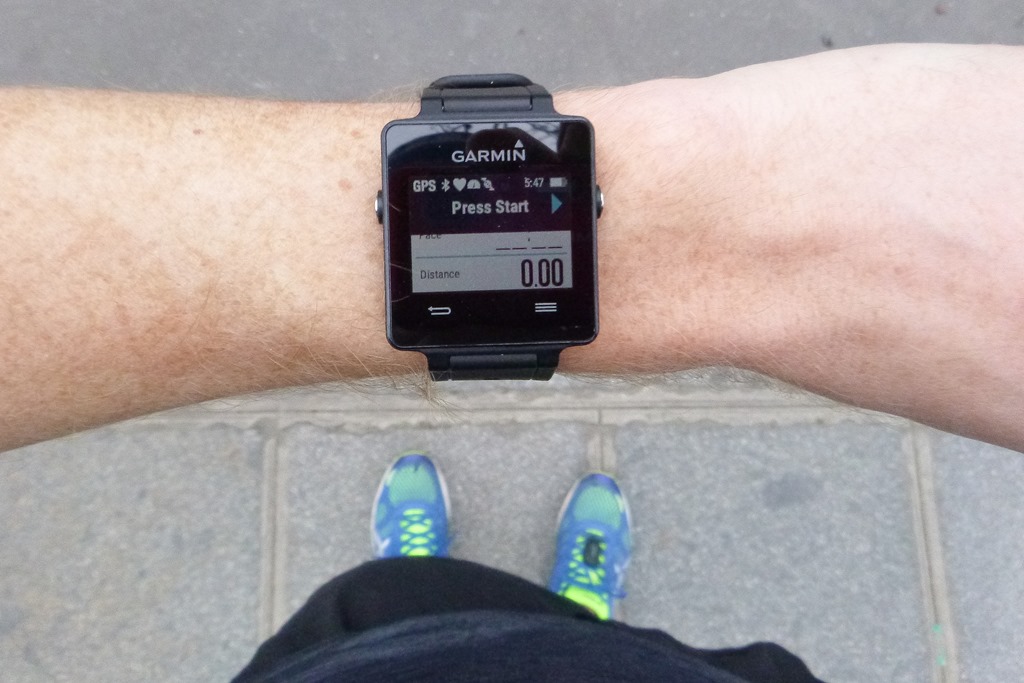
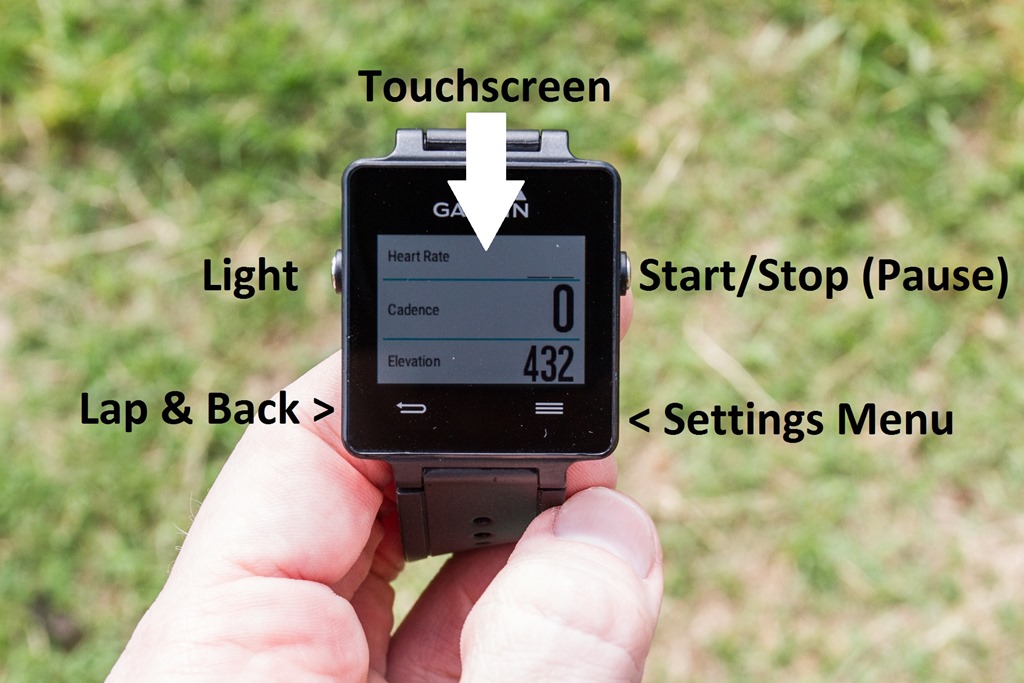

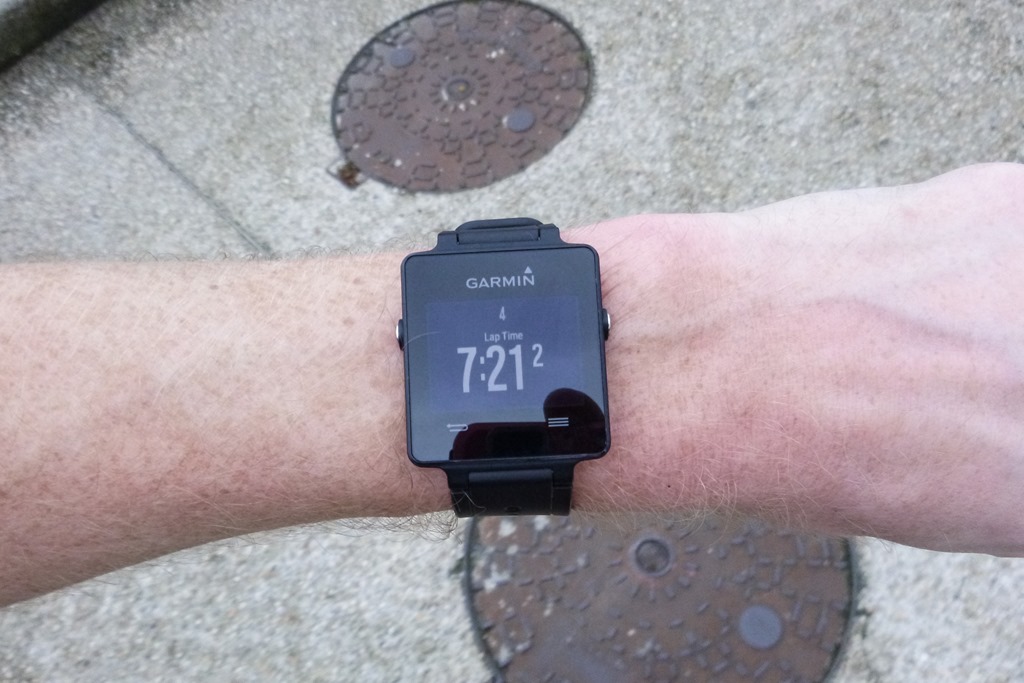
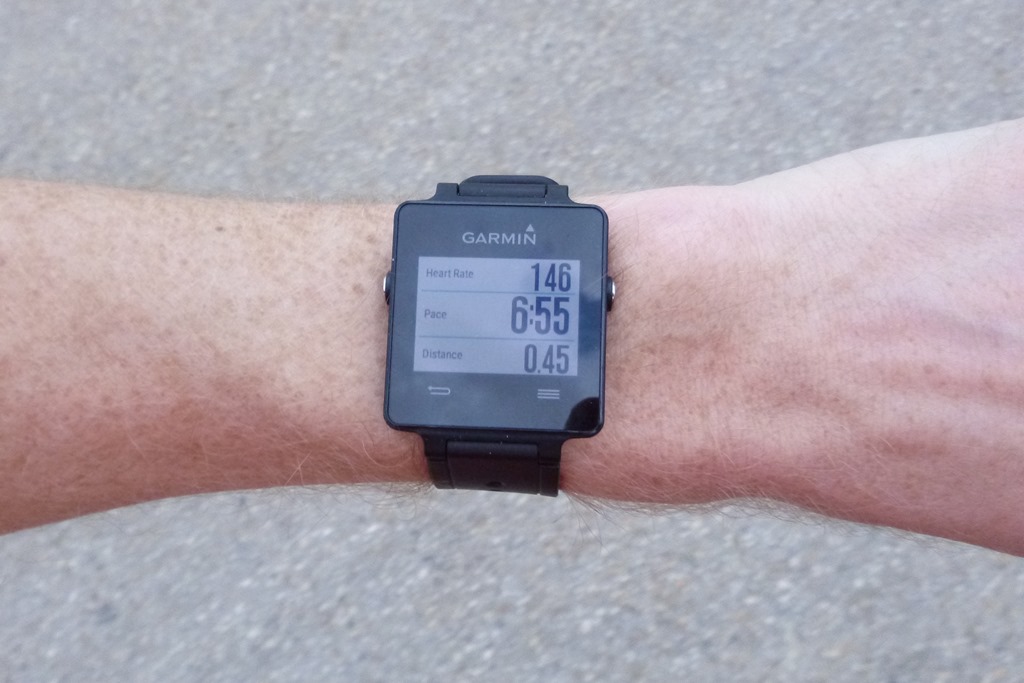

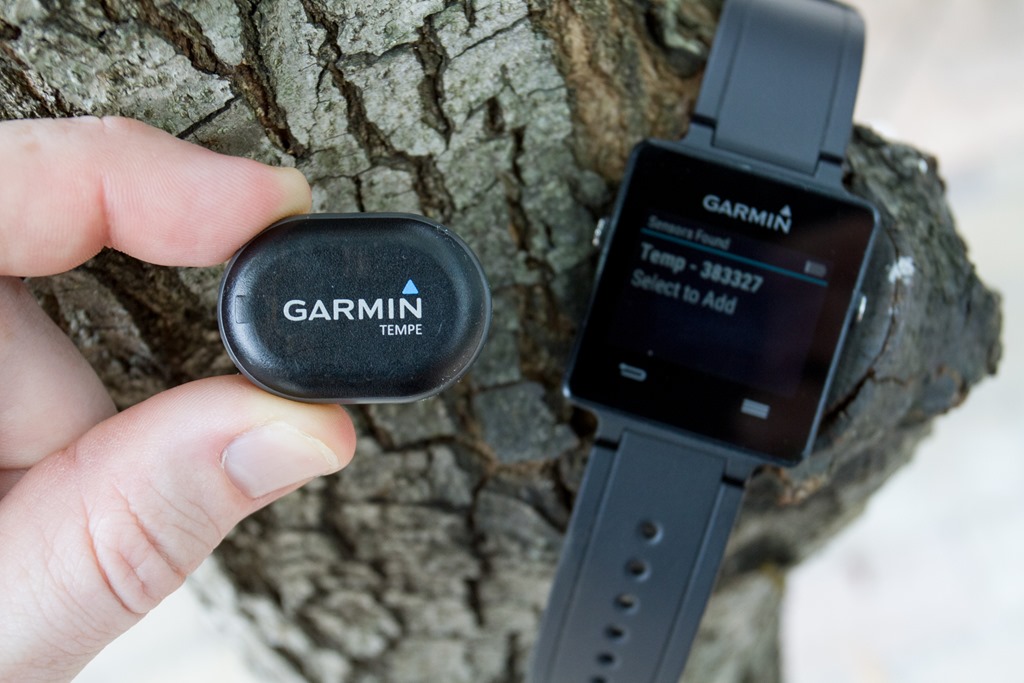
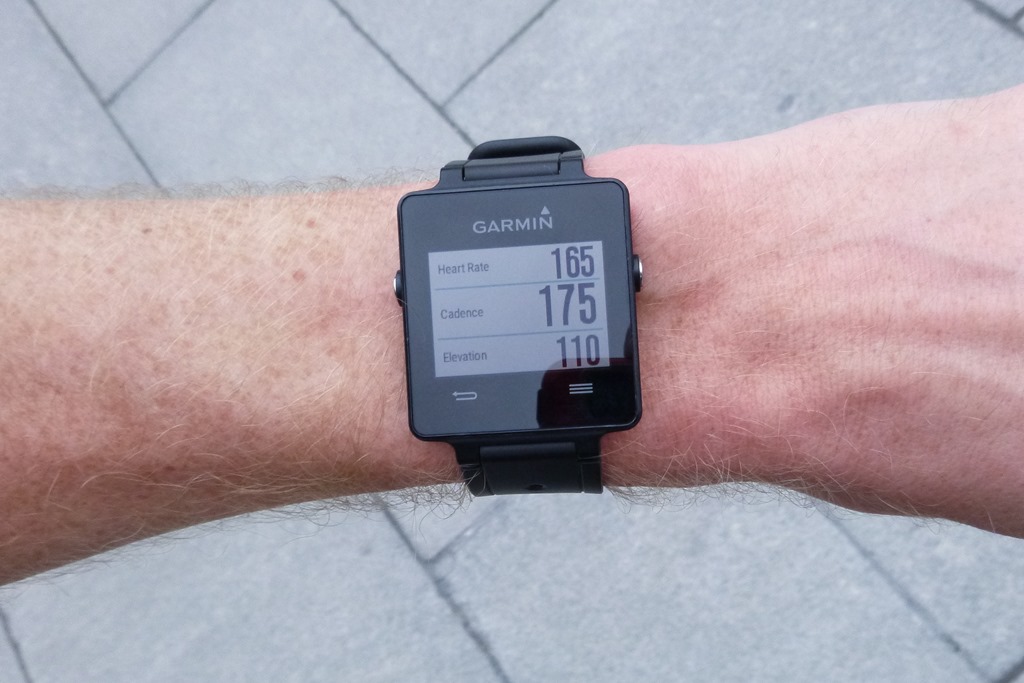
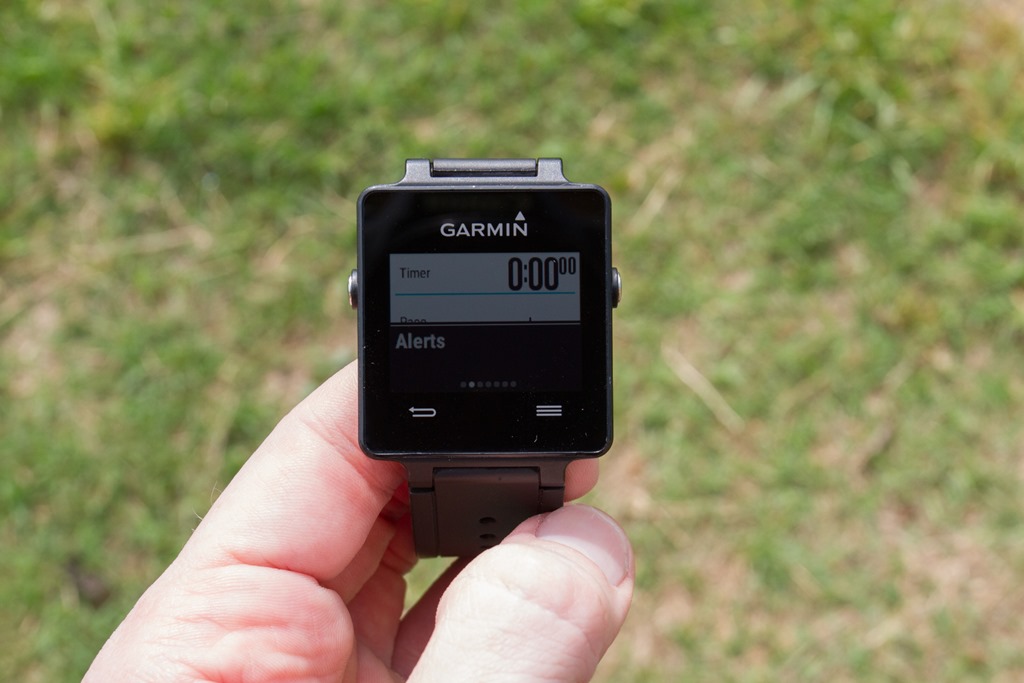
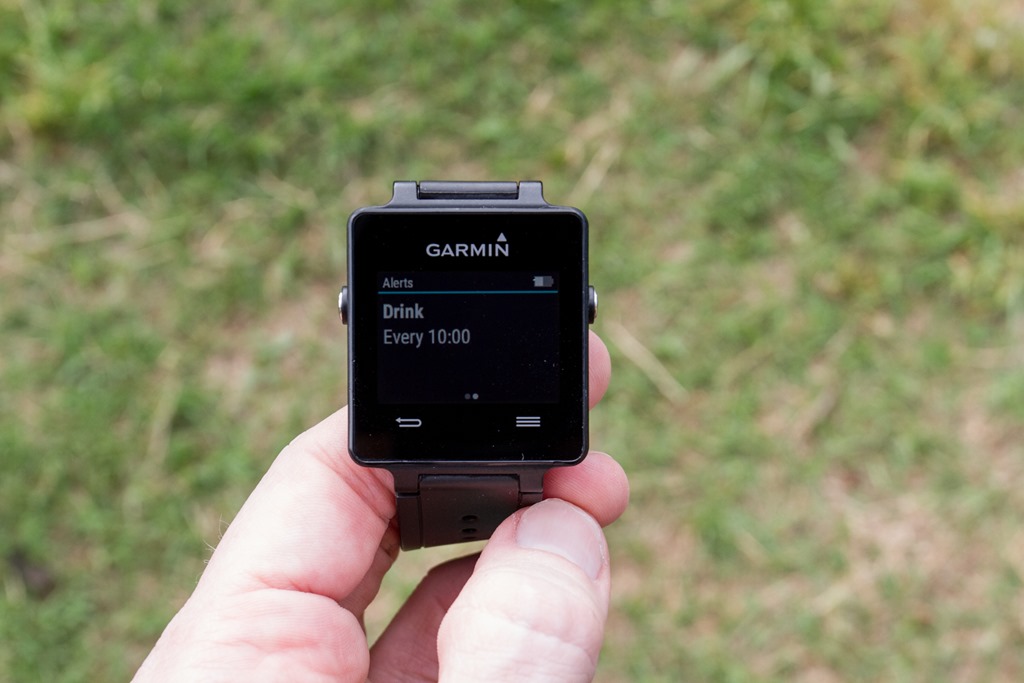
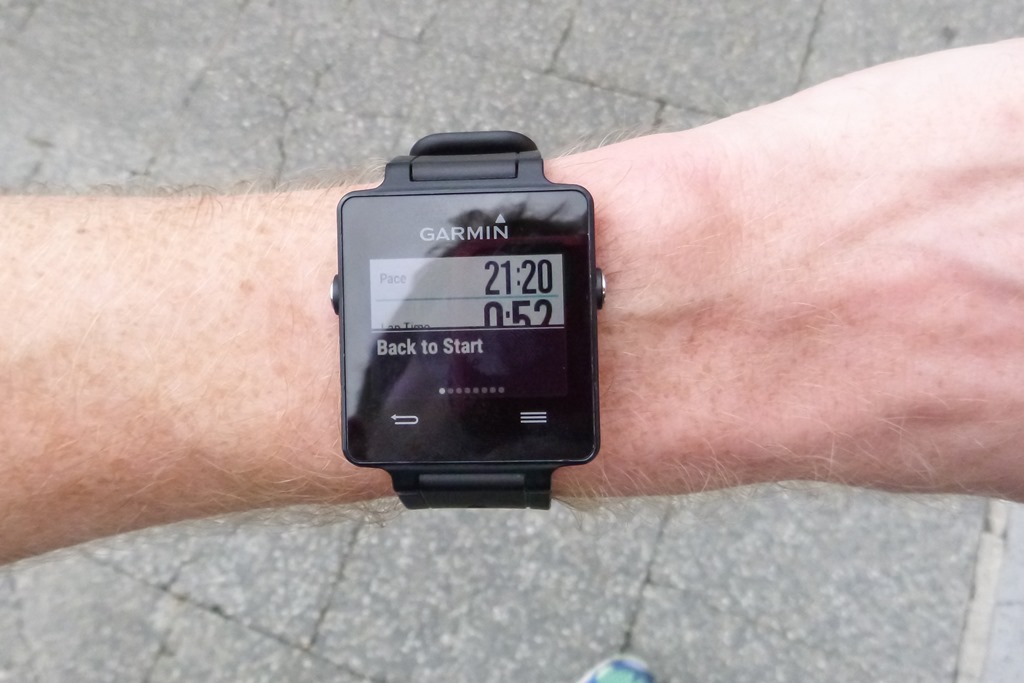
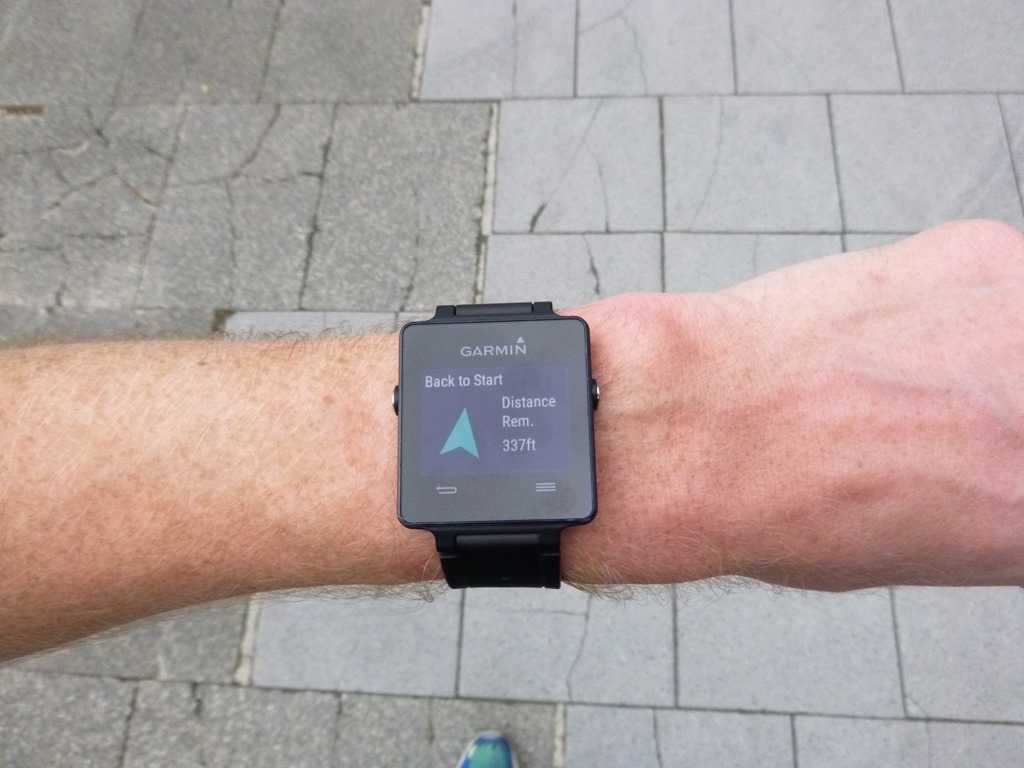
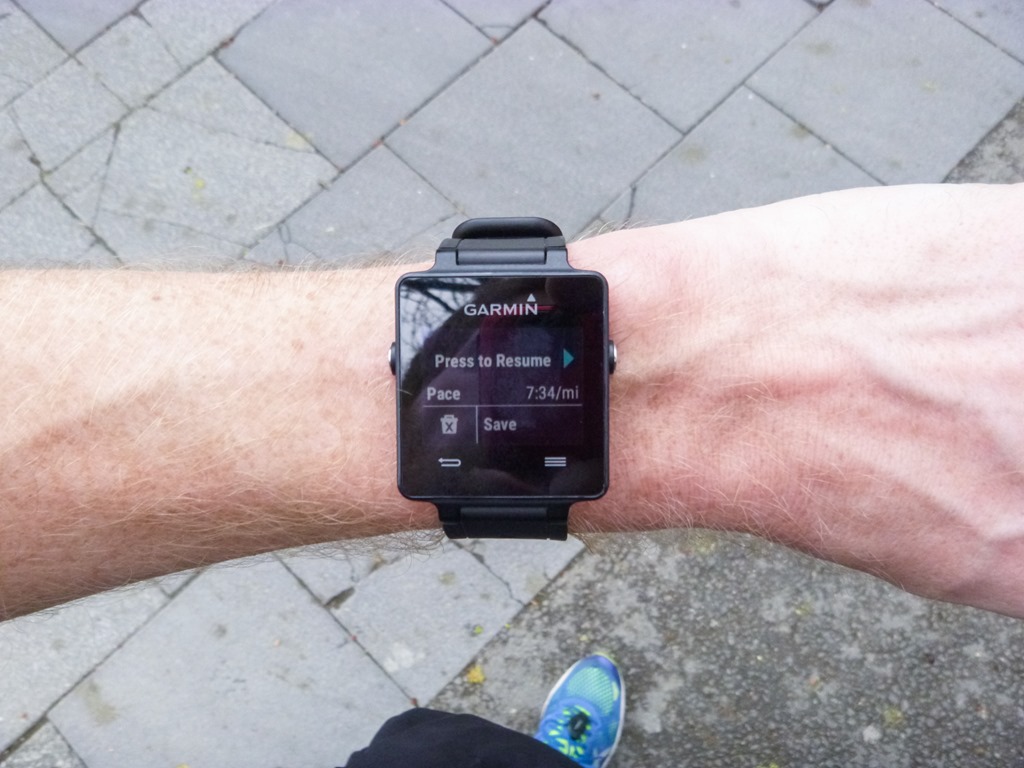

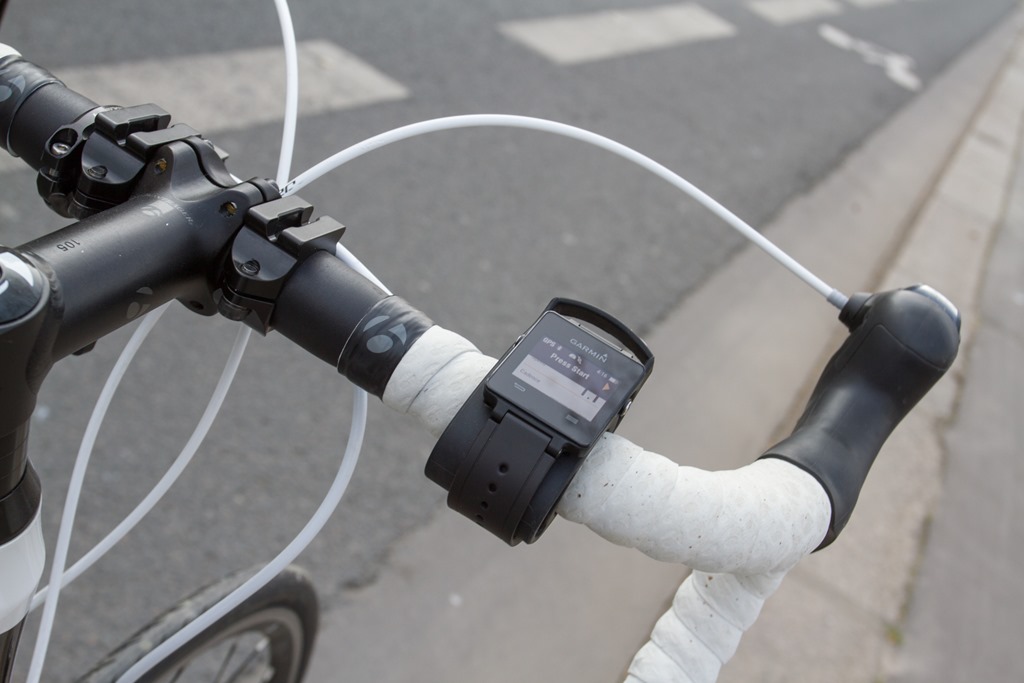

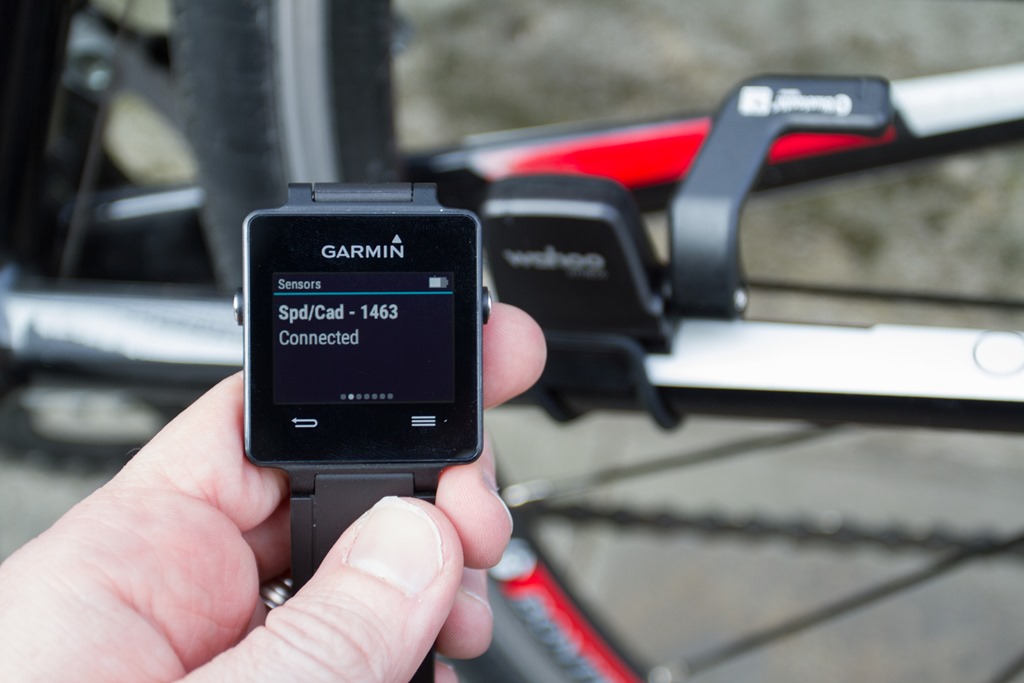
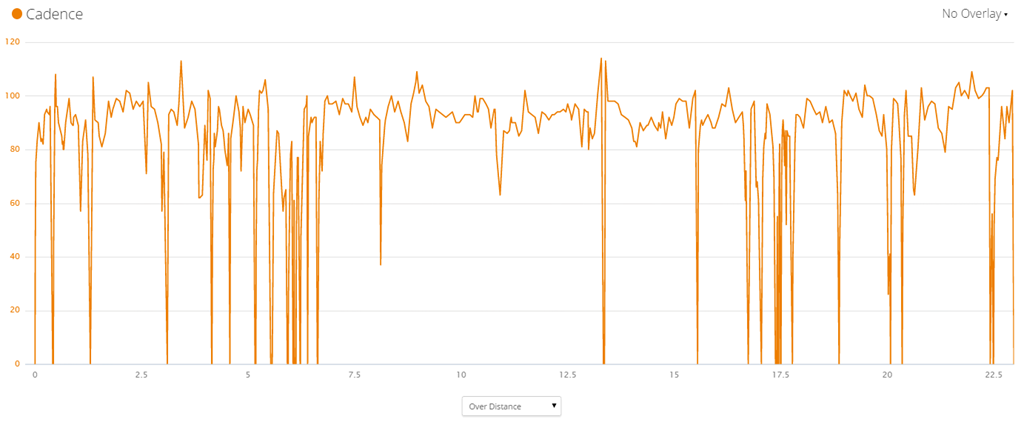


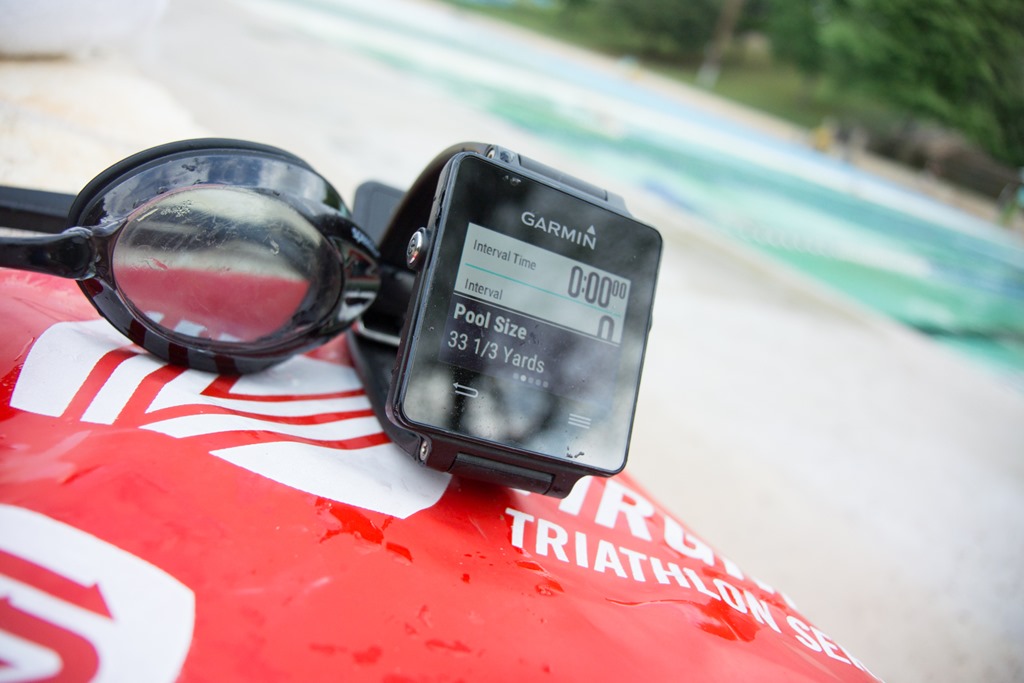
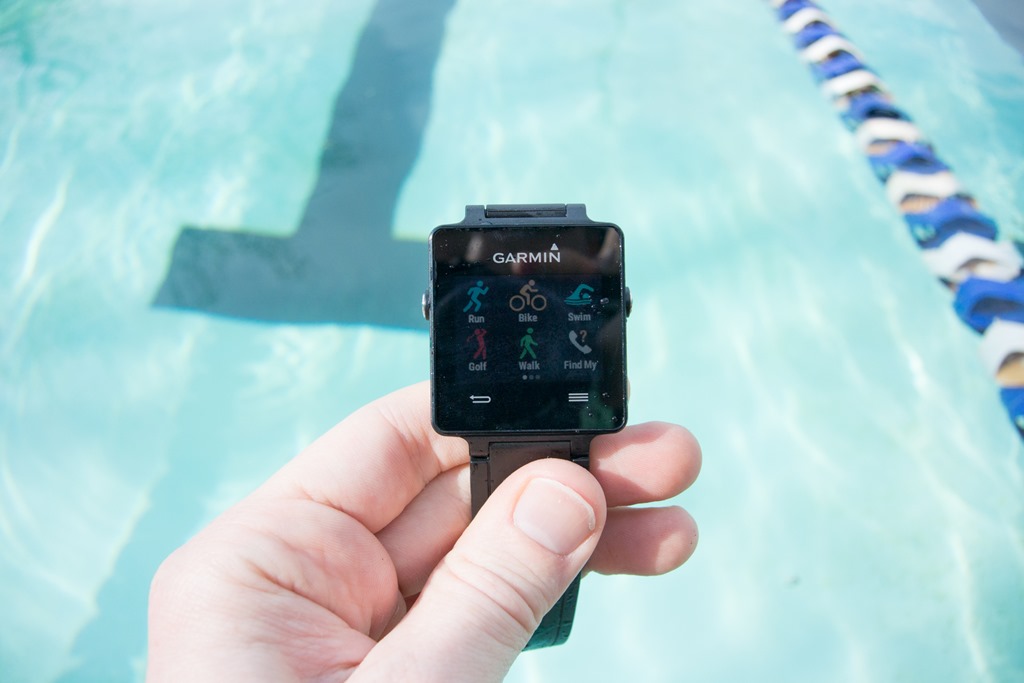
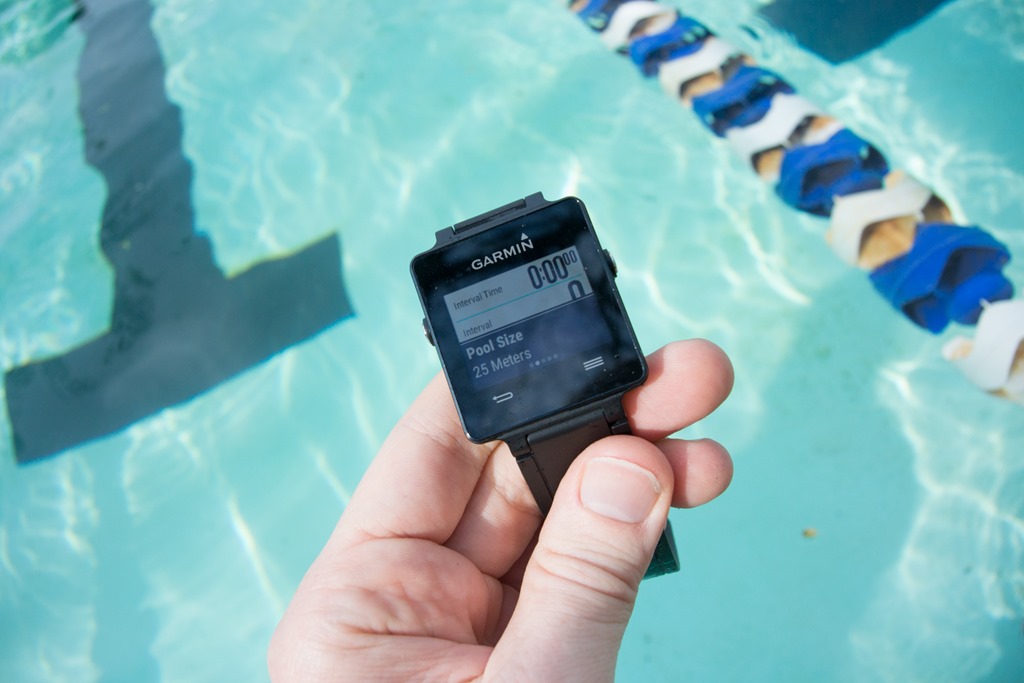
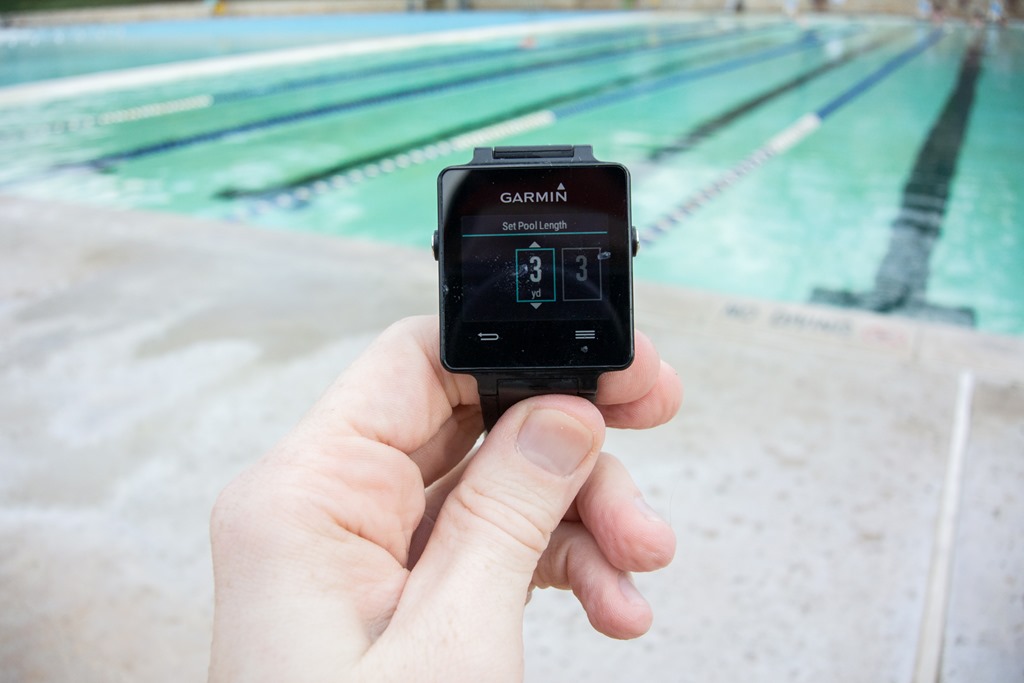
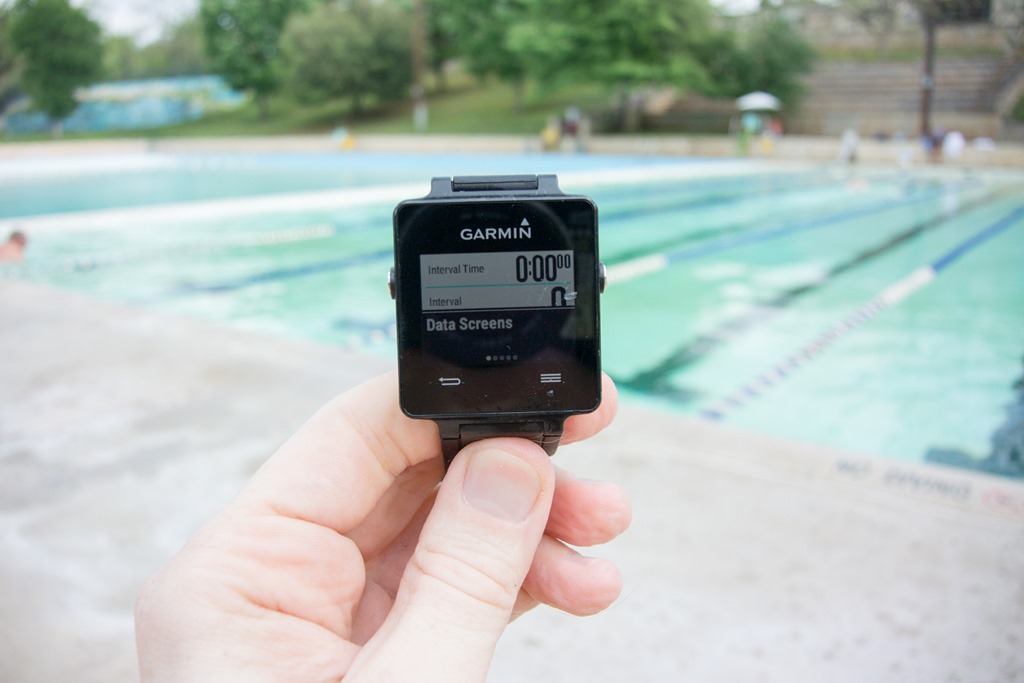
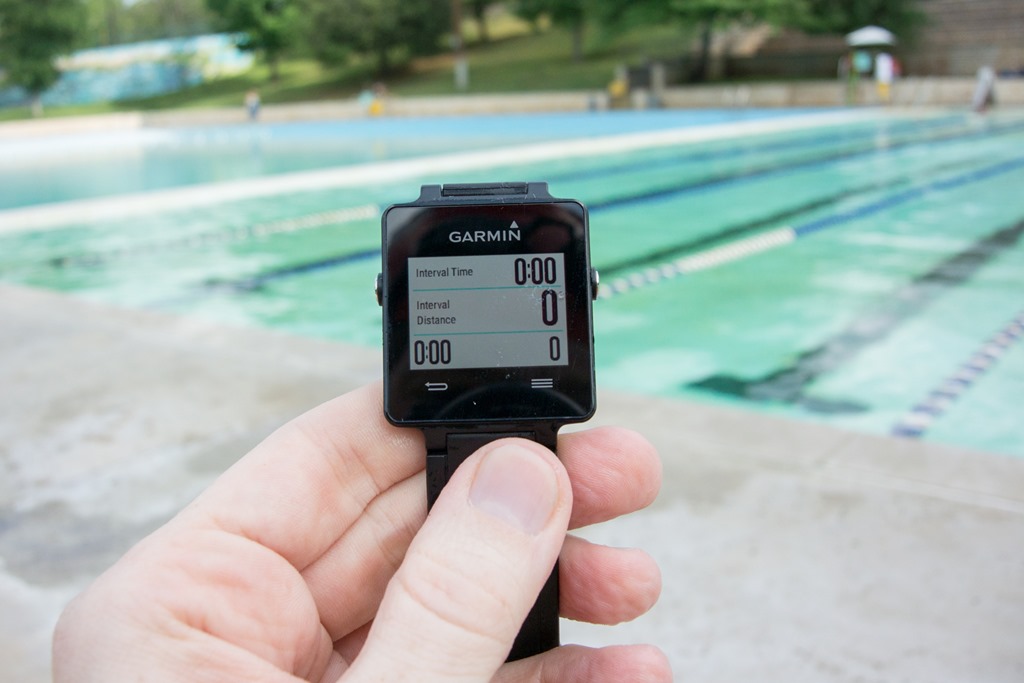
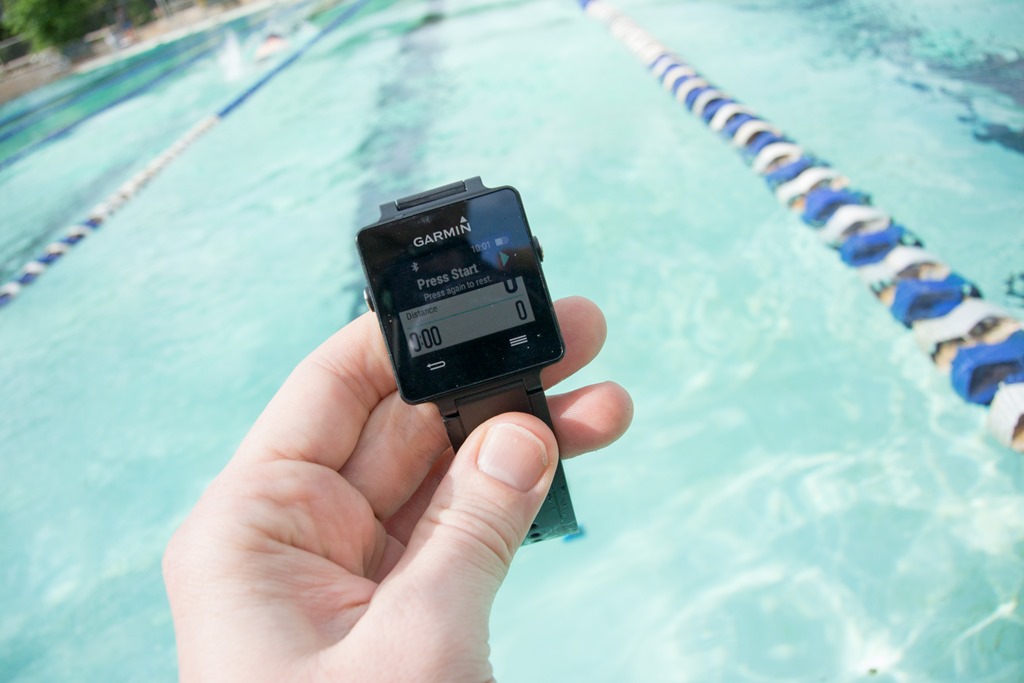
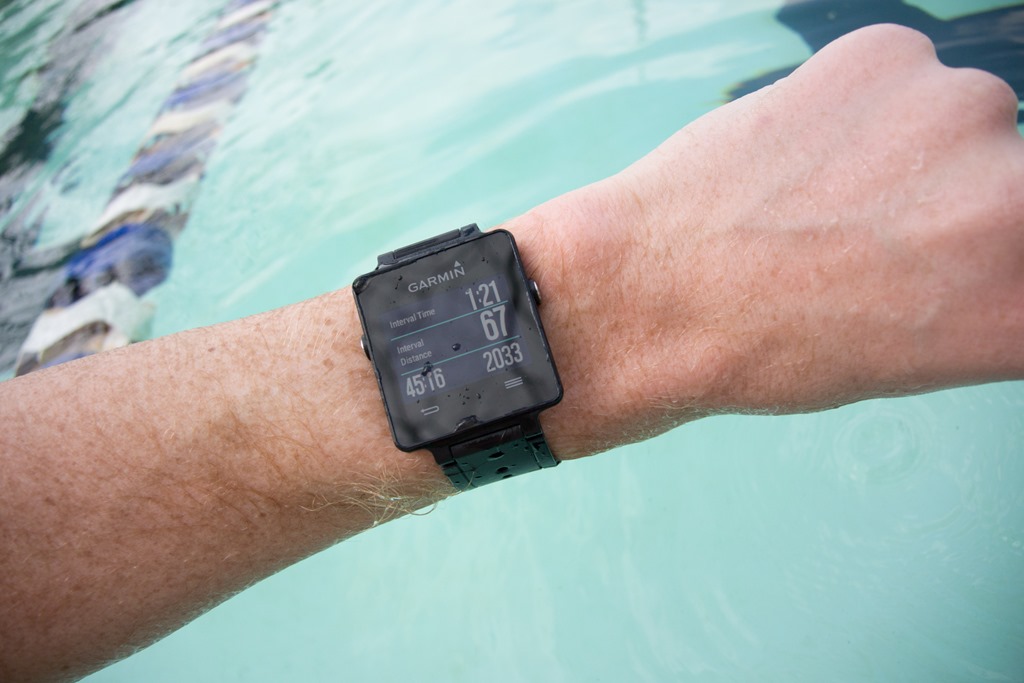
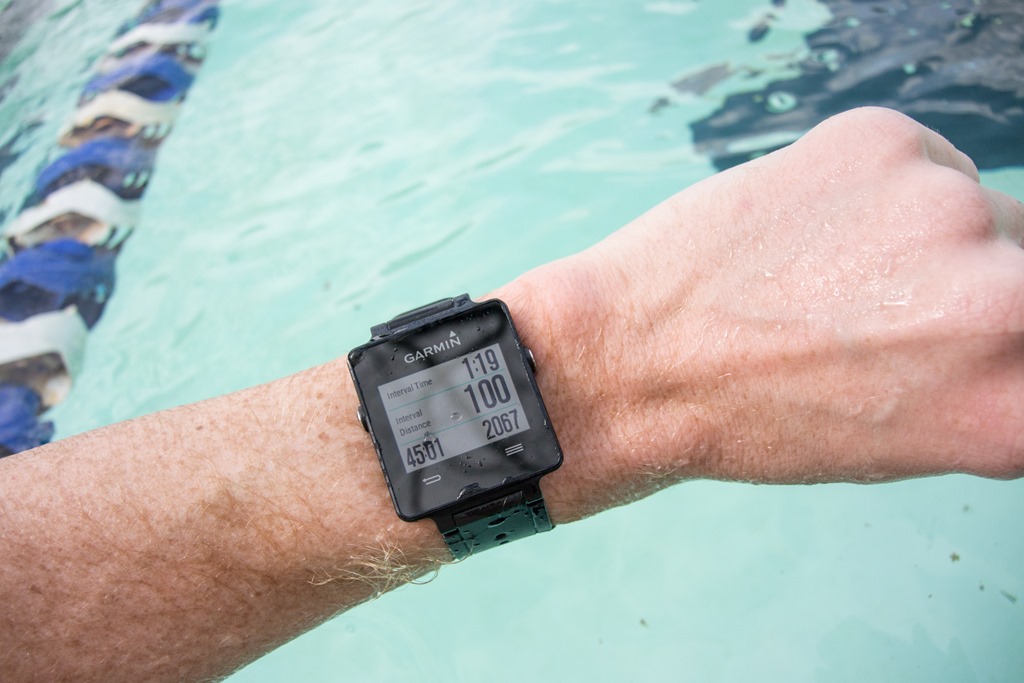

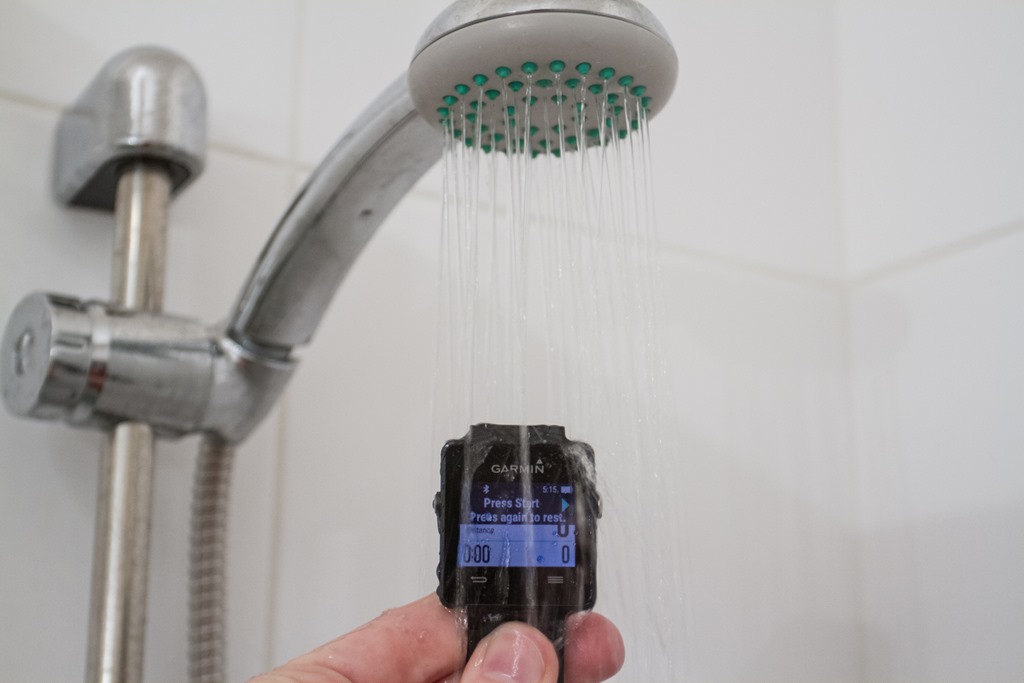
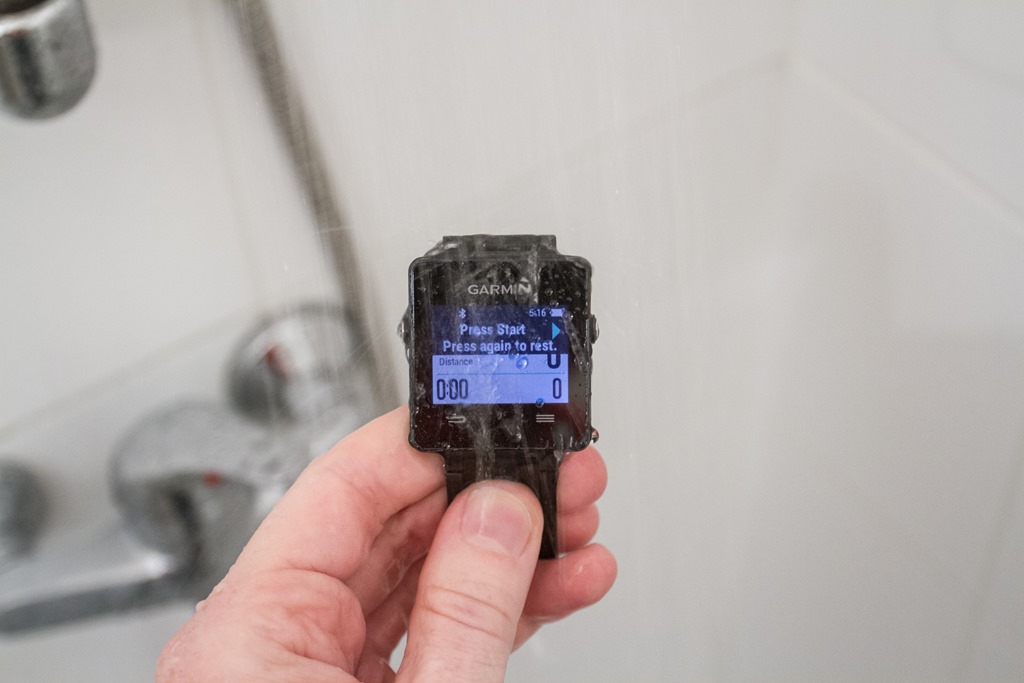
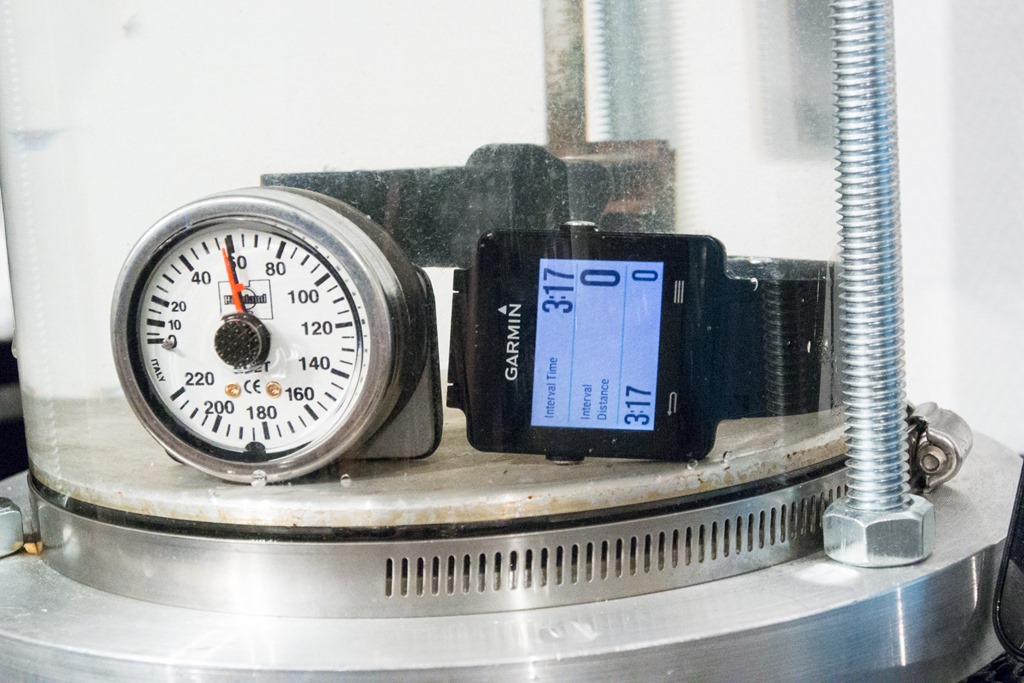

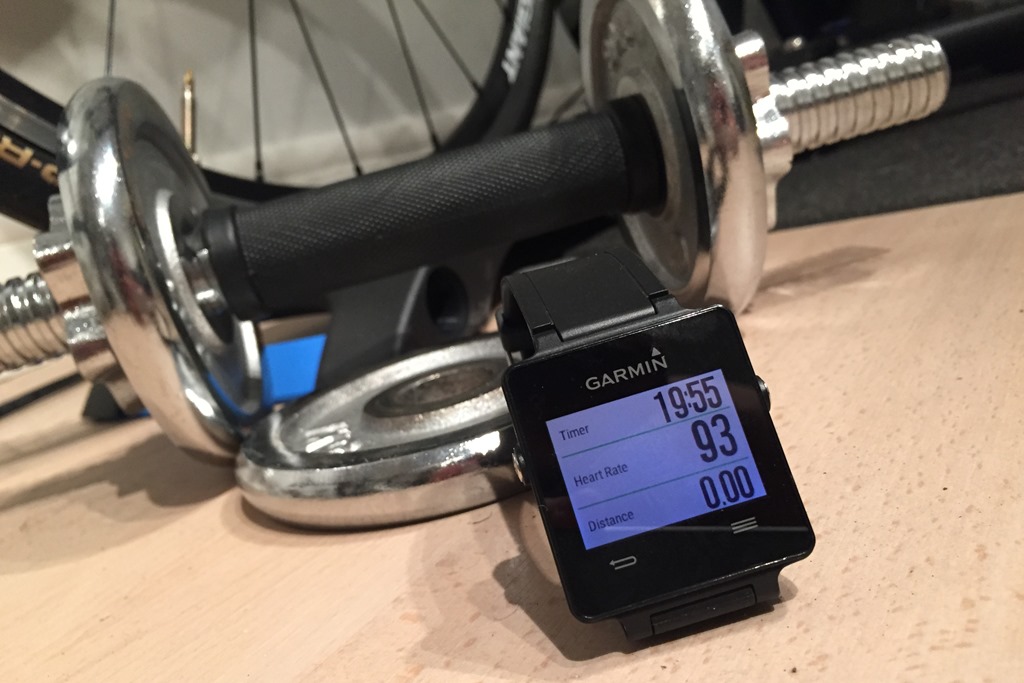
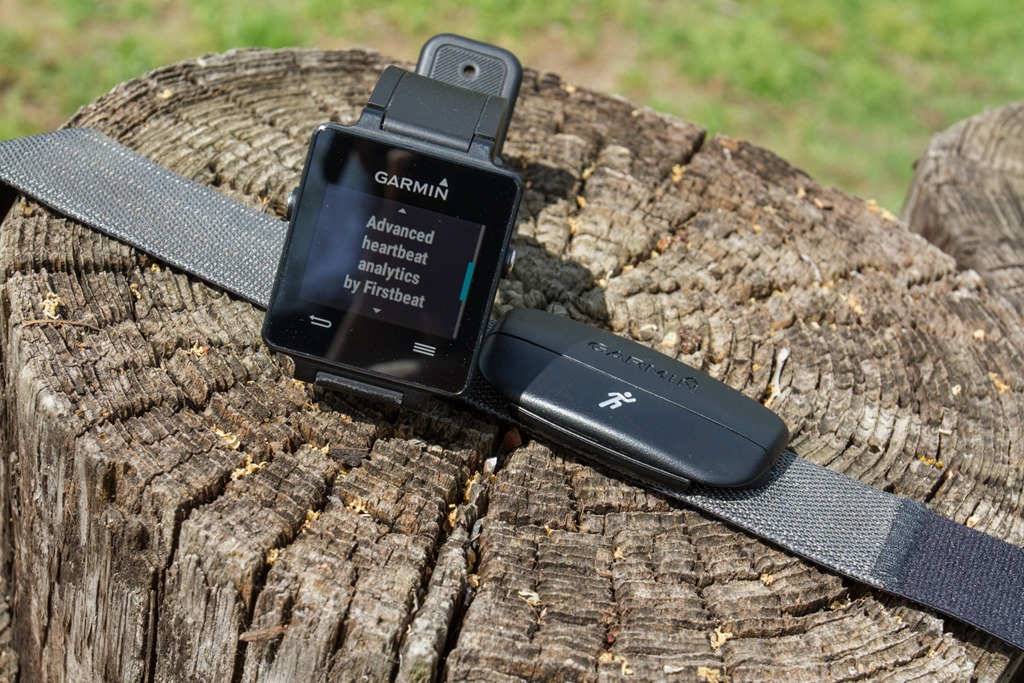


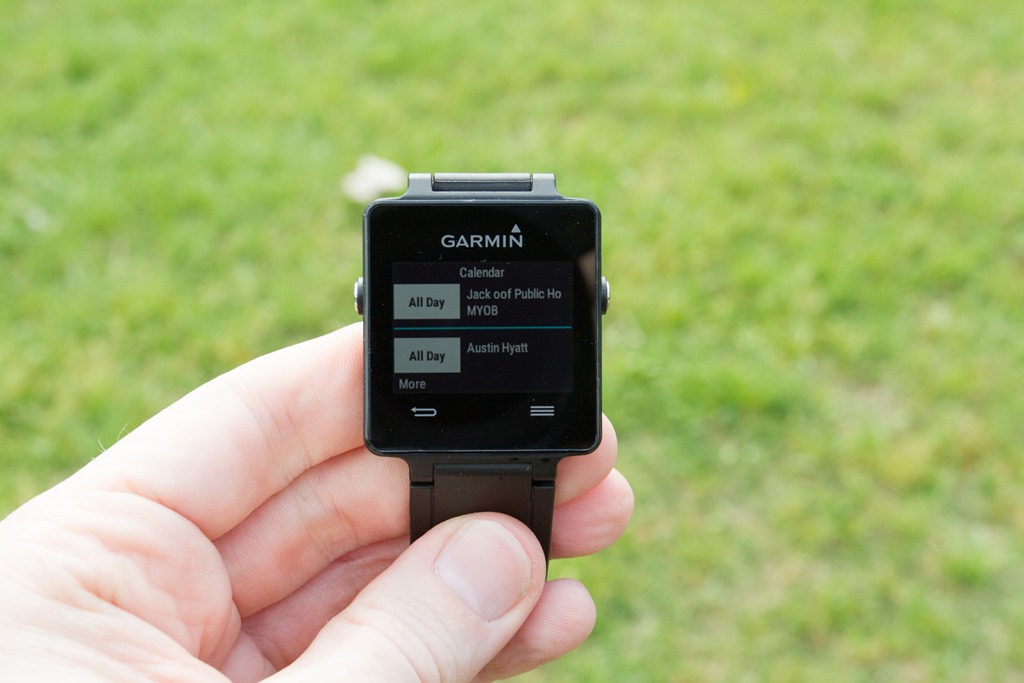

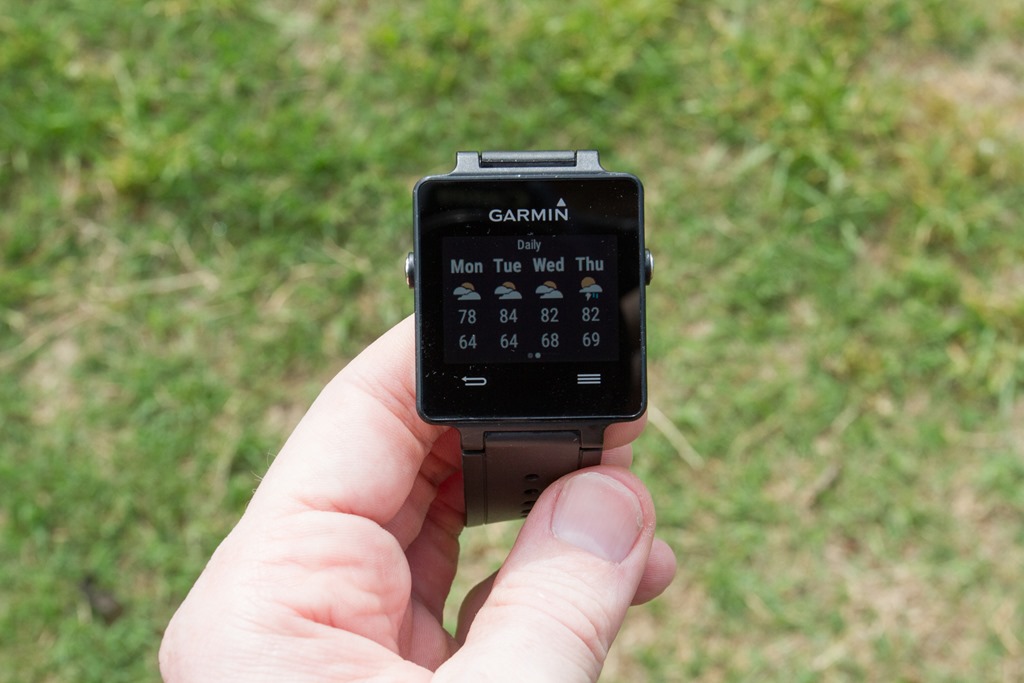
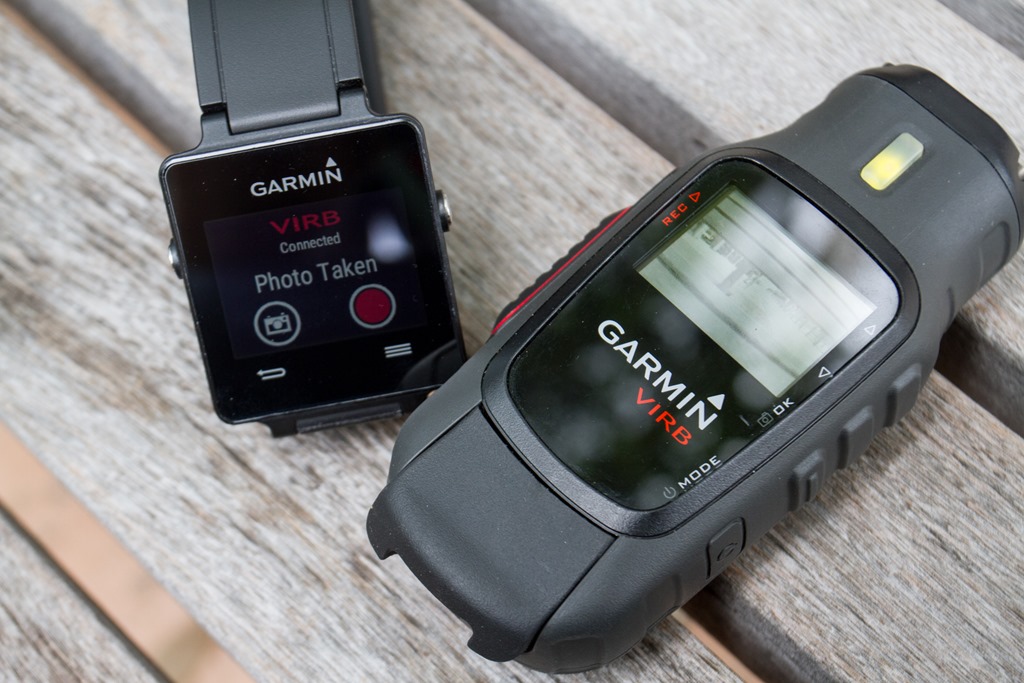
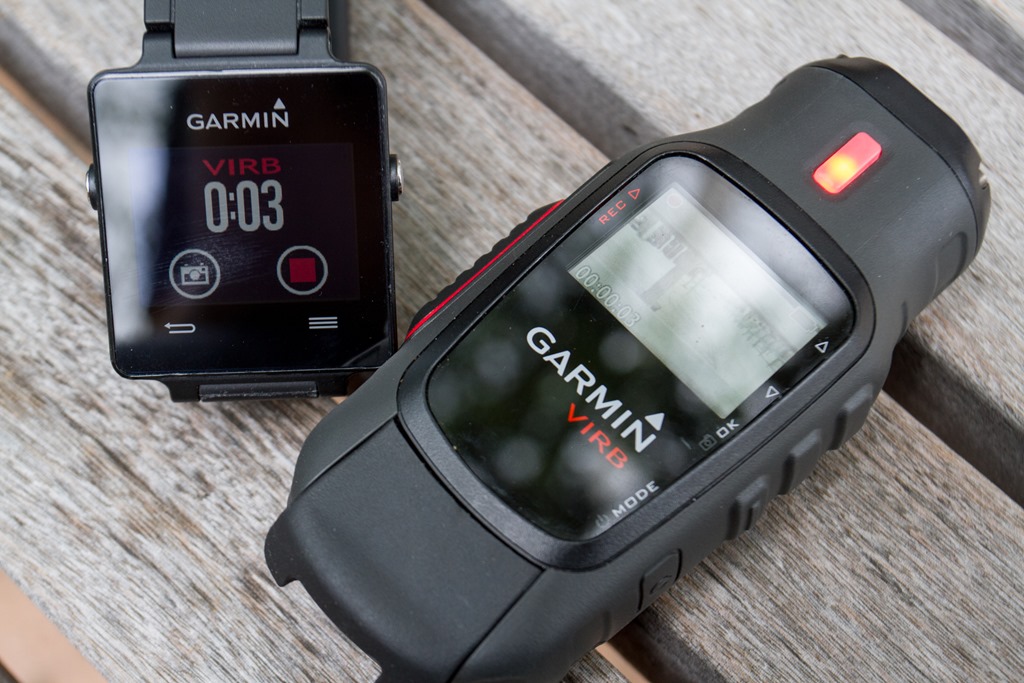
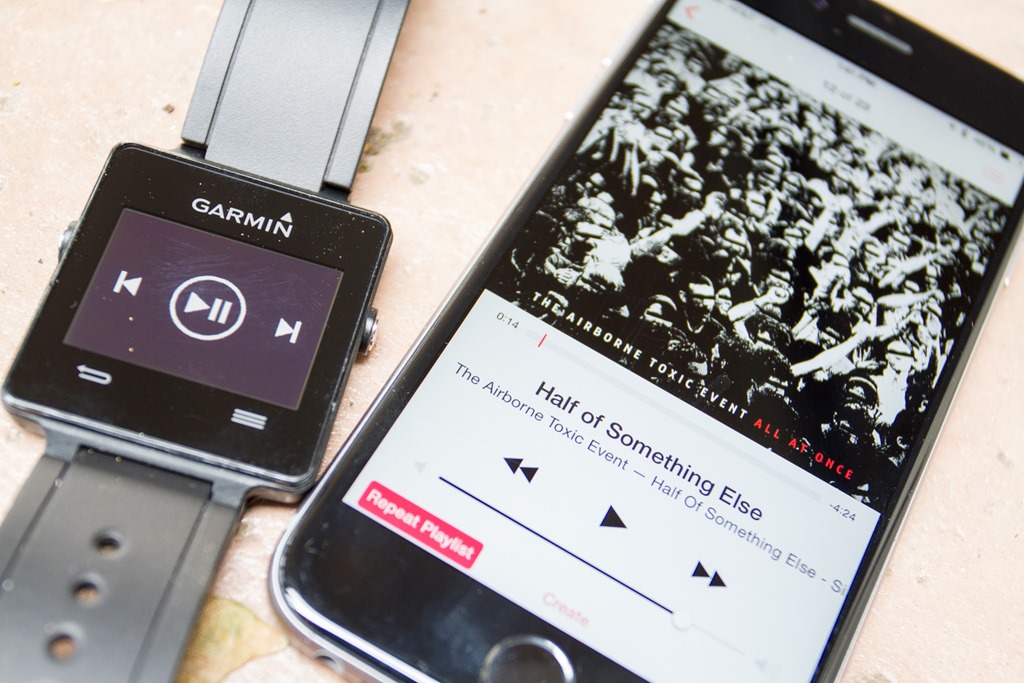

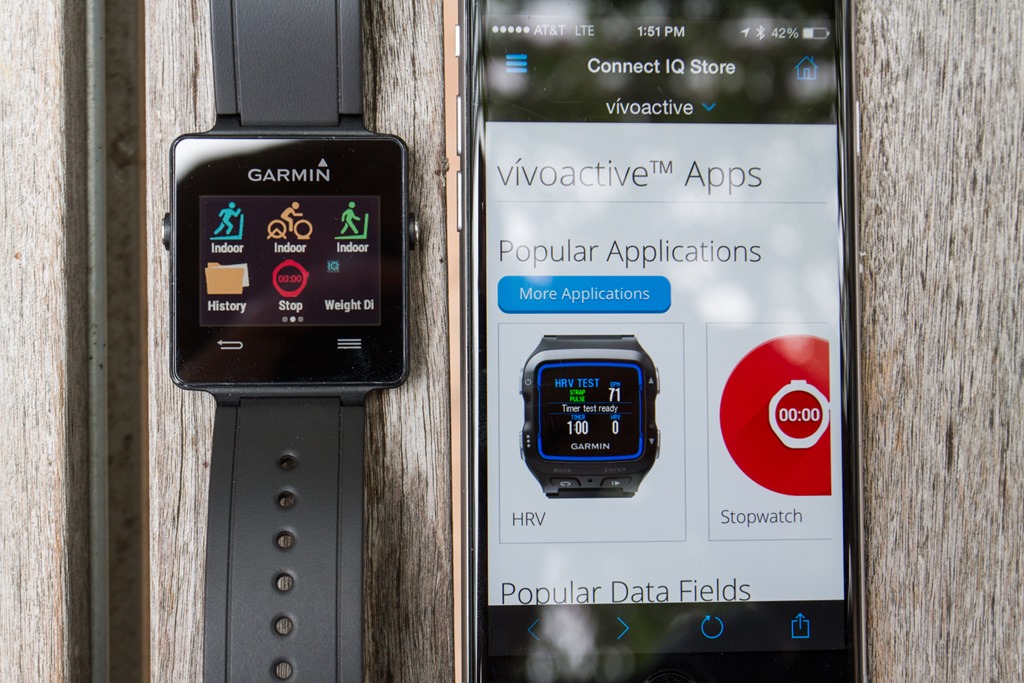


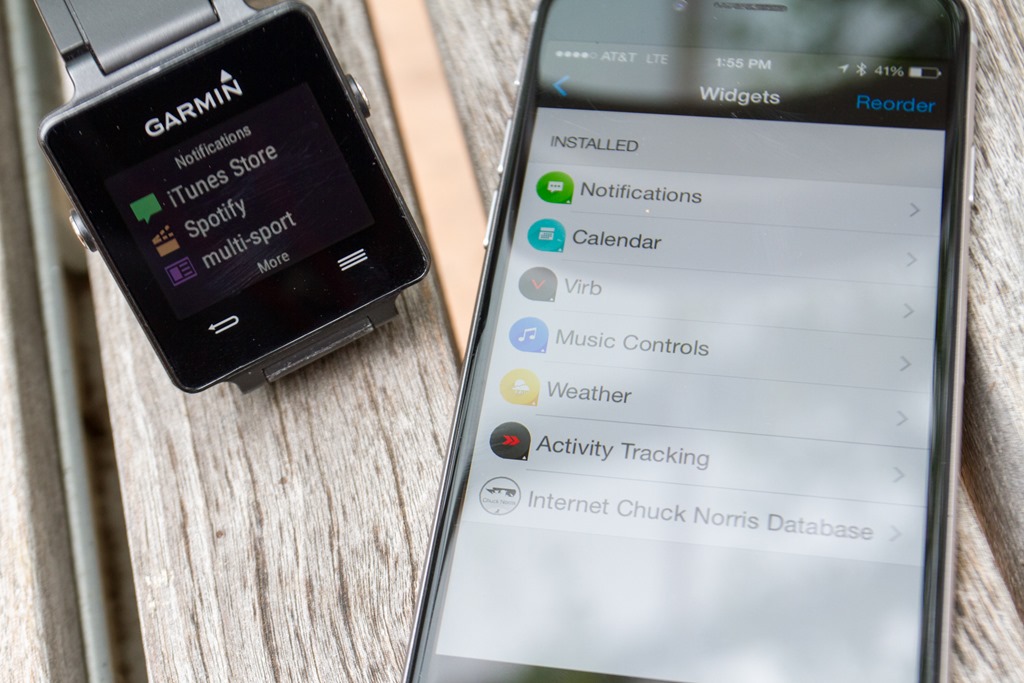
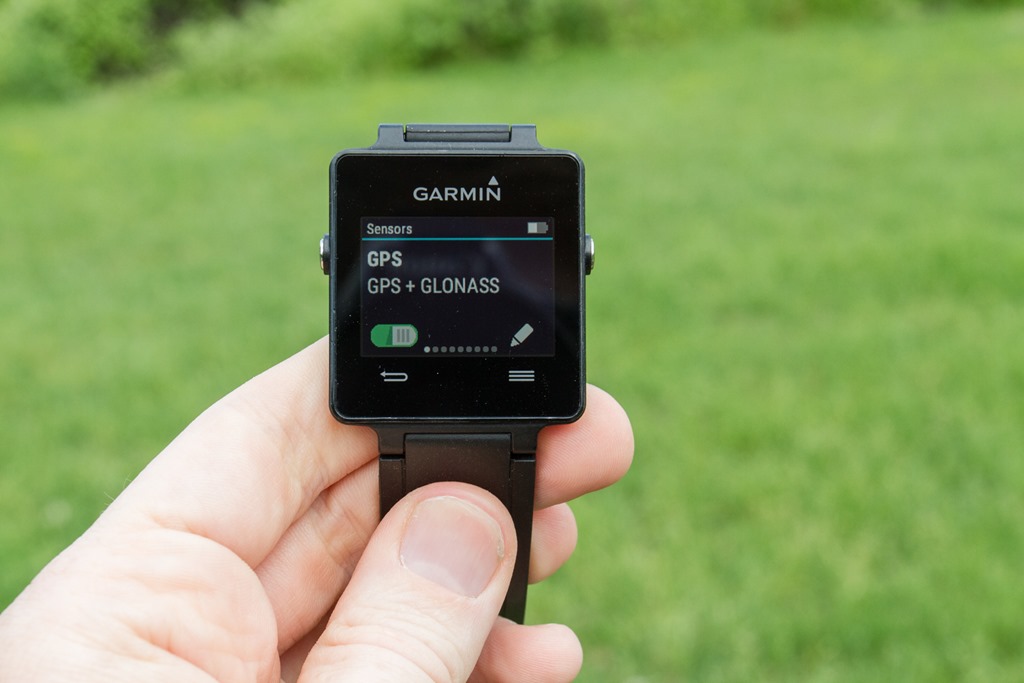

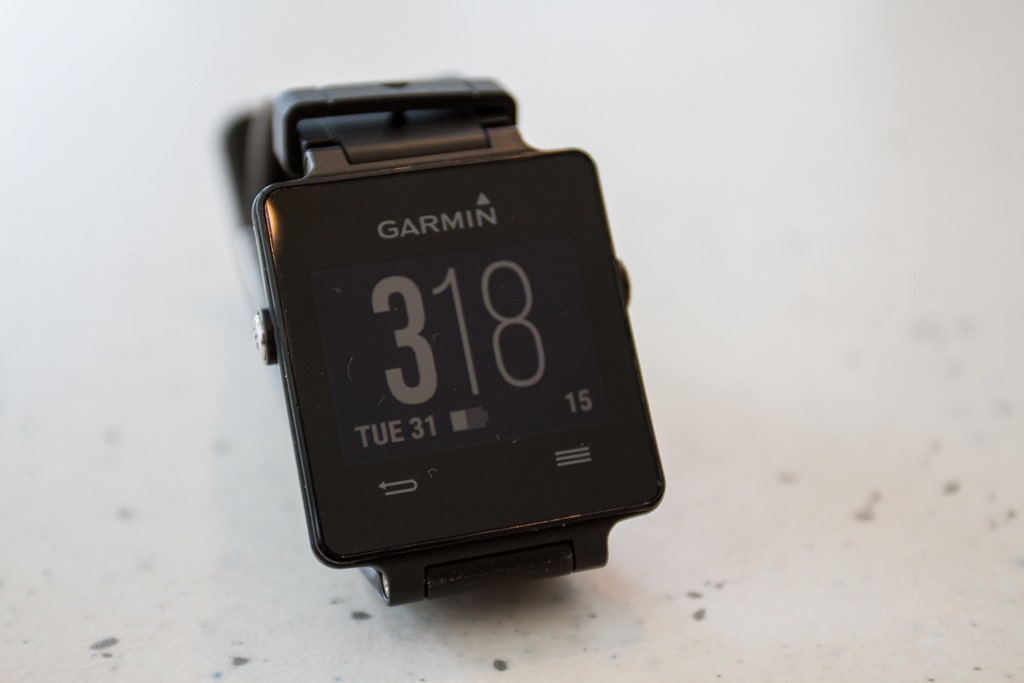

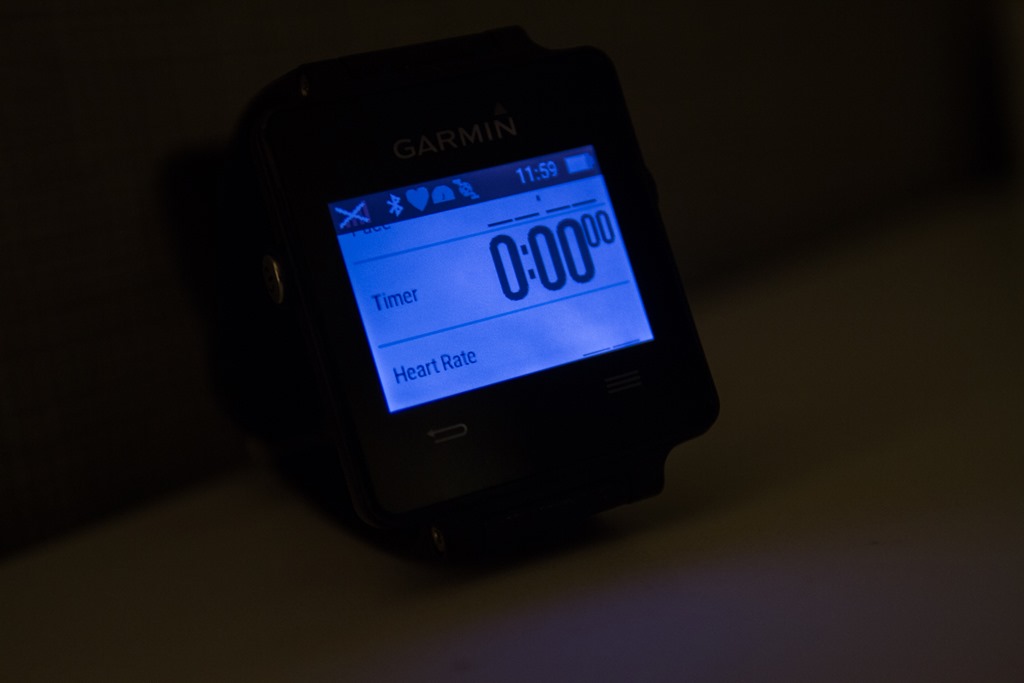
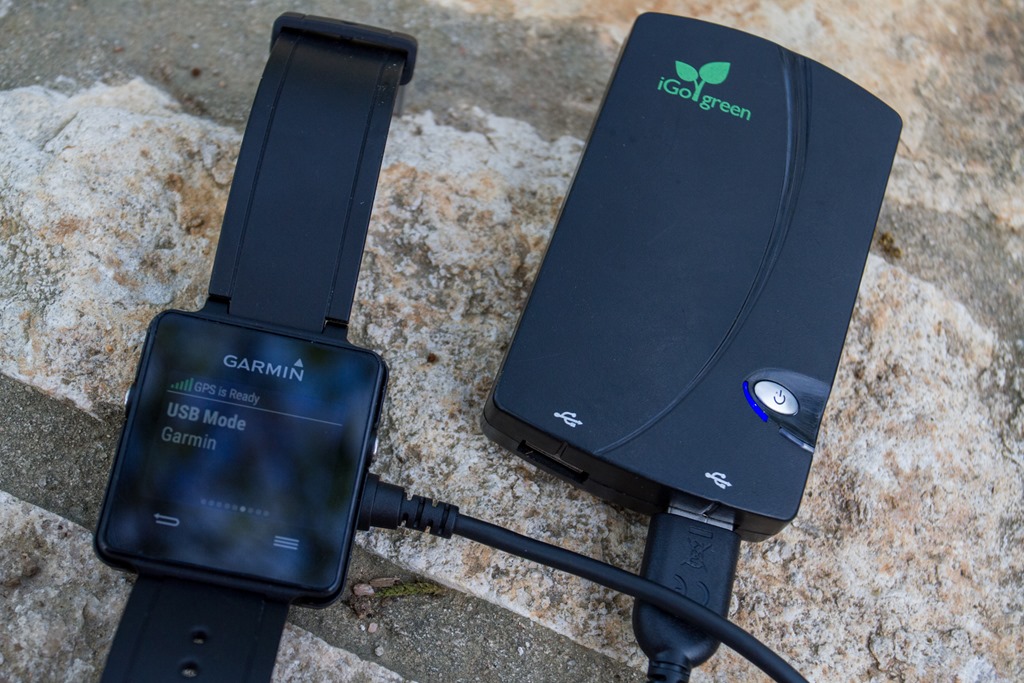
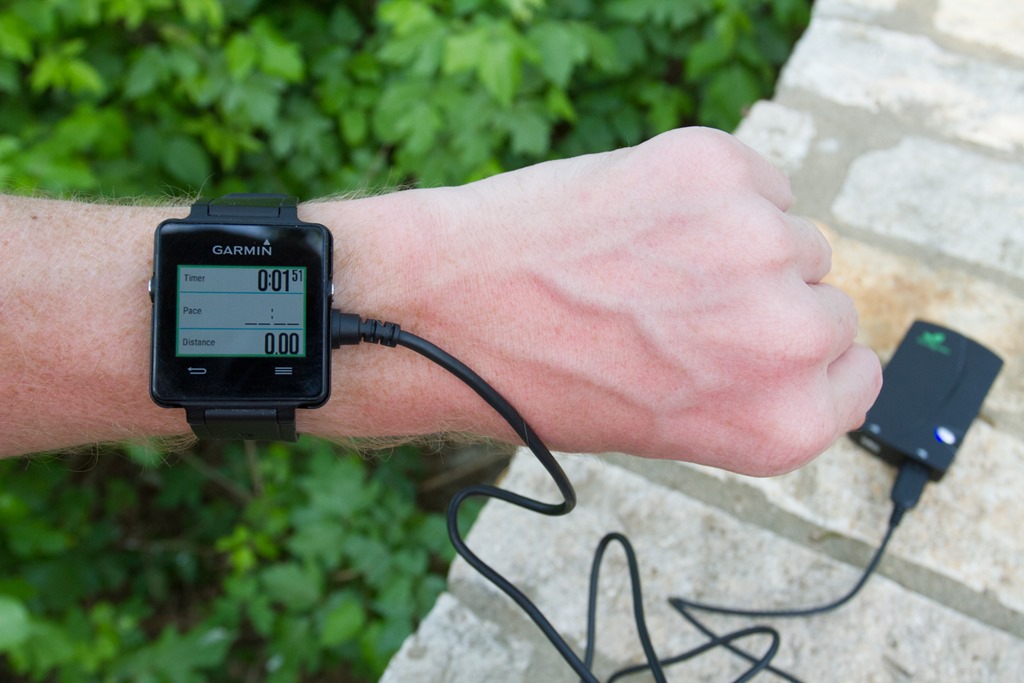

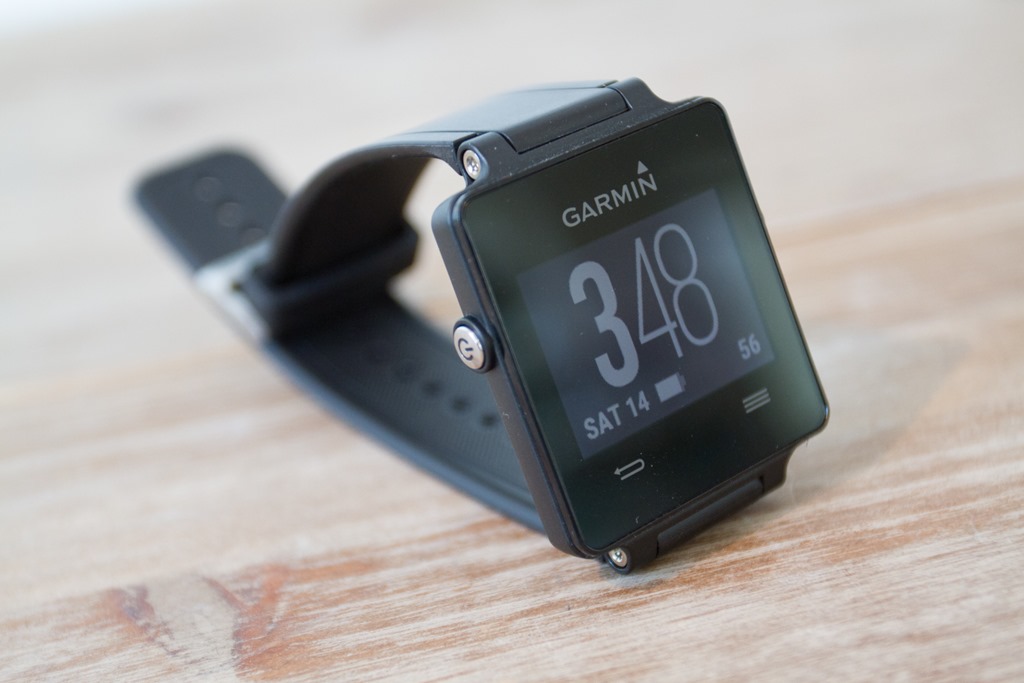
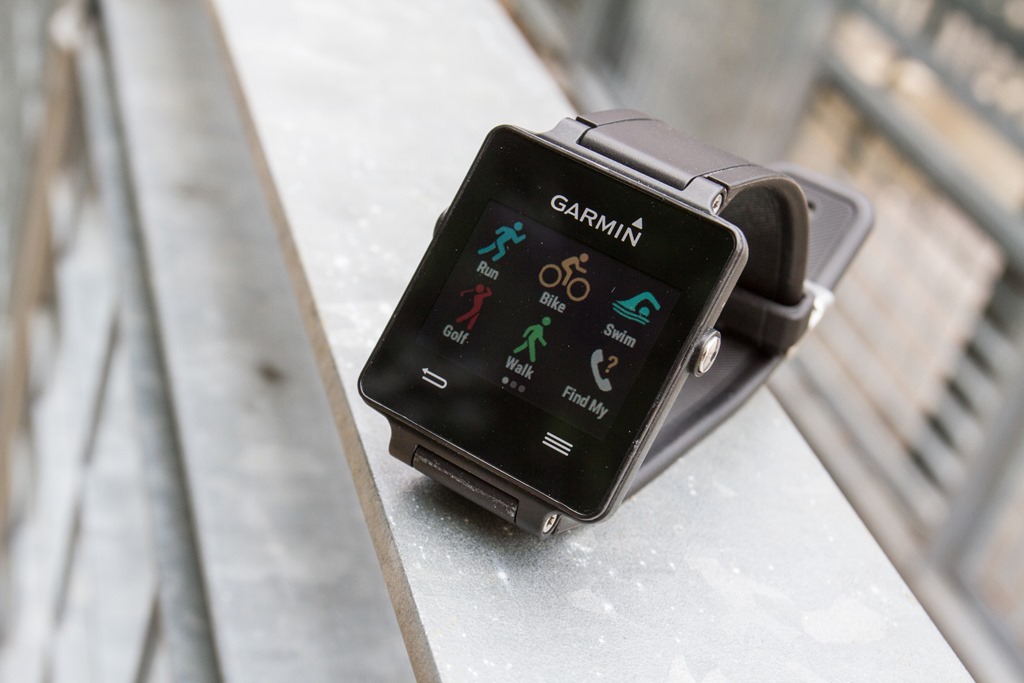
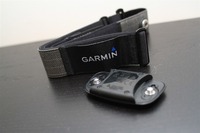
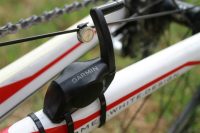
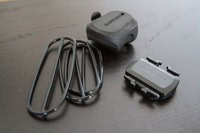
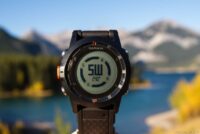
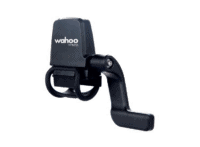
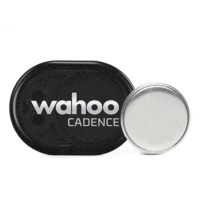
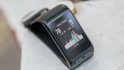
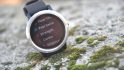







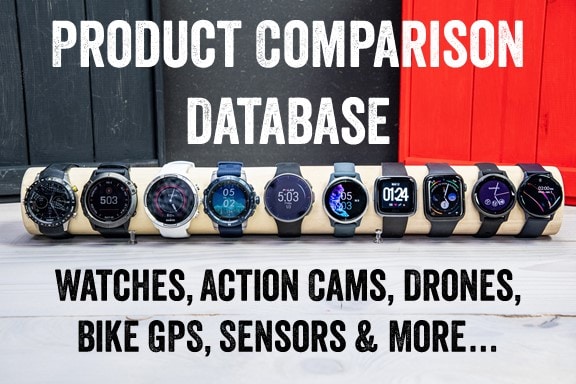



Finally, I’ve been waiting to read this one. Thanks for the great review!
BTW, do you think that lack of navigational features can be compensated by future IQ connect developments in this field?
Long time reader, first time commenter – I really like your reviews.
I have been unable to find the specs of what the internal memory is. Do you know by chance? If it does not have additional space, how will new apps be loaded?
Great review, and first time poster. but left me even more confused now with which device to purchase. I’ve been looking at the polar v800 and m400 to help me with my triathlon training. Read reviews on both and now this garmin but confused.. Any help would be appreciated.
Thanks
“The biggest recommendation I would make though is that I wouldn’t buy either of the FR220 or FR620 these days. ”
I have a FR220 – apart from ConnectIQ and the likes, would you rather run with the 220 or with the Vivoactive?
I´m a bit unsure, if I should spend the money or not ;) all the other stuff sounds great, but at least the running portion has at least to be as good as on the FR220 (which I actually like very much with the “real” buttons” instead of touch…)
To be honest I’d never pick up the FR220 now. The Polar M400 offers much more (everything except vibration alerts) for less money. Alternatively this vivoactive seems good for the future only missing custom workouts and bringing a ton of features (even more than the M400). How good the Vivoactive really is will be proven in the upcoming months, I expect Garmin will need time to work out the bugs as with most releases. Since it comes with Glonass ultimately it could be better than both the M400 and the FR220 that lack Glonass.
So it comes down to what you prefer yourself. You already have the unit (FR220) so are you willing to spend money?
Thanks for a great review, Ray. I have been looking forward to it as my FR 305 is getting wonky and won’t sync until I do a soft reset, and I have lost my patience with the really bad chargé/sync clip for my FR 110.
Based on your review I’ll try the Vivoactive. If I get a power meter I might just buy a Garmin Edge.
Can you set up running intervals through Garmin Connect and send them to the watch?
I see from reading your summary it does support running intervals, which imo really limits it from a running watch perspective
Yeah, that’s precisely why I bought and returned mine. It’s really a great little device, but the lack of any interval support makes it severely limited for runners.
I’m having a bad day! Above should read “does not support running intervals”
Sorry
Thanks Ray for the in-depth review.
Been waiting for this review before deciding which watch to buy. I am interested in the 920xt (being a all-in-one watch) but the watch is too big for my wrist (my wrist size is similar to the Girl). Polar v800 is out of my budget and doesn’t even track swimming like Garmin watch.
Wanted to get the polar M400 + Garmin Swim but have been reading reviews of bad GPS accuracy if running in the city. I live in the city and thus most of my runs are in the city.
So a few quick questions on Vivoactive:
1) is the touch screen sensitive enough? I tried playing around the watch at a sport store and had to tap many times before being able to bring up the settings (the 3 lines) and can’t seem to get the lap button working. Did you face any problems?
2) I saw that you did 2 city runs- how is the gps accuracy? did you run between tall buildings? the buildings in my area are generally more than 10 stories high or sky scrapers.
3) For the swim function- I assume it tracks laps automatically. Does it record rest intervals? or it only stops the clock when resting at the wall?
Thanks in advance and good work on the review.
nana, just for info:
here in Germany Amazon seems to be the best bet right now for getting the Vivoactive at 242 Euro (directly from Amazon, no thirdparty)
and the V800 is listed directly at Amazon for 265 Euro
so not too much difference.
Both without HR strap, didn´t check as I have a ton lying around
Harald,
Thanks for the info.
I live in Melbourne, Australia. V800 in the shops here costs around $729 with heart rate strap and vivoactive around $379 with heart rate strap. Bigger price difference at this part of the world :(
Nana – you have to enable the lap button in settings, otherwise it is non-functional. Rays covers this in the review. Once it’s enabled it works just fine.
1) I don’t find any real issues with the touch screen, it seems to work fairly well for me.
2) Most of my runs were actually in the city in some manner, I just divided them up differently a bit by where I ran. I ran through many buildings with tight streets. Check out my Strava profile for all my runs.
3) It stops the clock when you tap the lap button at the wall.
I cycled 20 miles today and the temperature was 45 degrees Fahrenheit. I was unable to get the Vivoactive touchscreen to respond to my bare finger taps and swipes. Does this mean that I have to wear touchscreen specific gloves to operate the device in cooler weather?
Thanks Ray for the full hands on . Been waiting for this.
Thanks Ray.
I gifted one to my wife for her birthday this morning and she’s impressed so far.
I was a little surprised that (unlike my Polar M400) changing the data field options can only be undertaken on the device itself (unless I’m missing something in Garmin Connect)?
Cracking review, as always – thank you.. been waiting (like many) with eager anticipation for this one…
Does anyone know if:
a) there’s any way of measuring/tracking your resting HR with this (obv with a paired HRM) CIQ app etc?
b) is there anyway to import your pas history from a Jawbone device into Garmin connect?
Thanks in advance :)
Nick
Resting HR – There’s an app for that :)
Or more accurately, there’s a data field for that. Here: link to apps.garmin.com
Works OK with my Mio Link HRM
yeah – had seen that.. is that the only option at the moment? I’m a data geek and was hoping to be able to save the data as well (kind like the FB Surge, but it a “actually working properly” way ;) )
Does this work alongside “normal day to day” use? eg – sleep and step tracking?
I was following up on Nick’s comment. Is there a way (an app) to record and utilize heart rate data and incorporate it into calories burned?
Hi Ray
Great review, as always. First, the correction
“I’m getting 3-5 days on a charge roughly with occasional Bluetooth Smart notifications for things like text messages, along with usually every other day an our of GPS activity (and the day in between being a trainer/treadmill session without GPS)”
You are missing an “h” in that our ;-).
Secondly, about the ANT+ dropout. That happened to me the other day with the Fenix 3, but it was in the middle of a workout. Suddenly I just saw that I had no FC (and I was not dead at that time). First I thought it had to do with the HRM strap and did many things with it. It didn’t get back until I rebooted the watch.
Just for clarification. Did you have any other ANT+ sensor around while you had this problem? I had a Mio Link connected to a M400 for the same test, and my thought was that somehow that could have been the problem, trying to connect to the Fenix 3 (although I select the HRM-Run right at the start of the activity, when the watch sees both sensors).
I have repeated again with two sensors, but could not reproduce the bug. So I just don’t really know if the bug turns out to be just that, a simple bug, or there are some conflicts when there are two devices that could try to use the same channel.
Eduardo
Thank you Ray for another excellent review!
The swim laps miscount is a deal-breaker for me. This is why I passed on the TomTom Multisport. Until Garmin confirm this has been fixed I will be staying on the fence.
10 minute beer alerts – I’ll drink to that!
My sample size of pool time is small like DC’s, with around 30,000 yards of total swimming with the watch (25y pool). But I haven’t expereinced a single missed lap. Then again, owning a Fenix2 and swimming 2-3 times a week for a year it’s only missed a single lap, maybe my stroke is more predictable.
Thanks for the input Mike. That’s ~1,200 laps you’re talking about so pretty decent sample size. Stroke style has significant impact on stroke count however lap count depends more on your acceleration off the wall. Ray has written quite a bit about it so I’m sure he minds this when he swims. In any case it’s good to know it works well for you. I’ll be looking out for more feedback on this before taking the plunge.
Thanks for the opinion, Mike. The swimming inaccuracy Ray mentioned holds me from buyn the device, how’s the experience of the rest of you? How about a possible fix by software update?
One thing I am interested in is the treadmill tracking accuracy – can you share your experience considering this point with me?
regards from germany,
Matthias
I’d like to confirm that. Water tracking sucks, at least for me, non-pro, who is alternating styles.
Great great review. Thank you for such consistently useful product evaluations.
I’m a runner over 45 years old and use reading glasses. It’s been a nagging annoyance for me to get alerts that I can’t read while on the run. What has worked for me in the past is polar’s RCX-5 which can switch to a large display.
I’m using Suunto’s Ambit3 now but the upper and lower numbers on the display are too small for me to read especially when the light is already dim or when on the move.
Would Gramin’s fenix3 or the vivoactive be helpful for older runners like me?
Thanks!
Luis – I’m in the same boat as you. In general, the Vivoactive numbers are big enough for me to read, but Garmin could help all of us with less than perfect vision by allowing fewer than three data fields per screen (which would make the numbers bigger). I’ve submitted this suggestion to Garmin and hope they will listen.
Even with three fields, there is lots of room for making the numbers bigger. The whole left half of the screen is unused.
It should use the left half of the screen to show pace (full height), and then put the other two fields on the right side of the screen. We don’t need the labels “pace”, “HR”, etc.
The size of the “Garmin” logo is obnoxious given how small the data fields are.
Luis…I’m 61 and can read the 920xt fine in all lights; a bit easier than the Fenix 3
Great suggestions! Maxing out the display should be a no brainier for Garmin. Hopefully they watch this space. It would so much sense to use the left hand side of the screen, which is mostly empty, why not allow two lines of data to be displayed, or to have a zoom mode (like on polar watches). How can anyone read the three line display when cycling, apart from the eagle eyed under thirties?
Ray, please could you ask Garmin to think about allowing for larger text, as per the 920xt, which has the same sized display.
Thanks, Ray… great, detailed review as always.
One question for you. Your review and spec chart indicate that the vivoactive has beep/sound/tone capability and I don’t believe it does.
In the activity tracker section you say:
“You’ll also notice the inactivity bar. That little red arrowed line will grow the more you do nothing. At the top of the hour of doing nothing, it’ll chirp/vibrate at you to visually illustrate your apparent laziness. It does this to me all the way across the Atlantic ocean on flights too.”
and in the feature comparison chart you indicate “VIBRATE/SOUND/VISUAL” under the “Alerts” heading.
I don’t think this is correct. I’ve had the watch for nearly 3 weeks and the only (minor) disappointment I have is that I can find no audible beep available anywhere for alerts during workouts – only visual/vibration – and the vibration is short in duration and not very powerful so it is fairly easy to miss it.
Not a deal-killer for me at all, but I would like the extra option of audible alerts.
Am I missing something in settings of the general or run activities to allow audible alerts?
Good catch, you’re right. The vibrate engine makes such a semi-loud sound that it’s not really a beep but an audible buzz. Tweaked.
I was just going to make the exact same comment. If audible alerts are there I haven’t found them either. With the current software (version 2.6) the distance alert vibrations are really weak and easy to miss. Having an audible alert in addition to the vibration would be nice, but I’m with you in that it’s not really a deal breaker. I actually expect Garmin to change the alert vibration strength/duration in the next update as it seems to be a common complaint.
I agree on the need for a chirp or beep. The vibrate is very easy to miss during run/walk intervals or auto lap running or biking.
Regarding the audible alert…would a future update allow for an audible alert? Does the Vivoactive have the capability to do that?
Hi Ray,
In your comparison table you state the for “DI2 SHIFTING INTEGRATION”, the 920XT is “COMING IN UPDATE”.
This should be corrected to YES, as SW version 3.20 lists among the improvements “Added support for Shimano Di2 shifters”
Cheers,
Rodrigo
Thanks, updated the database!
Hello Ray:
Wonderful review, as usual. Thank you.
I see that you are truly confident with the capabilities of connectIQ. But the apps and widgets so far are pretty basic. In other words:
If I buy a FR620, I have, among others, Virtual Partner and Running Dynamics (and 4 data fiels in one screen). Do you think that connectIQ has the capability to replicate those functions on Vivoactive? And we must not forget Vitrual Racer, removed from FR620 and Fénix 2 but introduced again with Fénix 3 and FR920XT (this last particular function is the one that perhaps will make me decide to buy Fénix 3).
If the answer is YES, then if I were Garmin I would be very worried about the sales of their high end watches: a 200$ cheaper device could replicate almost all the functions of the more expensive ones. I do not think that Garmin will let that.
Hello there,
Just two words about the vivoactive.
DC’s review is great as usual but I would like to add some bits.
As running/sport watch is great (also if I don’t like the LAP button on the touchscreen)
As activity tracker not so much. Steps are not accurate (I usually use a scooter, and in 23 minutes of scooter, the Vivoactive recorded 345 steps, while the 15$ MiBand just 29), and the sleep tracking is really unuseful.
Let’s say that I go to bed as 23.30, I read a book for 30 minutes. At 3 in the morning I wake up, I go to the bathroom and I am back in bed after 5 minutes. Then I woke up at 8. For the Vivoactive this results in a 8 h and 30 minutes of sleep (from 23.30 to 8), with a movement peak at 3. For the MiBand (always 15$) it results in a 30 minutes of “in bed”, 7 hours and 55 minutes of sleep (light or deep, it depends) and 5 minutes of “awake”. Quite a difference (and the Vivoactive is not so confortable for sleeping with).
But the biggest deal of this watch is the screen. I think it is really really awful. Touchscreen is not responsive (but you get used to it), but the resolution is like electronic devices of 5 years ago (and the 3rd part whatcfaces are even worst).
If you swim, or play golf, nothing better than the VivoActive, if you run and want an activity tracker, maybe Forerunner15 is better (half the price). If you run and want an accurate activity tracker maybe Forerunner15 + Fitbit Charge is the best option, if you run and want an activity tracker and a smartwatch, but you don’t want a watch at your wrist also when you sleep, maybe the Forerunner15+Vivosmart band is the best choice.
Hope to help.
I agree with those that commented on the quality of the screen. I just sent my Vivoactive back. The screen is horrible and nearly impossible to see except in bright light.
I’ve been running with a 920 for just over two weeks and am very pleased at its accuracy, only gliche is email notifications not working. I would strongly consider a vivoactive if the below are possible: introduction of 1 second recording (most importantly), and ability to have multiple devices sync so step and activity count are known across your garmin account versus wanting to switch watches during the day and having your steps start over. As a daily watch and running watch, your last recommendation/various comments thru threads was 620, then possibly 920, then possibly F3, so after your use with the vivoactive how would you rank these awesome tools as YOUR preference for solely running with the potential to add more sports and daily wearing around town?
Do you foresee Garmin creating a replacement for the 620 any time soon? Like you said, it seems like the vivoactive renders the 220/620 useless and overpriced. Just seems like Garmin doesn’t even really need to make a high end running-only watch anymore as the vivoactive encapsulates all of its features.
If there’s any chance to see a replacement of the FR620 would be of my interest as well!
I’m totally not into that activity tracker and smartwatch stuff, basically i just want a device to track my activities on the bike and while running. Currently i own a FR610 and it’s absolutely sufficient for me, but the device is now near five years old and becomes unreliable at some times.
I’ve had my VA for a couple of weeks now having had a VF and VS before. So far I am very impressed. I have had no issues, certainly not the poor battery life reported on the Garmin forums, except that last night when trying to pair with the GCS-10 on my bike, it just would not pair. Didn’t think about rebooting the VA, will try that tonight and see if that does it.
Thanks Ray, great stuff as always.
Yeah, that sounds pretty much spot-on with the ANT+ stack not enabling bug that I saw as well. Reboot fixed it.
Cheers.
Yup a reboot fixed it – paired almost instantaneously.
Hi Ray,
great review as usual…
just one comment on the swimming metrics: there’s another item missing from the Vivoactive that’s on the other Garmin swimming watches: stroke identification (freestyle/breaststroke etc).
Augh, really? Well, that’s a dealbreaker. :/
Wow Garmin just seem to have some dice that they roll for included and excluded features. As a 920XT owner who bought before the Fenix 3 and Epix was announced this feels like another kick in the teeth with the inclusion of Tempe support. Having been sold on the 920XT and the top of the line watch which would be a platform that could later be extended, we’ve now seen more expensive watches which include things the 920XT should have had, and now we’re seeing cheaper watches with those same features.
Out of interest Ray, and I know I’m not the only one here, do Garmin realise they’re doing this to their customers by trying to create differentiation in the product line? It’s not the 90s any more, all of their customers (and I’m sure bloggers…) know which are software features left out on purpose to drive a wider “range”. I’m happy to accept that I’ll never have maps or touch screen, these are hardware issues with memory and sensors, but the Tempe support is a conscious decision they made for no good reason as far as I can tell. They clearly have the code to implement it so it’s a zero cost option to make customers happy.
Sadly, Garmin are the only choice at the high end right now, but they still ought to try and foster some love for when Suunto or Polar catch up. The data platforms no longer keep us locked in, and they can’t keep adding new features forever, so the next purchase may well be made on reputation.
Coming from a background in software delivery, I’d like to point out that Tempe support in the 920XT is not a “zero cost” option. To implement they would have to take Fenix code, integrate with the 920XT code base, test the feature, add to regression tests for all future version, and accept the risk that this code may break other features.
Now this looks to me like a low cost and low risk option. And I agree that Garmin should do it, as it is a pointless difrenciator, and needless niggle. But not zero cost.
I’m wondering why you would need the tempe on a regular basis. I definitely (obsessively) look at weather predictions before doing an activity so I know how to dress, but once I’m out there I can pretty well tell if it’s hot or not. What am I missing here?
Ray, have you tried the VivoActive on a trail run? Something with moderate tree cover. Where I live, I can easily do “open” street running and trail running. As always, thanks for the great review.
I used the vivoactive in a trail/wooded area where I know a loop is 7.4 miles (measured with a wheel for a race). I had never gotten any higher than 7.35 miles with other units and sometimes more like 7.3. Granted this was one test and the satellite coverage was better than normal since the leaves havent started growing back but I actually got 7.4 miles on the loop. I have found on the roads like Ray that when I am running with my 220 friends we get essentially the same distance and when I run measured miles on a bike path they are within .01/.02
Man, you run fast. If I ever saw pace numbers like that on my watch, it would mean I was falling off a building or something.
It lacks stroke detection.
But you can change stroke, split length, change pool length, merge length with this excellent site: link to swimmingwatchtools.com
I think it’s pretty bold to say that this replaces the FR220 and 620 until we see what kind of apps come out.
I’m also concerned about the reliability of the lap button. If it’s just “pretty good,” then you might as well have a 205, because a functioning lap button is basically the defining characteristic of a sports watch. An extra, programmable physical button would make me feel a lot better about this watch. The occasional touch screen error isn’t a big deal when you’re adjusting settings, but when you’re actually recording a workouts, well, there’s a big difference between a 70 second lap and a 73 second lap. A couple errors in one workout, and you’ll have a hard time remembering what your actual splits were. That said, I hope I’m wrong.
So far my manual lapping use is limited (~100 uses or so for workouts maybe a little more) and I can say I have had 2 times that I missed the split by a second or less with the touchscreen. I would assume that will only go down as time continues as I get more used to hitting the split in that area but as it is it doesnt seem much worse than the physical lap button (though i would say i would have still preferred that). it is not making me want to go back to the 220. i would say my biggest complaint is what some others have mentioned that i miss the auto lap for mile splits a lot because the vibration isnt strong/long enough. wish they had an audible beep like other watches
I’d agree with Scott, I’ just not seeing any real issue with the lap button on the screen in workouts. I use it rather extensively for my interval workouts, and I’m probably in the same range as him – maybe just once or twice missed out of a 100 or so. No more or less than I’d occasionally miss on physical buttons.
And like him, in the grand scheme of things I probably would have preferred a physical button, but it really doesn’t bother me that much.
Thanks for thorough review!
I’ve had my vivoactive for about 3 weeks and am still learning but so far so good.
My comments are:
1. VERY interesting your analysis about Garmin needing to go all in on Connect IQ and future competition from Apple. totally agree they are lucky to have the time and dodged a bullet with iWatch sports version being a dud for anyone who is even a little bit serious about sports tracking.
2. My v’active has been perfect (in about 5 swim activities) for length/stroke/swolf counting.
3. The auto scroll (3 speeds) is so nice for bike/run
4. I am getting good battery life. 1 hr. of gps activity uses about 10% of battery (which is what they advertise). otherwise I see about about 5-10% loss/day with casual Bluetooth on/off use. Not really what they advertise but I can live with that.
5. I have older eyes and yes the watch face is tough to see at times. I use the “Drake” watchface and this makes it a little easier — it also has basic activity bar, date and battery level (the % number is too small and I cannot see without reading glasses but I can still see the meter level).
6. In only 3 weeks, I’ve come to conclusion that smart watch features are mostly gimmicky. However, there are times when it’s nice to see who’s texting or calling (and decide whether to pick up phone or not). Also, since watch does not cache weather/notification data, you need to have phone nearby and Bluetooth on to casually check on these — you might as well just check weather app on phone and better info!
Do you mind giving a few more details about how the VA works with the Garmin footpod in relation to outdoor running? Can it use the footpod for distance like the FR610 and/or for cadence? Or, is it only for indoor treadmill use? Thanks!
Is there no volume control when connected to an iOS device? I have a +/- volume control when using the Vivoactive to control Spotify. IF the BT is working that is.
Correct, none on iOS. Disappointing.
How on earth are these companies utterly failing with such basics like this? That a Pebble controls Spotify, podcasts etc, and a vivoactive doesn’t is a bit useless.
In practice, it’s not an issue. I usually use a bluetooth headset while listening to music, and the headset has hard buttons, which are much better than screen buttons.
Long awaited review – THANK YOU! And thanks for the confirmation of Scosche workability with the VA – this is thr combo that I’m looking for…
The first 3 bugs that you have spelt out are real show stoppers for me – I might choose to wait and see if Garmin fixes this. Keen to know from you when they really do…
Ray,
Thanks for the write up! I just purchased this to try out. Curious, I own a 1000 edge. Do you think I will get dual information and will have to delete the session from the watch. I will prefer my outdoor cycling to be recorded with the Edge.
You’ll get dual sessions. When I did all my testing with multiple units, it shows dual on GC.
Do you think Garmin is making a mistake by not pairing with bluetooth sensors? It seems this is direction of the sensor and external connectivity market. Can they add it later?
It’s tricky. From a consumer standpoint I’d wish they support them. But from a business standpoint it makes sense that they don’t given they own ANT+ (a competitor to BLE). If they supported BLE sensors, it’s instant-death for ANT+.
Thanks so much for this and everyone in-depth review!
You mentioned that the music controls only work the stock iPhone music app. Does it work with the stock podcast app? I find that I’ve been running with podcasts more than music these days.
Unfortunately it does not.
If you have a podcast playing in the stock podcast app and use the widget to pause/play, it will switch music control to the stock music app and resume then pause the current track/playlist in the music app.
Not at all ideal.
Hopefully someone can come up with a widget that might address this.
I also believe that Garmin could address it through a mod to the Connect App on the iPhone, but I don’t know if they will put the effort in or if they hope 3rd party Connect IQ apps will take care of it.
Thanks for the review. Super! Just wondering if you happen to know if (and when) Garmin will actually consider making their devices (the Vivoactive in particular) compatible with Windows phone? Or are we the Windows phone users doomed never to have compatibility except with Fitbit (which I truly appreciate–I have a Charge HR right now).
never ending story. Would love to finally have an official Windows Phone app from Garmin.
Right now using Astro Fitness, which actually does a good job – but no live tracking, no direct communication between device and phone, only a replication of the info on Garmin Connect
Thanks, Harald. I have seen the Astro Fitness app, but I suppose what I’m looking for is more live tracking. It’s all too much to ask, isn’t it? ;( I never knew the wonders of live tracking until I started using the fitbit charge hr, now I am feeling a bit spoilt. If an independent developer could come up with an app that works, I for one would be very happy to pay for it.
Maybe I’m just failing at reading comprehension, but what exactly are we missing out on as Windows Phone owners? There’s a desktop app I can sync to right? Is it just the convenience of mobile data sync? Thanks.
Nothing yet. Though, they did release a Garmin VIRB WP app – so that’s definitely a step in the right direction, and probably a hint of where things are going…
For WP users, you can still do desktop sync just fine. You just won’t get any of the smartphone notifications, nor any connectivity to the smartphone.
I hope Garmin read your blog also. Would be great to have some basic functionality via a WP app to leverage all the mobile features. I also bought my Vivoactive after reading your great blog. Should have paid more attention and then I would have got the 920XT instead. Anyways Vivo looks good as an everday watch. :-)
(Oh, I was also wondering if it would ever be possible for a firmware update on the Vivoactive or via Connect IQ to allow for the calculation of running dynamics?)
No, Running/Cycling Dynamics happens over a private ANT channel that’s not open-ANT+. Thus, highly unlikely we’d see a Connect IQ app.
I own the VA for 2 weeks now. I also own a 620, but currently I could not imagine to replace the 620 with the VA for running, especially workouts:
-VA has now lap button. That´s the most important argument for me.
-No interval workout creation possible with VA.
-Three data fields on three pages (would like to adjust from 2 – 4 fields per page)
Thanks for that.
I own a 620 too and was really curious if anyone would really replace that with a VA. Now that I know there isn’t any way to create workouts, that seals the deal for me. No VA.
I know it’s not the focus of Ray’s site but has anyone tried the golf functionality? I’d never buy a dedicated golf GPS but if the functionality worked well, it would sway me more towards choosing the vivoactive.
I’ve played 8 rounds with it and it works much like an Approach S1/S2 except that it allows you to keep score and upload the round to Garmin Connect for review. You must download your course one time to your smart phone and then when you play the course thereafter it will automatically download the course from your Garmin Connect enabled phone from a course selection screen on the V after GPS is secured. From there it automatically detects which hole you are on and gives fairly accurate pin distances or at least as well as an S1 or G8. It also allows you to switch screens to see how far various layups and doglegs are and a third screen that shows how far you have walked and how many steps on your round. Overall I am really impressed with the Golf App.
Thanks Byron. This might just be the feature to put it over the edge for me. I’ve become reliant on Endomondo because it categorizes and handles my strength and other non-run/bike workouts and gives me calorie estimates when connected to my Mio Link.
Does the vivoactive have any kind of live tracking?
Yes, through the associated phone… just like the FR 220/FR 620 (and I’m guessing the 920xt as well, though I haven’t confirmed that).
The vivoactive does the GPS/tracking and transfers that data to the phone during the run and the connect App running on the phone handles the posting of live track data to the Garmin website.
Thanks! I just realized I missed that in the comparison table!
I know currently the Vivoactive doesn’t read the additional HRM-Run data. Is this a hardware issue or something that someone can unlock through Connect IQ? I currently get the information on my garmin, I don’t know what I really do with it but I’m used to seeing it.
Great review and thanks.
I didn’t love it. Despite its light weight (or maybe because of it), I found it didn’t sit in the same spot on my arm for long, and was spinning around from movement. I’d rather have a more substantial watch that didn’t slide around as much… looking forward to trying on the Fenix 3.
Well… after having the vivoactive for three weeks and my previous watch being a FR 620, I thought I’d add my overall thoughts to the discussion here.
1. Screen… it IS not as bright as I was expecting and took some getting used to. The first couple of days I was unhappy with how dim it appeared indoors, but I honestly have adjusted very well and like the screen now. Outside in sunlight the screen has been awesome from day 1. Now, three weeks in, I am very happy with the screen overall – it is good enough that I am wearing a watch everyday for the first time since I bought my first smartphone. I thought watches were a thing of the past for me, but the activity tracking and even minimal smartphone features have brought back the wristwatch for me.
2. Missing features from the FR620… I am still tinkering with the 3×3 screens/fields for the run app. (I am primarily a runner). I miss the 4 field screen – but I am finding a good combination of data and I do believe Connect IQ will eventually remedy this issue. Though I may miss the structured interval workouts a bit, I’m more of a “less structured” runner… speed workouts, etc. are a rare part of my training – and one that I don’t foresee in the near future (this year or next)… in fact, for me the change between the 620s implementation of run/walk and the vivoactive’s method is a total plus in the vivoactive’s column. For my run/walk interval workouts, the 620 would effectively replace the auto lap at a mile with the run/walk intervals being each recorded as laps – losing my overall mile timing/pace info.
3. Battery – So far, I’m pleased with battery performances overall. As others have noted, the GPS-active battery consumption seems very much in line with Garmin’s 10 hour estimate. While general activity tracking/watch usage is not going to be near their claims, I am seeing 3 – 4 days between charges with 45 – 60 minutes of running each day without a problem. I think, if I let it really run down, that 5 days would be doable (4 – 5 hours total running with GPS and 5 days of activity tracking/general watch use) which I guess is overall in line with Garmin’s claims. I do think I am a near ideal use case though, as I ALWAYS have my iPhone with me – even on the nightstand while I sleep with the VA on my wrist.
4. Smartwatch… I am enjoying the notifications on my wrist… it is nice not to have to pull the iPhone out of my pocket every time it vibrates. Beyond that, there’s not a lot of there there, but that all depends on how much buy-in Garmin can get for Connect IQ
Overall, I couldn’t be more pleased with my purchase of the VA. For me, it was a fine replacement for the FR 620 and addressed one of my primary shortcomings in my usage of the 620 (run/walk intervals are better on the VA).
I was able to resell my 620/HRM-RUN bundle and more than cover my costs for the Vivoactive (no bundle… I have plenty of other ANT+ HR straps). I might miss the running dynamics stuff, but after a year of having the 620, I had kind of lost interest in GCT and VO anyway.
I would recommend the vivoactive to just about anyone who is interested in both an activity tracker and a basic GPS running watch… it fits both of those categories very well and with the addition of Connect IQ, it has the potential to be so much more. At the $249 price, though, I still contend that it is at a sweet spot in the market even if Connect IQ doesn’t pan out as we think and nothing is ever added to the capabilities via software.
I’ve had virtually identical experiences to you.
Agree about the 3×3 format being hard to read and adjust to.
How did they come up with 17m as the minimum pool length? Why don’t any of these watches allow for smaller pools?
+1
I don’t understand what the limitation is here. If the unit learnt your swim speed thenit could have heightened ‘turn detection’ when it expected you to complete a length and should be able to count in smaller pools. Hotel pools are normally shorter than 17m and it bugs me I can’t record swims there accurately.
Likely because it reduces accuracy. At one point Suunto actually supported a lesser value and then increased it.
I suspect that the additional yardage is used for error-checking. In fact, you sometimes see that in real time on the units when it takes a bit longer on some lengths to ‘trip’ to the next length.
Hi there Ray – I have an FR220 and this is looking like a nice upgrade, except for the lack of structured intervals – do you have any sense of whether this is something that could or is planned to be added via connect iq?
Also, I often use my watch for cross country skiing and find it annoying that I have to go back through and change the sport in garmin connect, strava and trainingpeaks (this is the worst since my training is planned in trainingpeaks…). I’m wondering if the Vivoactive will allow me to set the sport to xc skiing prior to starting? Or do I have to save up my money for a Fenix 3 to get this functionality?
Ray, great review as always.
I’ve had my VS for a week now, and find it great. My biggest gripe is once you start an activity, you cant leave the activity screen to check notifications or access music controls.
Also, I’m asking cause I honestly don’t know how these work, but can the VA be connected to the HR strap, and the speed/cadence sensors at the same time? How about both wile still connected to my phone? I suppose the phone isn’t important if I can’t access music while in an activity, but still…..
Thanks
Actually you can. Once in an activity, just tap and hold your finger on the screen and it will switch to widgets where you can check notifications and access music controls. To get back to the activity just press the start/stop button.
Looks like my first sports watch… A Motorola MotoACTV. Everything about it screems MotoACTV.
But after getting on the FR220/FR620 bandwagon (I have both in the house right after release)… I’m extremely disapointed in the lack of support after release. Until bugs are actually smashed this time and ConnectIQ has tracktion, I just can’t see spening these somes of money to upgrade again. My FR620 still won’t Live Track since they added bike support. Garmin seems to be flooding the market with random devices that are all similar and once they are in the market, abandoning them for thier next focus.
Android Wear shows better promise IMO… Until Garmin really opens up ConnectIQ (I’ve read the SDK, its a very limited platfom) I don’t see these devices surviving. As soon as a big non-sport focused comany decides to really target this market (MotoACTV was a pathetic attempt)… Garmin doesn’t have the headway they once did to survive in this market. All Android Wear is really missing is a good GPS chip, true water proffing, and a sporty design. Everything else is just software development.
Agree about the MotoACTV!
As for the 220/620 they are almost 2 years old which is an age these days in this space.
It looks like Ray is saying those devices work fine for what they are but these days there are other options like this Vivoactive and the 920/Fenix 3 at a higher feature set which look more compelling if you are wanting to buy a new device.
Over on the Garmin forums we regularly talk about any and all issues people have and I don’t recall any issues with LiveTrack on the 62- being mentioned of late. So you might like to post something there. Also have you contacted Garmin support to discuss your issue?
“All Android Wear is really missing is a good GPS chip, true water proffing, and a sporty design. Everything else is just software development.” Aren’t mentioning the first two of these the equivalent to saying “all Android Wear really needs is entirely new, good sports-focused hardware”? By the same token, all the Apple Watch needs is a GPS chip and better waterproofing. (And in both cases, you’re assuming that the user doesn’t care being able to use legacy Ant+ sensors, which is something that matters to many of us.)
I’ve been talking more and more to companies in the Android Wear space. Sony has done a good job with the hardware side, but the software side is tricky. A lot of the entrants in the space lack a holistic ‘fitness’ focus. It’s fragmented basically with different 3rd party apps trying to fill gaps, but no single cohesive picture.
do you believe Garmin could “fork” android wear to make it a more compelling garmin product?
That would mean dropping Connect IQ – but they’d have devs on board not to mention their strength in wearable hardware and fitness. I suppose the samsung of android wear.
Ray,
This may be a long shot, however I’m a runner, biker, insanity enthusiast, and a nurse. I currently use a Garmin 610 to track my running and biking, also I use a Polar FT4 for my Insanity workouts. I use the heart rate monitor for running, biking, and my cross training. I’m looking for a smart watch that is accurate at Garmin with distance, time,etc and something that will track everyday activity including sleeping. I want to track my heart rate continuously, something like a Fitbit Surge I tried the surge for a week, I wasn’t impressed, there was a huge delay with text messages and syncing with the technology. Do you know of a watch that I can use everyday for running,biking, 24/7 heart rate monitor accurately, activity tracker with steps, stairs climbing, and sleep tracking? I have read over the reviews that I can find about all watches, but I haven’t been able to locate one. And of course I would love for the features to be accurately and sync easy!
Thanks for all the advice thus far,
Nisa
RE: Garmin Android Wear fork
Unlikely. I think you’re seeing is already some of the big players looking at alternatives to Android Wear. MWC started showing hints at that. And major companies on the side have confirmed their indecision on the platform too. Kinda surprising, but it’s just not getting the mainstream pickup that they’re looking for (no smartwatches are though, by the same token).
For example, the LG Urbane LT is actually a pretty cool watch that I played with a bunch. But, not Android Wear. Whereas the base LG Urbane is Android Wear. A weird split.
Very good review, as always.
I’ve had mine for 10 days now, and had very similar experiences to you, though my battery life appears to be slightly better (going on 8 days with 2 hours of gps runs, and battery is still at 50%; using android fwiw).
One thing I will say about the screen size/configuration/font choices is that I find the watch much, much harder to read at a glance on the run that any other Garmins I’ve owned (virtually all except 220/620).
Some of this is just re-training myself, but much of it is just the watch and display configuration.
I’d really like to see them add a microphone and some dedicated memory/music player software on the next version.
I dismissed the activity and sleep tracker, but have actually found them fairly engaging and well executed, so far.
Ray, once again a stupendous job. Being a senior citizen metro sexual body metrics data running geek I love the watch. To be clear I have owned and used Garmins since their 101/305/610/FR60/620 and the 920 XT not counting other brands. I use just for running and have run over 70 miles(9 runs) with the watch on many of my “certified” running routes. No issues with distance/avg. pace/HR, etc. My only dislike is a very weak vibration when I have it set to auto lap-1 mi. It accurately reports the time, but rarely do I notice the vibration. For some reason Garmin has decided it is important that every mile it tells me it is 1 mile. I would prefer that after the time of each lap that they would replace the 1 mile “announcement” with the cumulative time like on the 920.
I think the smart watch features work better than my 920. The watch apps work for me. I tell folks this is a real sports smart watch. Battery life as reported above is similar. On my rest day I burn about 10% of battery. My 1 1/2 hour runs w/HRM burn about 20% of the battery.
I really like my 920, but the VVA has stole my heart. Though if I listed all my devices you can see I can be a sucker for new gadgets. Glad I Found a woman over 50 years ago that I have not wanted to replace.
Keep up the good work.
Ray — Any sign of a velcro band? Would love to replace the stock one with one that is, in effect, infinitely adjustable. I realize it wouldn’t be as pretty, but as I am using my vivoactive primarily to run, I also don’t care.
I recently found your YouTube channel and website. EXCELLENT review. I bought my wife the vivosmart, she loved it so I got one for myself. After watching your videos I returned the vivosmart and got myself the vivoactive instead, my local Dick’s had it in stock and it was packaged with the black and white bands. I wanted something fancier, and got the leather band. That came in yesterday and now I have a smart watch / activity tracker that I can wear to work :)
I had a Pebble before the vivoactive and have come to love the smart notifications. All of the fitness aspects of the vivoactive are a HUGE bonus. No more Fitbit for me, I have used almost all of them over the past 4 years :) ending with the Surge, that was also returned… I prefer accurate HR over all day HR :)
I am anxiously waiting on firmware updates to fix some of the annoyances (multiple alarms, basic workout tracking, etc.)
Your review is SPOT on and hits almost every point of the watch. Nicely done.
Thank You! (I am getting the footpod and temp sensor from your affiliate links so you can get a little kick back)
Hi Ray,
Would you say that the Vivoactive will likely replace the M400 as the top budget/midrange GPS running watch in your spring/summer 2015 recommendations?
I’m looking to get my first GPS running watch and based on all I’ve read from your excellent site I’m thinking the M400 might be a better deal at the moment (cheaper + has structured workouts), but if/once Connect IQ adds interval workout functionality to the Vivoactive than it would be worth the extra bucks.
Would love to hear your M400 vs Vivoactive thoughts!
I am a bit of a golfer as well so, as Ray is not, did a bit of Googling to see how the golf app shapes up and this review link to howtoshot.com was quite useful. It still wasn’t entirely clear to me that once you have downloaded a course using the app and your phone whether you need to take your phone with you (which is a bit of a no no at many courses!) but this Garmin forum thread link to forums.garmin.com suggests you don’t need to. Clearly though like the run/bike apps, the golf one is “lite” compared to the dedicated Approach units. Funny how similar this device is in looks and functionality to the now relatively ancient and obsolete MotoACTV and yet the golf app on that remains a little better I think. I don’t think then I would buy a Vivoactive just for the golf app but the overall package looks interesting for sure.
The review of the Forerunner 920XT has an in-depth discussion on the Altimeter Accuracy (Elevation), but I did not see such a section in this review. As a frequent backpaker, I’m curious how this watch compared to the other models.
Thanks!
Probably no point – as this device does not have an altimeter. Rays says “Also note that elevation shown on the unit is GPS based, not barometric altimeter based. So treat that more as an estimate than a precise value.”
Thanks, Tim. I did see that, but in the summary it mentioned that it was GPS based vs. barometric on the 920XT. I was more or less curious as to the altitude specific accuracy of the GPS in the watch. The reason I ask is because I was not impressed with the GPS in the Vitbit Surge, which I later returned. Thanks again for your input!
Thanks for the review. i have had mine for 2 weeks. I think the 3 weeks is not phone connected as a tracker only. I think that is about right. I did a 2 hour bike ride and had mine constantly connected to my phone and got about 8 days. As always, I would like more battery life but not at the sacrifice of eight and comfort and this thing is both of those.
I think garmin finally hit my market with this device. I bike some, run occasionally, hike and walk occasionally. I have my cyclo 505 for my long bike rides and wanted something as a backup and for travel. I wanted basic connected functions like weather and texts. I would call myself a normally athletic person, not a super freak like yourself!! And I think this device is about perfect for my needs.
I agree 100% on your gripe about the stock watch face. The rest of the watch faces are just too busy. Basic time, date, and steps would be perfect. Why garmin didn’t include steps on the stock watch face is beyond stupid.
weight and comfort not eight and comfort.
One other minor complaint on this an all garmin activity trackers. They need to fix the steps while cycling issue. Riding a bike will log steps. Irritating. Seems like all they need to add is a watch only mode that turns of tracking.
Also, I have noticed that it doesn’t record steps properly when pushing a stroller or a cart. Slightly annoying but not sure that can be fixed.
“To be clear, I’ve been using a unit
edprovided by Garmin” (in intro)Thanks!
What does it mean that it doesn’t support custom workouts or intervals? This is a deal breaker for me as well but given that it’s a “smart watch” doesn’t that mean it’s just an app or software update away? has Garmin given any feedback as to why this is missing?
It means that there’s no structured workouts – as in a pre-defined workout that you can follow.
That said, I expect we’ll see it come in Connect IQ. Providing that functionality is relatively straight forward.
yes, thank you for the reply. i know what a custom workout is. i’m sorry i wasn’t more clear with my question. it was just that i don’t understand why it wouldn’t exist and why someone has remedied that yet. i use that feature on my FR220 at least twice if not three times a week. i hope they get it sorted out.
I suspect product differentiation, but honestly even that doesn’t make much sense yet.
As for why others haven’t remedied it yet, mostly because Connect IQ apps have only been out 4 weeks, and within that the Fenix3/Vivoactive have only really started shipping in volumes in the last 4 weeks.
Without configurable Apps, it’ll be a mess in the store in near future!
Virtual Partner 4’30/km
link to apps.garmin.com
Virtual Partner 5’/km
link to apps.garmin.com
Virtual Partner 5’30/km
link to apps.garmin.com
Garmin told someone on their facebook page that the VA is for fitness and not workouts so that’s why there is no custom workout functionality. If that’s true we may never see that capability on the VA.
If this thing supported ANT+ fitness equipment I’d get it already. I really would love something to record my spin classes. I’m still using the Wahoo ANT+ key on a dongle with the old Stages app and…it’s less than ideal.
Fwiw, the Octane Fitness app I showed at CES technically uses some of the Fitness Equipment profile…
Thank you for such a great indepth review as always.
My Vivoactive is supposed to arrive tomorrow. It can’t get here soon enough!
Question: If it is paired with my phone, Samsung Galaxy S4, but I want to use my ipod nano to control my music, during my group fitness classes. Will it do this? I tried this with the Surge and it was useless. It wouldn’t control the music from my phone at all and it wouldn’t pair with the ipod.
Thanks!
Hi Guys,
Is there currently a way to push step counting?
What about if you tell the watch you are sleeping. My father is finding the watch counts about 1000 steps an hour when he is driving and he finds it really annoying.
Thanks,
James
I’m not aware of any method. It’s strange, every once in a while (perhaps once a month), I’ll hear of someone with a driving/step problem (on a variety of devices, not just Garmin). Never really can figure out why it happens to a few but not others.
No worries. I’ll try a few things out. Thank you for the quick reply
It also records steps while biking. Garmin really needs to add a suspend mode or a watch only mode that will turn off steps while biking/driving. Vivofit has the same problem, but so does every fitibit.
Is your Dad driving around Sydney by any chance?
I get lots of steps waving my arms around at all the idiot drivers ;-)
I have theory:
Accelerometer detecting sudden stop and direction change to count step. I think some driver constantly move the steering wheel (and their hand) back and forth (very slightly) even in the straight street. And that may be enough for the accelerometer to start counting step.
I admit doing the “steering back and forth” move when I start driving car. I thought I feel the car doesn’t go steady in a straight line, so I tempted to move the steer back and forth :)
“If Connect IQ fails, then I think Garmin as a company in the wearables industry will fail.”
Ray – you couldn’t be anymore right. Strava passed on Garmin and went to Apple to develop their app.
Do you have any thoughts on the Garmin Vivoactive UI – is it more or less intuitive (not saying much) like the 920xt or fenix 3?
Also will you be doing a full review of the Apple Watch? I’m actually surprised nobody at Apple reached out to you to test it; youre the wearable guy!
Of course Apple doesn’t want Ray to be an early tester – he’d cut right through the hype.
I’m in touch with the Apple Watch team. Timing TBD.
Oh, as for the UI. It’s different. No better or worse per se, but just different. It’s easier to understand for someone new to the unit, but I think the Fenix3/FR920XT is more versatile when it comes to complexity and quickness (controlling it).
We’ll definitely be looking forward to hearing what you write on the Apple Watch. I was a big naysayer until i started seeing more functionality via the video tutorials. Add to that the greater potential for developers to make this a really great product – albeit limited without the GPS (not this year).
Ok–now I’m really torn after reading this review. I was about to buy the 620–upgrading from the 610. I started comparing it to the 920 and now I have this to consider. I’m primarily a runner but thought I’d like the added functionality of the 920. Suggestions are welcome. After Rays last comment about not buying the 620 these days I’m not sure which direction I’ll go now. Starting the process over I guess—
I feel the same way. I was going to get the 620 with the rebate. I don’t care about smart phone notifications or that kind of stuff. Plus I want the 620 for the built in cadence and wifi uploads. I think the 220 seems more comparable to the vivo for running features.
Is Jabra Pulse bluetooth HR connectivity possible/likely, given the VA can work with bluetooth 4.0 devices? Any news they are working with Jabra on a connectIQ App? Great review as always.
Not at all likely unfortunately.
Now, Jabra could technically write a Connnect IQ app app and then allow you to pair their phone app to the Connect IQ app to get the sensor data. But, I think that’s probably a lot of work for them with little payoff.
It is a little disappointing that my 920xt doesn’t support the tempe sensor, however this mid-range budget watch does.
Indeed, bizarre to me. Now I know* I saw a Connect IQ app that supported Tempe about 2-3 weeks ago. After all, it’s part of the default base set that Connect IQ supports.
However, it appears gone now. I know Garmin seemed to cull a bunch of apps that were causing crashes, perhaps that was one of them.
*When I say I know, I mean that I’m pretty sure I didn’t have too many glasses of wine that night….
I don’t really care too much about using it…but it does seem silly to not support the sensor to record data during an activity. Maybe they will officially add support for it…..
I think they pulled the app because it didn’t work, at least that’s what I read from the reviews.
Yeah, I think it’s good that Garmin is cracking down a bit on apps that fail (be it the apps fault, or Garmin’s fault). Failing apps for consumers causes distrust in the platform. At this early stage, they can’t afford to lose customers due to frustrations.
I too am certain I saw that app as well.
So to clarify, the gym mode you can’t turn off the distance tracking and hook up to HRMs only?
It doesn’t turn off distance tracking, no. But it does connect to HRM’s.
Ray, could Connect IQ ‘fix’ your weakness ‘C’ and enable a multisport mode? Or is there something about the boundary conditions of Connect IQ that would prevent a developer from switching modes with a button press (or similar)?
I don’t think so. Though, the Octane Fitness app is doing stuff where it basically compiles an outdoor run and an indoor run into a single activity. But, I’m not sure how that ultimately manifests itself at the end of the day. Plus, the complexity of basically re-creating the swim/bike/run apps is massive.
That’s one of the issues with Connect IQ. A true ‘app’, actually completely replicates the existing sport modes. It’s not just supplementing it.
re the lack of steps and some basic data on the default watch face:
That’s actually one of the primary reasons I love my Polar M400 so much – no, it’s not the exact same category of device as the VivoActive, but it’s , as you know Ray, and the base watch face on the M400 has a big time display, Date, Day of the Week and a sliding bar indicating status of steps/activity target. REALLY like that, a lot. Yes Polar has work to do in the notifications area, but as you’ve stated yourself, the M400 is hard to beat at $169 w/o strap.
Yeah, it’s weird because the FR920XT has it too. Wished it would be on Fenix3 and Vivoactive.
So do you think this additional information on the default watch face could be added in a firmware update? Afterall, the Vivoactive is listed as an activity tracker so would make sense to have that info on the default face.
The downloadable watch face “big time” has all of those features (day of week/date/steps/activity bar) plus kcal, mileage, and battery indicator.
The Big Time app also has an icon when Blue tooth is connected as well as vibrations icon. Only thing missing is alarm icon. And how could I forget the move vibration, it just reminded me I need to move, this with 21,353 steps today(9 mile run+ several walks with our dog).
Under “Smartwatch features” you state that the Fenix 3 and 920xt don’t have music controls, but the F3 does as of firmware 2.9 or 3.0, I forget which. The 920 doesn’t as yet so far as I can see.
Thanks, added!
Great review, as always.
Two questions:
1. Is the Vivoactive permanently confined to smart recording, or is it possible that 1S recording could be introduced through a firmware update? (Sorry, not very tech savvy).
2. I do a fair bit of mountain biking, and one of the concerns I have is whether a unit will have good GPS accuracy under tree cover. I was happy to see the VA has Glonass, but does this mean it is likely to be as accurate as something higher end, such as the Fenix 3 or 920xt (aside from any impact regarding smart recording)?
With your comment about the Fenix3 and 920xt matching the functionality, does that mean that find my phone and the admittedly limited music controls are coming to those watches? Have you had to use the find my phone?
I had preordered a Vivoactive from CT. Because it took so long, I re-evaluated at did ended up getting a 920 from CT.(They were great about the switch, I must add) I prefer a physical lap button and and a number of other smaller things. I have really no regrets. My only complaint is that it seems that Garmin’s vibration alerts seem a little weak.
I did try the Find my Phone on the Vivoactive, it was interesting. Will have to shoot a little video of it.
I don’t know for certain if find my phone is coming to the 920XT/Fenix3, I’ll try and find out.
Wholeheartedly agree with “Smart” GPS logging being confusing and not really necessary in this day and age. I’ve been at the brink of buying this watch several times, and always end up backing out _because_ of that feature (or lack of 1-sec recording feature, if you will). I am well aware of the inherent variance and lack of precision in GPS tech and I can deal with things being slightly off, I can’t deal with paths showing me bulldozing through acute curves or switchbacks because GPS recording times. I think it can be fixed via firmware upgrade, the hardware is obviously capable, so I’m holding hope they will add that soon.
Thank you Ray for another great review! As I was reading through it, I was getting more and more excited that I could perhaps replace my Garmin 220+Vivofit with this one product but then the big reveal came that it does not support custom workouts and no audible alerts which are deal breakers. Guess I’ll have to wait until the Vivoactive 2 comes out to fix this like they fixed the lack of a backlight on the Vivofit in the new version.
I’ve been loosely following Vivoactive since Garmin first announced it. I have no idea who they are targeting with this product. The casual athlete? The hardcore athlete?
At the casual end, you’re competing with smartphones – which isn’t much of a match. At the hardcore athlete end, Garmin is essentially competing with itself w/ products like the 920.
As it currently stands, I don’t think the Connect IQ platform and its offerings (or lack thereof) is strong enough to entice would-be buyers especially on the heels of the Apple Watch launching. The last time I checked, the current Connect IQ/vivoactive offerings were mediocre AT BEST. I have to wonder why Garmin wouldn’t at least spend some time building out their own ‘app store’ with some decent apps. And w/o a decent developer/incentive program, I can’t see people going out of their way to learn a new language for a nascent platform.
It seems to me that this is another case of Garmin building it mostly because they can with little or no regards to what the market may look like. I know they need to do something or else risk being left in Apple and Android Wear’s wake – but this seems not only half-baked but barely even in the oven.
DownShift,
Neither Garmin nor any other fitness/GPS maker has anything to fear vs. AppleWatch. Seriously. Apple Watch lacks true water proofing and more importantly on-board GPS. That is to say, w/o your phone the watch will essentially be a very expensive accelerometer. Garmin VA and even Forerunner 10/15 have all the competitive advantage of phone independence (and also phone brand independence as Garmin will be supporting Android phones as well).
This is targeted at the active lifestyle person who doesn’t want to have three watches: day-to-day watch, a smart watch and a fitness tracker. But it also allures people like myself who are serious runners but would like to have the ability to track swim and road bike workouts while at the same time are mindful of aesthetics and functionality.
Neither Garmin nor any other fitness/GPS maker has anything to fear vs. AppleWatch. Seriously.
I’d like to revisit your comment in 18 months.
Garmin shrugged off the iPhone when it first arrived because it was slow and didn’t have GPS. Now look at the PND market.
I’m not saying Apple Watch will be a blockbuster / run-away hit right from the gates. But you can pretty much count on GPS showing up at some point or another. And just because people have two wrists, it doesn’t mean they need two watches.
Ray
Last month I made a comment on the in depth Fenix 3 review that you were perhaps a little tired when you wrote it…..without meaning to be patronizing I think you are right back on form with this review; insightful and with amusing comments-good work and thank you
Too bad F3 is plagued with such serious GPS issues :(
But I agree I like this review better. Snark + cynicism are always a plus on any produc review :)
I would like to see IQ developers come up with a recovery advisor like the Polar V800…
Ray – the battery life suffers immensely when using the widgets/apps, or even if you keep activating the high power second by second update. I have timed the drain on the battery for when the watch is only in low power mode (but with bluetooth enabled) the majority of the time, and it does come out to about 3 weeks of life. Though if you lose bluetooth connection to the phone, that drains battery as well while it searches.
Of course, that is not practical, but it is clearly how the arrived at their “3 weeks” in watch mode only figure. In practice I’m getting about 3 – 4 days worth of battery life including using GPS for 1.5hours each day along with general usage, which is pretty much the same as I got out of my old 8 hour battery life tomtom.
I find it remarkable and funny to see people using TomTom Runner or Multi-Sport as counter examples. And I mean that in a way that it doesn’t get ay more barebones than TomTom GPS watches (at least compared feature by feature with Garmin or Suunto or Polar) yet push comes to shove, I trust my runs and workouts to my TTR (which now retails for $99, I think) with GPS accuracy comparable or better than most new top-shelf watches in the market right now. Again, I feel TomTom just missed such great opportunity with their GPSnwatches. They have the GPS tech and they make good hardware, but boy they fail miserably at the software and service side of business. :/
Totally agree. I had one for a few weeks. But its interval workouts or should I say lack of in depth intervals made me move on. I use heart rate zones for intervals rather than pace/speed.
So one intriguing feature is how this is considered a smart watch, which I would assume means the accessibility of downloading apps. Is there any word on 3rd party developers writing some more advanced features for the run mode? One nice thing that could come is the recovery time software that’s in the 620 and even more in depth features that include training plans and other workouts and making it visible on the device.
I love the Polar V800 Orthostatic fatigue test. Do you see the potential of a similar app made for the vivoactive?
Great review thanks.
I realy was interrested in buying this to replace my 220 but the lack of custom workouts/intervals is a deal breaker for me.
Do you think that could be implemented through ConnectIQ?
Does anyone else have a problem with changing data fields such that once you have selected ‘Elevation’ in a field, it locks itself in there and you can’t then select it and change it to something else?
Seems I am stuck with multiple ‘elevation’ field on one screen and no way to change them – not very impressive.
Me too. I am optimistic that Garmin will fix the issue.
Me three. I am wondering if a factory reset will fix it…
Glad I’m not alone.
Which is funny, as that’s actually an ‘upgrade’ from what it was in the previous firmware version. There, the elevation field would overlay onto the field above it. Have some photos of it. Just poor rendering.
Is this Garmin’s subtle way of saying “it’s inaccurate because it’s GPS elevation — don’t use the field, and wait to worry about it until after your run, when you look at it on Garmin Connect and we get to apply correction”? ;)
Hi Ray,
always so interesting to read your indepth review, thank you!
There is something however i don’t understand and maybe this is just a question of point of view and background but…
You always mention barometric altimeter as superior to GPS based altimeter and from a theoretical point of view i totally agree. From a Garmin implementation point of view however, i find it difficult to really agree. I have had a Forerunner 305 with no barometer, then a Foretrex 401 with a barometer, then i switched to a FR310XT with no barometer and now have a brand new Fenix 3 with a barometer. Honestly, calibration and auto calibration of barometric based altimeter is a complete mess, especially in the mountain when weather condition always change. As compared, GPS based altimeter are much more consistent whatever the weather condition and you don’t have to always calibrate your device (except when in canyon or urban canyon situation but this is not so dramatic). Even when you want to track cumulated elevation during a workout, Garmin has made a lot of progress with their implementation of GPS based altmeter. I remember at the begining of FR310XT, cumulated elevation was completely irrelevent and in a big way, especially when you had little elevation. Today, it seems to me as precise as what i get from my Fenix 3.
This is why i don’t really agree when you say that the question of having a barometer is important when you decide to go or not for a vivoactive. I think it is a non issue, especially for the runners that are targeted here (to the exception maybe of indoor elevation tracking that maybe relevent for everyday activity tracking).
That said, i am interested by your view on this specific subject.
Thank you again,
Basile
I think most of the issues really come down to folks not understanding how the calibration works on the Fenix3, to be honest. There may also be an issue in the latest firmware that may have broken calibration there too (I saw a post someone had showing some funky graphs).
I do agree that in general GPS elevation is quite good these days however, but, there are certain scenarios where barometric can be and is often better.
Hi Ray,
Thanks for another in depth review.
If this is the death-knell for the FR range what are your thoughts on a Connect IQ shake up in the Edge world?
Cheers, Doug
I think it is for the current models. As soon as IQ was announced I abandoned plans to get a 620 and went for a polar m400. I only want to wear one device for exercise and daily tracking. So I’m eagerly awaiting news of a 630 or whatever garmin decide to call it.
” 630 or whatever garmin decide to call it.”
630Active? =)
Ray, great review and very informative, thanks.
I am a keen triathlete, a techy like yourself, and I have a bit of a quandary that has been on my mind for a while now. For my training, I am using a 910XT and I love it, it has served me well and I started the year considering upgrading to a 920XT. With the rise of the activity trackers and smart watches I am more and more wanting to be in with that market, and have something I can wear all day, every day when I am not training, or doing light exercise like out walking with friends or family. Because I already own a Garmin device, and thus use Garmin Connect, it would make sense for me to go with something like the Vivoactive.
So the questions are as follows:
1) In your opinion, do I need another device or do I just upgrade to the 920XT for my multisport hobby?
2) Do I get a Garmin device like this to have all of my data on Garmin Connect, keeping the 910XT for multisport for now? If I do this, is my vivoactive going to tell me i’m lazy even though I did a 10 mile run with my 910XT that morning?
3) Do you know if there is a one-device-fits-all for people like me?
Thanks again for all your help over the years making these decisions!
Regards,
Chris
Without owning the 920XT and all the caveats that come with that – I would say, if Tri’s are a big part of your routine (training and racing), then the 920 outshines the Vivoactive. The two factors I think are a big decision maker are the multi-sport transitions and open-water tracking on the 920XT, which the Vivoactive does not have.
In fact – in reviewing the capabilities of the 920XT vs my Vivoactive, if I save a bit over the next month, I may just decide to turn in the VivoActive and get the 920XT for these very reasons.
Financial considerations aside, I think the Epix or fenix are supposed to be more for what you are describing: serious triathlete watch for training and racing, stylish smart watch for activity tracking and notifications. I would worry a bit over the thickness as everyday watches, but if you are comfortable with a slightly chunky watch (as I am), that would be my choice over the vivoactive. On the other hand, you could keep the 910 for triathlon training and buy the vivoactive for everyday tracking and maybe even running. Good luck with the decision!
There is an app called pmtriathlon in ConnectIQ that has transitions. Ive played with it a bit and it seems to work well, but haven’t seriously tested it yet. While the VA doesn’t support open water swimming, this app seems to work in open water (although I’m not sure about accuracy).
Hi Ray, thanks for the review. How does the Vivoactive perform in tunnels? Does it use its accelerometers or the footpod to cope with GPS black-outs? This is a critical issue for running in built-up areas. I have a Polar RCX5 and I want to upgrade to a new watch that copes well with that – I’m also waiting for Polar’s upgrades to see how they tackle it with their M400/V800. Thanks, Luis.
Thanks for another detailed review, great to see things in depth covering the little things most reviews don’t even mention!
On this device it seems like a update to my MOTOACTV, loved that thing for a while until I got a bit more serious about cycling.
Any idea what if any additional goals on Garmin connect does this or the other Vivo* products enable ? Not owning one I see ‘steps’ on there under The category “Activity” but I don’t see any related to sleep. A friends commented that her basis peak allows setting goals like consistent time to bed, sleep duration which is, somewhat ironically, an ideal feature for me in an “activity” tracker
I’ve recently got one too to replace my 220 but I may return it yet.
Regarding Intervals, I did notice that while you can’t do Intervals, you could use the ‘Alerts’ function to set a Run/Walk Alert at 2min/1min as a substitute. You won’t have warm/up down options, and no Beep, just a vibrate.
Overall, I’m not convinced on the Touch Screen, it works just not as confidently as buttons with sweaty fingers. Display isn’t great at low light. I’ve also had to Reboot mine (Something I did caused the battery to drain very quickly, < 1day. Possible some IQ app or maybe pairing with a really old 305 HR monitor?) Also the square shape is somewhat annoying compared to the 220, even though it is slimmer.
Any word about Garmin fixing the swim algorithm? My experience is that it’s extremely unreliable to the point of uselessness. I have a Garmin swim and assumed they’d get the swim right.
Just to clarify – you have the Vivoactive and swim issues, or you have the Garmin Swim and swim issues?