The Wahoo KICKR is probably the most anticipated trainer to hit the market in quite a while, if not one of the most anticipated sports technology products for endurance athletes to hit the market. But, how does it live up to the promises and fanfare? Well, I’ve spent the last two months using it week in and week out. Every aspect of this trainer I’ve poked at or dove into. Heck, I even took parts of it apart (with wire cutters!).
In doing so, I’ve got a pretty good grasp on how the unit works, as well as all the details inside and out. Because I want to be transparent about my reviews, once my evaluation period with the Wahoo KICKR has elapsed, I send it back to them in the Atlanta. Simple as that. Sorta like hiking in wilderness trails – leave only footprints.
Lastly, at the end of the day keep in mind I’m just like any other regular triathlete out there. I write these reviews because I’m inherently a curious person with a technology background (my day job), and thus I try and be as complete as I can. But, if I’ve missed something or if you spot something that doesn’t quite jive – just let me know and I’ll be happy to get it all sorted out. Also, because the technology world constantly changes, I try and go back and update these reviews as new features and functionality are added – or if bugs are fixed.
Unboxing:
First, let’s get this thing unboxed. Twice.
Here’s the outer shipping box that the KICKR comes in. If you buy your KICKR via the interwebs, it’ll likely come in this box.
Inside the heavy-duty cardboard box, you’ll find the KICKR’s inner box.
Thus, if you buy your KICKR at a local bike shop, you’ll likely find it looking more like this:
From there you’ll crack open the outer shell and find the protective cardboard inside. Mine held up pretty well given the travelling it did. It first flew from Taipei to Las Vegas via UPS. Then, I dragged it across the Vegas CES show floor to my hotel (no easy feat for those familiar with Vegas). After that, I took it from Vegas to Houston to Paris via commercial airliner (checked luggage). And then finally, I dragged it again through the subways of Paris to my apartment. I’d imagine it should hold up pretty well in a mini-van ride home from the bike shop.
Below the cardboard is the KICKR, fully packaged up in plastic.
After removing the KICKR, you’ll find another small box and a manual.
Inside the small box is the power block. It’s 100-240v, with a replaceable US cable on it. As I’ll discuss later, the power block itself works just fine in Europe.
Then we’ve got the quick start guide. Though, I highly doubt you’ll need it after this post.
Below is a plastic clip for disc brakes on mountain bikes, to keep them from potentially becoming engaged while riding the trainer.
Thus, with all the pieces taken out of the box, here’s what you’ve got. The trainer, the power cord, a small manual and warranty statement, and then the little plastic doohickey.
All good?
Good.
Let’s take a quick tour of the unit before we dive into it.
First up to note is that you’ll unfold the legs for riding, allowing you to store it in smaller spaces. There’s a handle on the back to pick it up – it says ‘Crank it up’ on it.
The legs that fold out have these all-metal clips on them. They feel strong and I don’t suspect they’ll break.
As I’ll discuss in more detail in the next section, the trainer includes a cassette, which is pre-mounted onto the flywheel. It also includes the training skewer.
Down below, you’ll see a small round knob, along with a blue metal lever. This allows you to control the height of the KICKR. This is of use for different tire sizes, so the rider isn’t so high off the ground (perfect for The Girl with her 650 wheels).
Finally, note on the backside of the unit, the large flywheel isn’t ‘open’ like some trainers, rather closed. The entire flywheel does rotate though, including where you see those silver arrows (it rotates in that direction).
With the high level overview complete, lets start getting detailed.
Weight/Size Comparisons:
When it comes to size, the unit is definitely the heftiest of the bunch…by far. As in, put that kid on a diet and take away the marshmallows! Yes folks, that’s pounds below:
46 pounds in total (about 21kg)!
To put that in perspective, the CompuTrainer weighed in at 22 pounds, and the Tacx Genius at 25 pounds, and the LeMond Revolution at 34 pounds.
Now, I don’t think the weight is really a bad thing. Yes, beastly, but not bad. It’s stable, and that’s one of my most important trainer aspects. I HATE wobbly trainers. The weight likely comes from the components. The thing is made out of steel for all major components. Which means that it will hopefully last a long time. Where it does pose a slight problem is for those folks that may take trainers with them while travelling. Most airlines have a 50-pound weight limit for checked luggage (without additional fees), and this just sorta barely slides in under that.
When people talk about the CompuTrainer, there’s one thing they always say: “It’s build like a rock”, which is immediately followed by “I’ve had mine for 10 years, and it still keeps on ticking”. I think from a materials standpoint, the KICKR is in the same ballpark. Of course, time will be the true test.
From an electronics standpoint, having Bluetooth 4.0 and ANT+ in there should make it relatively future proof for a while. You can still connect modern smart-phones with legacy Bluetooth headsets from years ago, and thus I don’t see backwards compatibility being an issue anytime in the next 6-10 years.
Lastly…one final thing to touch on.
LeMond Revolution Pro this is not. It’s funny, a lot of folks have made observations that the Wahoo KICKR is simply a rip-off of the LeMond Revolution Pro Trainer. To help understand why that isn’t the case, let’s run through the main differences.
A) The LeMond trainer is wind-based, thus wind provides resistance. The Wahoo KICKR is electronic. No wind is used, nor emitted.
B) The LeMond trainer does not have resistance control. The Wahoo KICKR does. In other words, you can’t control the LeMond, you can control the KICKR.
C) The LeMond trainer uses private-ANT to communicate between itself and the PowerPilot head unit. Thus no connecting your ANT+ head unit (i.e. Garmin Edge 500) to the LeMond. The KICKR uses open-ANT+, and provides speed and power (and thus distance).
D) The LeMond does not have Bluetooth Smart (or any Bluetooth in it). The Wahoo KICKR does.
E) The LeMond trainer has no API or development aspects to it for 3rd parties. The Wahoo KICKR does.
F) The LeMond trainer does not have an adjustable height. The Wahoo KICKR does. Same goes for adjustable legs.
The point here isn’t to just be a bulleted list of things the LeMond trainer doesn’t do. Instead, juts to be clear on differences. And certainly, there are things the Wahoo KICKR doesn’t do. For example:
A) The Wahoo KICKR is relatively normal from a loudness standpoint. The LeMond trainer is 100db. Not so quiet.
B) The Wahoo KICKR weighs 46 pounds and eat kittens for breakfast. The LeMond trainer weighs a fraction of that.
C) The Wahoo KICKR has a sorta-mostly-realistic road feel. The LeMond Revolution has a very realistic road feel.
As you can see, the KICKR is no more compatible to the LeMond Revolution Pro than a mountain bike is comparable to a road bike. Yes, they both vaguely look the same from a distance, but that’s about where it ends. If you wanted to add up the things that are similar, it’d look roughly like this:
A) Both trainers use a cassette to attach your bike to them.
B) Both trainers have three legs
C) Both trainers have a big round thing on them.
D) Uhh..both trainers attach bikes to them? Umm, end of list.
The LeMond Revolution was actually based on a Russian Physicist design that Greg LeMond worked with in the 1980’s. He adapted it as part of the Revolution Pro. Again, both trainers have their markets, but it’s important that if you’re comparing the two on looks alone, then you’re likely missing the forest from the trees.
Hardware Setup:
During the next few sections I’m going to walk through using the trainer on a day to day basis, and then after that I’ll dive into some of the 3rd party apps.
Attaching your bicycle to the trainer:
First up, is getting the unit attached to your bicycle. To do so, you’ll be removing your rear wheel. It has no action in this game. Instead, the KICKR comes with a rear cassette that replaces the cassette on your rear wheel. This has both benefits and annoyances. From a benefits side you remove issues around rolling resistance of the wheel itself, as well as wear and tear on the wheel. Trainers are notorious for chewing up wheels (quite literally, leaving fine black dust everywhere). The downside though is that you have to take off your rear wheel and put it back on. Some bikes are easy, and others are a bit of a pain in the butt (such as my P3C). If it were me, I’d probably have preferred not removing my wheel – but that’s just a personal preference.
Once you’ve got your wheel removed, you’re going to go ahead and place it on the skewer that’s provided with the KICKR. I find it easiest to remove the skewer entirely and then thread the skewer in once your bike is on the cassette.
After that’s complete, ensure you tighten up the skewer.
Done, you’re ready to ride.
Now, if you have a smaller bike (or one with a different wheel size), you can also adjust the height of the trainer down along the bottom:
For example, when The Girl rides her bikes, I’ll sometimes remember to adjust it so that it’s lower to the ground for her.
If you haven’t yet plugged the trainer in, be sure to do that. The cable that comes with it plugs into a standard American outlet. But, it’s 100-240v, which means it works anywhere in the world with a simple $1-2 adapter. That’s how I use it over here in France.
In fact, if you want to get all fancy, you can simply change out the actual cable from the power block to the wall. Again, a couple dollars.
Ok, and the power cable plugs into the trainer at the bottom, under it.
With that, let’s start using it.
Software Setup:
Wahoo Fitness provides the Wahoo Fitness App on the iPhone/iPad platform, which is their fitness application that connects to the trainer and records data. This is the same application that also works outdoors while cycling or running. And, the same application that connects to both ANT+ devices (with the ANT+ adapter), as well as Bluetooth Smart devices (for compatible devices). The applications records your workout, as well as exports the data to any number of formats (i.e. CSV/TCX/etc…) and services (Training Peaks, Nike+, Garmin Connect, Strava, etc…).
After downloading the free app, you’ll be brought here:
Next up is pairing to your KICKR trainer. To do this, we’ll dive into the settings. It’s here we can pair any number of devices – from the KICKR to heart rate straps, to speed and cadence sensors. Note that I created a separate ‘profile’ for the trainer. I do this so that I can disable the GPS on it, and then not mess up my running or outdoor cycling settings with GPS on.
At any rate, within settings we’ll have a list of sensors we can pair with:
We’ll click to add a sensor, and then add a power meter sensor:
Once we do this, it’ll start searching for the Bluetooth Smart power meter device profile. In the event you happen to have a Stages Power Meter nearby, note that it would pick it up as well – so just be aware of which one you pair to.
Once that’s done (and it’ll only take a second), you’ll want to pair any other sensors you have. I recommend picking up the Wahoo Blue SC, since at this time the KICKR doesn’t provide cadence information. The Blue SC does, and will then keep everything Bluetooth Smart.
And finally, pair up a heart rate monitor if you have one:
Next is a REALLY important item, especially if you have the Blue SC. You’ll want to change the speed data to pull the speed data back to the KICKR. Otherwise it’ll pull from the BlueSC, which won’t have any speed data since you won’t have a magnet flying past the magnet since your wheel is off the bike.
And, while you’re at it, ensure that the cadence is coming from the combo sensor, and not from the KICKR.
Finally, you’ll want to scroll down in all the data pages that are offered and ensure the KICKR Training Page is enabled:
There are numerous training pages available to you, below is a quick gallery of them. My only complaint though is that at the end of the day I’d really much rather just customize these myself – like on most devices. Pick and choose them. Sorta like how I can do on the RFLKT. Instead, they are pre-canned and I have to live with whatever I was given, and on the pages they were set. Note when it says ‘Tap to Toggle mode’, it means that you can tap the page to then alternate through variations of that data from Current data (instant), to previous and current laps and averages.
Ok, with all the data pages out of the way, let’s get into controlling the KICKR.
Resistance Control:
The KICKR has four user accessible control modes. Each one of these modes controls the trainer in slightly different ways. All of these modes are found when you enabled the KICKR control page, and are just sub-sections of that page.
Level Mode:
In this mode, the KICKR has a simplified resistance level bands. From 0 to 9. These are somewhat abstract, and simply levels that Wahoo has effectively christened. Just like your stationary bike at the gym has random levels on it, these are sorta random too. But, if you just want an easy option for remembering what setting you had it on last – this is it. I prefer the other options.
Resistance Mode:
This mode simply controls the resistance of the brank unit – on a scale from 0 to 100%, with 100% being ‘full stop’. If you’re thinking of incline, that’s later on in a different mode.
Erg Mode:
Erg mode is without question my favorite, and where I spend the vast majority of my time. It’s simple, and potentially brutal. In this mode you simply specify an exact wattage, and the unit holds it. No messing around here. Input wattage, trainer responds, you hurt. Rinse, repeat. It’s how I do most of my workouts – based on set wattages. You utilize the +/- buttons to increase the digits that make-up the watts. In general, I find the KICKR will adjust it within 1-2 seconds. Enough that it doesn’t stop-you dead if you go from 100w to 400w.
As you’re riding, the unit will show you the target power (what it’s putting out) above, and then the actual recorded power below.
Sim Mode:
Last is ‘Sim Mode’ – short for simulation. In this mode, it allows you to simulate different settings based on not only slope and wind speed, but also rolling resistance. First though, you’d define a slope (i.e. hill), and then you’d define the wind speed (i.e. pain).
Then, you click on the ‘Bike Type’ setting and you can define the exact Coefficient of Rolling Resistance and Drag Coefficient of your setup (primarily your wheels).
I haven’t played with this particular setting too much – but the potential is pretty impressive. There’s plenty of apps and data sources out there today that allows you to pull in and specify this information. Which would primarily serve to better simulate the impact of your tires (and body drag) – given that the KICKR doesn’t otherwise include any of those forces in its equations.
General Wahoo Fitness App Items:
After you’re done riding, you’ll want to save your workout. Note that you can press pause at any time to stop recording. Also note that incoming calls/texts do not impact the KICKR from recording, it’ll continue to do so in the background. At the end of the workout after you’ve pressed stop, you’ll get this screen:
Upon saving you’ll get some workout summary details. This includes overall averages, as well as lap averages. I don’t find the lap averages page terribly useful, primarily due to the lack of power information on there.
From there, if you click the little icon in the upper right corner, it’ll allow you to save it out to various destinations that you’ve pre-configured. In my case, I’ve setup the unit to share to Training Peaks and Garmin Connect. Additionally, I can e-mail the workout files. E-mailing is great because it includes the files in a slew of common formats, that virtually any application on the planet can accept.
If you haven’t setup sharing ahead of time, fear not, the workout is still saved locally and you can share it later. You can pre-configure these sharing options though with a number of services. Below are the current services.
With that, you’re data is transmitted off to the service and you’re good to go.
You can see how I often feel that the best application out there for use on the iPhone and flexibility of the data is actually the default Wahoo App. I’m one who just wants the data in the formats I want it in, and care little about putting it in yet another app’s online site. Thus, this allows me to get it to Training Peaks or Garmin Connect (my two main dumping grounds for files), and not worry about it.
Note that the application supports user profile settings such as setting up heart rate zones, power zones, weight, and audio cues as well. You can see some of the zones information in my various screenshots above.
Trainer Feel:
A lot of people ask about ‘feel’ when talking about trainers. I’m a horrible person to ask about that. Perhaps because with the exception of the LeMond Revolution Pro, most trainers for me fall into two categories: Feels fine, or feels sucky. The Wahoo KICKR falls into the ‘feels fine’ category. Admittedly, at the upper end of that. The LeMond revolution is the only trainer that I say ‘Yes, I FEEL that!’.
I train so much in erg-mode, that ‘feel’ isn’t really part of the equation. Rather, providing consistent resistance is of more importance to me. Which isn’t to say I don’t value feel at all. It’s just that I personally don’t rank it high on my list of important items in a trainer. Rather, I prefer accuracy, durability, interoperability, and anything else ending with the letter ‘y’. Touch-feely does not count.
But, others who have ridden KICKR that do rate feel higher, do like the feel more than most trainers…for what it’s worth.
Noise Levels:
Noise levels across trainers are a funny duck. There are many aspects that impact noise, from cassettes to trainer tires to room flooring (i.e. wood vs carpet), to trainer mats and so on. The most important non-environmental factor across trainers is actually speed. Not wattage. I can keep the wattage at a set amount, and simply vary my speed (via gearing or cadence) to change the volume
I previously had done a sound test back in early January, comparing the KICKR to both the LeMond Revolution as well as the Kinetic Road Machine. In that test I used a few different benchmarks, though keeping the gearing and speed levels the same – resistance was the one variable. I generally went from low speed to high speed and just let it be.
This time, I decided to approach it slightly differently. Instead of focusing as much on a high-end speed, I’d just focus on a very common threshold – 200 watts at 20MPH. I kept my gearing exactly the same across all three units (well, you’ll see I had to gear down one ring on the Kinetic because I was too fast).
I then increased the speed to 30MPH, and then to 50MPH on both the KICKR and the CompuTrainer. The sole purpose of this was merely to make it as loud as possible.
Thus, in effect I’ve given you noise levels at ‘normal’ (20MPH), not-so-normal-but-perhaps-occasional (30MPH), and outright silly (50MPH).
Here’s the new video montage:
And, for those that don’t care about video, here’s the simple table.
Trainer
20MPH (200w)
30MPH (200w)
50MPH (200w)
Wahoo KICKR
68.7db
83.5db
86.1db
RacerMate CompuTrainer
69.7db
82.4db
85.8db
Kinetic Road Machine
70.0db
82.6db
N/A
I didn’t include the LeMond Revolution Pro this time, because honestly it’s like bringing a bull into a china shop. I’ve well established it’s incredibly loud at every level, well beyond these other trainers. Not even in the same city, let alone ballpark. And just repeating how much louder it is than the other ones seems silly. You can watch my previous video here on it.
Calibration:
The KICKR supports a calibration spin down method, which enables you to account for any resistance in the system, and/or environmental or manufacturing variations. In order to initiate the spin down, from within the Wahoo Fitness app you’ll simply select the little wheel icon from the upper right corner. You can trigger this at any time during a workout (before starting, during, paused), though I’d recommend you pause the workout so you don’t have a random data blob in the middle that doesn’t match the rest of your workout.
When you do so, you’ll see the button for ‘Calibrate KICKR’ – which will give you instructions to perform the spin down. In short, you’ll be going up to 23MPH, and then coasting until you see a notification (10MPH).
You can see the system will wait until you’ve reached the correct speed:
Then, as you coast down from 23MPH to 10MPH, it’ll
Finally, spin-down complete!
No specific calibration value is outputted during calibration – just a good to go!
3rd party apps also have access to the calibration API’s. And the API’s for 3rd party apps also provide more detailed feedback on the above calibration method (result feedback). And in fact, they have two options. The first is the roll-down like above. Different apps have implemented that different ways. You’ll see for example in Trainer Road that the upper left corner will say ‘Calib Ready’ when it’s prepared for a calibration:
The second method that apps have available to them is a zero-offset. This test is done with the unit at a stand-still (no pedaling). Today, to my knowledge no 3rd party apps have yet taken advantage of this functionality – though it is there. You can see this available in a non-public toolset that Wahoo has for testing, which will give identical results for 3rd party apps.
I’d expect to see this added in an app like Golden Cheetah, which caters to users that may have more desire to tinker. Wahoo believes that the current roll-down method is very accurate, and is their preferred method. In my testing, I’d agree with that assessment. It’s easy and straight-forward.
January 2016 Update Note: In addition to the spin-down type calibration, Wahoo now also offers a physical calibration tool. This is essentially a weight that’s used to calibrate your KICKR if you believe it’s out of whack. You can either buy this tool from them, or you can contact their support desk and they’ll loan it to you (though I think there is sometimes a waiting list).
Firmware Updates:
The Wahoo KICKR can receive over the air firmware updates via Bluetooth Smart. When a new firmware update is available, the Wahoo App will notify you of the update, and then redirect you over to the Wahoo Utility app, which performs the actual update:
The updater will first download the software package from the internet, and then apply the update.
I find the process usually takes a few minutes to complete. So I often just leave it sitting on the flywheel to update. I figure that gives it the best connectivity to the communications pod a few inches away.
Once complete it’ll ask you to unplug the KICKR trainer and then reset any KICKR apps that you may have had open. Overall a very painless process that I’ve done numerous times over the last two months.
January 2016 Notes: In addition to the main production Wahoo firmware updates, you can also get Wahoo KICKR beta firmware updates (such as FE-C), which can sometimes add new features ahead of release. These beta updates may last months. To access the beta updates, you’ll need the Wahoo Utility app, and then you can follow the steps in this short movie clip to access the beta firmware menu.
Power Accuracy:
I’ve spent a LOT of time riding the KICKR over the past two months. Tons of time. And if there’s nothing else that’s impressive, it’s aspects of the accuracy component. Now, I say ‘aspects’ because there are actually two pieces I look at when I’m talking about resistance controlling trainers. The first is how quickly the unit controls the resistance, and how it responds to your output. Remember, the trainer is designed to hold a given wattage in most circumstances – either directly or indirectly. Meaning it’s holding a specific value such as watts, or it’s holding a grade. You want to ensure that if its holding a wattage, that it can do that even when I dramatically change my output.
Take for example the Tacx Genius. This trainer had a very slow response to my sudden changes in wattage. Sometimes 10-15 seconds if I made a sudden jump, before it would pull the resistance unit back in to what it was set out. The CompuTrainer on the other hand, very quick, it doesn’t let you get out of line.
I found the KICKR more in line with the CompuTrainer. It kept the wattage right on-par, despite any fluctuations on my part. And within 1-2 seconds it would adapt to any major shifts. Significant wattage changes saw roughly the same ramp. I saw slightly more ramp when I was talking major shifts. For example, during a TrainerRoad workout that went from 155w to 465w, it took about 4-5 seconds for it to ramp up. This isn’t really a bad thing per se, as it means you don’t have the brick-wall syndrome (where it feels like you’ve just smacked a brick-wall), and thus it allows your legs to adapt to the change.
The second piece is accuracy against other power meters. Anytime I test against other power meters, there’s an aspect of ‘Who’s right?’. And honestly, I’m not here to answer that. And thankfully, in this case, I don’t really think there’s a reason to try and answer that. To put it into perspective, see below:
The two Edge 800’s are paired to the Quarq and Stages PM, while the iPhone is controlling the KICKR. The big iPhone number (200w) is wattage set-point. The small iPhone number (199w) is my current instant-power. On the Edge 800’s you see my 10-second power as the upper number (200w and 206w respectively), and the number directly below that is the 30s average (199w and 205w respectively). Cadence is also displayed, based on those units internal power-meter provided cadence sensors.
With the latest KICKR firmware late last week, they’ve resolved any outstanding beta bugs I was seeing, and things are very stable now – from low speed to high speed, as well as coasting. Previous beta drops (again now solved) had some issues with coasting where it didn’t account for it, thus skewing some of my numbers from those workouts for any time I was coasting (which was pretty rarely).
Here’s a workout I completed on the latest firmware, and you can see just how solid it tracked against both the Quarq:
From a power meter variability standpoint, here’s how things tracked. First, in raw watts. What you see is that post-calibration (at about the 600 marker), things are right on top of each other. Generally within 10w of variability, but often within just a couple watts.
Now where you see differences is those five spikes – or quick accelerations I did. The reason for the differences isn’t actually dramatic differences in power readings. Instead, it’s just inherent lag between data sets albeit synchronized).
That said, here’s what things look like from a percentage standpoint (I cut it off at 60-80% so you’d get more action on the graph):
Again, you’ll see the big jumps during the accelerations just due to tracking. If you look at the point after the calibration, things get remarkably stable. This was mostly a 10-minute relatively steady-state effort. Post-accelerations you see a bit more variability. This is partially the result of just the way that the Quarq reports power back having more variability in it – like most all power meters out there today. For fun, I picked a completely random 15-20 second snip (I really just scrolled a bunch and just stopped and copied a chunk of data. What you see there is that the KICKR has much less variability between data points, and thus you’ll see that more stable line.
You’ll note that all three are within 2.3% of each other. In the above, I went ahead and included the Stages data that I was capturing as well. Just for perspective on data frequency. I have specifically not included it in the other graphs as I’m still working with them on the a follow-up review, and I don’t want this to become another Stages PM review. As I’ve said elsewhere, I’ll definitely post an update to that in the future. But I don’t have a timeframe for doing so.
On the KICKR front, obviously, because of a lack of rear-wheel, I cannot compare it with a PowerTap output – which would otherwise be on the rear wheel.
January 2016 Note: While my experience with the KICKR has been very solid on the accuracy front (on both my initial KICKR this review is based on, as well as the one I later purchased). However, some folks have seen power accuracy issues. It appears that early models (i.e. those in the first year), were very solid. Then somewhere along the way accuracy slipped. In early 2015, Wahoo added a person dedicated to accuracy testing of KICKR’s, as well as introduced a number of power accuracy improvements. These appear targeted at later-production KICKR’s that were having accuracy issues.
RFLKT Control:
At present, one cannot control the KICKR trainer using RFLKT. It is coming, but it’s just not there yet today. RFLKT today allows you to view information provided by your iPhone over a Bluetooth channel. Think of it as a remote display. 3rd party applications are being developed by various companies to take advantage of this. Effectively replacing a Garmin on your handlebars. Instead, app makes such as Strava would have connectivity to the RFLKT, and be able to display whatever they pleased on it.
You can and will however get data fields from KICKR presented to RFLKT. For example, I can pipe the wattage to the unit, and stop and start the training effort from the RFLKT.
Down the road, I’d like to see everything from being able to control wattage/resistance (basic) to starting a calibration routine. All this is relatively straightforward from a programming standpoint – it’s just a matter of where it stands on Wahoo’s internal development totem pole. And note that this would be controlled by either the Wahoo App, or another application (Wahoo or 3rd party). Meaning that the RFLKT wouldn’t directly control the Wahoo KICKR, but instead would pair to an phone or computer app, which in turn controls both. All of this control is done over Bluetooth Smart, as the current crop of RFLKT units do not have ANT+ within them.
ANT+ & Bluetooth Smart:
The KICKR is unique in that it’s the only trainer on the market today that is fully Bluetooth and ANT+ enabled. The unit contains the necessary hardware for communication to existing ANT+ devices (such as the Garmin Edge 500 or Forerunners), as well as Bluetooth Smart support for phone and tablet based devices.
Bluetooth Smart integration requires the use of a Bluetooth 4.0 device. Which means you have have an iPhone 4s or newer, or a 3rd generation iPad or newer. Additionally, at this stage the only Bluetooth Smart device support for these device profiles is on the Apple platform.
From the ANT+ side, the unit uses the ANT+ Bike Power Meter device profile to broadcast your current power and speed. This means it’s compatible with all current ANT+ power meter head units. For example, the Garmin FR310XT/FR910XT/Edge 500/Edge 510/Edge 705/Edge 800/Edge 810, all CycleOps Joule units and Joule GPS, Timex Global Trainer, Magellan Switch, and countless other apps. It will not at this time broadcast cadence though, so you’ll need to add an ANT+ cadence meter into the mix in order to get that on an ANT+ enabled device.
On the Bluetooth Smart side, it uses the standardized Bluetooth Smart Power Meter device profile to broadcast the same power and speed information. This means that it’s compatible with devices that support that device profile. At present, that’s only software apps, and no physical head units. The unit utilizes the same standard as the Kinetic inRide and Stages Power Meter, which are both based upon the agreed and ratified spec for Bluetooth Smart PM’s.
Finally, at this time (as of March 5th), Bluetooth Smart is currently the only way to control the resistance in the KICKR trainer. Meaning, you have to have a compatible Apple device (either phone/tablet/Mac) to control the unit. The next step is ANT+ control, which the Wahoo team is working away on. They expect it’ll be released to developers in the coming weeks (which I’ll talk about in a second).
At this point, support for Bluetooth Smart control on Windows simply isn’t on their radar. Instead, they’d leverage ANT+ support for that. On the Android side, Bluetooth Smart control will be coming, but it’s really in the hands of the handset manufactures right now, more than Wahoo (Wahoo is waiting on them). Samsung will be first, and HTC following that. The good news there is that the ANT+ support with a couple dollar OTG cable should largely get Android folks up and running quickly once the Wahoo ANT+ support is finalized.
Finally of note, is that CycleOps has committed to adding in the ANT+ Resistance Control spec to their trainers as well, as soon as it’s finalized by Wahoo Fitness. This is actually pretty significant, as in doing so it completely opens up their platform to the same level of 3rd party development that Wahoo will have (minus the Bluetooth Smart side for the moment). Further, I think it’ll hopefully pressure other companies to do the same (looking at you Tacx).
January 2016 Update: In 2015 many companies adopted the ANT+ FE-C standard for control of trainers from apps such as Zwift, TrainerRoad, and Kinomap (among many others). At this time, Wahoo is currently beta testing this for the KICKR & KICKR SNAP, which can be accessed via the beta firmware option (see the end of the Firmware Updates section above to access it.)
3rd Party Apps:
January 2016 Note: It’s really best to just see my trainer app guide (it’s massive), since everything posted below, while generally still correct, is rather outdated. Whereas my guide is huge and covers some 20 apps!
Perhaps the biggest single reason the KICKR is so different than other trainers is the open nature of it. Thus, I really wanted to dive into what some of the 3rd party apps are doing. Now, this section is a bit unique in that I’m not so much doing a deep-dive review on these apps. More just talking about what they do. Some of these apps are still in development, and some are complete (I’ll note which ones). And realistically, there’s a TON more apps in the pipeline by a lot of folks I’ve talked with. As these companies release apps I’ll add them in here. Sort of a gallery. Well, at least until there’s too many. Many of these companies are waiting for the ANT+ Resistance Control. In talking with Wahoo over the weekend, they hope to have this in developers hands in the next 1-2 weeks. After getting the units into your hands today, that’s their next big-ticket item to knock out.
Once that happens, it really opens the door to all of the PC apps, and apps that don’t have Bluetooth Smart in it. That’s because these apps can use the ANT+ USB adapter, as well as the existing Wahoo Fitness iPhone ANT+ adapter (for pre-iPhone 4s units).
But ultimately, I knew folks really wanted to hear what I had to say – so I wanted to go ahead get the review out the door, even if all the apps weren’t quite finished. As such, a huge thanks to all the developers below who I pestered endlessly to get me pre-release builds to be able to put this all together in time.
3rd Party Apps: Trainer Road:
TrainerRoad is one of the apps that is fully KICKR ready today (if you have a Mac, pending ANT+ support for Windows). In fact, it’s actually supported KICKR since all the way back in August at Eurobike. TrainerRoad is a subscription based app that’s available on Windows and PC’s (not on iPads/iPhones) that has a massive workout library and guides you through completing workouts with your data being recorded on the computer and then uploaded upon completion to a central web platform.
The first step that you’ll complete is to pair the computer to the KICKR. To do so you’ll simply click the ‘Pair’ button next to Wahoo KICKR, and it’ll find the trainer via Bluetooth Smart. This only takes a few seconds. Additionally, I’ve also paired in a Bluetooth Smart Heart Rate Strap as well as Bluetooth Smart Speed/Cadence sensor. TrainerRoad also lets you use existing ANT+ sensors you may have too. So if you have an ANT+ HR strap or sensor, you can mix and match with KICKR to get all your data.
TrainerRoad has a massive online workout database, and you can also create your own workouts for it as well. In my case, I just cracked open a quick workout and went to town.
TrainerRoad has the concept of target power – which is the power you should be attaining. In the case of KICKR, the software will automatically control the trainer to be that particular resistance/wattage. So in this case ,you can see that it’s currently set for 403w, and I’m achieving 404w. On the right side, you’ll see my heart rate (156bpm), and my cadence (83RPM). In the middle you’ve got my interval time, and time left in the interval.
Looking at the graphs, it’ll track that information as I go along throughout the workout.
Additionally, as you can see below, as I complete intervals it’ll automatically spit out summary information for each set. In this case my precision is at a bit of a disadvantage due to the slight ramp rate from 124w to 465w (in this case), thus it’s a bit lower than you’d probably have for a longer interval.
TrainerRoad has a pretty huge and loyal following, and is currently in their second season in the market.
About the only thing I’d love to see them integrate into this is support for RFLKT – primarily to control the workout resistance as required (and or pause/stop). Today you need access to a keyboard (or, to place your sweaty hands on your laptop/keyboard). This would seem to be a perfect use case for RFLKT.
The again, most every app I talk about here is a perfect use-case for RFLKT.
Note that TrainerRoad also supports videos like Sufferfest, which are synchronized to both the resistance and the video itself. I demo’d one of these in TrainerRoad as part of my Kinetic inRide Review, so you can check it out there.
3rd Party Apps: Kinomap:
Next up is Kinomap. Kinomap is different from the likes of TrainerRoad in that Kinomap’s focus is primarily on recreation of outdoor rides. They do this by providing a subscription service that includes unlimited use of a video library. That video library has GPS courses which are synchronized to it, which in turn control the KICKR trainer to feel like outdoors.
You’ll pair the Kinomap application to the KICKR, as well as any ANT+ or Bluetooth Smart sensors you have:
You can also specify resistance attributes as well as which format to show your speed/distance data in (such as MPH or KPH):
First up is picking out a course to ride.
There are courses on road, as well as off-road. Interestingly, because Kinomap can also be used for running and rowing, there are courses on water as well. I’d suggest you use the video filtering options to focus on cycling courses:
Once you’ve got the video selected you’ll ensure that your sensors are still paired:
At which point you’ll go ahead and start. Within the main Kinomap screen there are a few different views you can use. The video is pretty much always present, but the bottom half of the screen can be configured differently depending on whether you want to view a map, a dashboard of stats, or an elevation profile.
Once the video has started, you’ll be shown how far ahead or behind the video you are. As you can see in the above screenshot, you can select how the software reacts when you fall behind. It can stop and wait for you, or it can change the video rate.
Also of note is that the video can be seperately split out to an external display. You can see some of these options here.
To do so, you’ll need the little adapter if plugging into an HDMI source (like a TV). But this is ideal if you want to display things on a much bigger screen.
At the completion of your workout, you can upload your session details to a variety of sites, including Training Peaks.
If you’re most familiar with entertainment based suites like that of the CompuTrainer Real Course videos, or the Tacx videos, you’ll probably find yourself drawn to Kinomap. It’s a bit pricier than the other options, but the all-you-can-eat aspect of it is hugely appealing. The video quality is generally lower than the perfectly image-stabilized videos you’ll find by Tacx, but at the same price you’re not paying $30-$100US for each one.
Also note that you can indeed create your own videos with GPS data and upload them to the Kinomap service.
3rd Party Apps: iMobileIntervals
Next up is iMobileIntervals. This somewhat lesser known app joins the fray at a cheaper $5.99 – one-time purchase price. The app has long interfaced with Wahoo Fitness devices, and in fact was pretty much one of the very first apps to talk to the original Wahoo Fitness ANT+ adapter.
This app can be used to quickly and easy create and execute workouts with predefined interval times. Additionally, you can control the KICKR in a standard ERG mode as well (meaning, just control wattage on the fly). The first step is pairing to the KICKR trainer, which takes about one button press:
And just like that, you’re ready to begin.
When you first start out, you can load up previously saved workouts of your own, create a new workout, and pull one from a library of workouts.
The library can be sorted by category of workouts, as well as other attributes such as username. You can then publically save your workouts as well for others to use.
I went ahead and created my own workout. You can simply add warm-up and cool-down chunks, and then repeating intervals very quickly and easily.
As you can see from the timestamps, creating the below workout only took me about 1-2 minutes.
Once you’re done creating the workout, it’ll be time to complete the workout (it’ll save it for you as well). While executing the workout you can skip to different parts by simply using the music-style controls. This is useful (and unique) in the event you’re short on time and need to move into the next section. You can also specify a wattage offset in the event that you’re just not holding on anymore.
Last but not least, two items of note. First is that you can define and display TSS/NP/IF information within the app, and that you can pair to other ANT+ and Bluetooth Smart sensors. The app is interestingly enough the only app today to support the Wahoo RFLKT.
If you aren’t sure which apps you want to use with the KICKR today, the iMobileIntervals certainly is a good way to go – especially if you need an interim solution. Obviously, the graphics on it aren’t exactly the most visually stunning, but the functionality is there and works – which is what most folks are looking for. And for the price, it’s hard to beat.
3rd Party Apps: Golden Cheetah:
Next up is Golden Cheetah. Golden Cheetah is an opensource software suite primarily focused on cycling that has historically had its roots in the analytics side. A while back they added a training mode which enabled you to connect to and control some trainers (as well as get virtual power from other trainers with known power curves).
The latest beta builds of Golden Cheetah will shortly allow you to connect to and control the Wahoo KICKR. I got to play with some early previews of it, and will give you the quick rundown. At present, this will require a Mac, since ANT+ control isn’t there yet. But as soon as Wahoo releases ANT+ control, then the Golden Cheetah folks will add it in so that Windows users are also good to go.
First up is adding the Wahoo KICKR Trainer:
It’ll then go off and search for the trainer using the Bluetooth Smart within most recent Mac models. If you have an older Mac, you can simply pickup a $12 Bluetooth Smart USB adapter.
Once the device is found, you’ll go ahead and give it a name:
With the trainer added, we can start to control it.
Instead though, I’m going to create a workout. Golden Cheetah has two options here. The first is to pull workouts from the large online (and free) workout database ErgDB. The second is to simply create your own. In my case, I just created a quick demo one, that you can see below.
For this workout, I used predefined wattage steps – though I could have used % of FTP Wattage or gradient as well. Each chunk in the workout has a specific number of minutes assigned to it (which I supplied). As I’m building this, it’ll create a small graph of the workout as well.
These workouts can be saved locally, or published as well. If you save them locally, you can see how easy they are to edit:
Finally comes time to load up the workout, or to control the unit in a general resistance mode.
While controlling the unit your data will be displayed up on the top. In my case, my current KICKR power, my current KICKR speed, and distance information as well. Additionally, the app would normally display the assigned power level, and the steps within the workout would be overlaid onto the screen. I was running into a bit of a pre-beta bug, so it wasn’t showing up for me.
In addition to the raw data, I can also add in media files (such as movies) that can be display alongside my data – to make the trainer ride slightly more bearable. Once the workout has completed, it’s automatically saved into your workout history within Golden Cheetah. And from there you can easily export it out to numerous formats, or straight to services such as TrainingPeaks, Strava, RideWithGPS and more.
For many folks, the free Golden Cheetah may be the best bet if your looking for one-stop shopping around training and analysis all for the unbeatable price of…free.
3rd Party Apps: Strava Segments by Wahoo
Ok, this one isn’t exactly third party. It’s made by Wahoo. It’s just not released yet. And, there’s no specific timetable to release it. But, it’s cool enough that I wanted to give you a brief tour. I’ve previously shown off bits of it back at Eurobike and Interbike. But this time I had a bit more hands-on time with it.
The Segments app allows you to search out and load up any Strava Segment uploaded anywhere in the world. I simply enter in a city name and/or location, and then off I go.
By doing so, I’ll see the various segments available within that view. I can then zoom around the map (typical pinch/zoom) to look at a given segment. By doing so I’ll pull open the current Leaderboard for that segment, as well as a course profile. You’ll note it also has my best time listed (if I’ve raced that segment). Note that today even if you complete a segment on the KICKR, it’s not uploaded back into Strava. It’s purely separate on your own device.
I went ahead and I changed focus just down the road a few miles to my old neighborhood.
From there I found a suitable course that was short for the purposes of this demo:
The bonus was that it was downhill. :) The second bonus was that my next-door neighbor was on the leaderboard. And thus, I planned to beat him.
You can see prior to me riding the course, if I switch the leaderboard stats over to ‘KICKR Trainer’, it’s empty. Also note that ‘Best time’ is empty too.
I should probably note that this is an iPad app, and does require an iPad that supports Bluetooth Smart (3rd generation and above).
The course takes a few seconds to load up, and then it’s ready to go. Once you start pedaling you’ll get 10 seconds. This is fair since in this particular example most riders would be coming from down a hill, versus a dead stop.
Here you can see me about 12 seconds into this effort. My wattage and current stat information is displayed against the current leader, in real-time. Additionally, it has a small dot showing where he and I are.
Obviously, had I not run a half-marathon 90 minutes prior, I probably would have had slightly more success in this venture.
But my goal was ultimately accomplished, and I beat my neighbor by 5 seconds. Good enough for me!
You’ll note that the KICKR Trainer category for this particular segment now has my best time on it. On a day I’m more fresh I’ll come back and take care of this…
For an unreleased app that was thrown together at the last minute before Eurobike, the functionality is incredibly cool and pretty engrossing. Hopefully Wahoo and Strava can work through any of the remaining items and get it published up to the App Store. Awesome stuff.
My DIY iPad Stand:
In case you’re wondering where that iPad and iPhone stand came from I used throughout the review, it’s actually one I built. I posted about it a while back. The whole thing cost $30 and is quick and easy DIY.
It allows me to mount not only the iPad onto it, but also the iPhone and various cycling units as I need to.
The full parts list (only a few parts) is available below as well:
(Note: There are a slew of mic stands out there, I selected this one primarily because it had a heavy round base that wasn’t shaped like a tripod – but was still small. I figured the tripod style ones would be easy to trip over.)
(Note: There are a gazillion iPhone bike mounts, the one I selected is kinda bulky, but it gets the job done. You can probably pick something more elegant…but it’ll likely cost ya. Similarly, you can use any bike mount that floats your boat for other phone types.)
Buyer’s Guide:
Each year I release a trainer buyers guide, which outlines all of my recommendations by price category. Rather than re-type that here, I’d recommend you hit up that post for all the details. You’ll find it here, full of more detail than you can shake a stick at!
Pros and Cons:
With that, here’s the pros and cons, updated as of January 2016 (most other sections of this review haven’t been updated since then, though, largely still apply).
Pros:
– Open platform, others can develop against it (now some 20+ apps that work with it).
– Just works factor (never have to futz around with it)
– Supports both Bluetooth Smart and ANT+
– Noise levels are compatible to other trainers, lower in some cases
– Pricing is about $500 cheaper than CompuTrainer or TACX Neo
– Pretty cool apps already coming out and available for it
Cons:
– Must remove rear wheel from bike
– Pretty darn heavy
– Some functionality does require 3rd party apps that is typically included (i.e. workout creator)
– While extremely rare, wireless interference can be an issue
– Some users have seen accuracy issues on units (this seems limited to a range of older units, though not the oldest, nor the newest)
Summary:
There’s no question in my mind that the Wahoo KICKR trainer has completely changed the trainer landscape. Partly because of the hardware, but more importantly because of the ability for 3rd party companies to develop software for it. As you’ve seen above, companies and organizations are already doing so (with more than 20 supporting the KICKR as of January 2016) – and at price points significantly lower than the high-priced multi-hundred dollar software suites that the market is currently locked into.
As a platform without 3rd party software, the KICKR is still reasonably strong. Yes, it does lack the massive software suites like that of the Tacx TTS suite. But it also lacks that software price tag of that suite. I believe the ability for you to ride your trainer with any app you want is far stronger than being locked into a given platform (note that Tacx also now allows 3rd party control too).
While my experience with the KICKR has been generally quite good, there are a handful of users over the past few years that have struggled with power accuracy issues. Wahoo says they’ve doubled down on testing efforts for these, and it appears that newer units aren’t having the issues that some units as of a year or two ago did (early units didn’t have issues either). Which, is pretty much the only complaint you’ll find against the Wahoo KICKR (though, certainly a valid one if you’re struggling with accuracy issues).
Lastly, the KICKR does face competition from the TACX NEO trainer as a high-end unit. The main differences between those two are around sound (the KICKR is far louder), as well as some control pieces using ANT+ FE-C (the KICKR currently has that in beta, NEO is released/production). Check out my larger trainer recommendations guide though, for how to decide which trainer might be right for you.
Found This Post Useful? Support The Site!
Hopefully you found this review/post useful. At the end of the day, I’m an athlete just like you looking for the most detail possible on a new purchase – so my review is written from the standpoint of how I used the device. The reviews generally take a lot of hours to put together, so it’s a fair bit of work (and labor of love). As you probably noticed by looking below, I also take time to answer all the questions posted in the comments – and there’s quite a bit of detail in there as well.
If you're shopping for the Wahoo Fitness KICKR V1/2013 or any other accessory items, please consider using the affiliate links below! As an Amazon Associate I earn from qualifying purchases. It doesn’t cost you anything extra, but your purchases help support this website a lot.
Since the Wahoo Fitness KICKR V1/2013 is no longer sold, I recommend looking at Wahoo KICKR V5/2020:
The original trainer desk. They're awesome for stacking (more)
The original trainer desk. They're awesome for stacking up nutrition, phones, and extra things you need for that short or long trainer ride. It can hold a tablet up on edge too.
The headwind fan is one of those fans that's probably overpriced, but it's also just a really darn good fan. I know of nobody (including myself) that's bought one that's unhappy with it. Super strong and you can turn it on from your phone if you forget.
This is a super basic trainer mat, which is exactly what you'll see me use. All it does is stop sweat for getting places it shouldn't (it also helps with vibrations too).
I use Apple TV for Zwift the vast majority of the time, but also just for watching YouTube/Netflix/etc on the trainer. The Apple TV remote sucks though. This $8 case fixes that, it's a silicone strap that makes it easy to grab, but also has a strap to easily place on the edge of your handlebars. Boom! Note: Not compatible with 2021 Apple TV Edition.
Here's the thing, some people like front wheel blocks, some don't. I'm one of the ones that do. I like my front wheel to stay put and not aimlessly wiggle around. For $8, this solves that problem. Note some trainers do come with them. Also note, I use a riser block with *every* trainer.
I've got three $15 fans floating around the DCR Cave (previously Honeywell ones, but seems to be rebranded as Amazon Basics now), and I frequently use them on rides. They work just fine. Sure, they're not as powerful as a Wahoo Headwind, but I could literally buy 20 of them for the same price.
This desk is both a knock-off of the original KICKR Desk, but yet also better than it. First, it's got wheel locks (so the darn thing stays put), and second, it has two water bottle holders (also useful for putting other things like remotes). I've been using it as my main trainer desk for a long time now and love it. Cheaper is better apparently. Note: Branding varies by country, exact same desk.
This is by far the best value in trainer desks, at only $59, but with most of the features of the higher end features. It's got multi-tier tablet slots, water bottle holders, non-stick surface, adjustable height and more. I'm loving it!
One of the most popular trainer fans out there, rivaling the Wahoo Headwind fan in strength but at a fraction of the price. It doesn't have smartphone/ANT+/Bluetooth integration, but it does have secondary outlets. I've been using it, and a similiar European version lately with great success (exact EU variant I use is automatically linked at left).
I've had this for years, and use it in places where I don't have a big screen or desk, but just an iPad or tablet on my road bike bars.
And of course – you can always sign-up to be a DCR Supporter! That gets you an ad-free DCR, access to the DCR Shed Talkin' video series packed with behind the scenes tidbits...and it also makes you awesome. And being awesome is what it’s all about!
Thanks for reading! And as always, feel free to post comments or questions in the comments section below, I’ll be happy to try and answer them as quickly as possible. And lastly, if you felt this review was useful – I always appreciate feedback in the comments below. Thanks!
Is the unit compatible with a campy cassette? Maybe not a large market in the US but it certainly is everywhere else. What about Dura Ace 9000 (11 speed). Certainly will trickle down to lower tier groups soon and the 11 speed freehub is backwards compatible (but not the other way around) so it makes sense to take care of that right away…
Chip at wahoo said that they have some “adapters” on the way, but not available yet. Not sure if that means a cassette with a different spacing or a freehub body. KICKR comes with a 10spd shimano cassette. Therefore you can do campy 9-10 by using a cassette with all loose campy spacers that fits the shimano spline. I have a Miche 9 spd cassette with campy spacers that works great on the KICKR.
First thanks for all the setup information, it took me about 45 mins to get riding on the KICKR.
I know very little about bike components myself , our local bike shop thought that my Campagnolo 11 25 would fit KICKR 11 25 Shimano cassette. I’m riding with no issues, maybe some has a different experience.
The spacing for Campy and Shimano is slightly different but if you are not experiencing issues with excessive chain noise or skipping then it sounds like you’re OK. We do offer a Campagnolo Freehub for the KICKR which will allow you to install a Campagnolo cassette (link to wahoofitness.com).
Pretty disappointed with the Segments app. The promise is there but most segments are pretty unrideable simply because the GPS data is inaccurate.
I gave ridden over 300 cols across Europe and none of them have gradients that jump around all the time – one second 0%, the next 8%. It’s completely unrealistic and nothing like riding the real thing.
Wahoo could fix this by building in a smoothing algorithm that would eliminate these false variations.
Until they do that however, the app will fail to live up to the promise/hype.
Sorry that you are disappointed, the quality of elevation is one of the main reason the app was delayed nearly 12 months. GPS and even online lookup databases have VERY poor elevation data.
Strava has corrected many of popular Segments using data from Altimeters (Garmin 800’s) and these segments are very good. Popular climbs over mile are really good and Strava is continuing to scan and update the elevation data. Strava now has the best elevation database on the internet.
We also use 2 different types of filters on the elevation data, but unfortunately, like many before us have found these algorithms not always to be perfect and mostly work well in mountain environments.
We are continuing to work on improving the data and future version should give some greater control over the filter parameters so they can be manually tweaked for different use cases.
Thanks for the excellent review. It is amazingly detailed and very useful in the decision making process. I tried to use the code DCR10TXS at checkout in the discount coupon field but it does not work.
Once again a fantastic review.
As a non Apple user I am especially interested in options of using the KICKR with Windows or Android.
It seems currently there is no such option, is that about right?
Do you plan on updating your review once such software becomes available?
Yes, I’ll definitely be updating as soon as I have beta versions of those apps (and am actually home to tes them out). I expect both will happen mid-later this month.
I have hardware to test everything current on the market.
got a email from wahoo the other day it reads as follows
Dear Wahooligan,
Greetings from your favorite KICKR fairy! Week after week I have had the pleasure of keeping you up-to-date on all the great news surrounding your forthcoming KICKR. Unfortunately sometimes even fairy magic can’t fix all the problems. During our final testing process we discovered that the spacer spec’d in the first run of KICKRs were the incorrect size; and on rare occasions can cause the freehub to bind. We have been working diligently to solve this issue and are having new spacers and freehubs manufactured and overnighted to us from our factory. That means come Monday morning yours truly, and the rest of the Wahoo team, will be dropping everything to head to our fulfillment center. We will be opening each and every KICKR box, replacing the necessary parts, and testing each unit. How’s that for some Wahooligan love?
Now for the good news! While open, your KICKR will also be getting a fresh firmware update so you’ve got the latest and greatest version when it arrives at your door. These two processes, unfortunately, will cause a slight delay in shipping. However, we’ve got the espresso machine primed and a killer playlist teed up…..we don’t plan on sleeping until the last KICKR is ready to ride!
We will be shipping KICKRs as they get updated and yours will ship based on your reservation spot. Some will be able to ship on March 4th as promised, but others will be delayed by a couple of days. When your KICKR is ready I’ll send you a link to a secure payment page so you can complete your order. Be sure to keep an eye on your email over the next few days. Feel free to reach out if you have any questions.
what are your thoughts on chain wear (i.e. the cassette and chain wear together)? Do you think I would have issues with the same chain effectively using two different cassettes and wearing unevenly across both of them? There’s nothing worse than a jumpy chain on a hill — I’d like to avoid that here in VT.
Chain stretch is a result of riding on a worn cogset. So if you keep your drivetrain clean and change cogsets before they wear too much, you can change between cogsets (and extend the life of your chain) without much trouble. Its worth noting that in the case of riding an ERG workout on the KICKR (meaning that the trainer sets the resistance dynamically to make you output X watts) it doesn’t matter to the trainer what gear you ride in, so you can easily end up doing much your riding at whatever resistance set by the trainer without changing gears, and therefore in the same cog all the time. You might wear out one cog well before the others this way. This can be fixed by making sure you ride in different gears.
Tangentially, one of the cool aspects of ERG mode is that you can easily simulate different “speeds” at a given intensity just by changing gears. Want a fast paceline or motorpace simulation? Just make an interval workout 3mins at zone 3 (tempo/subLT), 20 secs at zone 4b (super-LT) or zone 5, times whatever, ride it in the 53/12 et voila, KICKR will let you ride that speed, at the cadence you want, at the watts specified for you in those zones.
My understanding is opposite of Ransom. It’s the chain stretching that generally causes both cog and chain ring wear. So replacing your chain regularly greatly extends the life of the cogs/chain rings. I believe the chain is ultimately the week link in the drive train and should be replaced regularly. I get about 1.5k miles on a road bike and under 1k on my mountain bikes. Clearly the torque you put on it impacts this greatly.
So to answer the question, if you have a chain that is in good shape (not stretched) using multiple different cog sets shouldn’t be a problem.
Regardless, as Ransom noted, it is a good idea to vary the cog used especially when in ERG mode since the gearing doesn’t really matter. The kickr is going to adjust the resistance to match your cadence.
Thanks for your hard work Ray! I see 3:15AM on some of those screen grabs….
I’ll just post a couple clarifications about my iMobileIntervals app:
* Ray reviewed a beta build; KICKR support is not on the Apple App Store yet but will be submitted in a matter of a day or so.
* The app is supported by a free website (http://imobileintervals.com) where you can build your own time-based interval workouts with assigned Coggan intensity levels. Coupled with your Functional Threshold Power, the app converts these into a specific watts value under ERG control.
* On the website you can make your workouts public or create a group to share your workouts and training plans only among teammates or clients.
* The workouts pulled from the website include synthesized speech prompts for your intervals, so you can hear e.g. “30 seconds of left leg at cadence 90-100” or “3 minutes in zone VO-MAX” as you reach the next interval. The app will duck the volume from the integrated music player to present this.
* Ray shows creating an interval workout in the app, which is very easy, though he doesn’t assign an intensity level to the interval, which is what you need to do to have the app set the ERG watts for the interval.
* You can easily switch in or out of ERG control (vs. standard resistance levels) during a workout.
KICKR is awesome and iMi makes it really easy to do ERG workouts without any desktop computer!
Since version 3.0 iMobileIntervals supports creating workouts with specific watts values per interval,(like the classic Computrainer ERG file format) or percent of FTP (Computrainer MRC format). Users can create workouts that use ERG mode on iMobileIntervals.com or Garmin Connect. The website also has a convenient form for importing ERG or MRC files as iMobileIntervals workouts. Both iMobileIntervals and Garmin Connect have training calendars that you can use to schedule your daily workout right into the app.
The time has come. The Wahoo team has been working tirelessly to replace the spacer and freehub, and update the firmware, and your KICKR is now ready to ship! All we need from you is to click on the link below and enter your credit card information and you will become a proud owner of one of the world’s first KICKRs. Exciting, I know!
First off – great review Ray. It will be interesting to see how things develope in the next few months with the 3rd party stuff. im still looking for a google maps based ride creater that will also accept elevation/course profiles. Anyone want to make an app with me ? ;-)
Prob a dumb question but …Any idea if those of us that bought through clever will also be getting the spacer/firmware update ?
Thanks for the review. Was fairly confident that it was the way to go with your fairly in-depth discussion of your feelings in beta testing. After this I: a) found out about the Kickr from your site before ordering a Computrainer and b) followed your advice and am soon to be a very happy owner.
Keep up the great work and looking forward to reading future reviews.
No UK/EU date yet, finding people to sell the unit is the easy part, we are setting up service channels etc. We will let everyone know as soon as we have some dates.
Nothing on the previously ridden GPS routes yet. We will keep you posted.
Hey Ray,
Great review. My question is on the firmware updates. Is there any other way to update the Kickr if no iPhone/iPad is present? I personally don’t own either and wonder if I can ever update it unless Wahoo makes a Mac version of their software or supports updates through Ant+ down the road.
Also, is calibration really important? I mean is the Kickr going to be way off at one point?
We should have update via Bluetooth on the mac available soon, we really just need to write a little bit of the UI. We are also looking into support via ANT+.
The KICKR comes factory calibrated and should be nearly perfect out of the box, its a good idea to calibrate it after you transport it or after the first first weeks use. It is NOT something you need to do before each ride and it only take 20-30 seconds.
Is it now possible to update via Bluetooth on the mac ? I want to use my KICK with my trainer road but I guess I need to update the firmware first… cuz right now it’s not working well. It’s really annoying, you tell people that it’s fine using a KICKR with a mac using trainer road but nobody told me I needed an iphone or ipad to update it…
For the canadians reading this. When I contacted the vendor they said they would ship to Canada :)
I’m really tempted although the wife would probably kill me as I just brought home a KK road machine.
For those of us with an SRM and wanting cadence data, can we avoid adding a speed/cadence sensor and have the KICKR (or is it the app?) pick up cadence from our SRM?
Thanks – I do know that Trainer Road works well with the SRM, pulling the cadence data from the crank and avoiding the need for attaching a speed/cadence sensor. Looking forward to using this configuration with my KICKR, which just shipped today!
I have no idea how you manage to do all these great, detailed reviews, but I love that you do. Thanks.
It was nice that you included some upcoming apps and gave a (tentative) timeline for the ANT+ control.
Any inkling if Garmin might add control to the firmware of there watchs/cycling computers? I have a 910 and would love to be able to just use erg mode from the bars.
I’ll order one of these as soon as the ANT+ control is worked out
I’ve been talking to Garmin that units like the Edge 800/810 are ideal candidates to control the KICKR, similar to the Fox Mountain bike ‘app’ that they toyed with a year or so ago.
I have a low-confidence level they’ll do it though. But technically they could.
Ray-
Are you aware if they will be able to link trainers together in ERG mode for indoor group training?
I see the Ant+ / Bluetooth smart interface being a potential limitation here.
Thanks
Rob
Due to the 1:1 relationship restrictions on Bluetooth Smart, we’ll see multi-linking as part of the ANT+ spec. I’ve talked with Chip about this, and the ANT+ Resistance Control spec will actually allow two devices to control the trainer. For example, the ‘student’ in a trainer class, as well as the overall instructor.
I know that the PerfPro guys are looking to be the first in line for multi-user/same location KICKR control.
SRAM and Shimano chains, hubs, cogs, and rings can generally be interchanged. Only shifters (and maybe brakes) cannot. So yes, your SRAM chain and 10-speed rear derailleur are compatible with the default KICKR setup.
The KICKR freehub body is compatible with the new Shimano 11 speed cassettes. Just remove the stock 10-speed and install your 11-speed cassette and you’ll be good to go!
So you can really log and win Strava KOMs from the comfort of your own home? Freaky.
Might be harder than in real life- as mine are all with a tailwind. ;)
guess you can also change your crr and aero as well.
there’s really no reason to venture outside anymore.
I don’t think rides you do on your KICKR will post to Strava leaderboards. You have to actually ride the real life segment in the real world. What the Strava app allows you to do is “virtually race” a Strava segment. I believe that all of your KICKR rides can go to Strava the same way they can now – as stationary trainer rides.
The Skuga app will export a .gpx file that will post a KOM or leader board to a segment, but if you pull up the ride in Strava you will see that it is a Stationary Trainer ride. I had a KOM today show up in Strava and it shocked me.
Hi,
Thanks for letting us know. It should have been reported as Virtual Ride and not eligible for the KOM for sure. We will double check today and adjust accordingly.
I have a question regarding KICKR compatibility with older bikes. I’d like to leave KICKR setup all the time using an old steel lugged frame road bike which otherwise hasn’t seen much use in years. It’s old enough that the rear spacing is 126mm. Do you know if KICKR can handle this more narrow rear dimension? I’d guess it’s possible to stretch the rear and force fit it (or have someone cold set it permanently). Is it designed with some optional spacers so you can handle anything in the 126mm to 135mm range?
Since the unit is Electronically controlled, is it possible to do high power/ low rpm reps on the KICKR? With the LeMond, it floats at 75-95 RPM once the gear is rolling. I would like a unit that can stabilize below 60 or 40 RPM to mimic hill climbs and maximize big gear efforts.
Certainly. That’s the beauty of this trainer. KICKR in ERG mode demands a certain watts be produced, so if you set it to 300 watts, it will raise or lower the resistance to make you produce 300 watts. It doesn’t care what cadence you use, so pedal at the cadence you want. You might like to try an application like iMobileIntervals that will run interval workouts in ERG mode. Here’s an example of one such workout tailored to over-gear efforts in the lactate threshold zone: link to imobileintervals.com
Great review Ray!
I’m in Europe and ordered via Clever Training – so I’m hoping to have one of the first KICKRs on this side of the pond very soon – I can’t wait :-)
Its possible on Windows 8, but at this stage we haven’t even started any API for developers to use.
However, we are working on ANT+ control and this will allow it to work on Windows/Mac with a ANT+ dongle. PrefPro and Golden Cheetah are both working on this solution and should be available sooner rather than later.
As soon as the ANT+ WahooFitness api update drops, iMobileIntervals will update the app to do this. iMobileIntervals is an iPhone app, so you’ll need an iOS device, but no desktop machine is required.
Ray Your trainer reviews really helped me sort out what trainer would work best for me and what apps I could expect. Thanks for the great review of apps and KICKR! My KICKR ships today! Can’t wait to pair it with my iPhone 5, HR, SC and RFLKT and get to work! You do the testing most of us would like to do, if we had the time and access to all the various gear you review.
Clever training have taken an order from myself and im based in the uk. They have debited my card. I have since contacted them and they have confirmed they will be happy honour the delivery.
chris andrews
cheers for the info – will decide tonight re:order and final price
I think it’s price of kickr + delivery charge + 2.7% import duty + 20%VAT
any idea on delivery dates?
Your can get 10% of using the discount code. Will have to pay the VAT on top when it come to the UK anyway. All i know is ive been told second batch, i’m hoping it will be dispatched in the next few weeks. Just got to wait.
Yes. When asked, they promptly replied “We should have them in our warehouse by the middle of next week, shipped to customers by the end of the week.” End of the week is March 15th.
Just as a general FYI, I got the low-down on status from Clever.
20 KICKR’s were shipped to Clever from Wahoo on Friday, they hope to have them arrive on Wednesday and turned right back around again to readers the same day.
Then 40 more KICKR’s are expected 2 weeks following that. Subsequently, every two weeks following they will receive an additional 20 units.
Note that Clever Training is setup such that DCR readers get priority for KICKR’s (cool, huh?) – which means as long as you used the coupon code (or the link with the coupon code), you’re good.
Again – a huge thanks for your support of the site through DCR. I know folks may get their units a few days later than others, but I really do appreciate the support.
Absolutely incrdible review and website!!!
One of the nice features of the computrainer is its ability to have a multi-user power session all on one screen. I am new to the bike technology game and am looking to replace my fluid trainers at home. I love doing group power trainer sessions in the multi user format. Does the kickr (or any of the “new” generation trainers) allow this to occur? Thanks in advance.
Sounds like a couple company’s are working on solutions. The beauty of an open platform is that if there is a demand, there will be a product. There are numerous ways this could likely be implemented, from each trainer still having it’s own device (like phone) which then communicate with a central computer or all directly connecting to a single computer. So it’s only a matter of time.
Yup, just to expand a bit here. I talked to the Wahoo guys about this, and they see this as part of the ANT+ control piece coming online in the next few weeks. Once that’s done, I know folks such as the PerfPro guys are waiting with digital ink in hand to make this happen near-instantly on the KICKR.
So I think by the end of April you’ll see one or more pieces of software that can fill this void.
Will there be an issue with using the Wahoo with a bike that is normally a 9 speed SRAM cassette along with a 50/39/30 crank? Mainly concerned the chain will jump or not align properly for shifting purposes.
Kind of funny. Wahoo Fitness has all sorts of info on the device compatibility but nothing on drive train compatibility. I would expect it to work just fine but you’d probably need to get a 9 speed cog set and probably use a small spacer to have it properly line up with your current derailleur if you don’t want to make adjustments each time you put it on and take it off.
Well, I received the unit today and it is what I feared – skipping and jumping. There is no detailed manual, no useful info on the support site and support has yet to respond (since there is no phone number listed anywhere). I have one bike that has a 10 cog and one that has a 9. I would prefer to be using the 9 so need to figure out some way for it to work. Pretty annoyed with the lack of docs or ability to view anything in detail that would allow me to have more than a 45 lb mat weight.
I have also noticed that the info on the web site is severely lacking. But it also sounds like you had some unreasonable expectations. You are going to have exactly the same issues as if you tried to take someone else’s wheel and put it on your bike. 9 speed and 10 speed cog sets have different spacing, which leads to skipping. You need to install a 9 speed cog on the kickr for your 9 speed bike, which should be pretty trivial. Even if the cog set is compatible with your derailleur, you may still need to make minor adjustments to get it to align perfectly, in order to have it shift smoothly. This also is pretty easy once you learn how, and a good thing to understand in any case, because cables stretch which impacts this even on your regular wheel. Unfortunately most cyclists don’t understand these simple maintenance issues.
@ekutter – thank you for your comments. I will try to swap out the cassette. Admittedly you are correct, I have not done a lot of that, even though this does seem trivial. Without having experience, I fear breaking or wreaking it – which is why I wanted to see a maintenance manual and so on just to confirm there is nothing specific with the Wahoo that needs to be done (other than what would take place on a wheel).
I could give you more info in a week once I get mine, but it should be straight forward. Probably need a couple of tools to help remove the current one if it is like a standard wheel (google “swap cog set”). Maybe Ray could add a note to his review as I suspect a number of people will run into this. Shame on wahoo fitness for not including this. There are actually numerous advantages to this direct drive system over a traditional friction based trainer but you have stumbled onto one of the draw backs especially if you have multiple bikes.
@BBach, you asked the exact Q I was pondering.
I currently have all 9 speed groups (road and MTB) and am upgrading my RR bike to Shimano 9k (11 speed). Wish they would offer a cassette option…
I personally use a 9spd cassette on my KICKR, It works just like any other wheel would. For a while I didn’t even bother replacing the Cassette since i nearly always use ERG mode (no gear shifting required). It wasn’t until I wanted to use the simulation modes and shift gears that I swapped the cassette.
Can’t tell from the picture, but if the Kickr 10 speed cassette is all loose cogs, you can replace the spacers with 9 speed ones (possibly from an old worn out cassette- everyone keeps those, right?) and leave a gear off and you’ll be fine.
I’ve just set up my Kickr last night and have only had time (and physical ability — getting over hamstring pull) to do some pedaling. Very smooth without that rubbery feel of tire on trainer; not loud in my torture chamber at all. Unfortunately, I tried to find that erg power control setting in the biking prefs page in Wahoo fitness app on my ipod touch 5th gen — does not exist from what I can tell, so leads me to believe that power control via BT is not possible on this ipod. It pairs and can read the Kickr power sensor no problem. Can someone please corroborate this as well? Thanks in advance.
Thanks for the reply. I am able to pair the Kickr power sensor fine on the ipod touch (5th gen). In the workout settings (Biking Prefs), when I scroll all the way down the last entries I have are “Simple Power” and “Bike Power” but no KICKR option (like Ray’s pic above). I took screenshots, if you want me to send them to you just leave me your email. btw, I don’t necessarily want these comments to be Wahoo’s support site but also thought people might be interested in a cheap way to get erg control w/ ipod (instead of ipad/MacBook).
I’m good with information sharing here, assuming the goal/info benefits others. As Murray noted, if for some reason it crosses a line I haven’t yet defined, I’ll take action.
But, I think I’ve only ever deleted one or two comments on the blog (non-spam anyway), and that was purely for personal attacks.
Ok, ride #2 and I can’t seem to figure out what’s going on. The power output seems ok, I think. But the speed/distance is just off. I’m coming from riding a LeMond Revolution and I am very used to that power curve. It came really close to my outside ride metrics in terms of power and speed.
Tonight, I did a spin down test and then (during my warm up) tried SIM mode. I selected TT bike and started my warm up. It seemed as though there was very little resistance and before I knew it, I was spinning out my 50/11 at 130W. Que?! So then I switched to Level 0. It seemed like the power curve was pretty steep while geared at 50/21, but the speed indicated for the power that I was putting out was low. 22mph at 316W. Which would normally be around 24.5mph.
The only thing wrong that I can see is that you’re not using the LeMond Revolution any longer. That is usually the cause of poor indoor trainer performance.
“Perhaps because with the exception of the LeMond Revolution Pro, most trainers for me fall into two categories: Feels fine, or feels sucky. The Wahoo KICKR falls into the ‘feels fine’ category. Admittedly, at the upper end of that. The LeMond revolution is the only trainer that I say ‘Yes, I FEEL that!’.”
I have the same question Damon and no one seems to want to answer this. It’s kind of hard to fathom. Yet in ‘sim’ mode, the Wahoo app clearly has the drag factors (C and Crr) entered in a fixed way. Why can’t these be changed?
Sorry for not responding originally, didn’t see it until you posted today Sean.
We are planning on adding the capability to enter all the parameters around drag, but didn’t want to just throw something in. We want to make it intuitive and allow people to understand the parameters and be able to get the KICKR setup to accurately match your outdoor resistance curve. With air density, Coefficient of rolling resistance, coefficient of wind resistance and frontal area all involved it needs a bit of explaining. The compromise for getting the App launched was a few different default bike types. We’re working on some updates now with an eye to having a solid update ready for the fall trainer season.
Can I link to the KICKR to get speed only via ANT+?
The reason I ask is that I have a Quarq. I use the Quarq as my gold standard power meter because I can use it outside and use the information to race. Therefore, I want to pair my Garmin to my Quarq for power and my Garmin to the KCKR for speed. Then I can use my iPhone, iPad or Trainerroad to control the resistance on the KCKR.
As an FYI to others I am measuring about 10 watts different between my Quarq and KCKR; within the margin that I would expect. But enough different that I want to upload the information from my Quarq so I don’t have any inconsistency between power meters.
No, it’s currently being delivered via the ANT+ power profile, which is including the speed component (just like a PowerTap hub actually).
It’s funny though, your use case is something I had pondered, and also thought it would be nice if the unit were to broadcast a plain-jane ANT+ speed sensor stream.
Since you are looking at Interest, DCRainmaker, I will express mine to pass along.
I want to do this exact same thing with my SRM. I want to use my iPod/iPhone or Trainer Road to control the KICKR, but want to get power/cadence from my SRM and speed from the KICKR. In the Lemond Revolution, I hooked a speed sensor to the Lemond since it has a built in magnet in the *wheel*. I dont think KICKR has that and the opening between the wheel and the bar are too narrow to put a magnet on it.
In addition, I am finding ~15 watts difference in power between the SRM and the KICKR. As you do with the quarq, I use my SRM as my gold standard and consistency across all my workouts. I want to grab speed from the KICKR via ANT+ though.
The power curve is completely different as well – the SRM is much noisier than the kickr – as if the kickr is smoothing it in some way. FWIW, this is the same thing I found with the PowerBeam pro.
I can pair to TR and to the Wahoo app just fine, but can’t for KinoMap. I have the latest version, and try to pair to the Wahoo, but it just searches indefinitely. This is the case on iPhone, iPad, etc. Have you had any such problems?
If you’re having problems where Kinomap won’t connect, it’s likely because one of the other apps is still connected (even in background). To remedy, go and kill (as in, using the little ‘x’) any other running apps that would connect to the KICKR (such as the Wahoo Fitness or Wahoo Utility Apps), on any iPhones or iPads. That should do it. Failing that, go ahead and turn on/off Bluetooth on your iPhone(s).
Because Bluetooth Smart is 1:1 only, once one app on one device makes that KICKR connection, it blocks others.
I got caught by this all the time in my testing, mostly due to multiple Bluetooth Smart Devices (iPad/iPhone/Mac) all making connections that I’d forget about.
Picked my KICKR up from FedEx last night and thanks to your reviews Ray, had my bike on it in about 10 minutes. I thought it came with 9 spd so I put my 9 spd bike on and discovered all the skipping; then counted gears, took the 9 bike off and put my SRAM 10 bike on and it married up just fine to the Shimano 10 on the KICKR, no adjustment needed! Paired to Wahoo app ok (thanks again to your reviews) and then to Kinomap, where I finally discovered that I had to unpair it from the Wahoo and other apps before Kinomap could find the KICKR. With that done I took a Kinomap ride called “Prologue tour de Romandie Lausanne…” where I promptly got left in the dust. Then found a local ride on Kinomap and tried it. Worked great, I got off my bike sweat’n like a dog, feeling like I had been on the road for 45 min (at least as close as you can get in a living room with no wind and sun etc.).
All that said, I love my KICKR! I know a lot of you trainer hounds have used a variety of trainers, but I’ve tested a few and ridden some during bike fits, but hated all of them, so never bought one because I was afraid it would just gather dust in the corner. My KICKR issues have been with apps (from everybody) with poor or no instructions or poor functionality! Your reviews saved me tons of time setting up and pairing!!!!!!!! To me it feels 90% like a road ride minus weather. Sound is not too loud. Kind of stiff because you can’t lean from side to side for turns or standing up; but I like the solid base for a trainer, feels secure. Also noticed that standing up felt strange, because the trainer doesn’t move along with you as you accelerate. All in all the hardware is great, but all the apps need improved! Wish all the apps had a disconnect option for moving between apps!
Ray, Wahoo and all the app developers should hire you to do instruction videos on how to use their products! You’ve been a great help! THANKS!
When the snow flies, the rain pours and the wind rages, I’ll be on my KICKR!
I think you might see some more clarity in this day in the next day or two. I talked with Clever and the backlog may not be as bad as the e-mail implies (they were being safe while awaiting more information from Wahoo).
I placed my order January 24th. Still no word on when it will ship from Clever Training. That said, I think they are doing the best they can and respond to emails pretty quick.
They got in their first shipments from Wahoo last Thursday, and then were shipped out from there. Last I checked, the plan was to continue getting weekly shipments in from them.
I know if you e-mail Clever, they’ll be able to give you a pretty good estimate of exactly when. I’ll double-check with them on the 5-7 days though. Perhaps they just got a bigger than expected shipment this past week.
The 5-7 days is indeed accurate. A large shipment (what I’d classify as a crap-ton) of KICKR’s was in theory sent from Wahoo yesterday to them. They are pending a tracking number from Wahoo, but assuming it was sent out to Clever Training and arrives early next week, it’ll easily cover the units remaining on backorder, plus availability for new units.
To follow up – I swapped out the stock 10 cassette and put on a sram 9. It works perfectly. I have ridden it 3 times and it has been excellent. No issues with pairing and getting the app going. Very happy with it thus far.
I haven’t had a chance to really use my KICKR yet, but that will change in the coming days. While I fully expected to keep the KICKR indoors only and use a separate trainer (like a KK Road Machine) for use warming up before races, the KICKR is so compact, won’t chew up my expensive sew-ups and is so compact that I’m really thinking that I want to use it on the road as well. The ability to pre-create a warm-up routine and run it in ERG mode seems like a no-brainer!
So that that said, I understand that there may be plans for a battery or car adapter option. What is the status on that? And in the meantime, are there any third-party solutions for outdoor use?
Assuming it is a standard issue wall wart transformer, you can by 12V to 110V inverters that plug into a cigarette lighter at any Walmart or similar store.
The power output the converter is 12v 5A, so you need this cord link to radioshack.com
with this tip (type L, OD 5mm, ID 2.1MM) Can Wahoo Murray confirm that plug size? link to radioshack.com
And then you need an iPhone app that does interval ERG workouts for the KICKR, which is my app!
Thanks for that info. I figured the KICKR must draw a lot of current, so it does not surprise me that a heavy duty car adapter is needed.
While I imagine car batteries vary in terms of capacity, does anyone have a sense for how long on average one could run their KICKR without draining the battery?
I am a little confused though by the second piece that you linked to. It would seem that either the first piece would plug directly into the KICKR’s power brick or you would need something that plugs into the adapter and then provides a female “socket” for the KICKR’s power cable prongs to plug into.
Update/Edit: The below adapter was confirmed by a reader to NOT work with the KICKR. The plug is just a touch bit different.
I reached out to the Wahoo team on this. They ordered a $9 converter (link to amazon.com) that they believe MIGHT work off of Amazon to test, but I’d wait until I get confirmation from them that it actually works. If so, I’ll buy one as well and add some portions about it on the review.
Again, just hang tight until they’re 100% it does work (the model that they bought). I’d hate for folks to find out it doesn’t.
Just to add on Rays comments, We will confirm the quality of a few options and post some information on our website.
At 100% break, the KICKR uses about 5Amps, but most of the time you will be around the 2Amps area. (Car headlights use about 10Amps).
You car shouldn’t have any issue running the KICKR for many hours without issues, we are also looking at a couple small 12V lead acid battery options (about $20) that should be able to drive the KICKR for about 4-5hrs between charge.
The two radioshack items are a) a DC car power accessory with a place on the end for a tip that fits the actual electronics you are trying to power and b) that tip, which I’m thinking is type L, outer diameter 5mm, inner diameter 2.1mm, but I’m not entirely sure.
The brick that comes with the trainer converts AC to 12V DC, and as Murray notes the car supplies plenty of amps at 12V so there is no need to convert anything; you just need the right plug on the end of the cord.
Has anyone been successful in setting up the KICKR with an IPad 4? I spent the last 4 hours trying to replicate the setup here, but almost none of the screens or functions are showing. I can get the Wahoo Fitness App to recognize the unit and get speed, but that’s it. Support for the IPad seems to be non-existent on-line.
Thanks all for the support, I really appreciate it! And yup, I’m happy that Clever honored the initial price for everyone before Wahoo raised it. They’re good folks like that.
Ray – thanks for the coverage you’ve given this product, especially this review. I noted in the unboxing that you posted dimensions of the box – thanks for that.
Two questions:
1. Is there also a shipping weight you can provide? I understand the unit is 46 pounds, and can guess from there but am hoping there’s an actual number available. Every page I’ve come across doesn’t have these important pieces of info.
2. The dimensions you posted are height x width x depth right?
For the KICKR making its way diagonally across the country to me, UPS shows a shipping weight of 55 lbs. That may be accurate, or merely rounded up to the nearest five pounds.
I’m pretty similar to Neal. The shipping label on my exterior box shows 50 pounds. In my experience with shipping carriers and weights of this nature (I often ship servers), as long as you’re +/- a few pounds they’ll be fine (if you’re creating the UPS label).
Does iMobileIntervals allow creating a workout at a specific wattage as opposed to a Coogan’s levels? I do not have a Mac so cannot use TrainerRoad. Does the Wahoo app allow you to do this in Erg mode?
iMobileIntervals sets the ERG watts according to the Coggan zones only. If you only want to dial the trainer to an exact watts, you want to use the Wahoo app (which in comparison has no capability to run an interval workout and change the ERG watts in a timed manner).
If the ERG watts calculated by iMobileIntervals for a particular zone isn’t working for you, you can easily set an offset (+-50 watts in 10 watt increments) during your workout to adjust your effort.
Thanks for the information but that seems like a huge range. For example, L5 can be 106% to 120%, but repeated efforts at 106% to 108% for 2 plus minutes is doable but not at 118% to 120%.
I assume setting exact watts is possible in TrainerRoad, meaning I must wait for the Ant+ compatibility because I have a PC.
Are you the same Ransom that posted the Sufferfest workouts on iMobileIntervals? I was actually looking to use the Kickr specifically for those workouts. How well does the Coogan zones work as opposed to using a Computrainer where you can create an erg file with specific wattages?
Yes I am. I think the sufferfest workouts work well in a zone based workout compared to a specific %ftp. The key is that you can easily adjust an offset if is too hard or too easy.
I built an ERG file importer on the imobileintervals site and used that to import the sufferfest erg workouts. This has no doubt resulted in some slight changes to the workouts, as the importer analyzes the absolute watts compared to the use’s ftp, or uses the %ftp in the file to assign a zone.
Meanwhile, when you run the imported workout on the KICKR, the app assigns the midpoint watts for the zone as the ERG watts. If the original %ftp is at the edge of the zone, the iMobileIntervals version will have shifted it to the middle.
iMobileIntervals uses the 4a/4b zones for LT and super-LT, which are quite narrow, so that shouldn’t get too messed up. But you are right to point to L5 as the most problematic. There is a big difference between a 106% L5 and a 114% L5, which is what you get for L5 in my app.
On the plus side, you get more info than you would with just straight % ftp. The app will display the power range for L5 as the target watts: e.g. 297 – 336, but the ERG mode will make you make 113% = 316. And if you want to do 306 or 296 instead, you just scroll the erg offset picker wheel one or two clicks.
I just took a look through the sufferfest mrc files, and I note that about half the workouts have L5 all at 114%, but the other half bounce around between 108, 114 and 118%. So This might stand for a bit of a change in the way the app works. Specifically, I think I can add another database field for the %ftp for imported ERG files that can drive the trainer at a non-zone-centered value. This’ll need an app update, but one is coming soon, with some other interesting changes.
The thing I’m about to work on now is fetching structured workouts from Garmin Connect directly to the app. They use a %ftp system there, so the above issue needs to be dealt with for that as well.
BTW if anyone has ERG or MRC files that they want to use with the KICKR, the ERG file importer is available to any logged-in iMobileIntervals user, on the website: link to imobileintervals.com
One other note about zone-based erg workouts on the KICKR with iMobileIntervals: for zones 6 (sub maximal) and 7 (maximal) there is no max percent, so we can’t take an average and use that. instead, iMobileIntervals shifts into fixed resistance mode in those zones, allowing you to change gears if you want more or less resistance at the effort. Also, in the settings there is a place to specify the resistance levels in these two zones. (likewise, zone 1 is set to resistance level 0, so that you can ride at whatever wattage you want).
To update this thread with the latest info, the app now supports exact watts per interval (like Computrainer ERG) or % of FTP (Computrainer MRC) in addition to now having a form to import ERG and MRC files, and support for Garmin Connect workouts with ERG mode and the Garmin Connect calendar.
Got my KICKR from the local bike shop yesterday. My first impressions were pretty frustrating. With my iPhone 5, the power numbers kept dropping out. Thought I must be getting interference. It would lose connection for a few seconds ever few seconds. Couldn’t even keep a connection long enough to calibrate. I was using the WF app. I shut down my phone, restarted it, and everything worked like a charm. After proper calibration of the KICKR and my SRM, power numbers were within 1% at 200 and 250 watts but when the KICKR was set to 150watts, my SRM was showing 139. I think the KICKR also does some smoothing as it didn’t jump around nearly as much as my SRM numbers.
This might be the fatal flaw with blue tooth smart, and Ray touched on it in the review. BT is 1-to-1. If you have two apps or devices trying to connect at the same time, you likely get unpredictable results. I ran into this with a BT HR strap. This is really a problem with BT and its implementation. At least on the phone, there doesn’t seem to be any way to know what app has control, if any. There needs to be a way for the current app to take control.
Looking forward to seeing how the ANT+ installation deals with this. It doesn’t make sense to have two apps trying to control it at the same time. one set in ERG mode at 150 watts, the other app set at 250 watts. Who wins? It does make a ton of sense to have multiple apps/devices reading the data at the same time. I want my Edge to be able to pick up the power and speed numbers but leave the control to my phone.
KICKR arrived today and mechanically it is just a beast. In 2013 you just don’t see many things with this type of build quality. Have been setting it up to work with my 24 year old Marinoni road bike. In theory putting a 4.5mm spacer (available at the LBS) behind the 7spd cassette is all that’s required to make it work (along with some derailleur adjustment). It’s actually very easy to spread the 126mm steel frame to fit the KICKR in the 130mm configuration. Fitting a new chain for the changed gearing (the Marinoni is fitted with a Dura-ace freewheel so couldn’t use the same gears). Now just waiting for Golden Cheetah to release the build which supports KICKR as I don’t have any recent iOS devices available.
Speaking of Golden Cheatah (and other thord party apps), has Wahoo released the resistance API to the third party developers yet for those of us with Windows and ANT+ devices? I haven’t even taken my KICKR out of the box and have kidded about it being a door stopper, but now I’m seriously thinking of selling it as I cannot have a $1k piece of kit just laying around. Third party app support was supposed to be a key selling point of the KICKR. I hope they live up to the hype and get their API act together ASAP.
I just received my KICKR trainer and have tested it on a few rides. I have not experienced the same level of power accuracy that you have. I am comparing my KICKR power to my SRM. The differences are significant and the KICKR consistently measures much high power levels than the SRM. I calibrated them both at start and mid-ride. Mine has the latest and greatest firmware.
For example, on the last ride I did, the SRM recorded 197 NP and the KICK 209 NP ad the SRM recored 194 AP and KICKR 207 AP. If you look at every Lap, similar inconsistencies are shown. This part bums me out. I was hoping to use this to control my workouts in ERG mode (my own custom + trainer road) but with those huge differences, it will have me training in the wrong zones.
How do you know your SRM is accurate? This is on of the biggest problems with power and accuracy. It is very hard to know which is correct. My SRM and Kickr were nearly identical at 200 and 250 watts but off by about 12 watts at 150. More important than accuracy is consistency. Wonder if there is a way to specify a power curve, or at least an offset that would allow you to have the kickr numbers adjusted to match the SRM. There would also be a slight difference, probably 2 to 5 watts, from the crank measurement to the rear cog measurement but that would make what you are seeing even worse. They all say they are accurate within a certain percent but I bet if you used 10 different devices from the same manufacturer you would see way more than that in variation, especially after they have been out in the field for a while.
I agree that consistency is more important than accuracy and if it was a consistent difference, a simple offset would solve the problem. I have not done enough riding on it to know if it is consistent.
I will say that I have tested my PowerTap to my SRM on numerous occasions and the differences are negligible. I dont have a problem using either set and I dont worry about consistency between them.
It doesnt actually matter if the SRM is *right* or the KICKR is right since for me the SRM is my gold standard. I have 2-3 years of data using my SRM so I have consistent views across all workouts. Mixing KICKR watts in there would invalidate my data.
But, again, if consistent, a simple offset functionality would work just fine for me.
If the kickr itself doesn’t provide a fixed offset or curve option, it could very easily be implemented in software where the full interface is through the computer or phone. Sounds like a feature that could differentiate software packages. Wouldn’t help much if you are using your Garmin to log the data, though.
So lets say you are riding your bike with the SRM on the KICKR, can see the SRM watts showing 250 on the srm headunit, but the KICKR reporting 240 on the iPhone app. Providing you want to ride the values on the SRM, with an ERG workout using values normal to your FTP on the SRM, in ERG mode, the KICKR is going to be asking you to make 10 more watts than you want to. What you want to do is offset the ERG values being sent to the KICKR by -10.
In the current version of iMobileIntervals (link to imobileintervals.com) I have implemented an offset feature which allows you to offset the erg watts being sent to the KICKR (as provided by an interval workout). You can click the picker wheel to -10 and if the ERG file value is 240, it will send 230 to the KICKR and in the case above your SRM will show 240.
This feature is really for adjusting your day-to-day effort in an ERG workout, e.g. if you are fatigued. Its also uses 10 watt increments, though I can easily change this to, say, 5 watt steps.
However, it will be easy to implement a setting to permanently offset the erg value sent to the KICKR, and also add a switch to prefer powermeter watts for display and recorded data. Right now iMi shows and saves your KICKR watts to the tcx file, not your powermeter watts. I’ll make these changes for the next version.
Does that sound like it would resolve most of the problems with the watts descrepancy? It doesn’t solve the power curve difference (i.e. different difference at 150 watts vs 250 watts) but you would want to set the offset at the most critical spot (i.e. at lactate threshold).
It sounds like that would work for me. I will have to try it.
Actually, it is a +10 watts or so that I will need. In your example, the KICKR would be showing that I am doing 250 watts but my SRM will show that I am doing 235-240 watts.
I have done the spin down test on the KICKR several times – once at the start and a couple time after it warmed after 20 or 30 minutes.
I havent tried your app yet because I thought I read somewhere that it only can be based on Coggin Power ranges and that is not what I use — I use specific watt ranges for almost all my interval workouts – that is just the way I do it. So, I target a specific set of watts for specific intervals – not % of FTP ranges.
I didnt want to pay for the app and then found out I couldnt do it.
It’s a tuff area, power meters are REALLY hard to compare, just ask Ray.
We believe the KICKR is very accurate and more importantly, very consistent. We have tested it with precision dynamometers over a range of temperatures.
We understand that people have large amounts of data with existing power meters that they class as their gold standard. I don’t think its a argument on what one is more correct, we think they are both correct, in their own way.
Crank based power meters are always going to be very erratic, its why most people use a 4 second average. KICKR’s power is very smooth, this is mostly natural smoothing from the design of the system.
Personally, I keep track of two FTP values, one for indoors and one outdoors. I’ve always found that they are different even when I was using the same PowerTap meter. Lots of environmental and metal differences that effect your peak performance.
Trainerroad can connect to both your SRM and KICKR, this allows your to still record and compare your SRM power. If you find the KICKR is always a few percent lower, you just need to bump up the % target so you are hitting the desired values with your SRM.
We have also discussed the ability to feed the external power values directly into the KICKR control system (via ANT+) that will allow it to adjust the resistance so the external power meter matches your target power. We will keep you posted on our direction.
KICKR erg mode fits so well with the interval training via iPhone that iMi makes possible– I’m trying to do whatever I can to make the app work will with athletes’ existing ways of doing things. To that end I have an erg file importer on the site, that will convert the erg file into intervals, and in doing so it does two things:
1) it looks at your ftp in your website account and figures out what Coggan zone the watts or ftp percent in the erg file is
2) it saves the ftp percent for that interval.
Item #2 is something I just put in this week. The Appstore version of the app currently sends an ERG watts to the KICKR that is the median value for the Coggan zone. My current dev version of the app changes this for workouts that have been created from an ERG file import. If the workout contains an ERG ftp percentage value, it will use that instead.
I’m going to take this two steps further: I’m going to add the ability to edit this erg watts field directly on the website, so that one can make a specific ftp value for the interval, and I’m going to add a setting in the workout to change from ftp percentage to absolute watts, just like in ERG files.
This is probably a good time to ask around for beta testers. Anyone who has used ERG files in the past and wants to keep using them with the KICKR, email me at ransom@ransomweaver.com and I’ll set you up with a beta version that has all these attributes.
Does anyone elses Kickr make an intermittent scratching noise that increases as the speed increases? This is different than the whining sound that the trainer makes. It sounds almost as if something is rubbing inside the flywheel housing.
Anyone else hearing anything other than the whine. I do not hear it on DC Rainmaker’s video.
Hi Sonny
Yes my KICKR is doing that now. First I thought it was my bike making the scratching, popping noise but after 3 trips to the bike shop I figured it’s coming from the trainer flywheel or belt wheel.
Did u get support on it yet? I’m awaiting to hear back from Wahoo Fitness now.
Hi Ray
Do you need to use the Wahoo Fitness app to use the Kickr?
I did a calibration via a Ipad mini with the wahoo fitness utility spindown time 15.236 temp 15.5 offset 0
then i turned off the bluetooth from the Ipad.
I have tried to use as a stand alone unit with PerfPro and TrainerRoad (non bluetooth) and the resistance ramped in 10 seconds to the point I could not turn the crank.
Then I tried to use the Wahoo Fitness app to control the unit (computer off)
Level 0-9 (cant turn the crank in about 10 seconds; watts = 5 to 0
Resistance i can only turn the crank < 30% any higher i can not turn the crank) ; watts = 100 and less
Erg can only turn the cranks 100w or less ; any more than 100 watts and i cant turn the cranks (standing on peddels)
did not try sim
Think Trainer Road only works with Bluetooth 4.0 on Mac with Lion and more recent at this point. If you email customer support they will send you a link to a version which supports the KICKR. Plan on giving Trainer Road on Mac a try tomorrow. ANT+ support can’t come soon enough as my access to the hardware/software which works with KICKR right now is very limited.
Trainer road only currently supports KICKR via BT4.0 on a Mac. ANT+ will follow in the next few weeks.
Sounds like you are having some unusual issues with your KICKR resistance. I suggest that you contact Wahoo (support.wahoofitness.com) and someone will be able to troubleshoot the issue with you.
Looks like a great product for someone who trains indoors.
Will this pair seamlessly with a Garmin Edge 500 and a Garmin speed/cadence sensor as well. Resistance cannot be controlled from the Edge as of now but the device will be able to read all the data from a workout, right?
Speed is an issue I understand since there is going to be no wheel magnet. And resistance of the Kickr will need to be controlled from an iphone or iPad?
The KICKR conforms to the standard ANT+ Power profile, much like any other wheel based power meter. You will get Speed and Power via ANT+ on your Garmin. If you want cadence, you will need to use a Cadence (or Speed and Cadence) sensor.
Like you said, you will need a device to control the resistance. At this time, thats a iOS device or Mac with BT4.0. The the next few weeks we will release ANT+ control, this will open the resistance control up to any Mac or Windows machine with a ANT+ dongle.
“The the next few weeks we will release ANT+ control, this will open the resistance control up to any Mac or Windows machine with a ANT+ dongle.”
Few weeks? So much for end of month. I’ll be training outside soon. Anyone want to buy an unopened KICKR? I’ll buy one next off-season when the software catches up the to hardware.
Sorry you can’t hold out, we released the firmware and updated API to developers at the end of last week, for some the update is only minor and shouldn’t take long. Others will require a bit more development. We are all working around the clock to bring software updates to everyone as quick as we can.
Tom
Unable to send you a message on Slow twitch (although I got yours). Can you share ur email ID? Sorry Ray but had no choice other than posting here.
What should we expect as an ETA for the Strava segments app? Seems like a dev version is available that Ray is using. I’d really like to ride a few key segments for some upcoming races, and it’s darn cold here in New England.
We have had a few issues with the quality of elevation data that has made me feel uncomfortable in releasing the app. The problem is that a lot of the segments on Strava have elevation data from GPS devices that provide poor elevation data (eg iPhone).
For example, the local climb here in Brisbane is between 4-8% grade, it never drops bellow 3-4% the entire climb, but if you look at the segment elevation on Strava it has sections that are negative 10%.
We have been discussing this issue with Strava for nearly 12 months and they have already started correctly elevation data from crowd sourcing the elevation from quality barometer products (eg. Garmin Edge 800).
I wouldn’t like to lock in a release date yet, but it is something we are excited to get completed and we have already decided to remove a couple features so we can get the first version out ASAP. Realistically, its going to be at least 6 weeks before we would have a app released in the app store, but I might put a call out sooner for some beta testers.
Murray, I’d be more than happy to do some beta work for you on that. No issues putting up with some bugs on my side. I’m racing AmZof in about 8 weeks, and would love to get some quality time with the course sooner than later.
Anybody out there who has no workout clock in kickr control mode in the Wahoo fitness app? I show no clock in level, resistance, erg or sim. Thus, I have to toggle back and forth during a workout to control power and see workout time.
Running most recent app version on iPhone 4S, have deleted and reinstalled app twice. No change. Also been back and forth with wahoo support to no avail. Anybody else have this / have ideas? Maybe ill just hit up i mobile intervals…Thanks….
3.5inch devices (iPhone 4/4S) don’t have a workout time on the KICKR page, only the iPhone 5 version does.
The 3.5″ screen is really tight for space. I will see if we can tweak it a little to fit in time. I personally just flick between Basic Power and KICKR, otherwise you miss out on HR as well.
Thanks for the reply. It seems not everybody at wahoo is aware that the 4s doesn’t have the workout time on the control page. Glad you cleared it up…was starting to think I was crazy. Would love if you can tweak it to fit, but I’ll live either way. Love the kickr!!
Tried ordering on Clever Training but that didn’t go we’ll. big screw up with the order and credit card meant I got charged 4 times for the transaction and am still trying to get that reversed.
Is there anywhere else you would recommend ordering from?
I’m from India and will be in the IS till end May so am looking for delivery before then.
Thanks
Arvind
First up, thanks for the support. Sorry for the tangle. Typically if international folks order online and try to send to a different country than their credit card, Clever will manually validate the order first. This is done for fraud reasons, and is pretty much the standard within the US for any online orders.
Has it been more than a day? If so, I’ll get in touch with the Clever folks and double-check.
Thanks Ray.
Yes its been 2 days now. Although the charge hasn’t appeared on my card, my credit limit is blocked completely primarily due to the quadruple amount!
That hubdock looks very cool, though I’m curious about hub stiffness and even if it really is a better mousetrap, it would have to displace existing wheels. It would definitely make sense as an OEM wheel, particularly on less expensive bikes where the rider isn’t as worried about performance, swapping wheels, etc.
With that said, I find it ridiculously easy to get my bike in and out of the KICKR – I find it faster even than my old Kurt Kinetic trainer, since you eliminate the step of tightening the drum against the tire. And the fact that tires don’t get chewed up is a VERY nice bonus! I actually had a training wheel/tire that I used with the Kurt and that of course just added more time. This IMHO is simply not an area in need of improvement – it’s already an A+ as-is.
Yes, I agree the KICKR is great as is, but the HubDock would be great for racing and wheel changes or quicker repairs of ‘drive wheel’ flats – my bike is a FWD MBB recumbent.
If the HubDock works as well as it seems and requires little to no modification so I can use it on my Cruzbike Vendetta, then I would like to see it work on the KICKR too.
If I had a bike with a HubDock with a 9 speed cassette and my Vendetta with its 10 speed cassette I wouldn’t have to change the cassette on the KICKR if it had a ‘HubDock’ option…
I have to agree this solution has limited appeal. It always amazes me how many of my friends are afraid to change their back wheel. A trainer like the KICKR is great because it forces them to actually do it, and get proficient at it. It really isn’t that hard! This includes friends from back of the pack age grouper to podium Ironman finishers. I don’t need another complexity on the bike that will certainly add weight and increase maintenance, while not really providing much benefit.
Not to sidetrack this too much further, I suspect that would depend on whether or not you have dropouts that go down, or back. In the case of my TT bike, they are rear-exiting, which means the whole thing is a bit more finicky than a non-rear existing unit (ones that just drop straight down).
The unit weighs the same as most hubs.
Now, one thing I didn’t notice previously was the price. Holy crap-balls, $379? I was thinking sub-$90. Definitely not worth $379 for me. Yikes.
Yep, the price is too high and also part of the reason why the Cinelli BiValent hub failed to catch on from the 60s. I think they need to cut the price at least in half to get any market traction.
I’m done commenting about the HubDock. Mostly wanted to get it on Ray’s radar in case he had an opportunity to explore one since he writes the best reviews on the net and I think it is a good idea if they can get the cost down.
Got my tracking number for my KICKR today so hopefully my Vendetta and KICKR will both arrive at about the same time so I can get back to some serious training.
The HubDock looks pretty cool. They are way off on funding the project though – I mean, less than $6k raised out of a $47k raise with 6 weeks to go. Honestly, I love the idea though. It just needs to be bought by someone better capitalized to make this a new standard. Maybe Zipp? Mavic?
I’m not sure that it would make sense for Wahoo to support HubDock though – at least not yet. Seems to me they need to focus on building out the third party ecosystem of software before worrying about another hardware change to accommodate 100 early adopters of the HubDock.
Have been trying KICKR using Golden Cheetah v3 development build. Still trying to figure things out, but feel at this time I need to test the KICKR itself to make sure the basic functionality is working by using the Wahoo app. I don’t have an iOS device current enough to run their software, but can possibly borrow someones iPad which is about a year old and I’m guessing 1 version back (still with classic connector-sorry don’t know Apple’s model numbering scheme). Will the Wahoo software run on the iPad assuming it has BT Smart?
Does anyone feel like Trainer Road does not adjust resistance enough? I did a work out last night and I needed to bring my cadence up to 120 to get to 270 watts. I’d greatly prefer to be at a 90 with more resistance.
I’m having the opposite problem. Even if I dial the target power way down to 60 watts or less, resistance stays really high. I may be a weenie, but I’m not THAT much of a weenie. Along with this, the flywheel seems to be running on the hot side, which is probably consistent with the amount of resistance I’m experiencing. What are others’ experiences with the flywheel and its housing heating up? What is normal?
I also noticed that there is no calibrate button on TR, as shown in their (TR) video on using the KICKR.
Other info: I’m using TR on a 2011 MacBook Pro recently updated to Mountain Lion, with an Iogear GBU521 Bluetooth adapter.
I swim, bike and run. Then, I come here and write about my adventures. It’s as simple as that. Most of the time. If you’re new around these parts, here’s the long version of my story.
You'll support the site, and get ad-free DCR! Plus, you'll be more awesome. Click above for all the details. Oh, and you can sign-up for the newsletter here!
Here’s how to save!
Wanna save some cash and support the site? These companies help support the site! With Backcountry.com or Competitive Cyclist with either the coupon code DCRAINMAKER for first time users saving 15% on applicable products.
You can also pick-up tons of gear at REI via these links, which is a long-time supporter as well:
Alternatively, for everything else on the planet, simply buy your goods from Amazon via the link below and I get a tiny bit back as an Amazon Associate. No cost to you, easy as pie!
You can use the above link for any Amazon country and it (should) automatically redirect to your local Amazon site.
While I don't partner with many companies, there's a few that I love, and support the site. Full details!
Want to compare the features of each product, down to the nitty-gritty? No problem, the product comparison data is constantly updated with new products and new features added to old products!
Wanna create comparison chart graphs just like I do for GPS, heart rate, power meters and more? No problem, here's the platform I use - you can too!
Think my written reviews are deep? You should check out my videos. I take things to a whole new level of interactive depth!
Smart Trainers Buyers Guide: Looking at a smart trainer this winter? I cover all the units to buy (and avoid) for indoor training. The good, the bad, and the ugly.
Check out
my weekly podcast - with DesFit, which is packed with both gadget and non-gadget goodness!
Get all your awesome DC Rainmaker gear here!
FAQ’s
I have built an extensive list of my most frequently asked questions. Below are the most popular.
You probably stumbled upon here looking for a review of a sports gadget. If you’re trying to decide which unit to buy – check out my in-depth reviews section. Some reviews are over 60 pages long when printed out, with hundreds of photos! I aim to leave no stone unturned.
I travel a fair bit, both for work and for fun. Here’s a bunch of random trip reports and daily trip-logs that I’ve put together and posted. I’ve sorted it all by world geography, in an attempt to make it easy to figure out where I’ve been.
The most common question I receive outside of the “what’s the best GPS watch for me” variant, are photography-esq based. So in efforts to combat the amount of emails I need to sort through on a daily basis, I’ve complied this “My Photography Gear” post for your curious minds (including drones & action cams!)! It’s a nice break from the day-to-day sports-tech talk, and I hope you get something out of it!
Many readers stumble into my website in search of information on the latest and greatest sports tech products. But at the end of the day, you might just be wondering “What does Ray use when not testing new products?”. So here is the most up to date list of products I like and fit the bill for me and my training needs best! DC Rainmaker 2024 swim, bike, run, and general gear list. But wait, are you a female and feel like these things might not apply to you? If that’s the case (but certainly not saying my choices aren’t good for women), and you just want to see a different gear junkies “picks”, check out The Girl’s Gear Guide too.


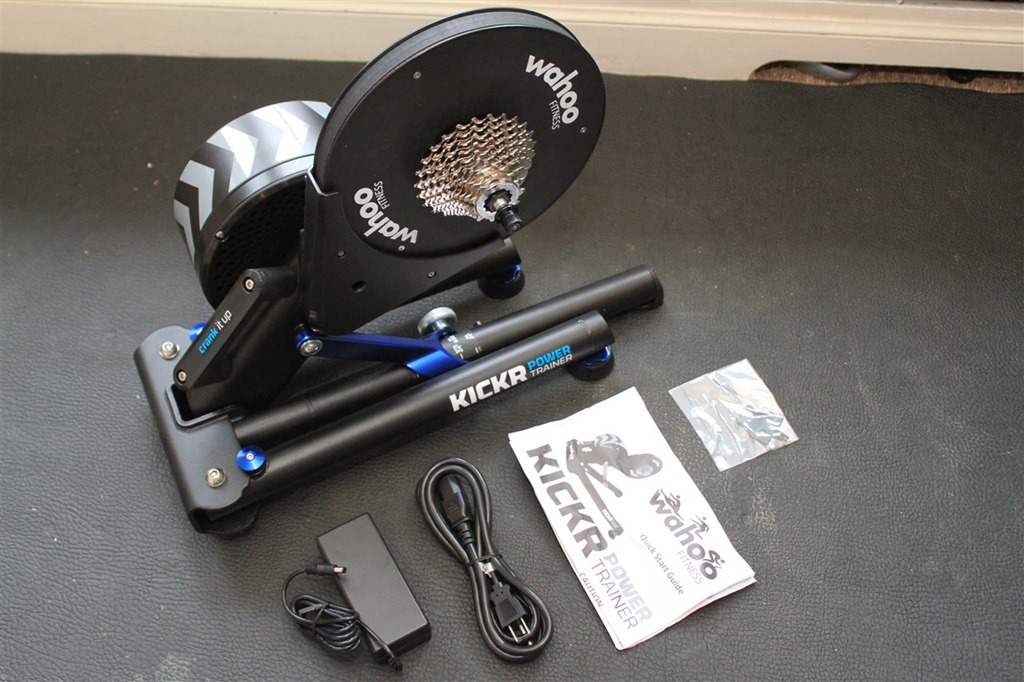
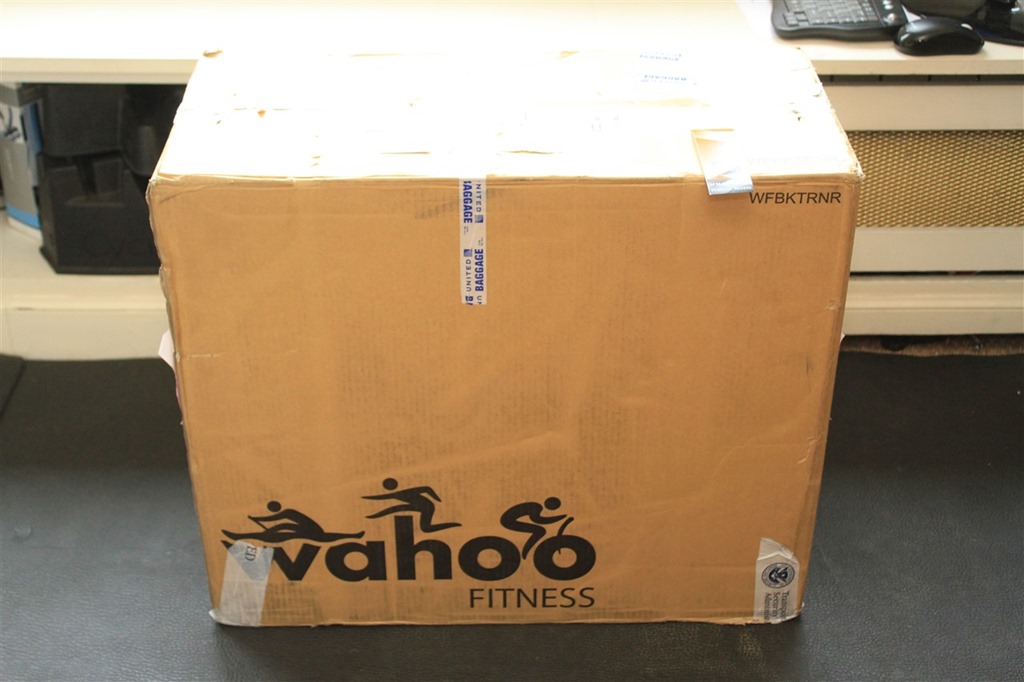
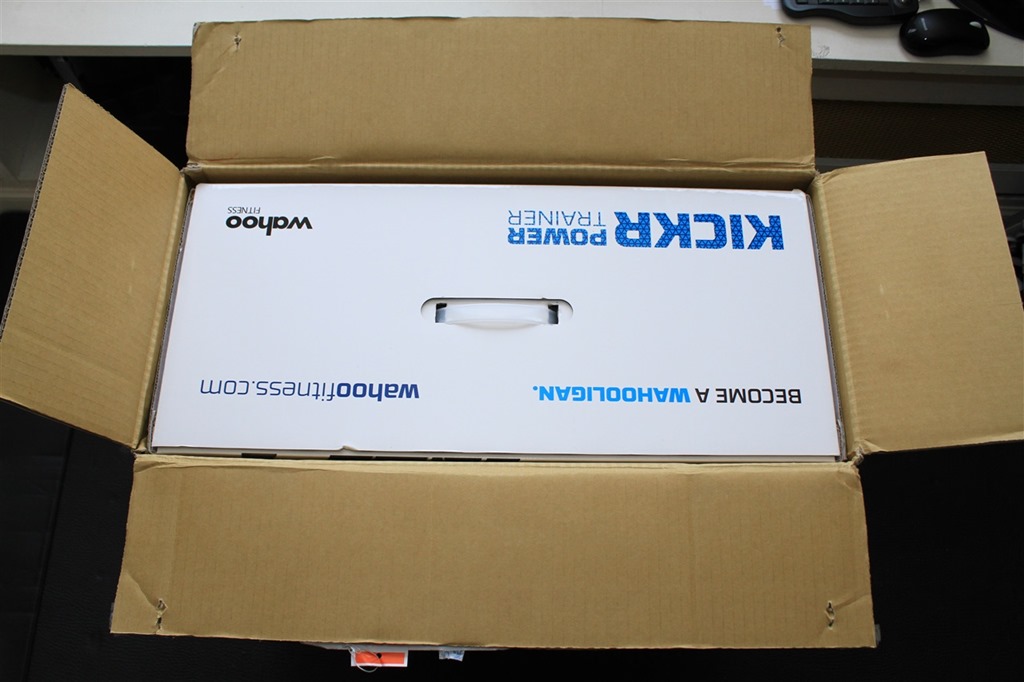
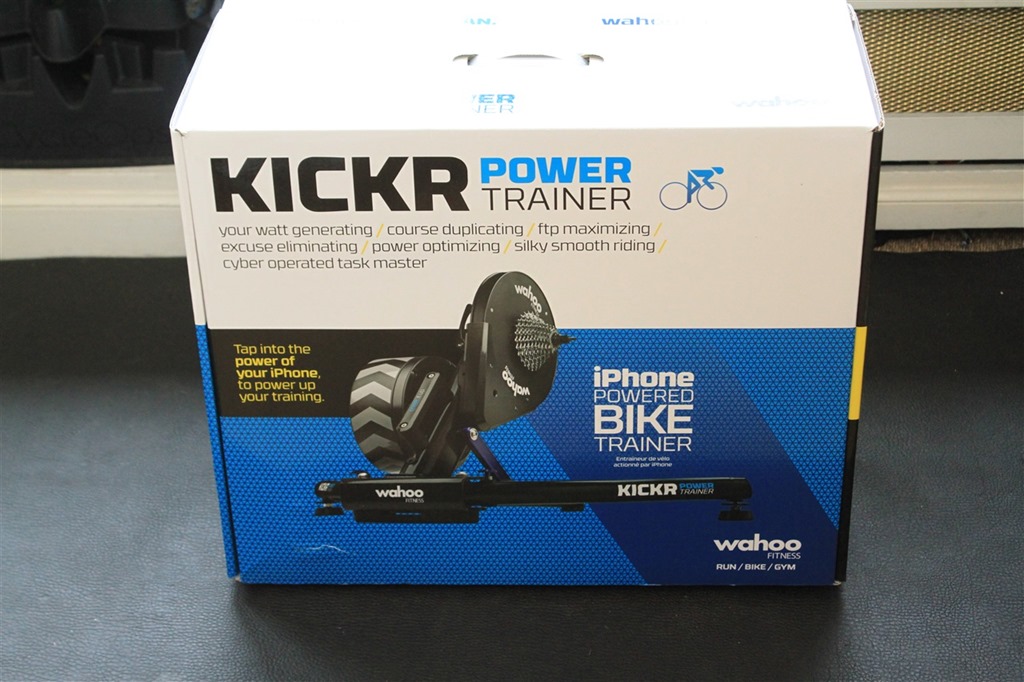
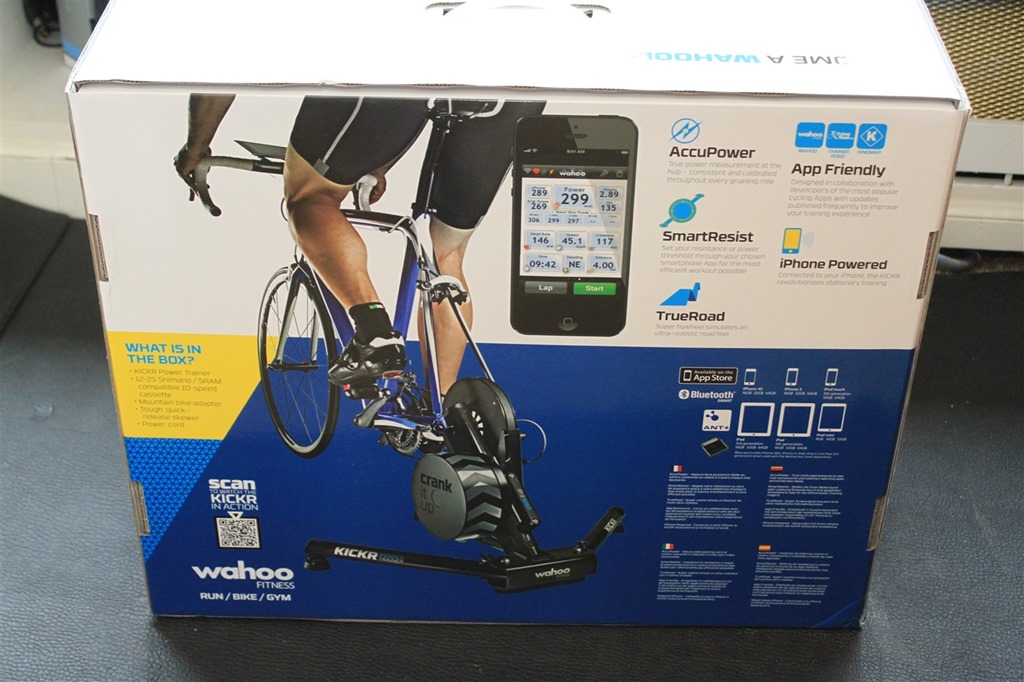
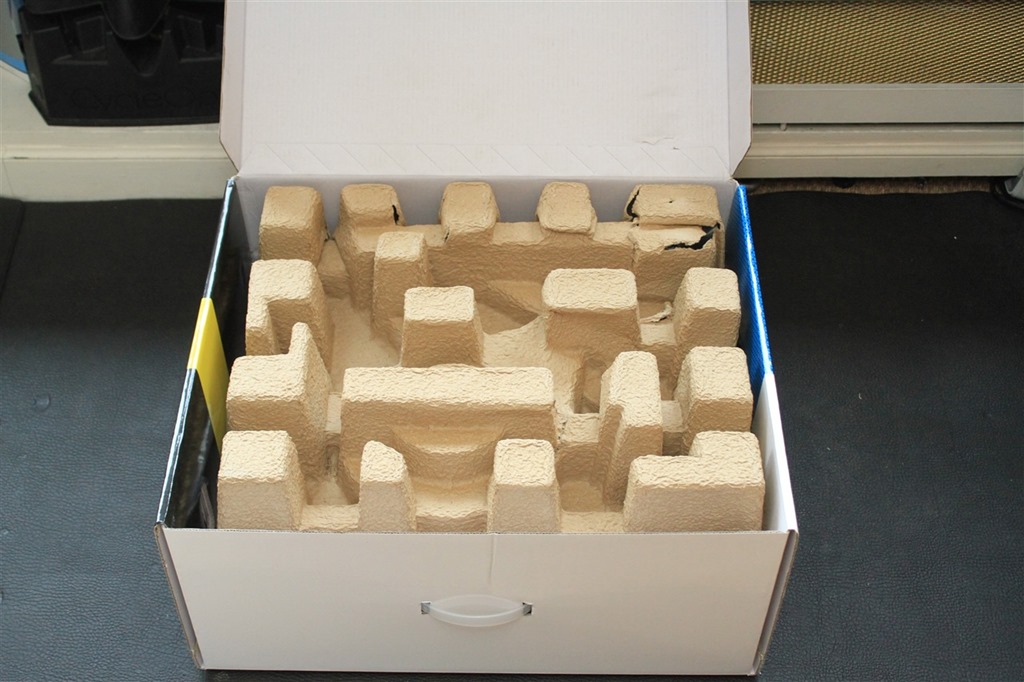
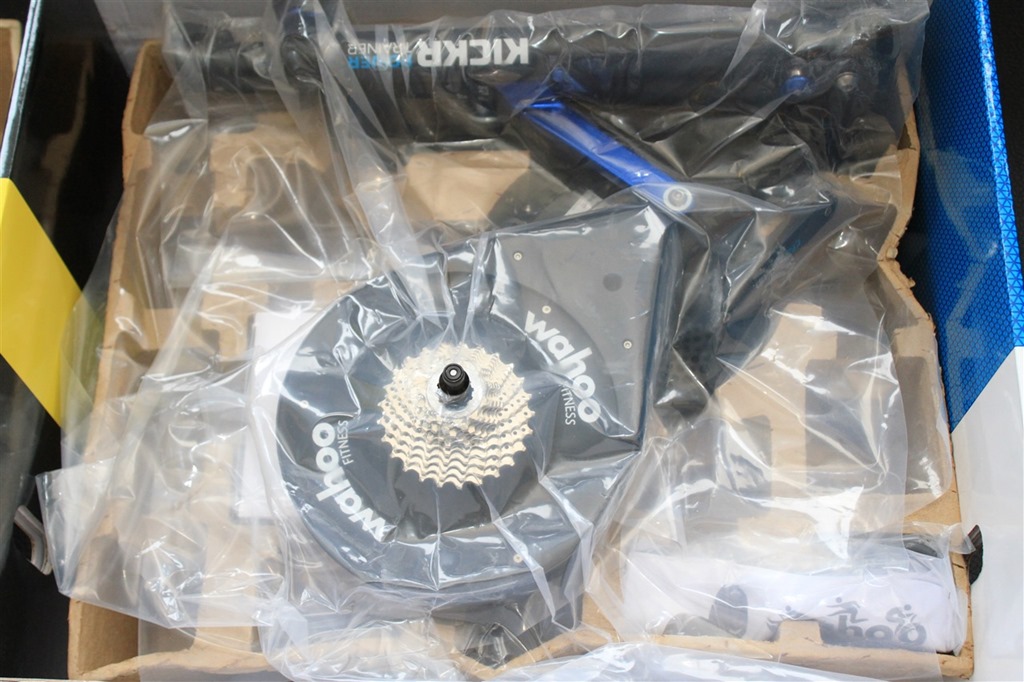

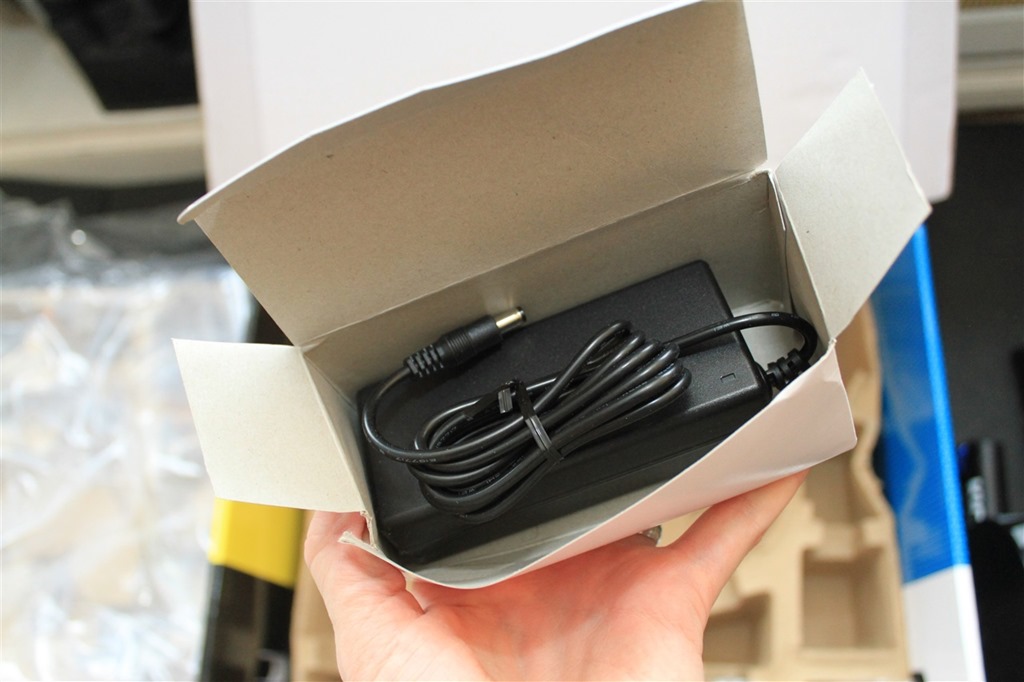


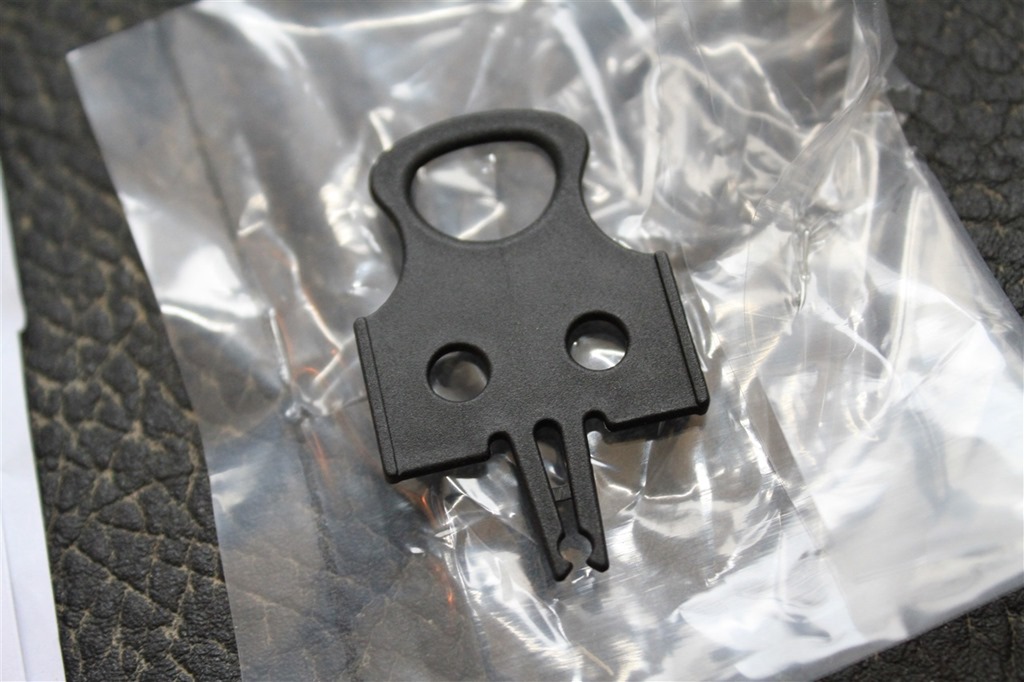
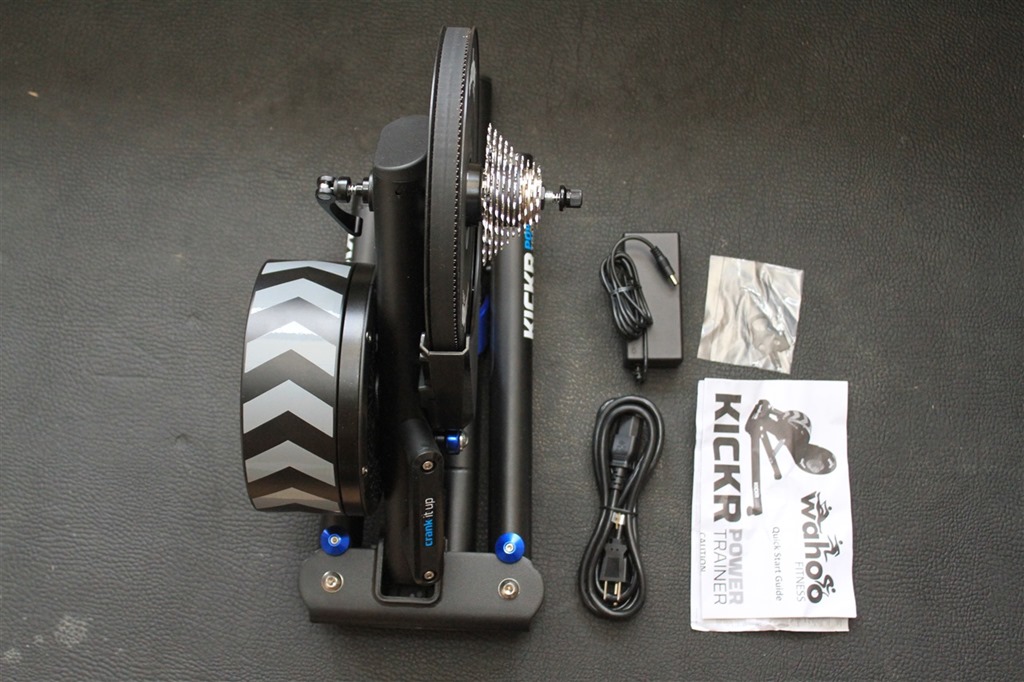

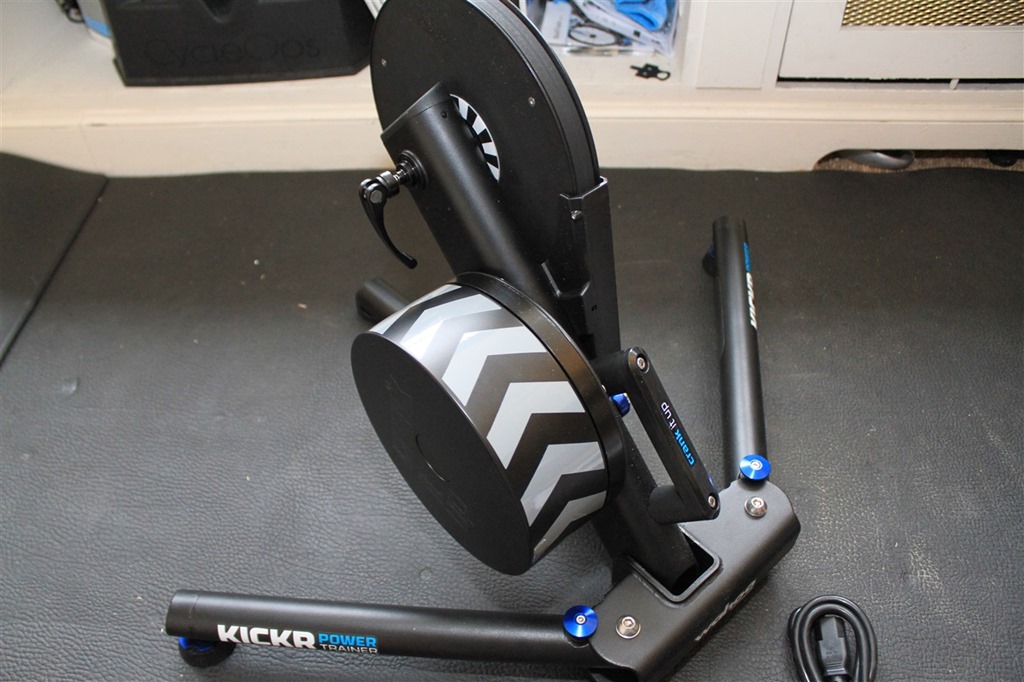
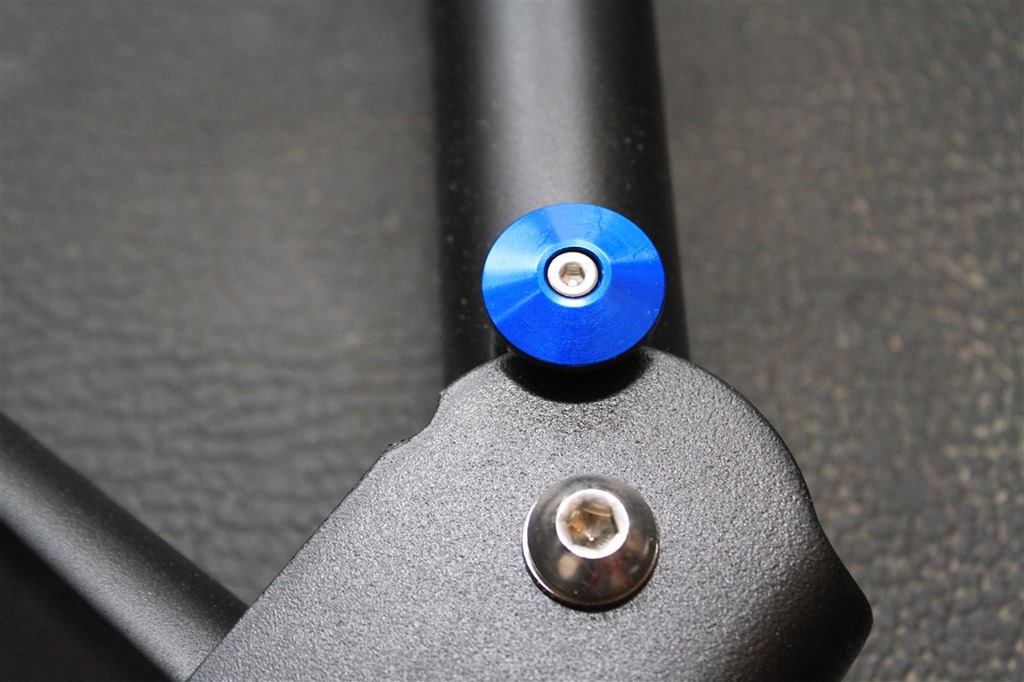
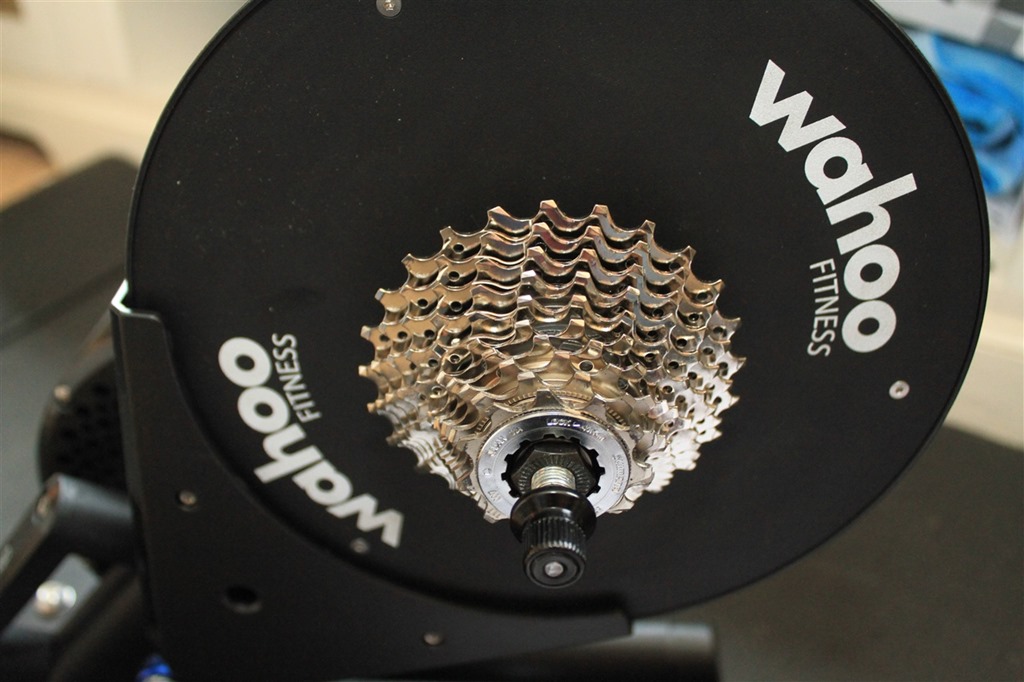
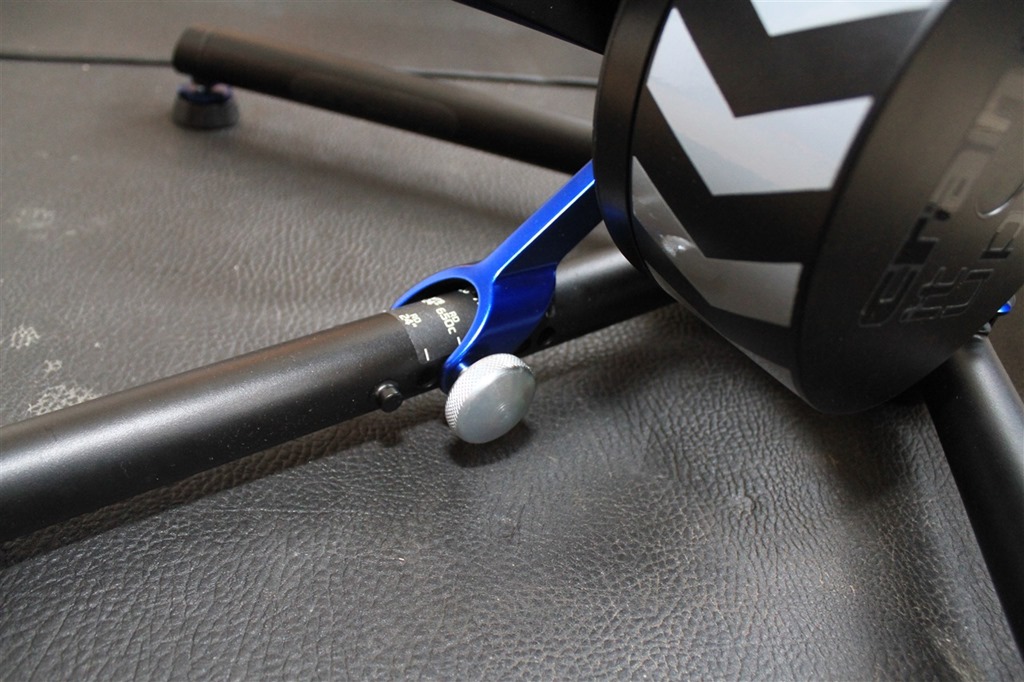
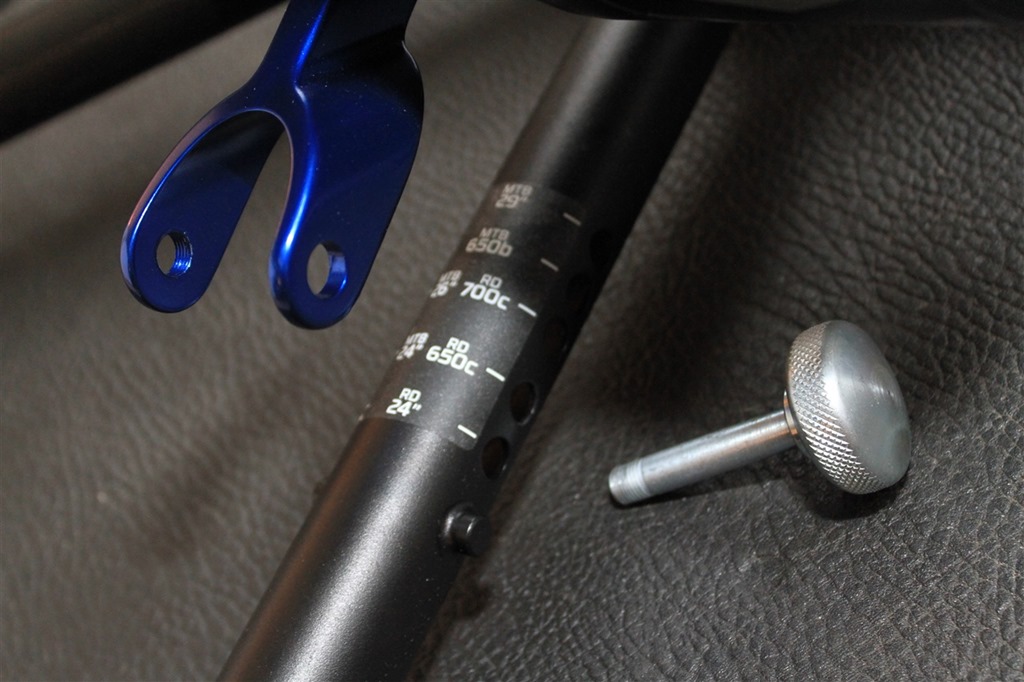
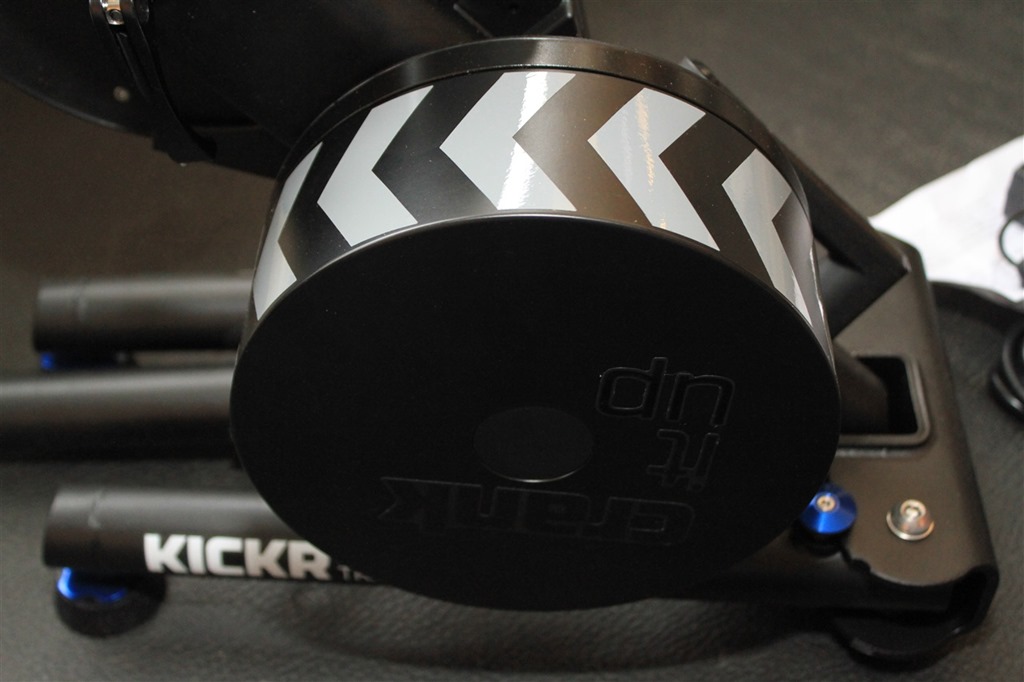
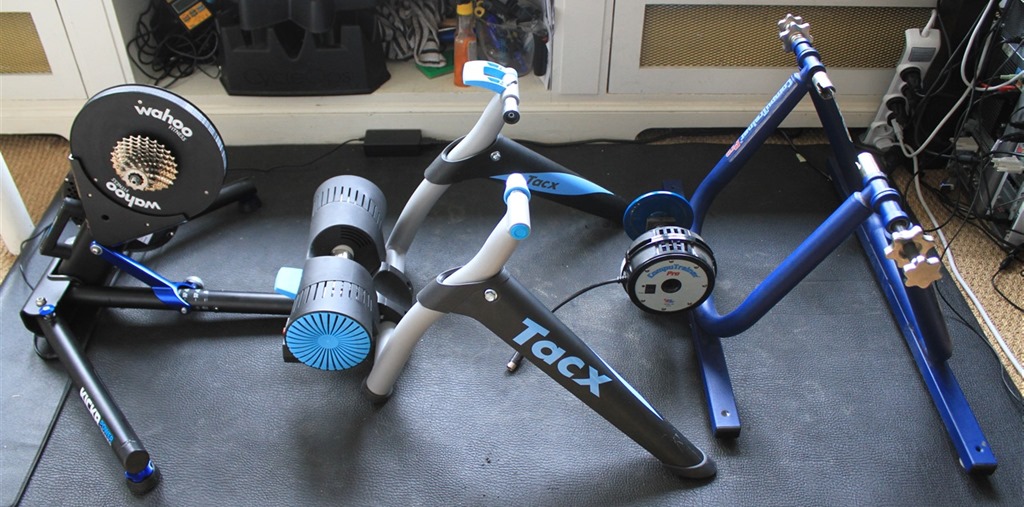
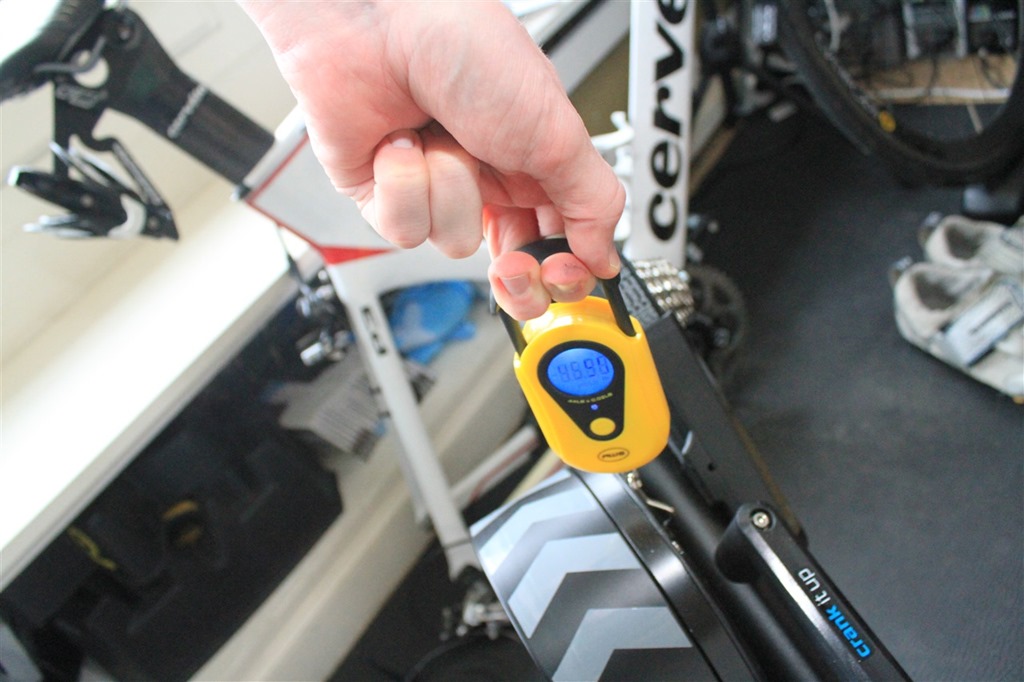

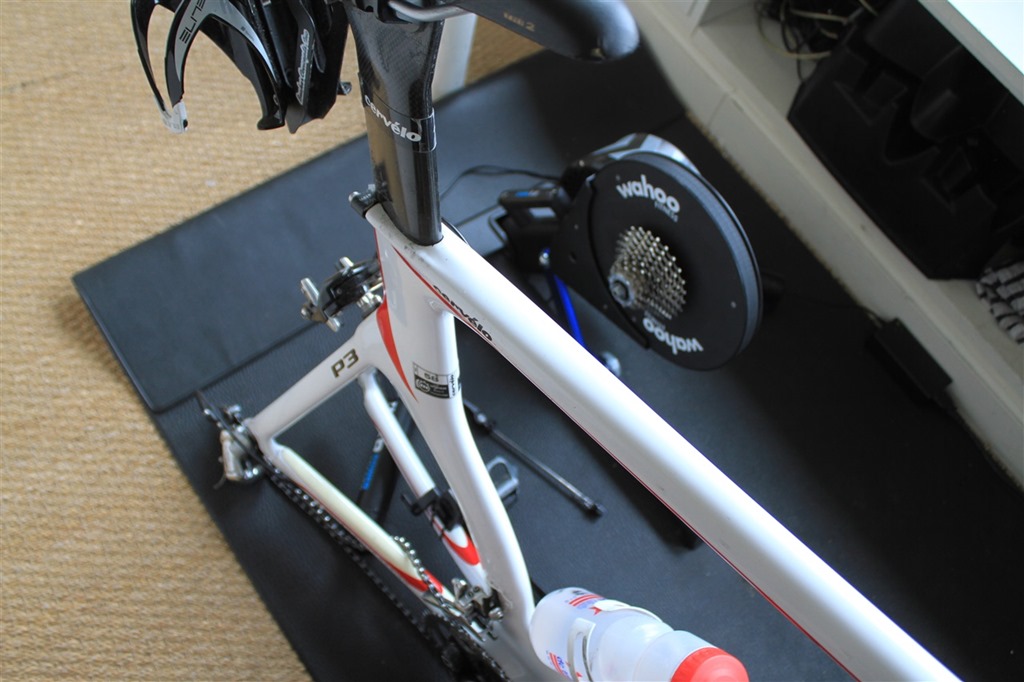
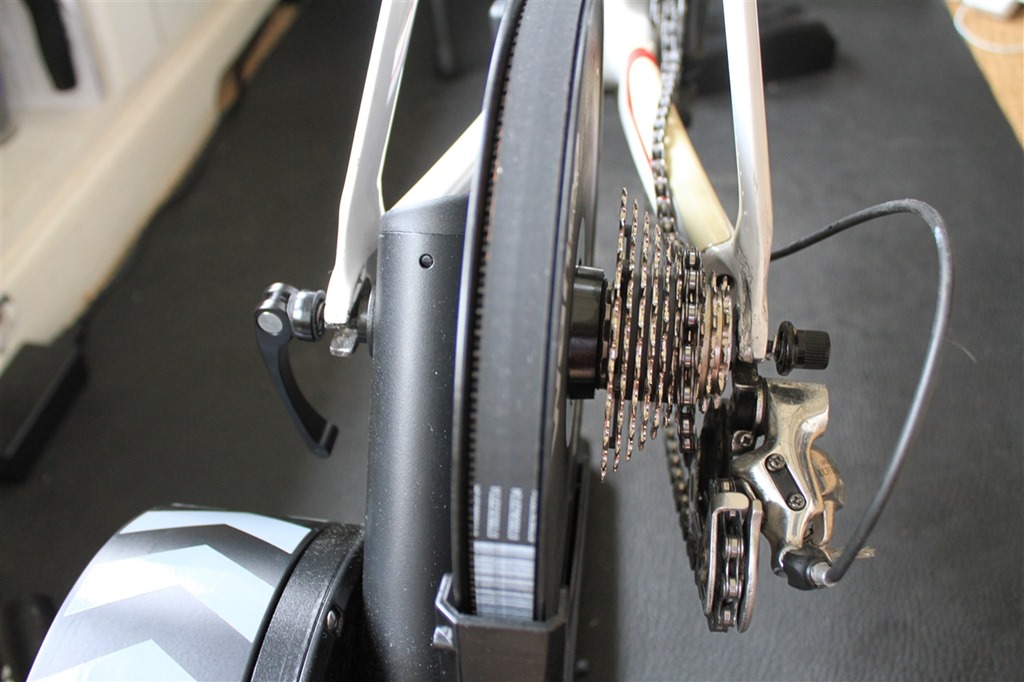


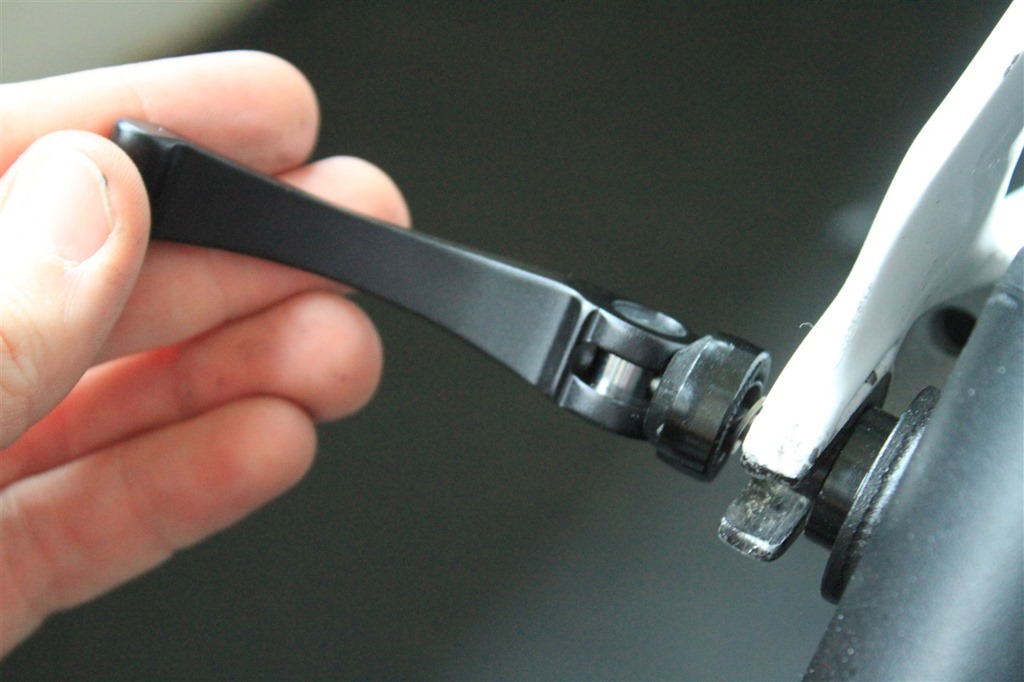


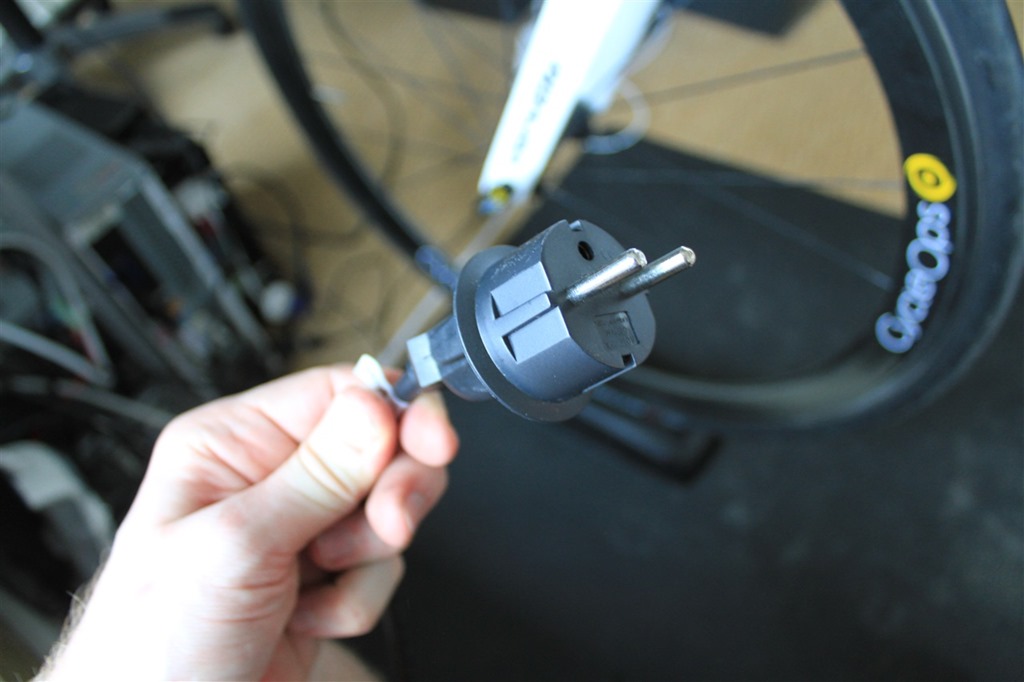
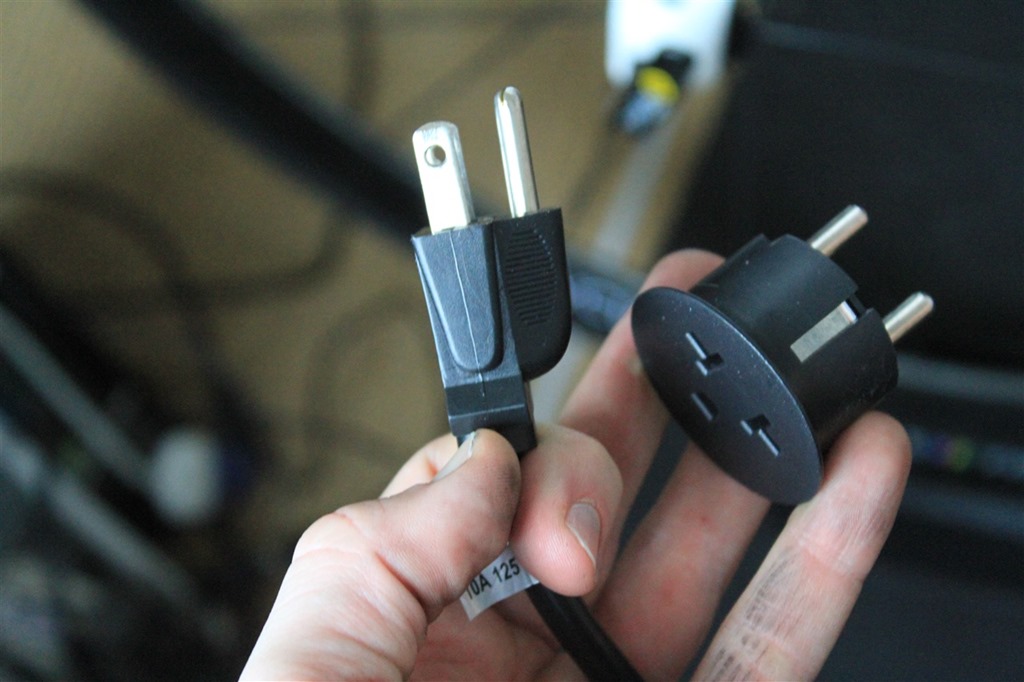
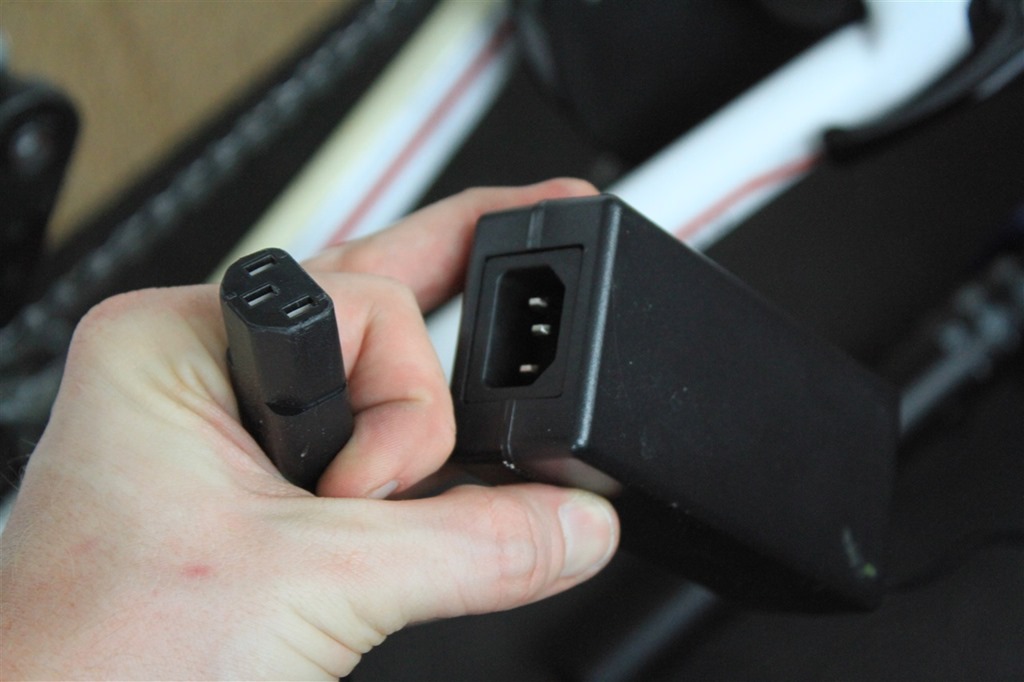

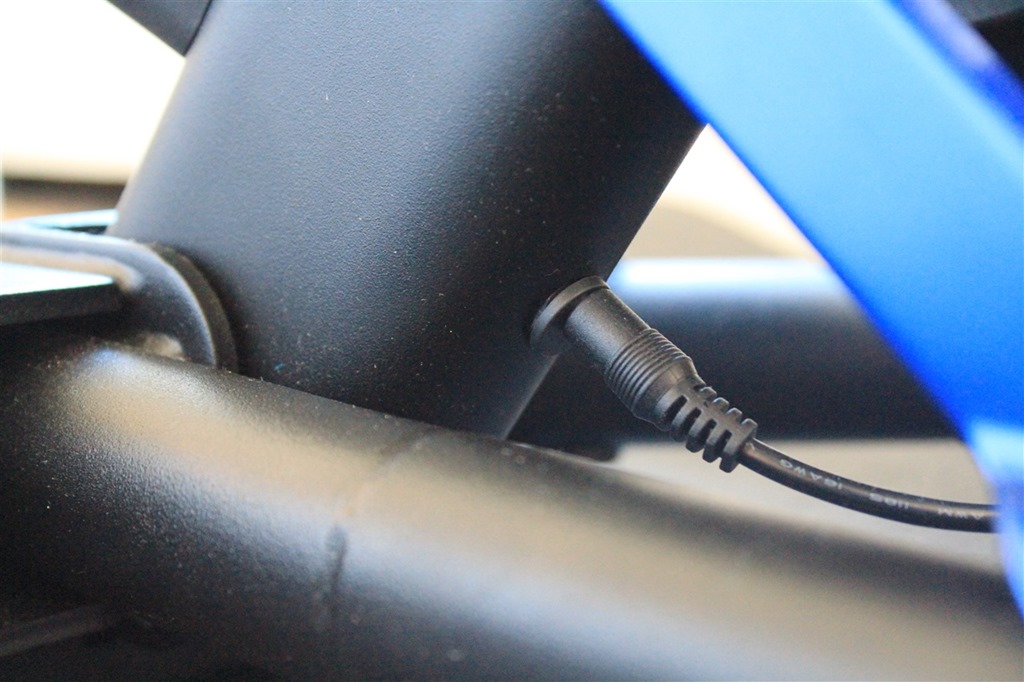

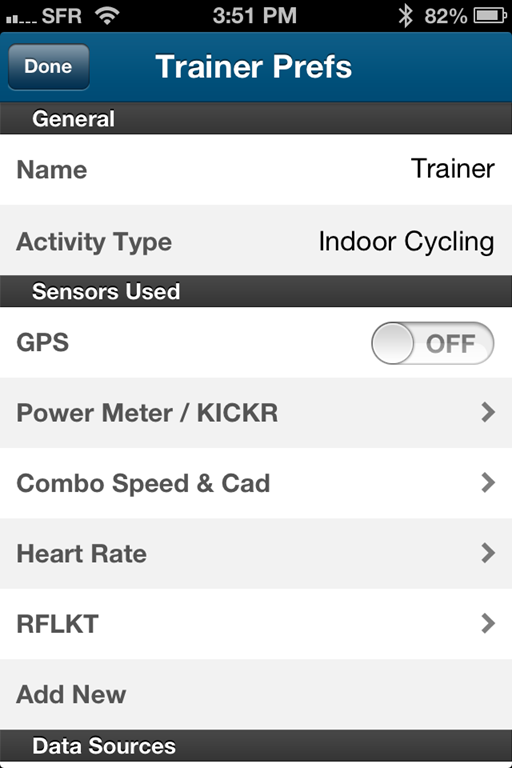

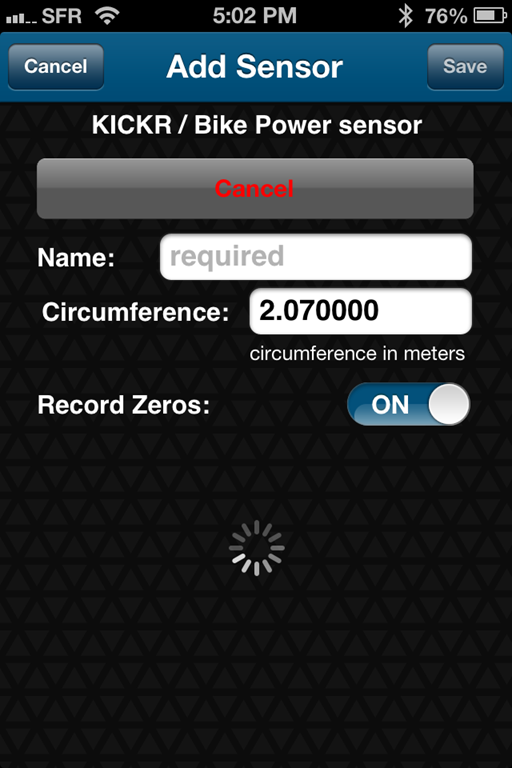
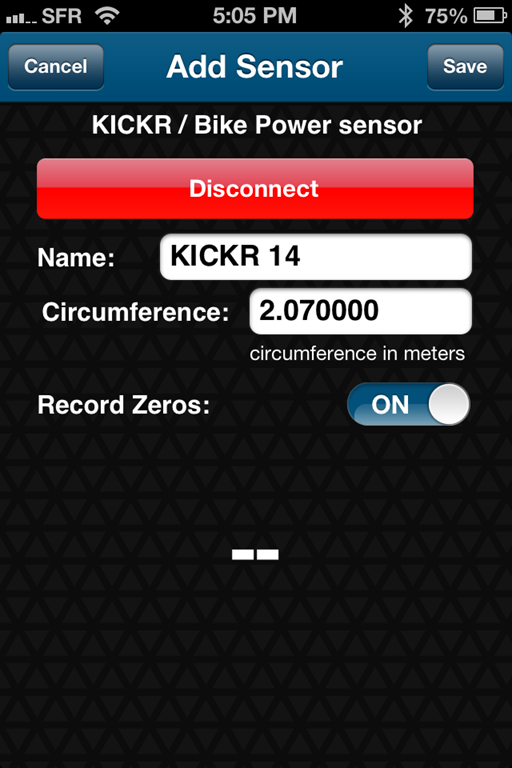
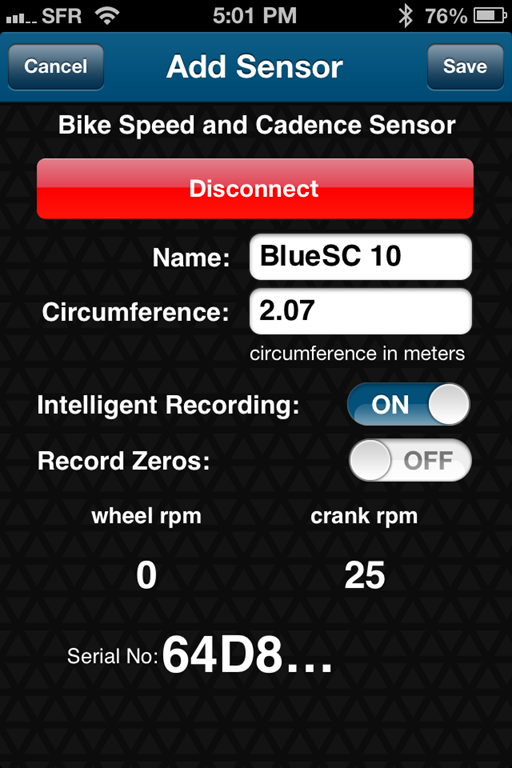
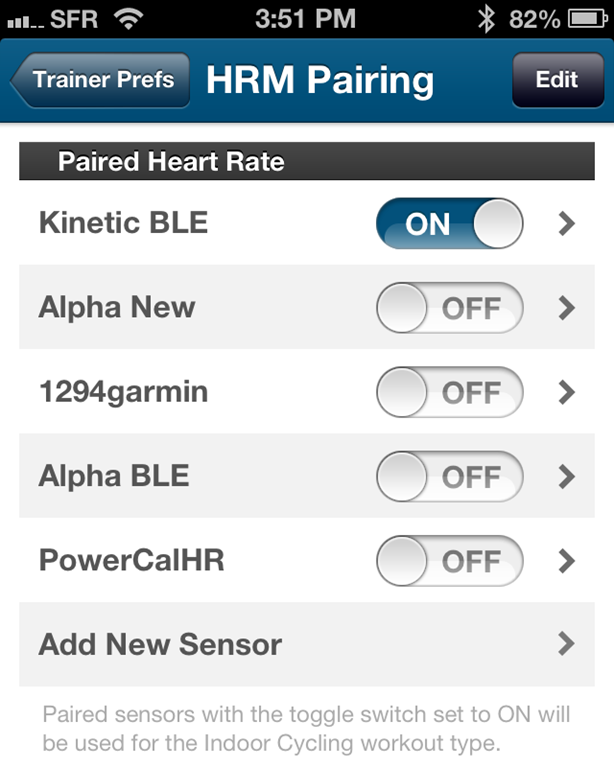
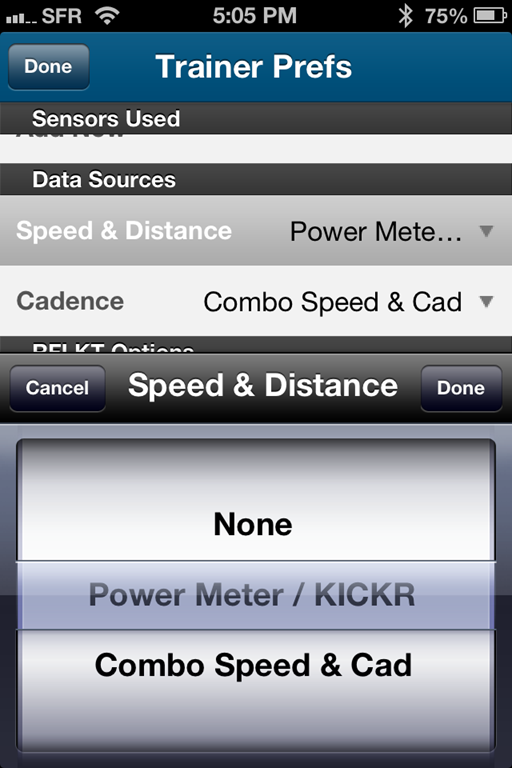

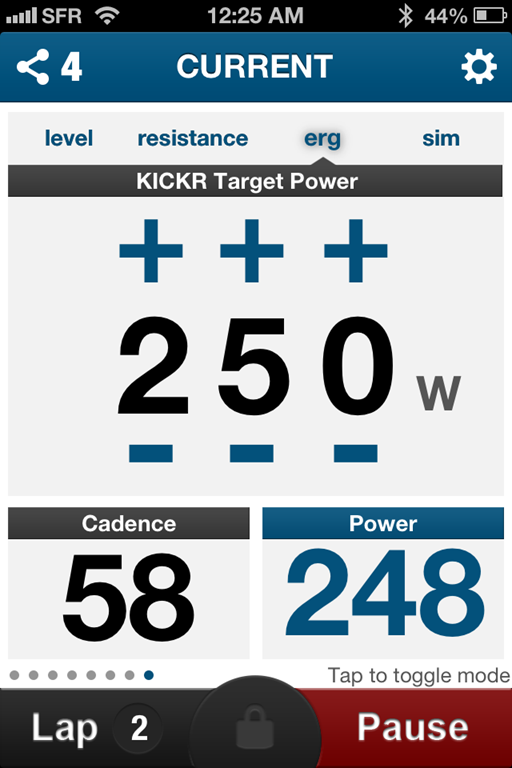
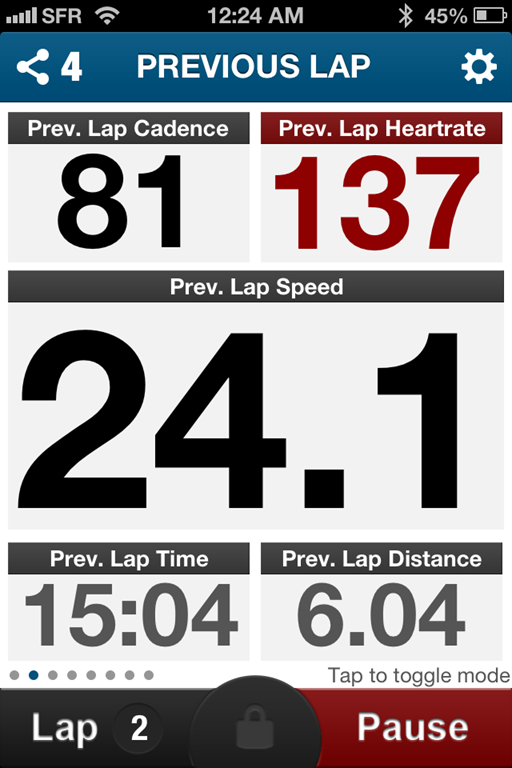
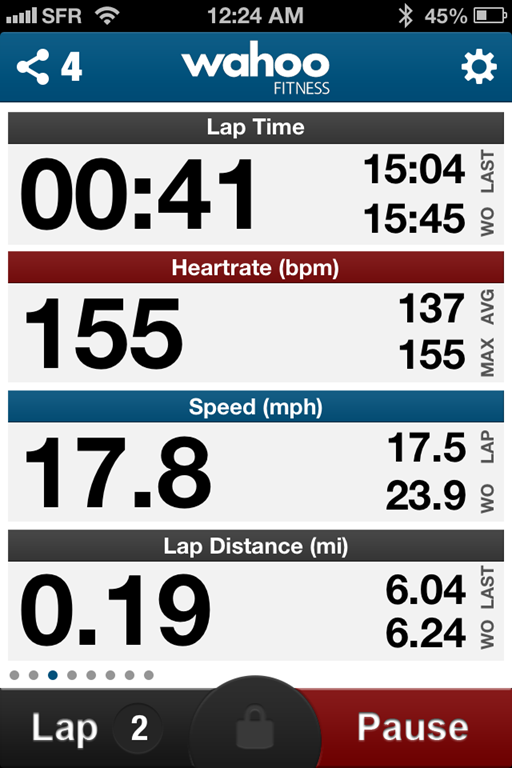
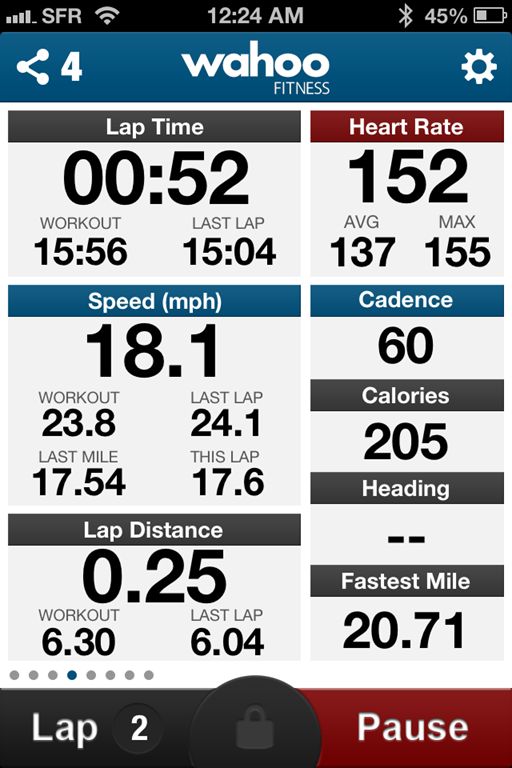
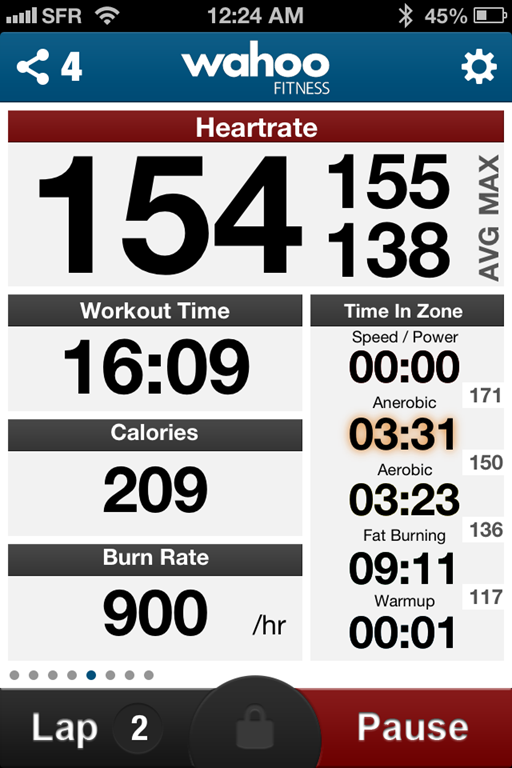
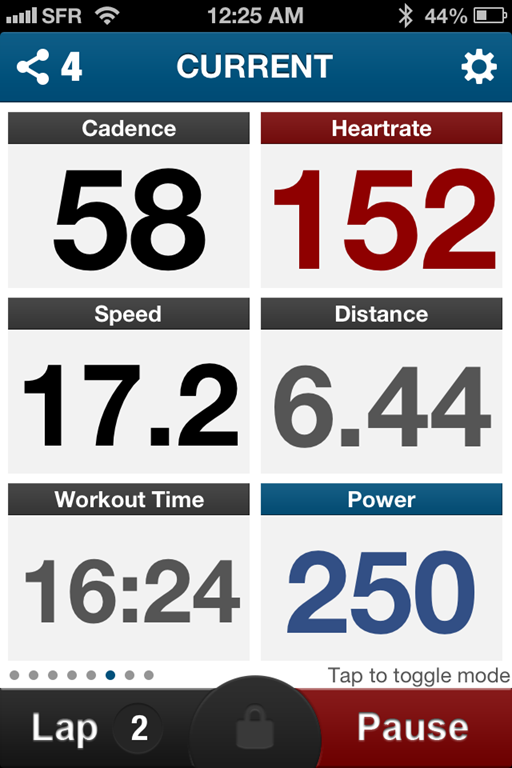
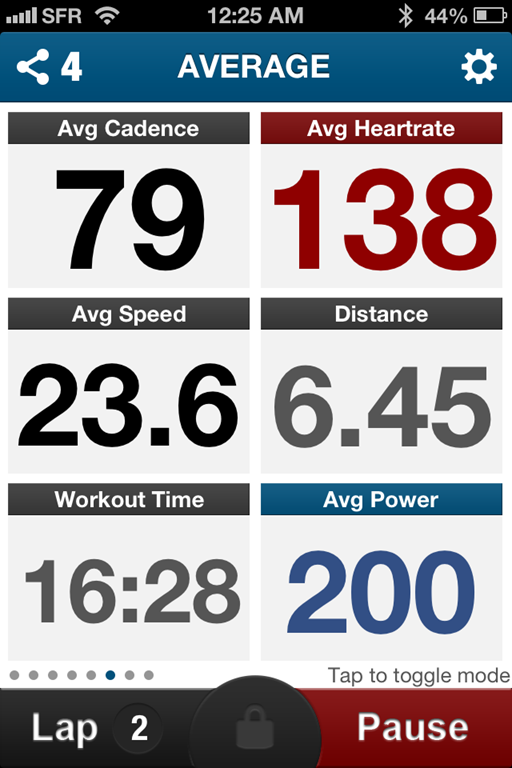
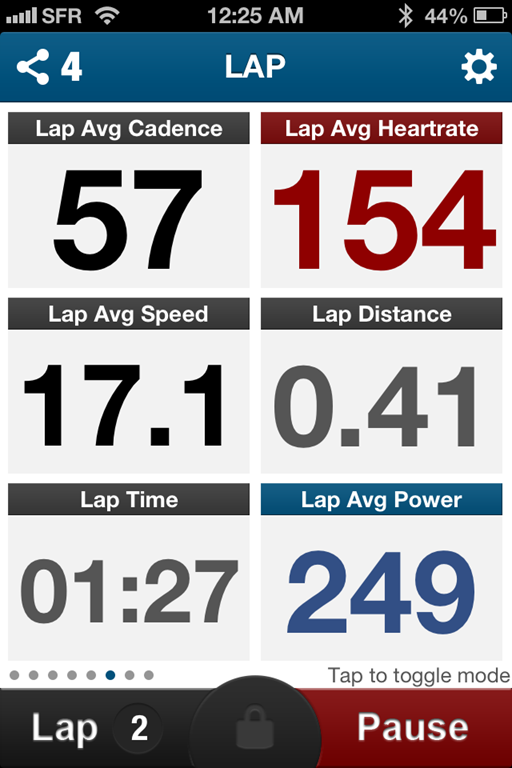
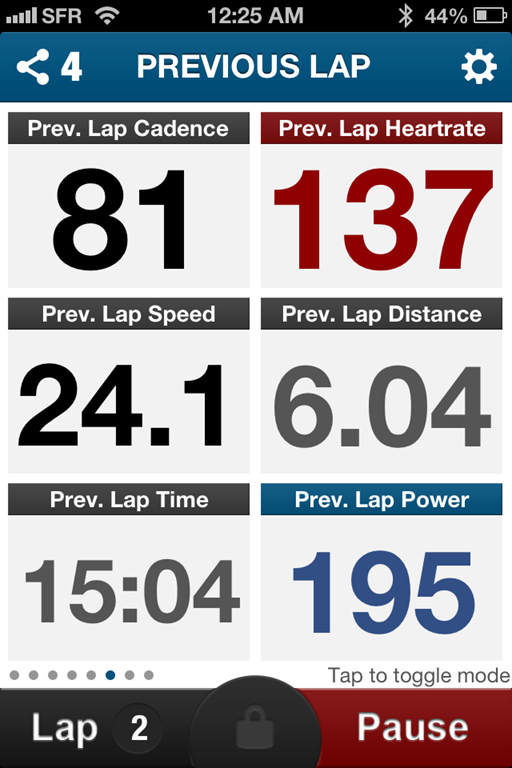
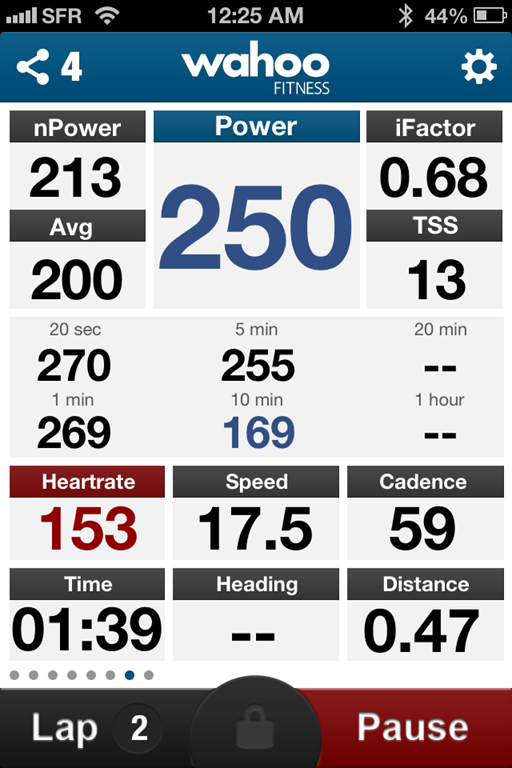

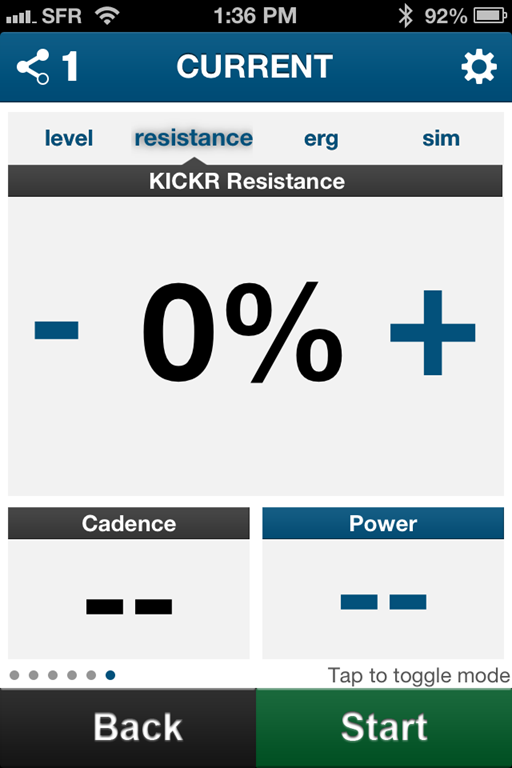

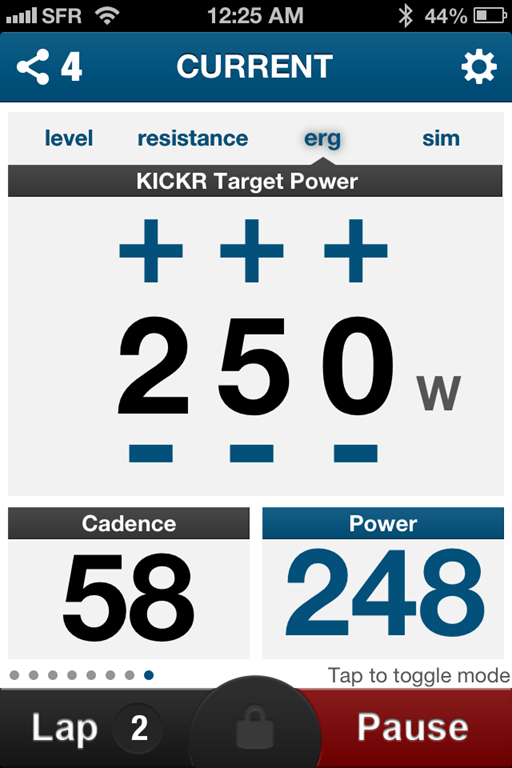
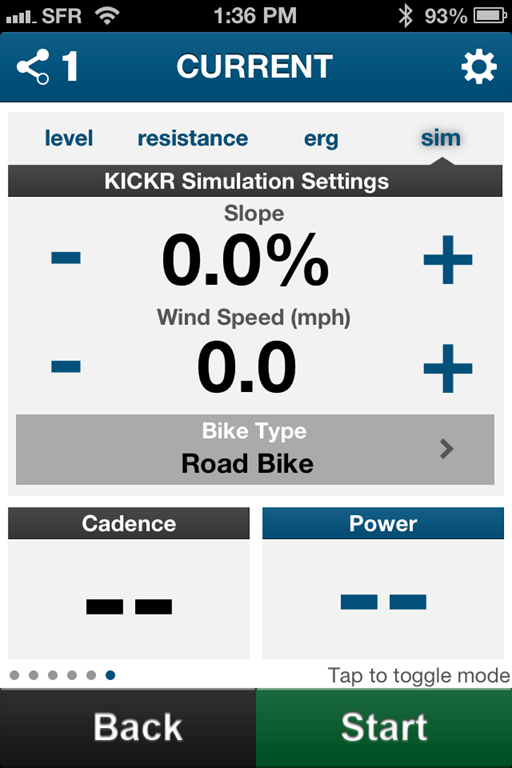
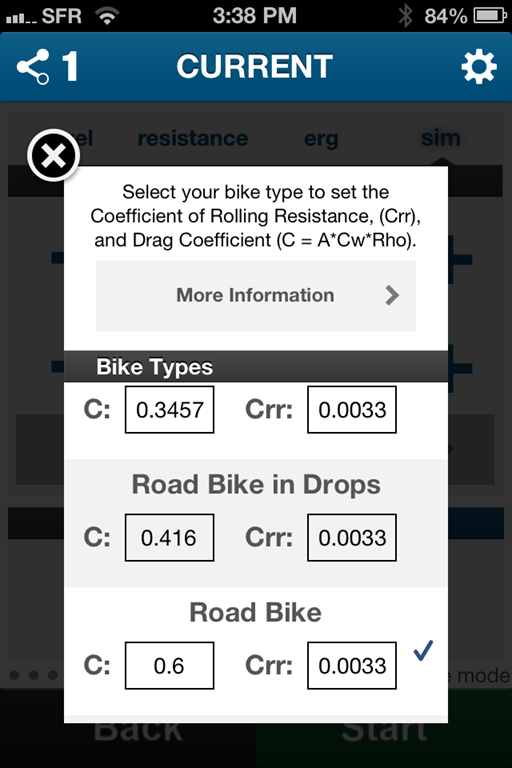
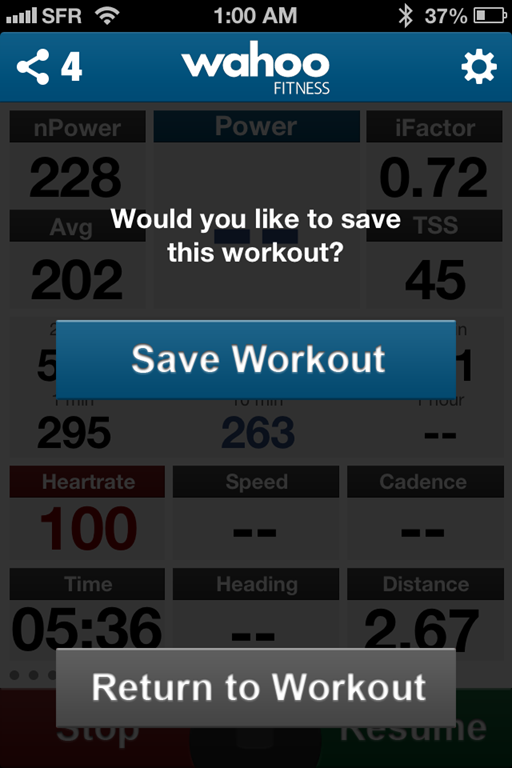
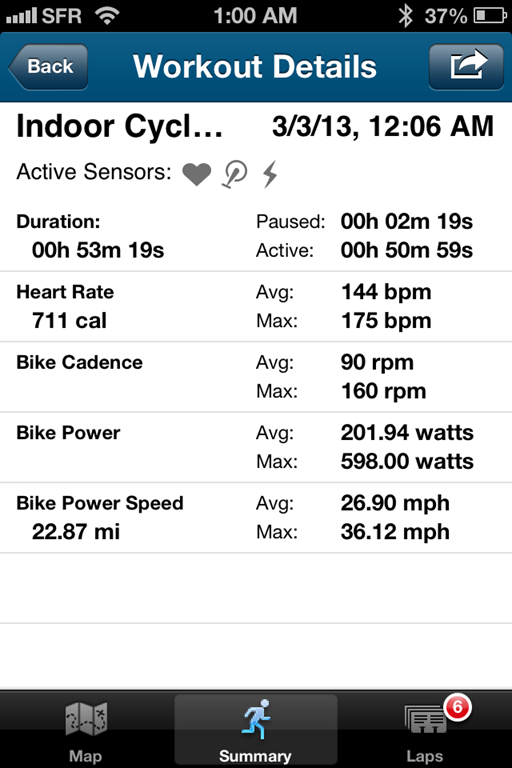
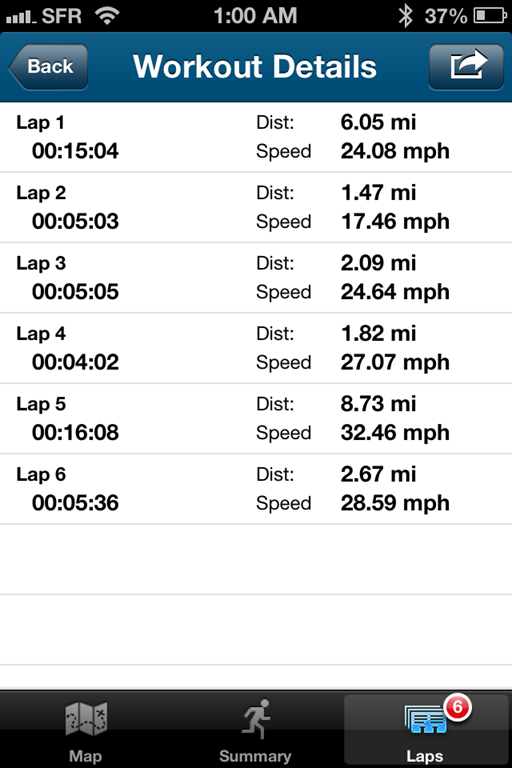
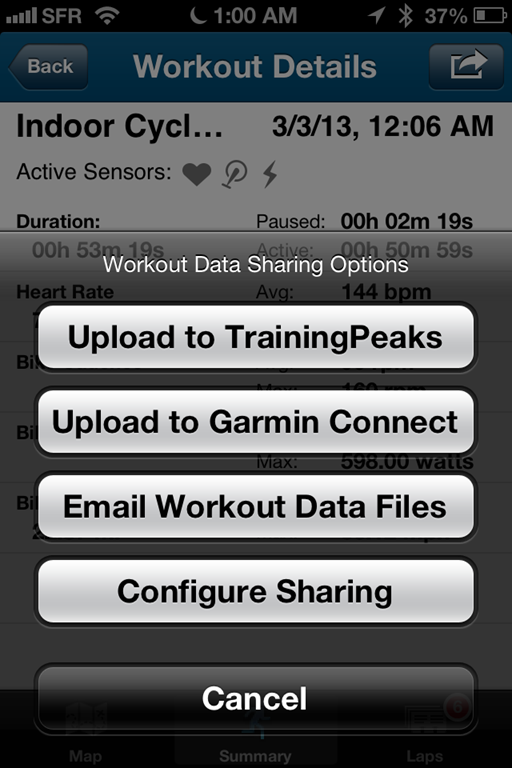

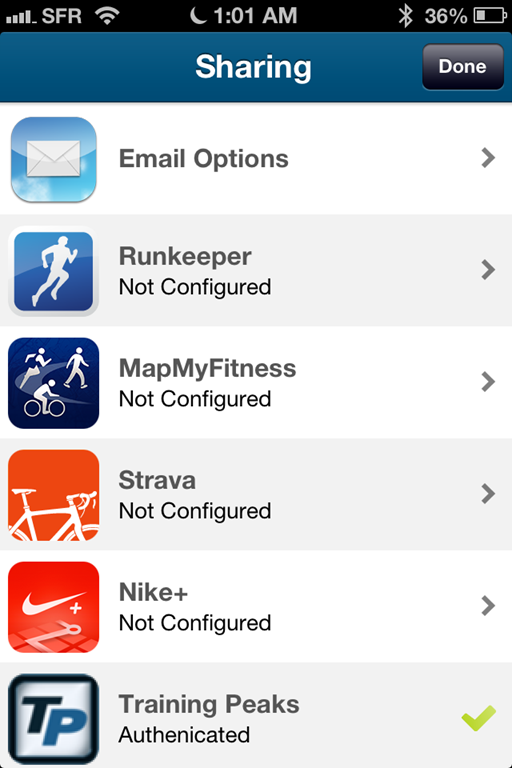


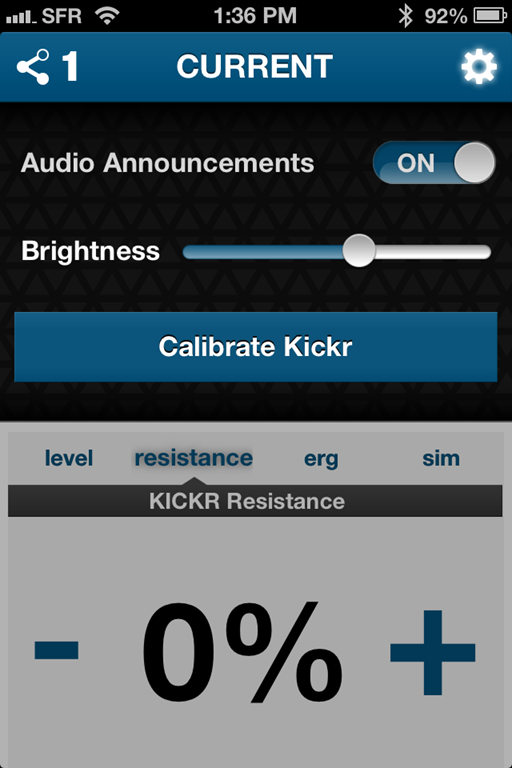
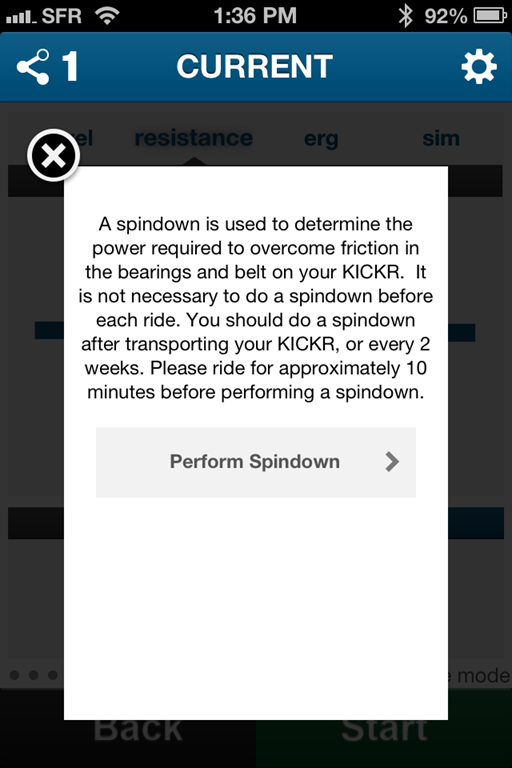
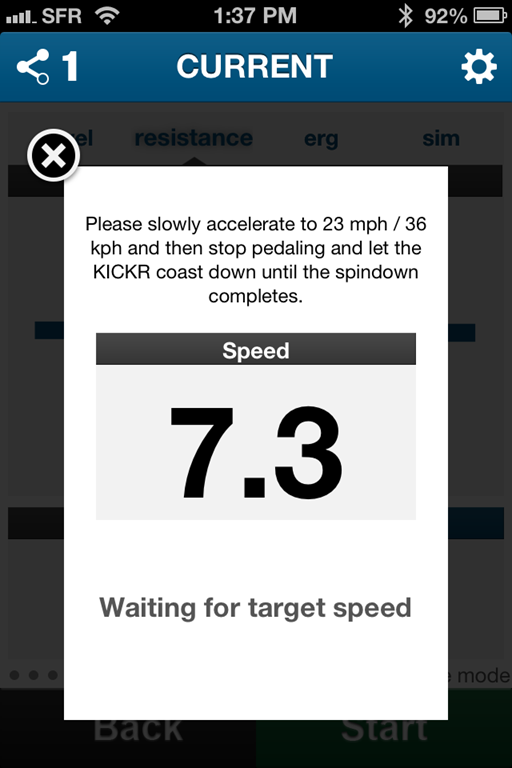
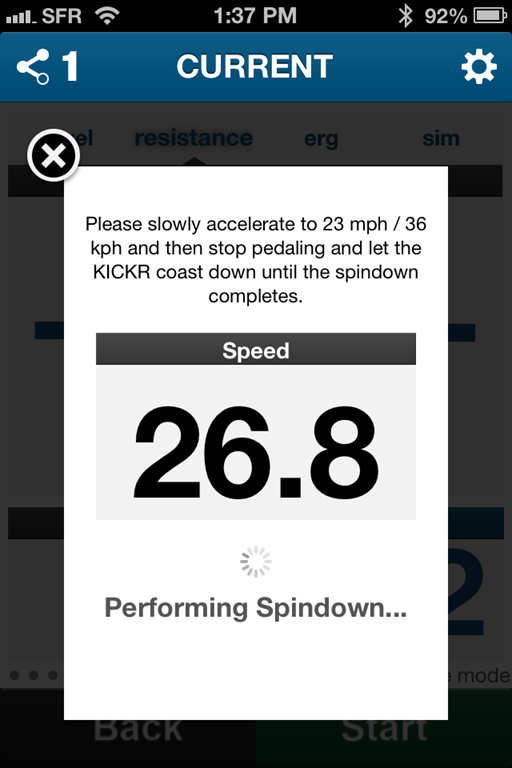

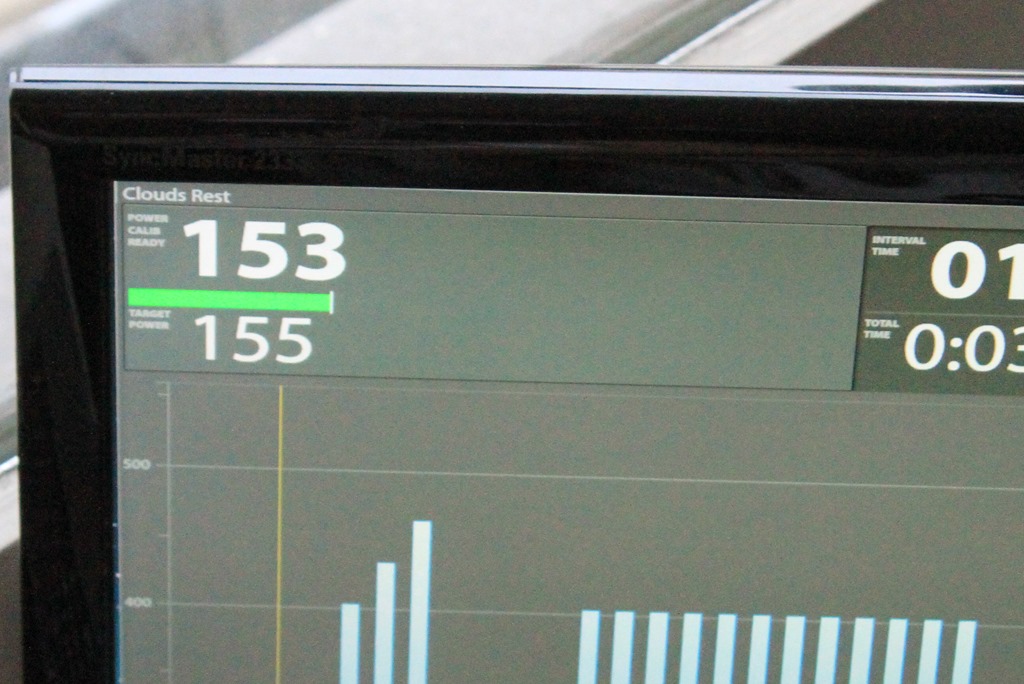
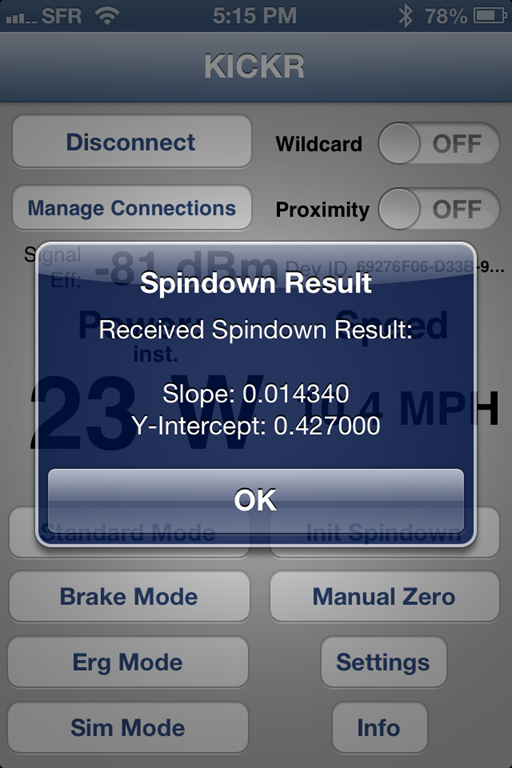
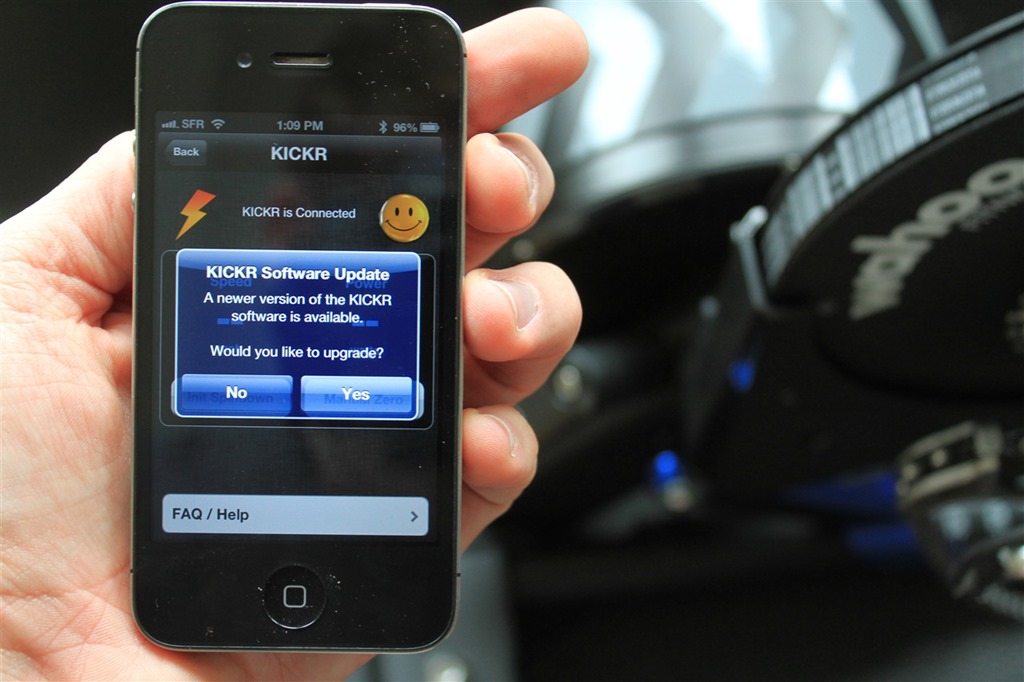
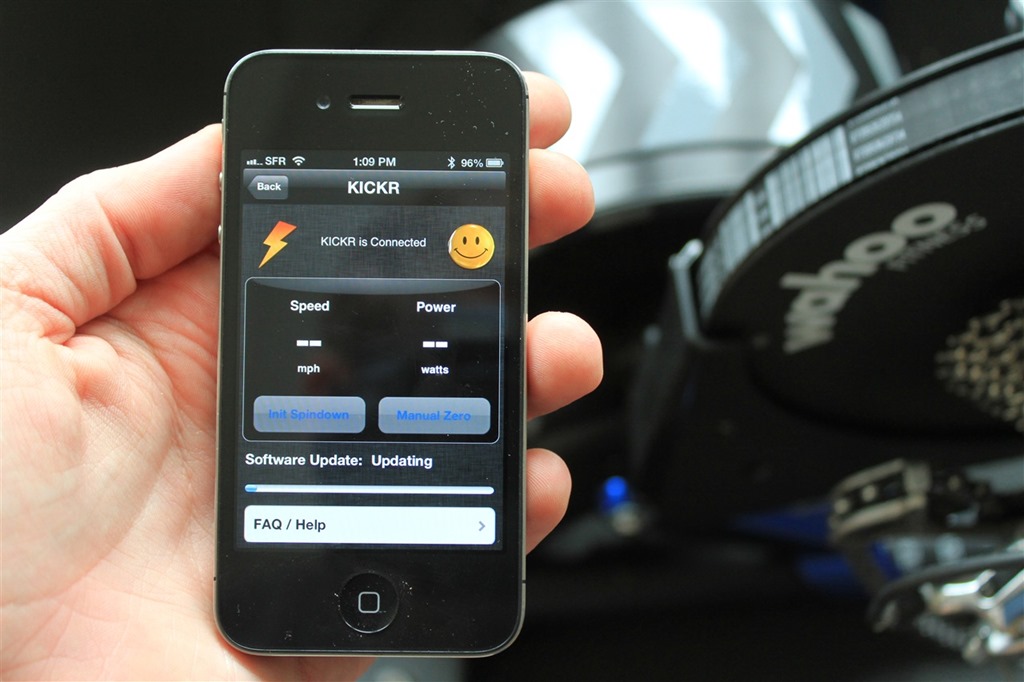
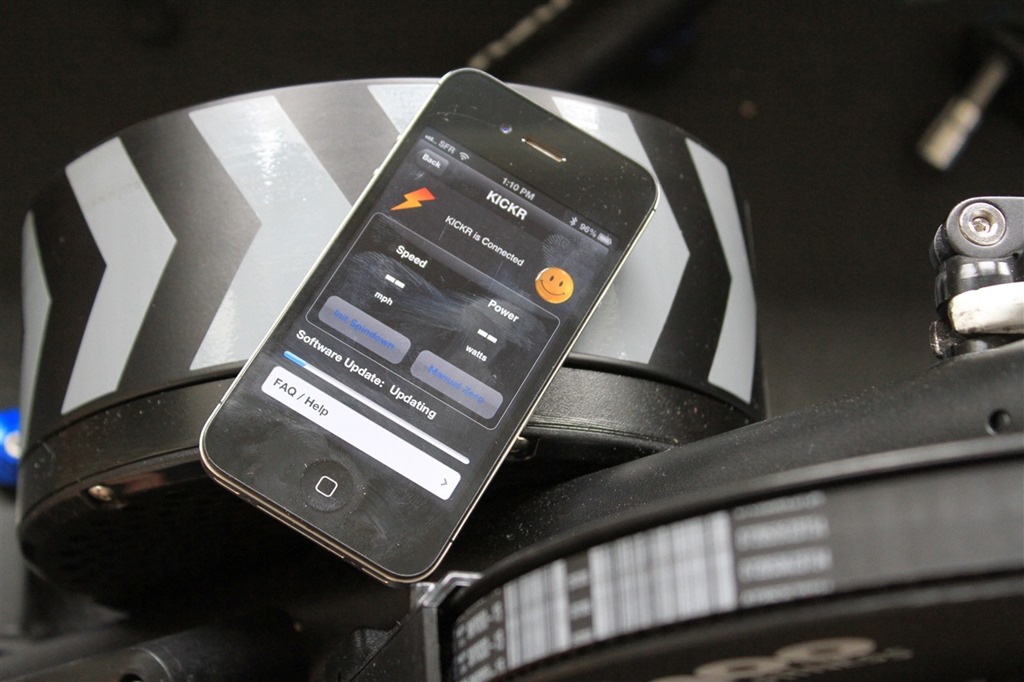
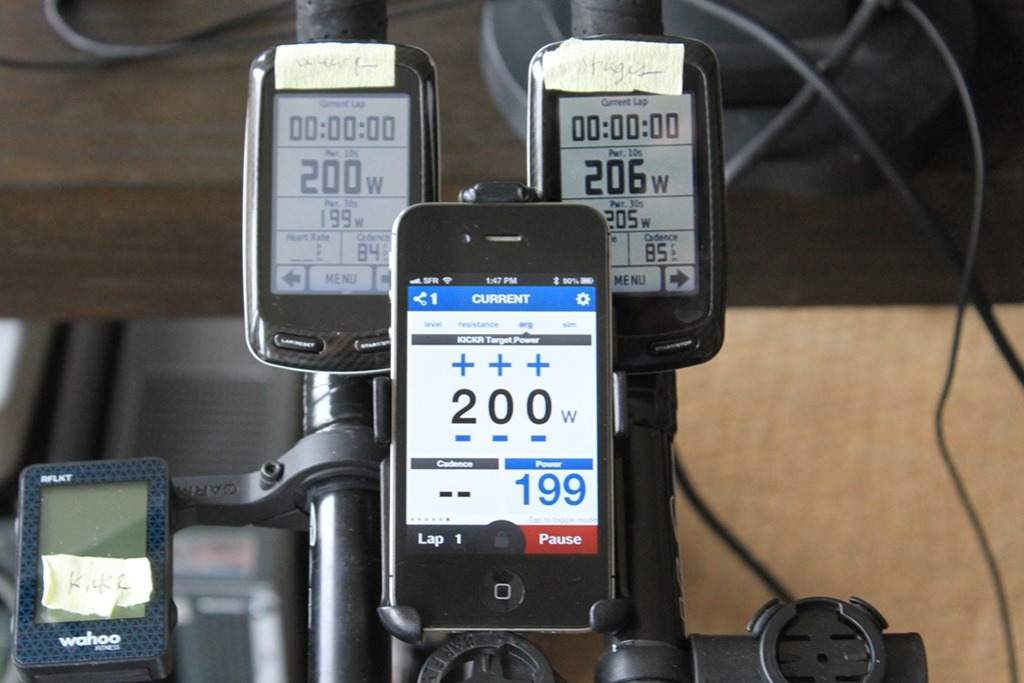
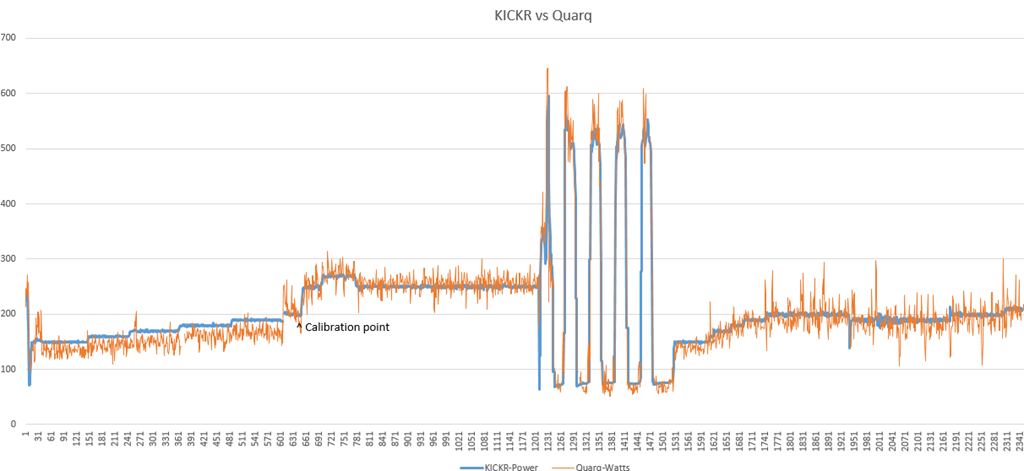
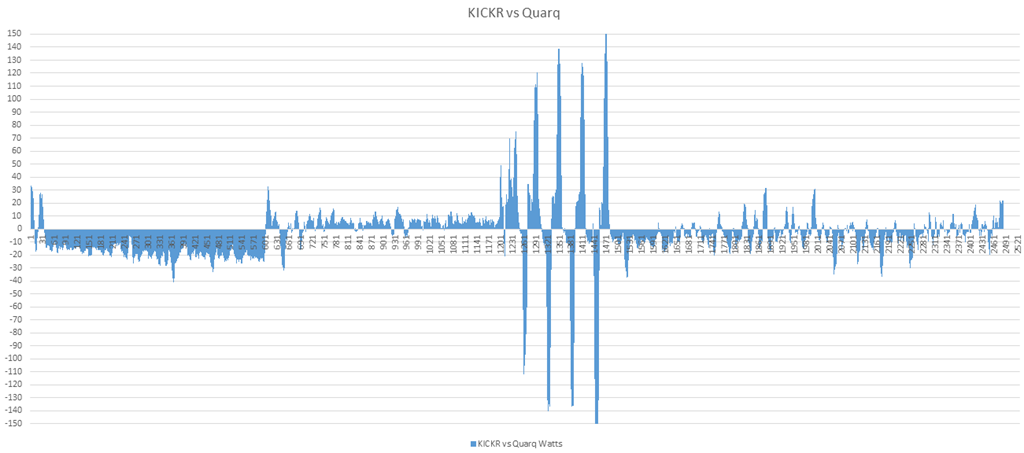
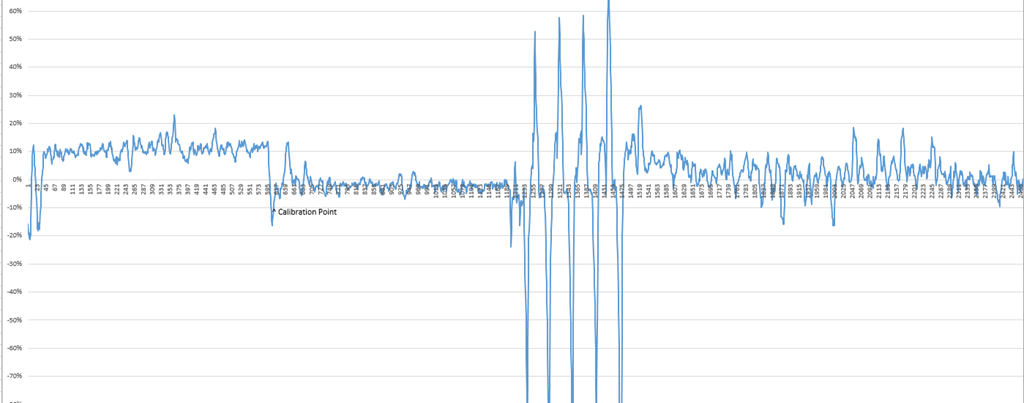
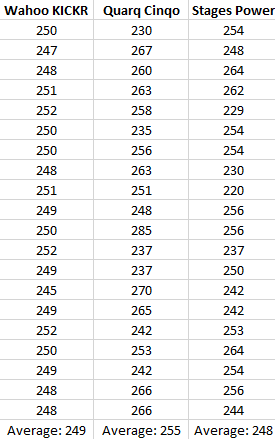
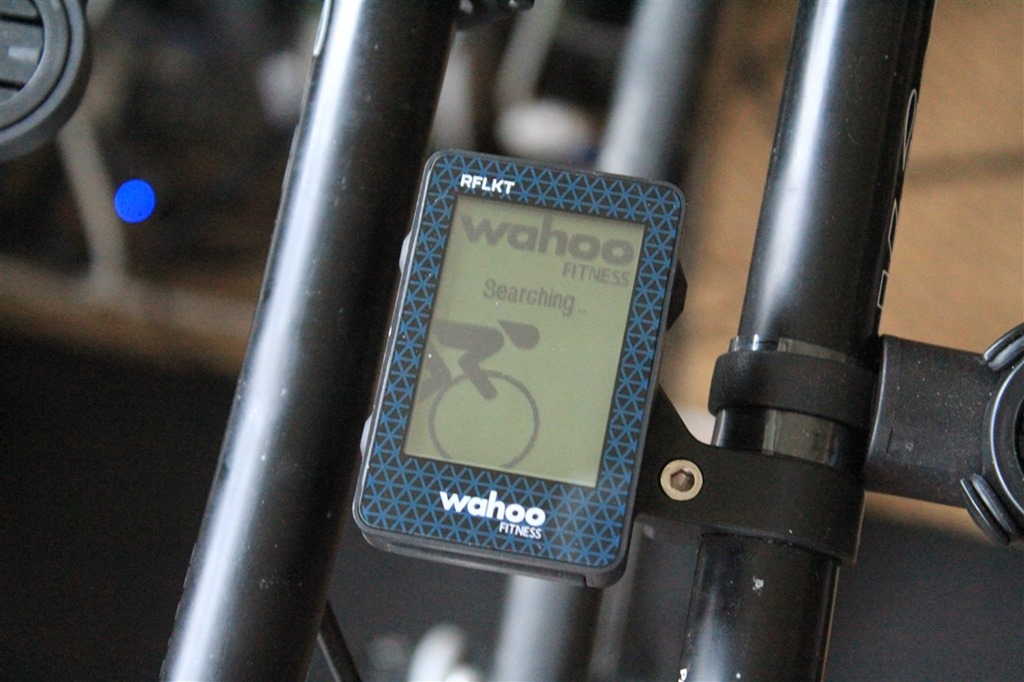
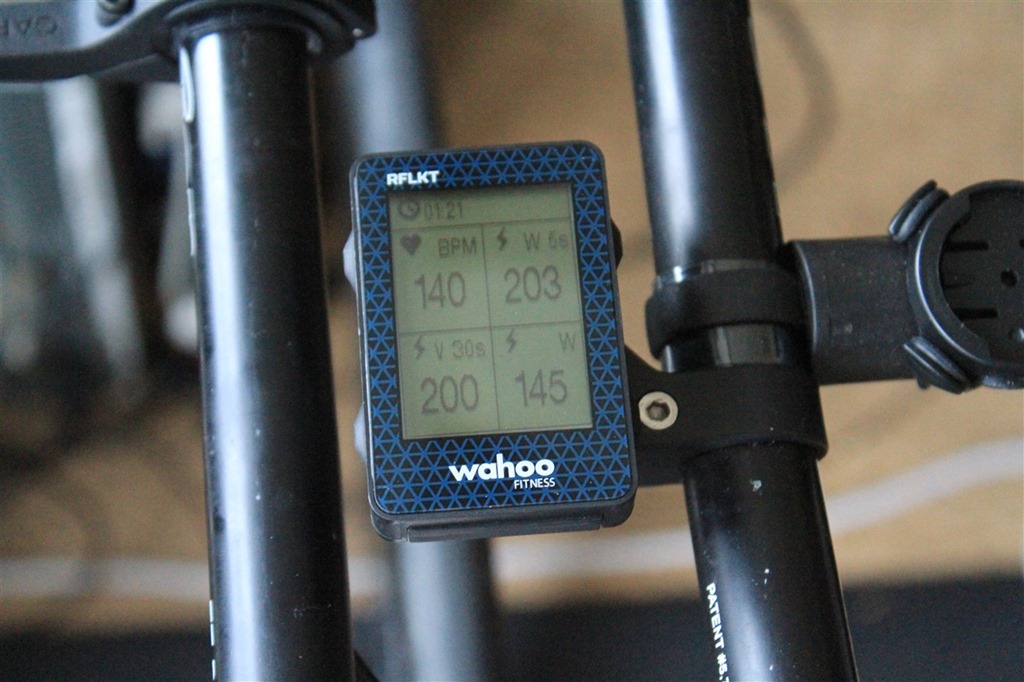

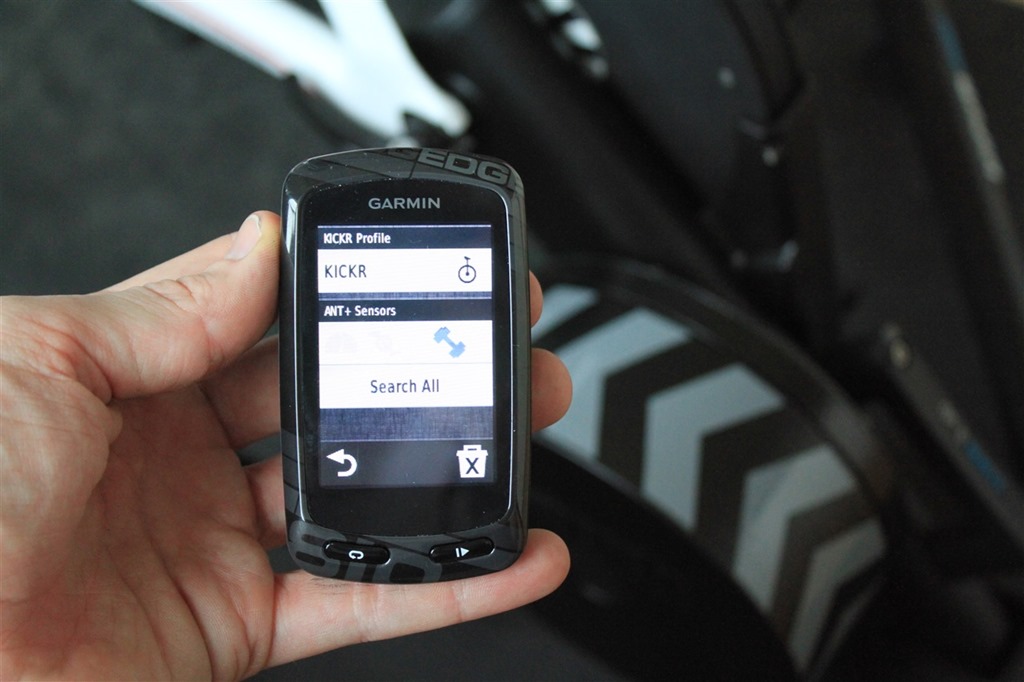
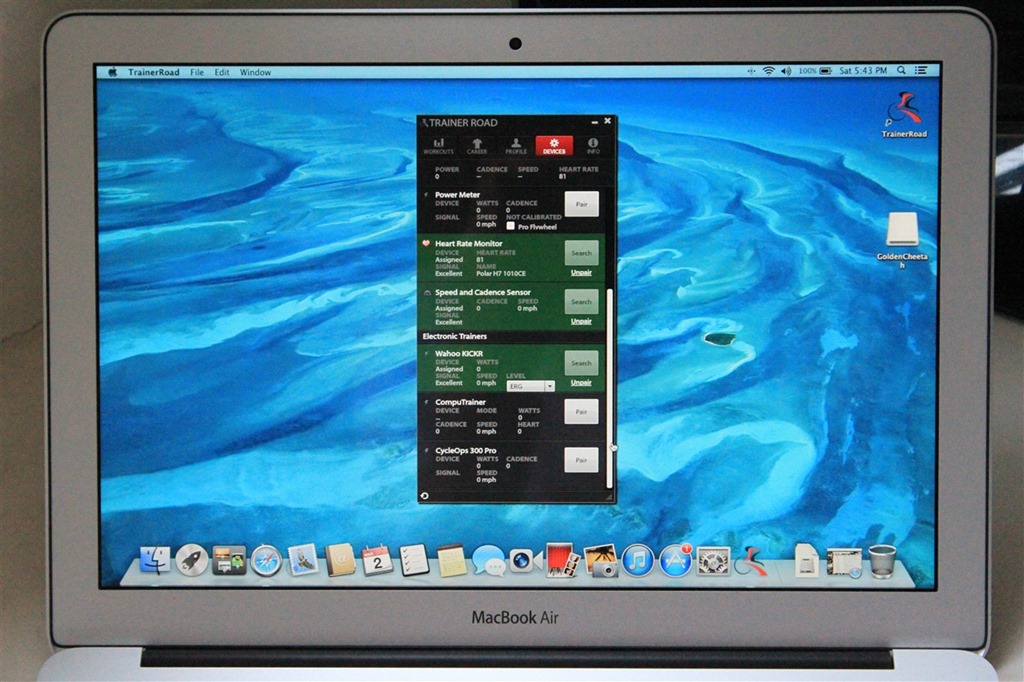
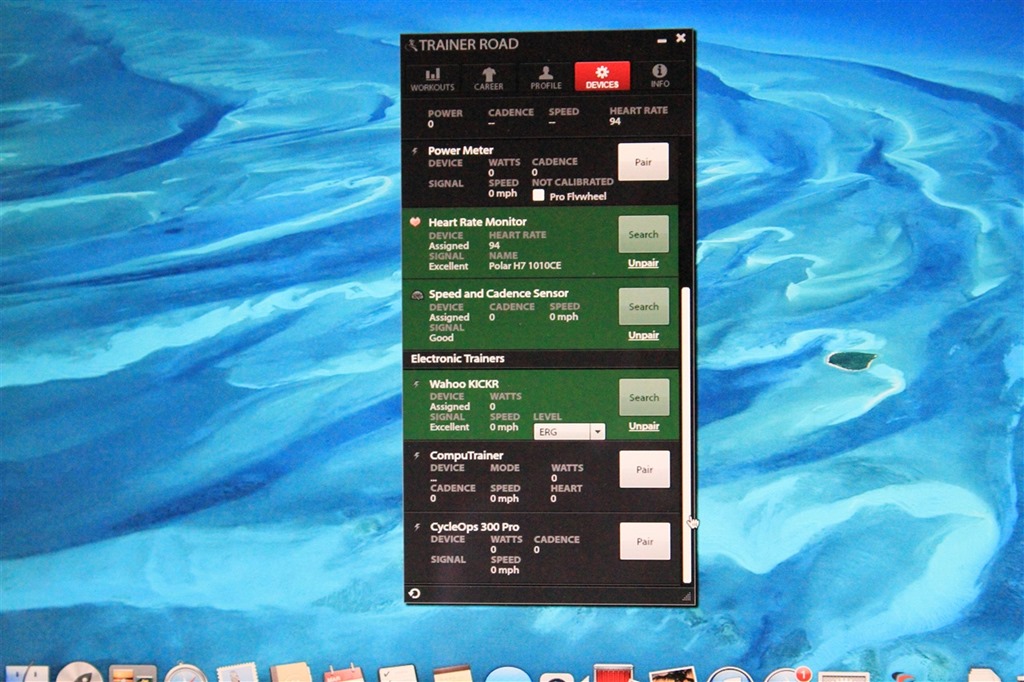
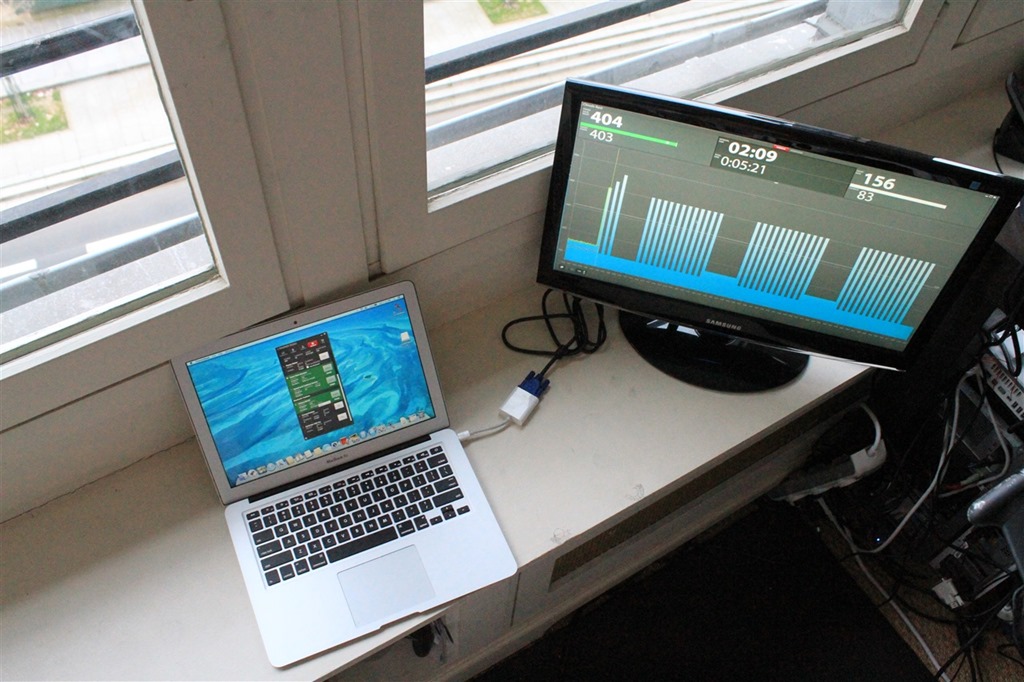
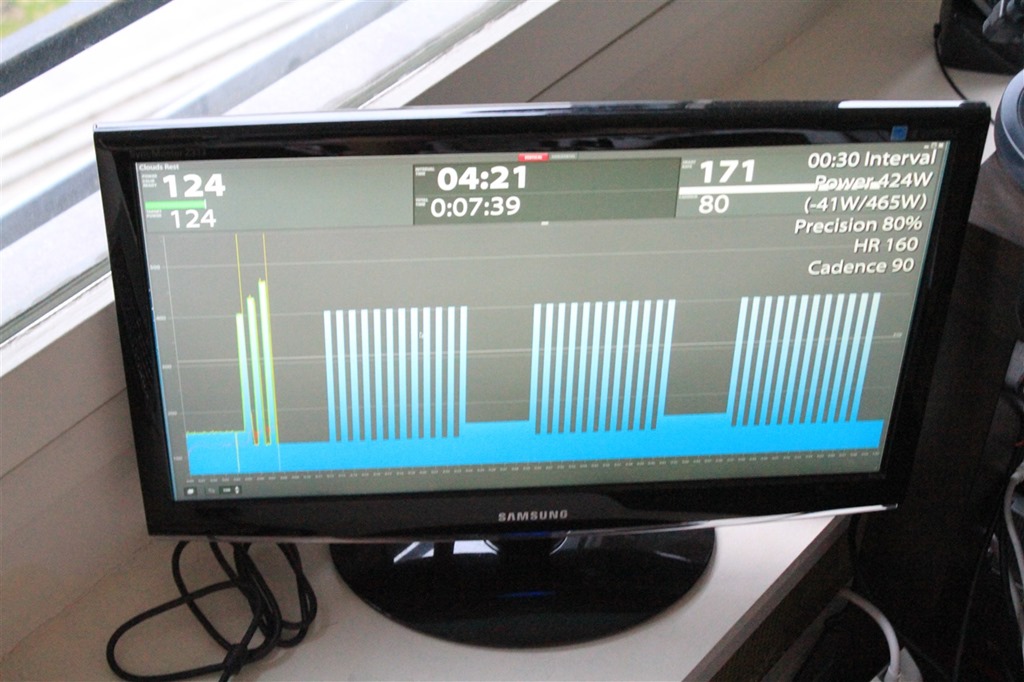
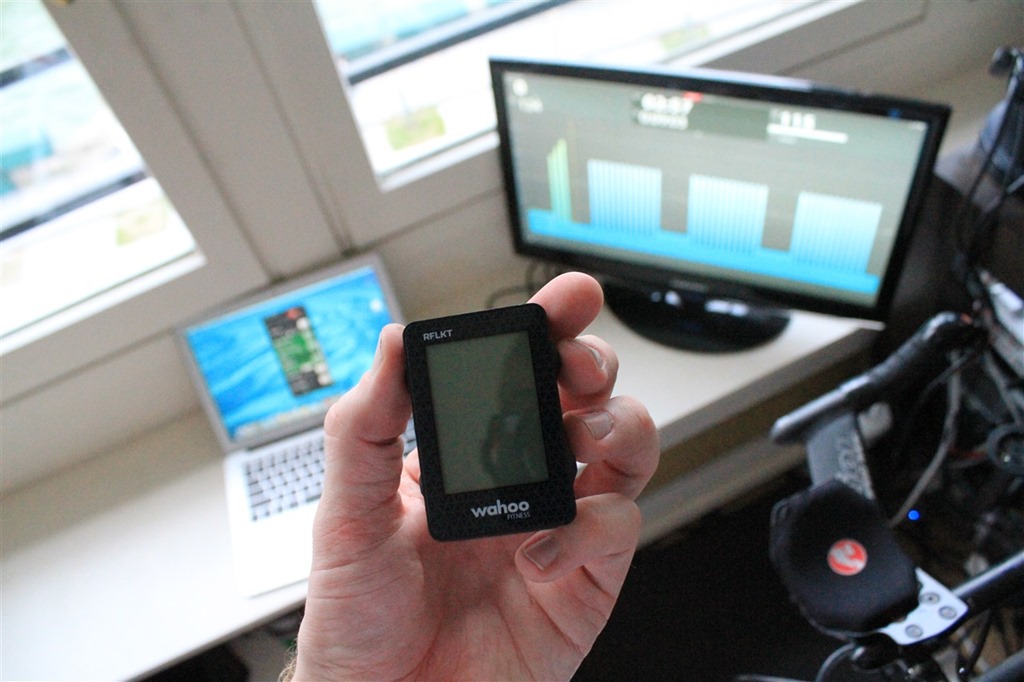
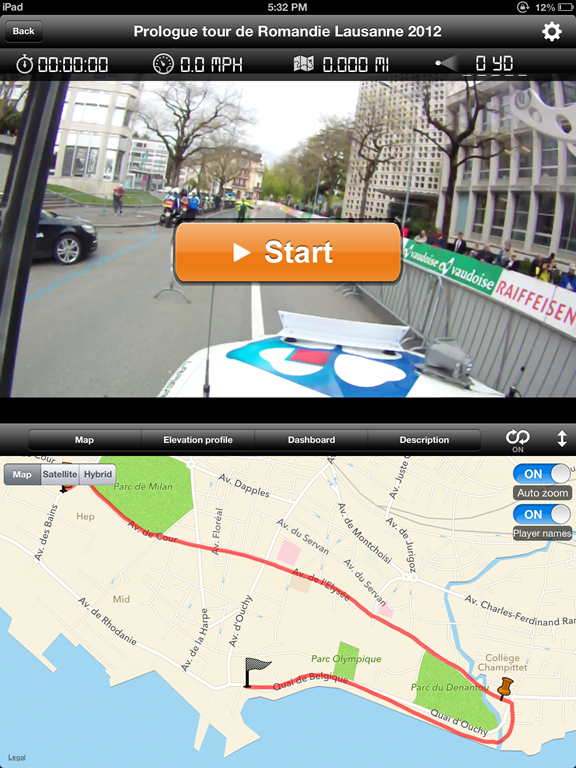
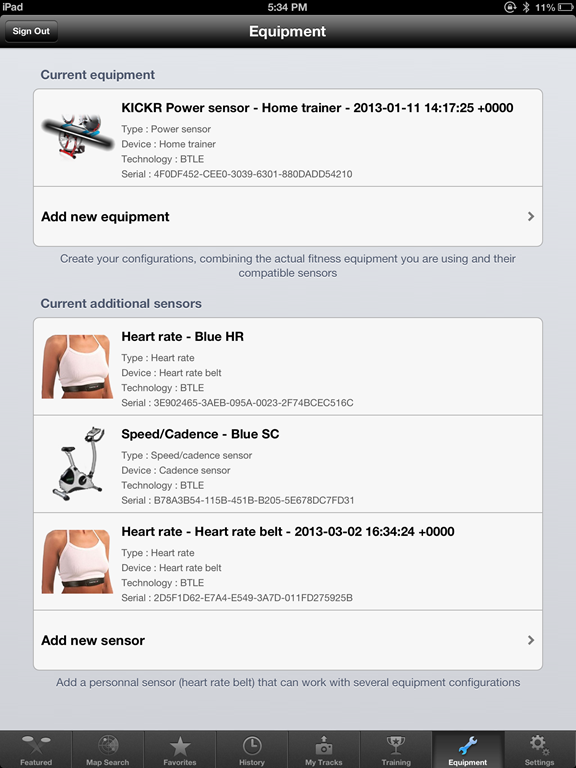
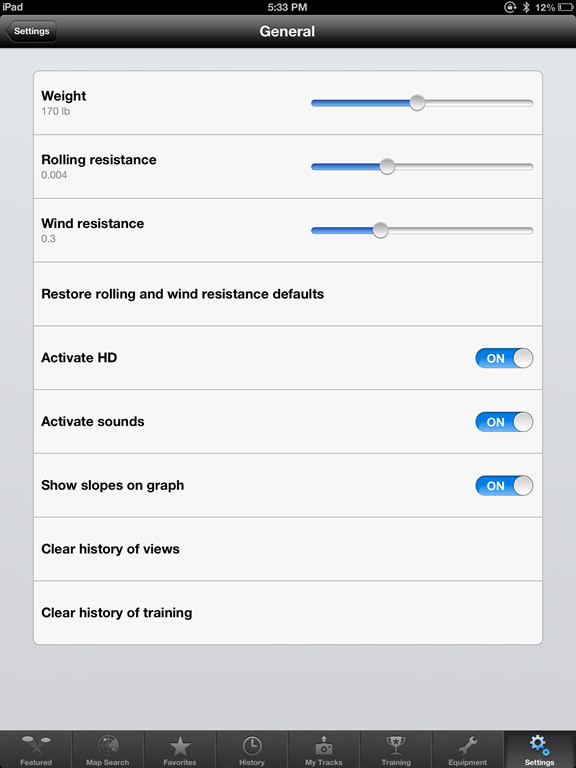
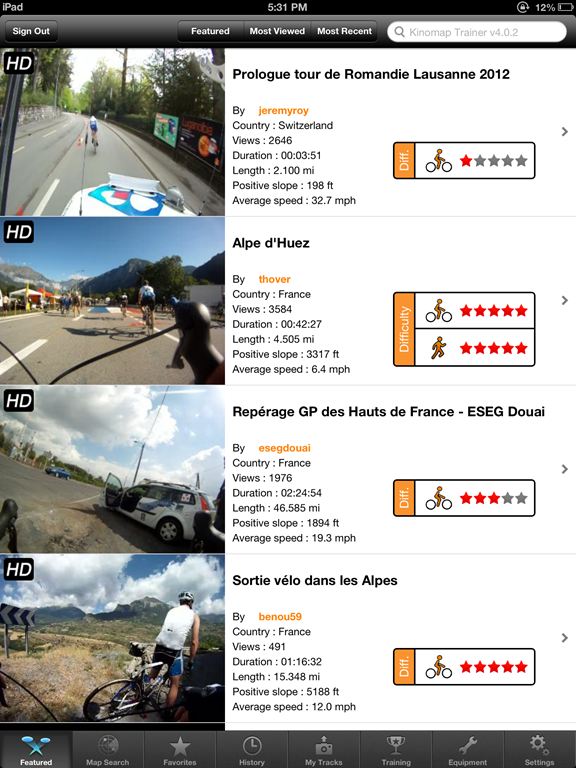
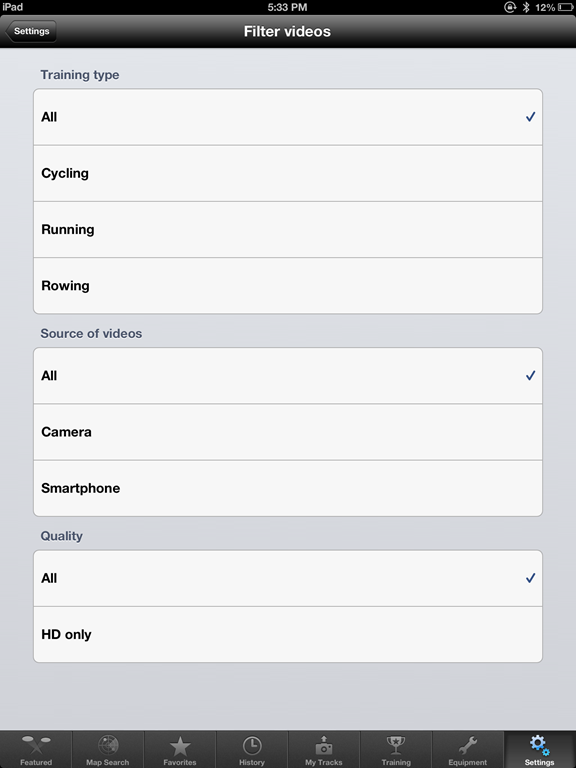
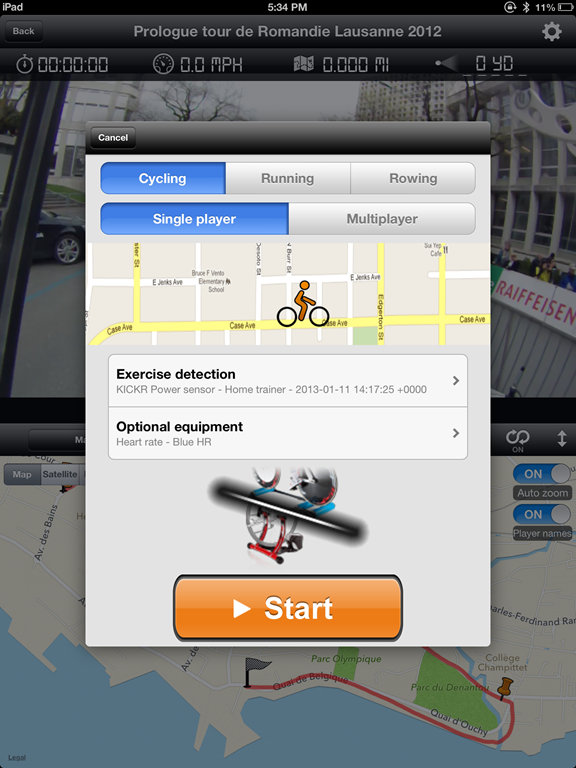
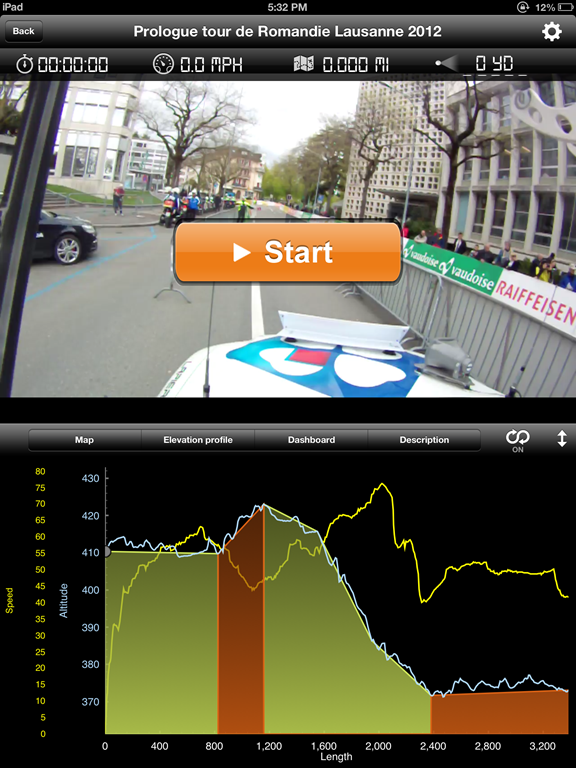
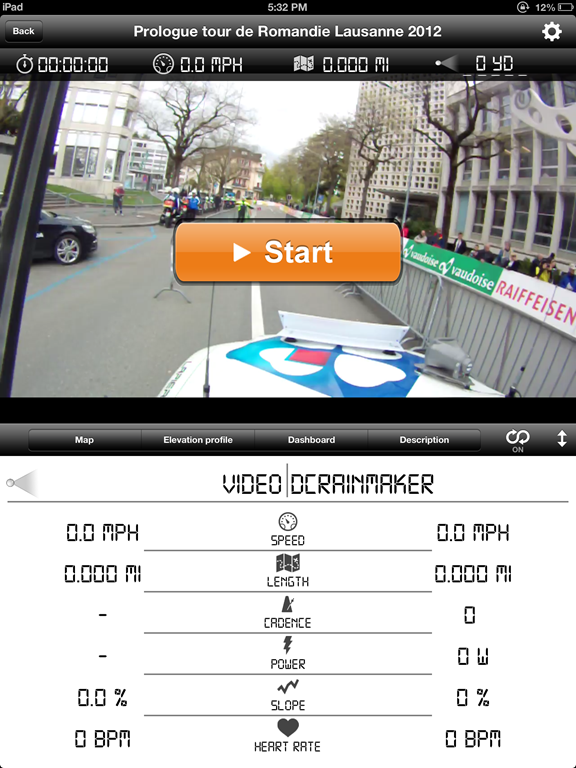

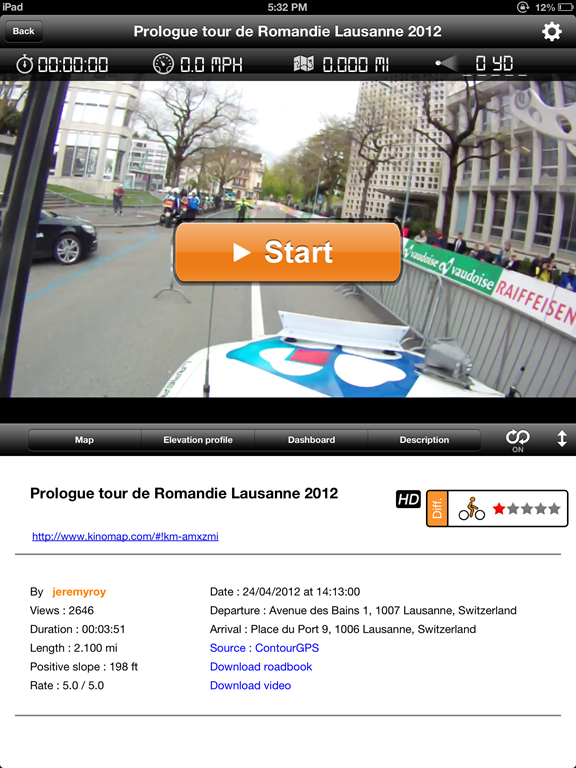
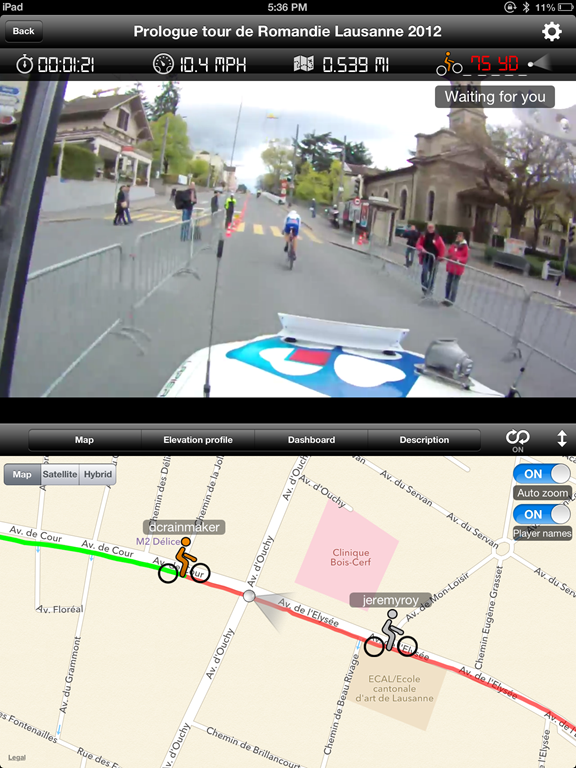


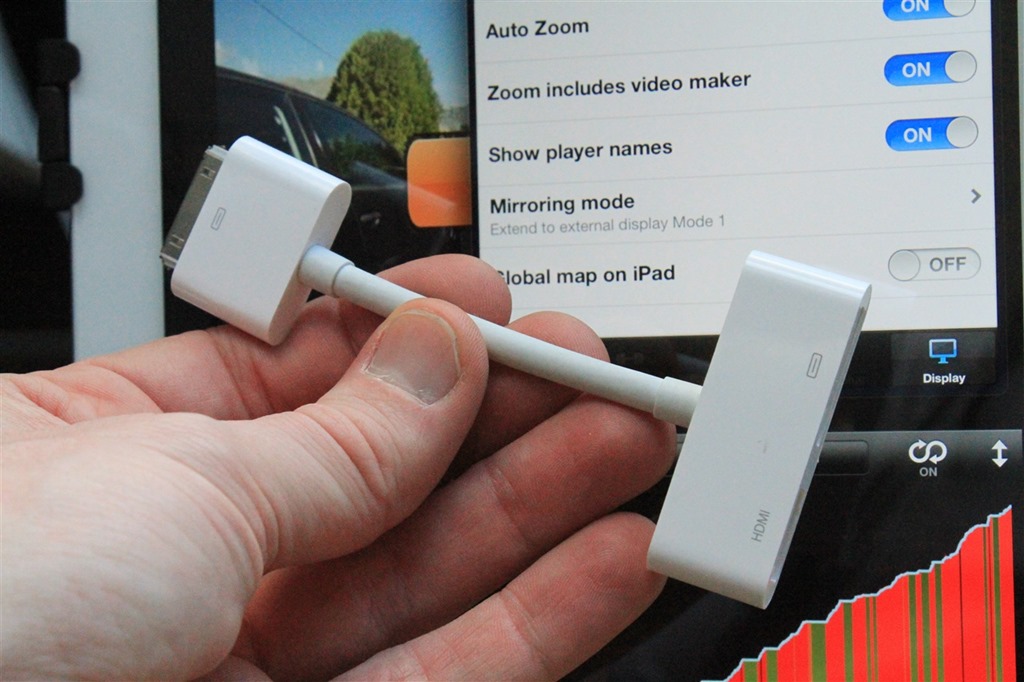
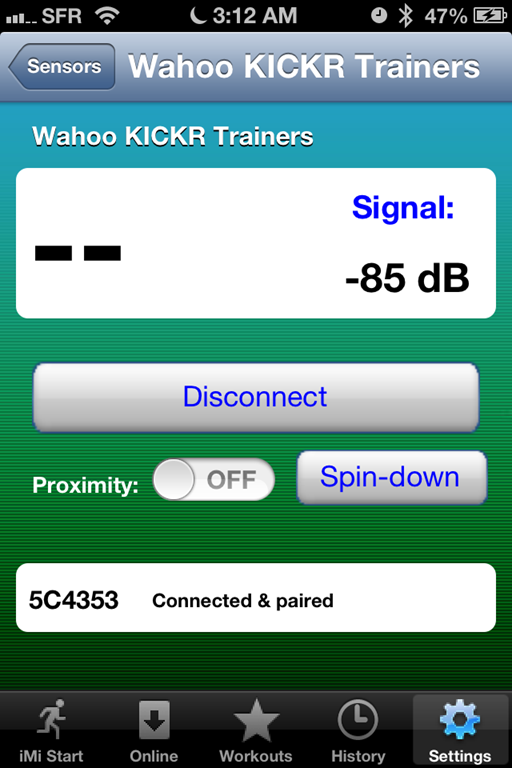
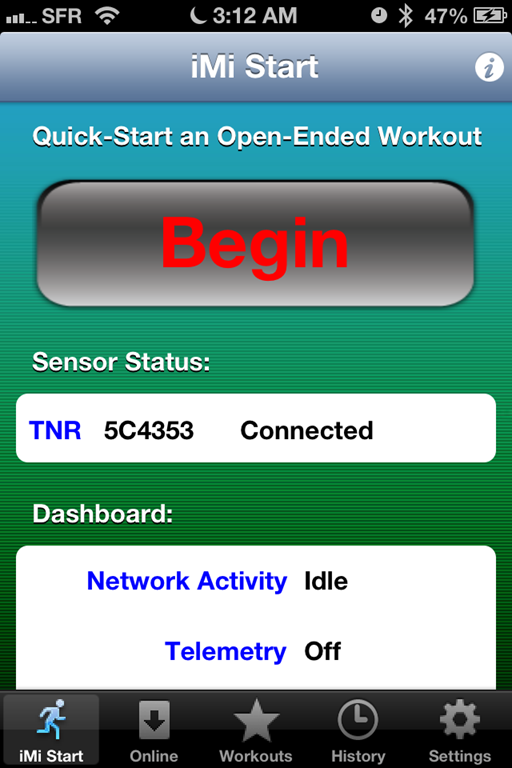
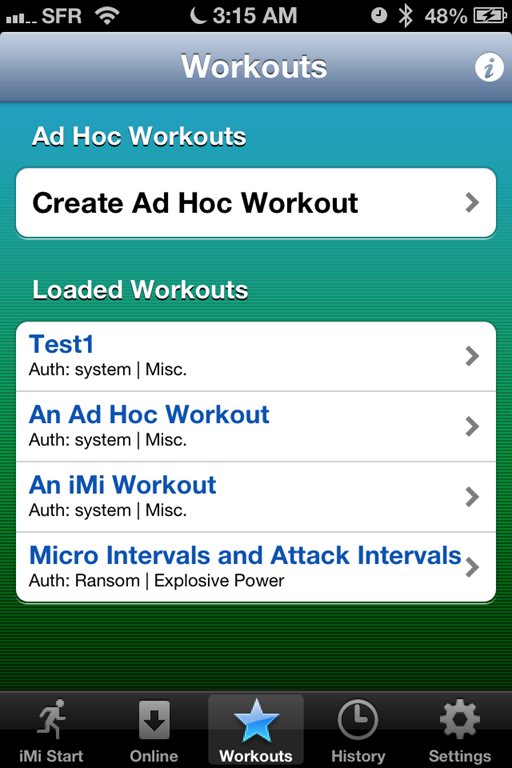
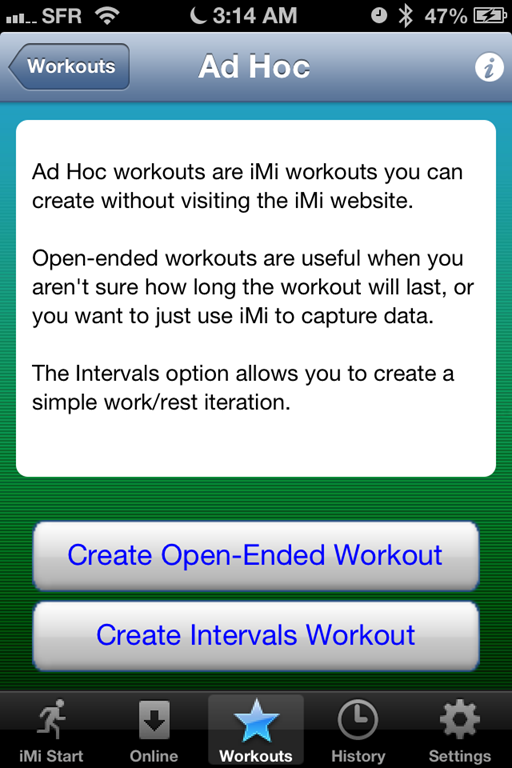

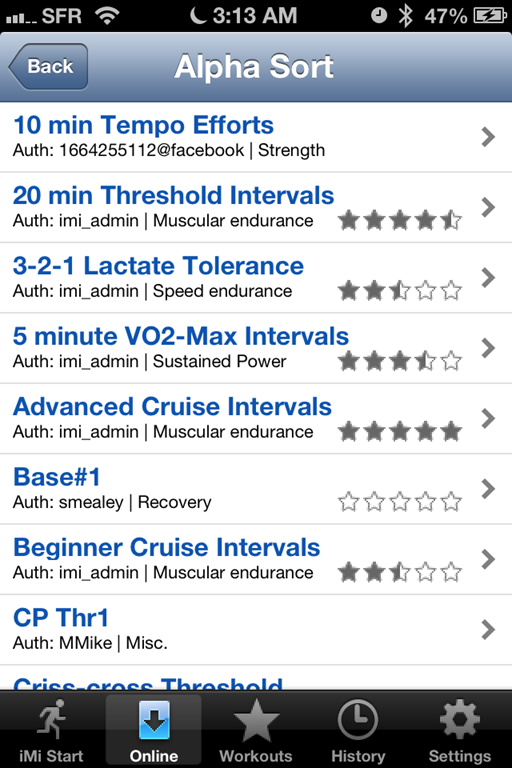
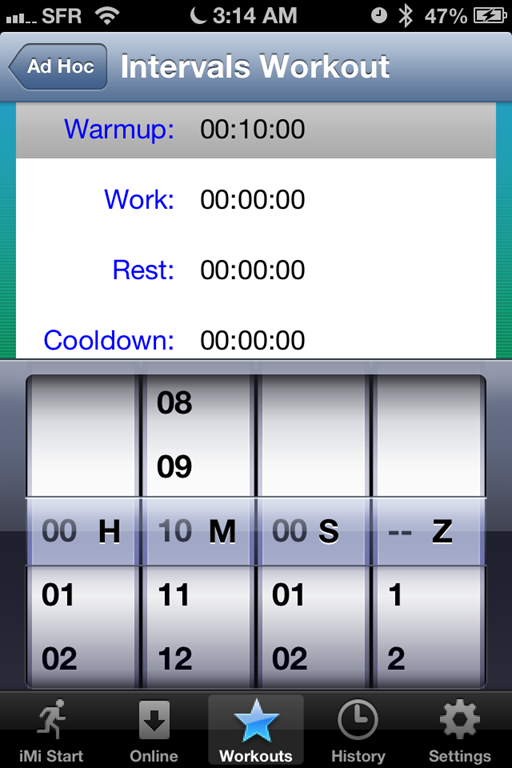

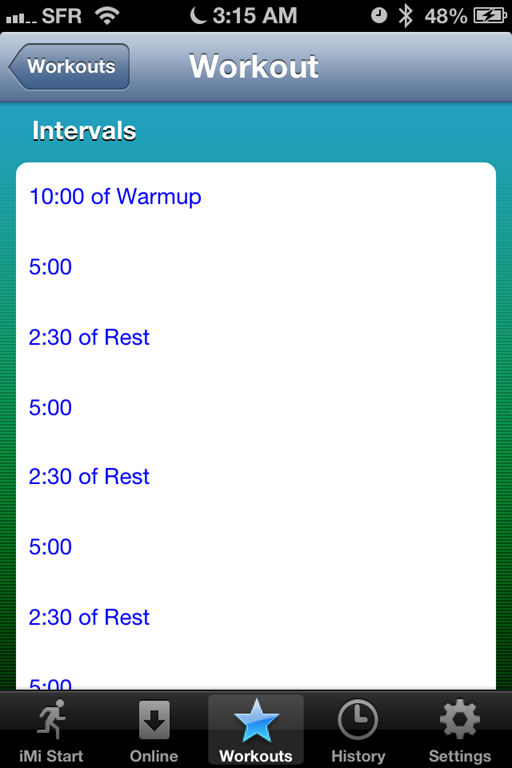

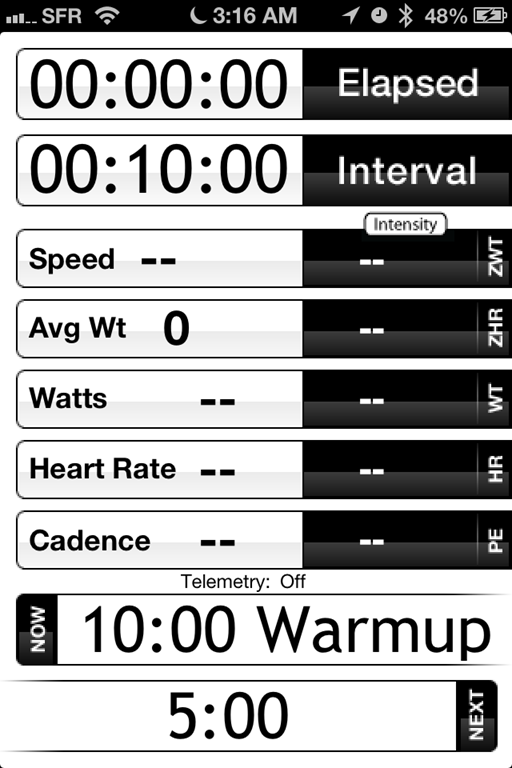
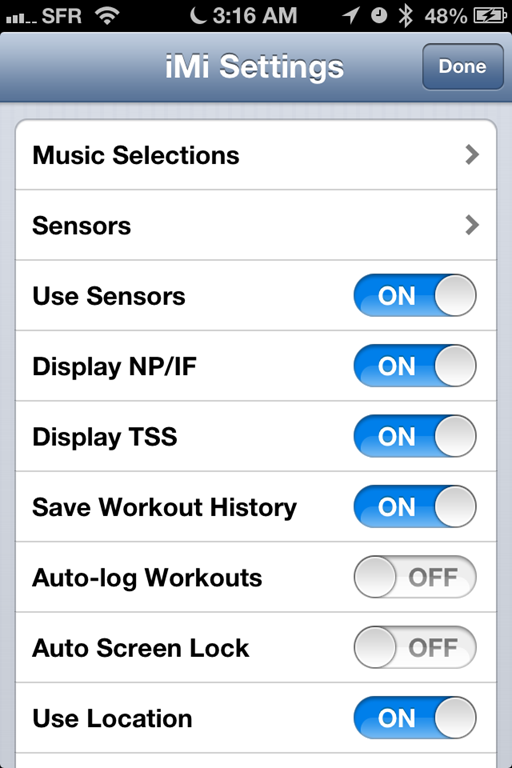
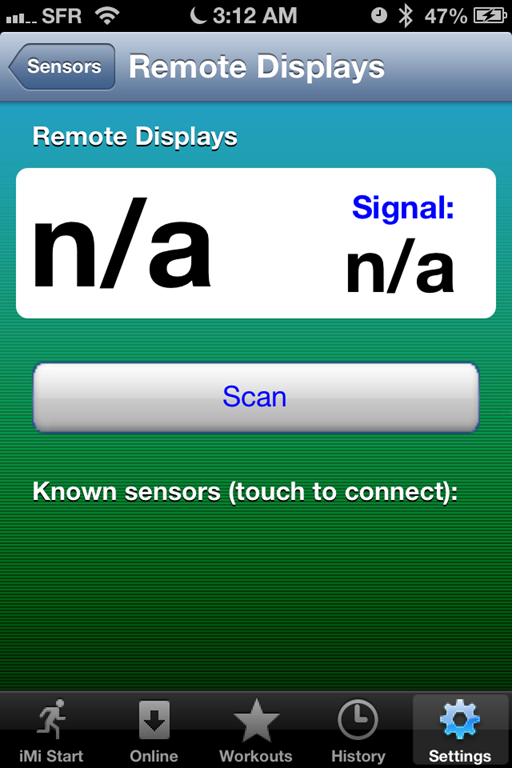
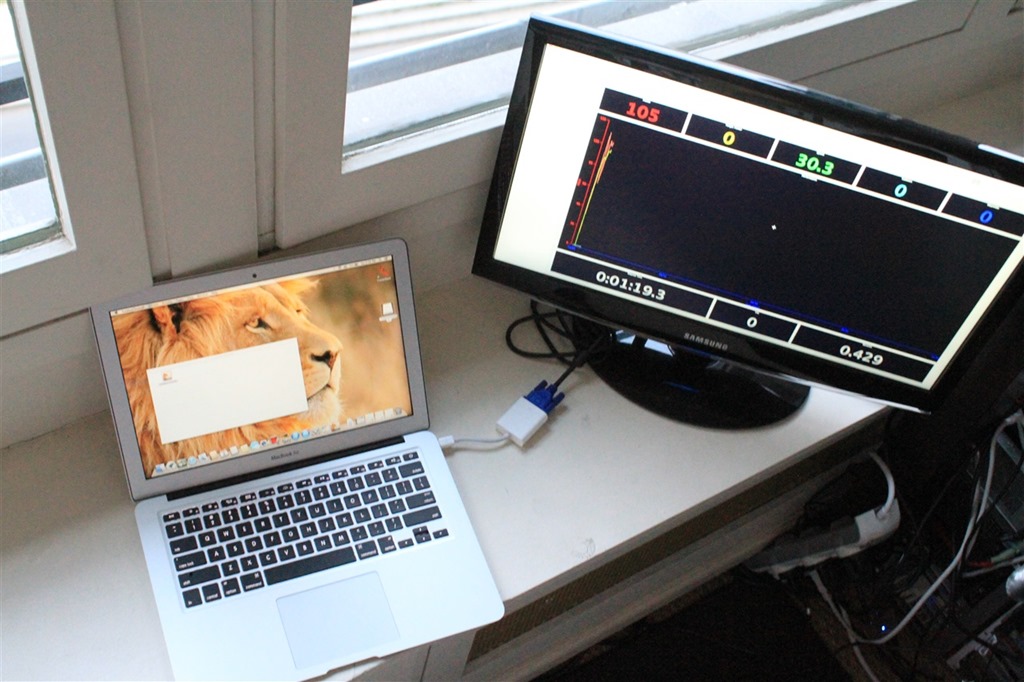
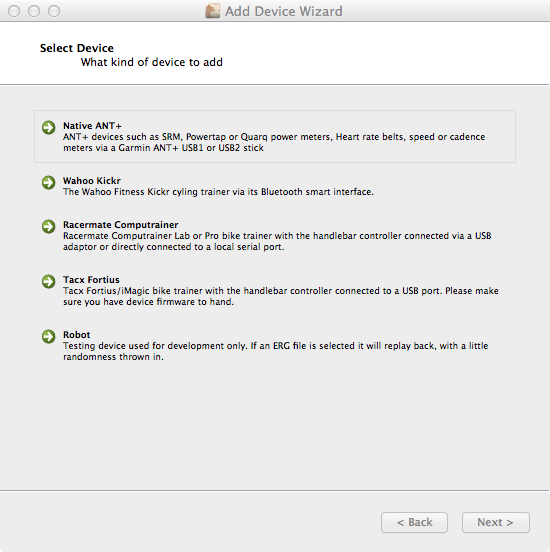
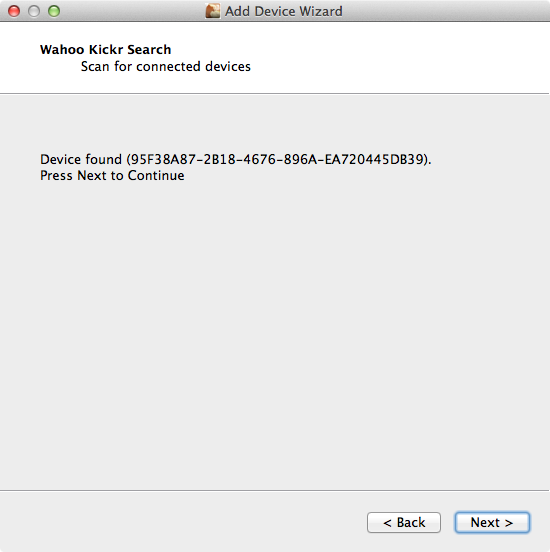
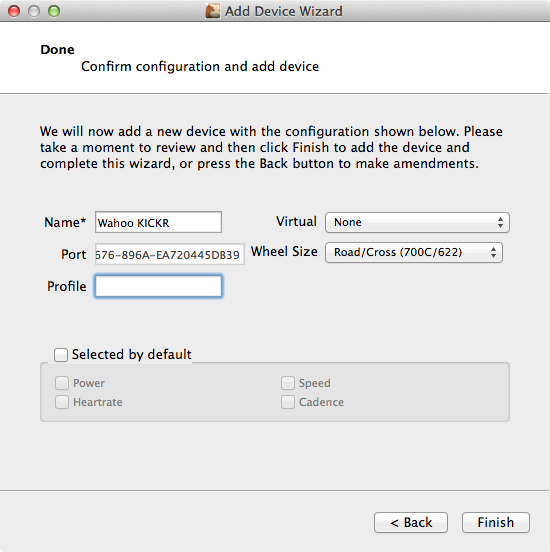
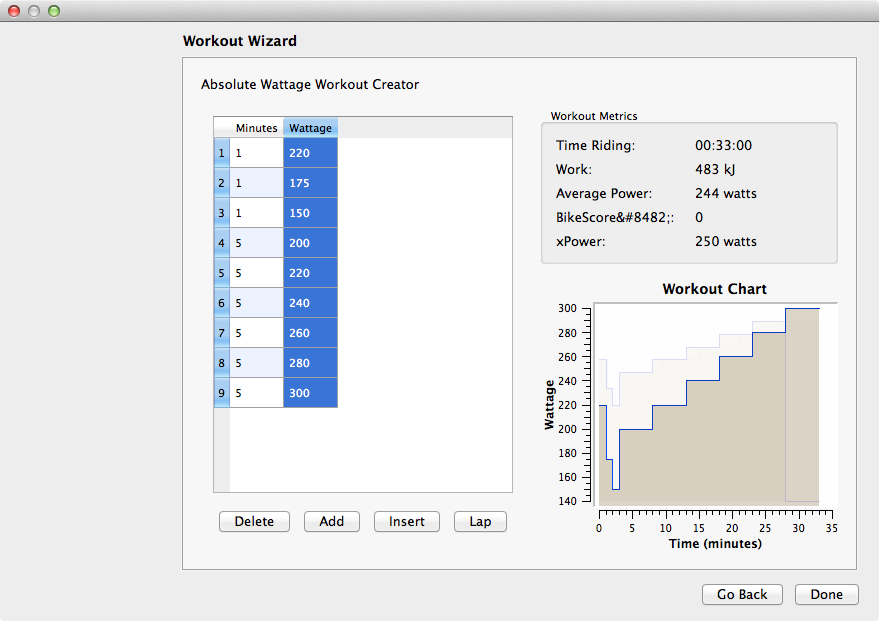
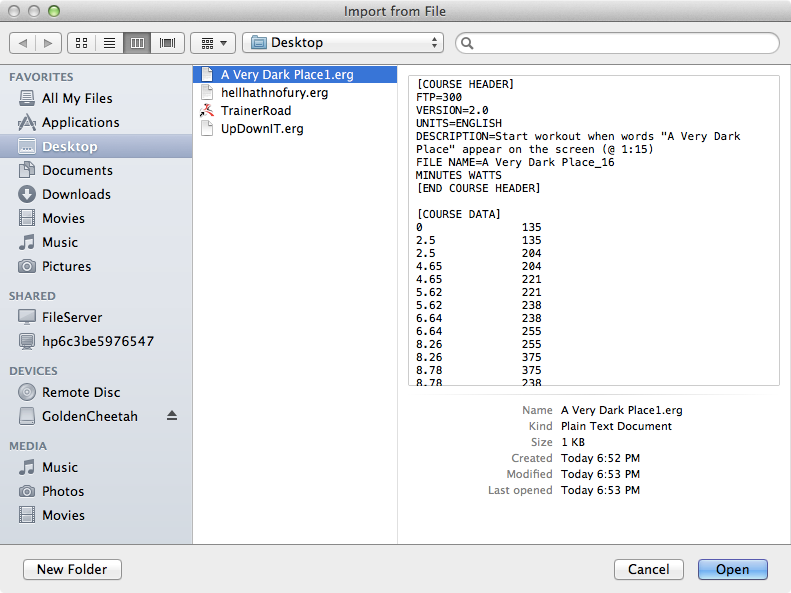
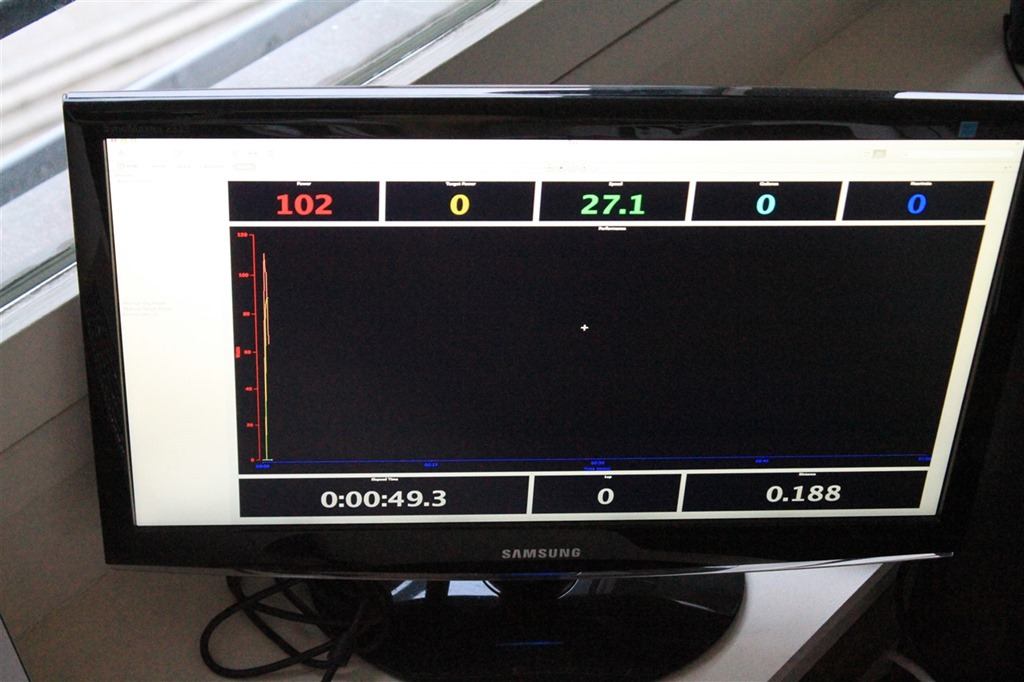
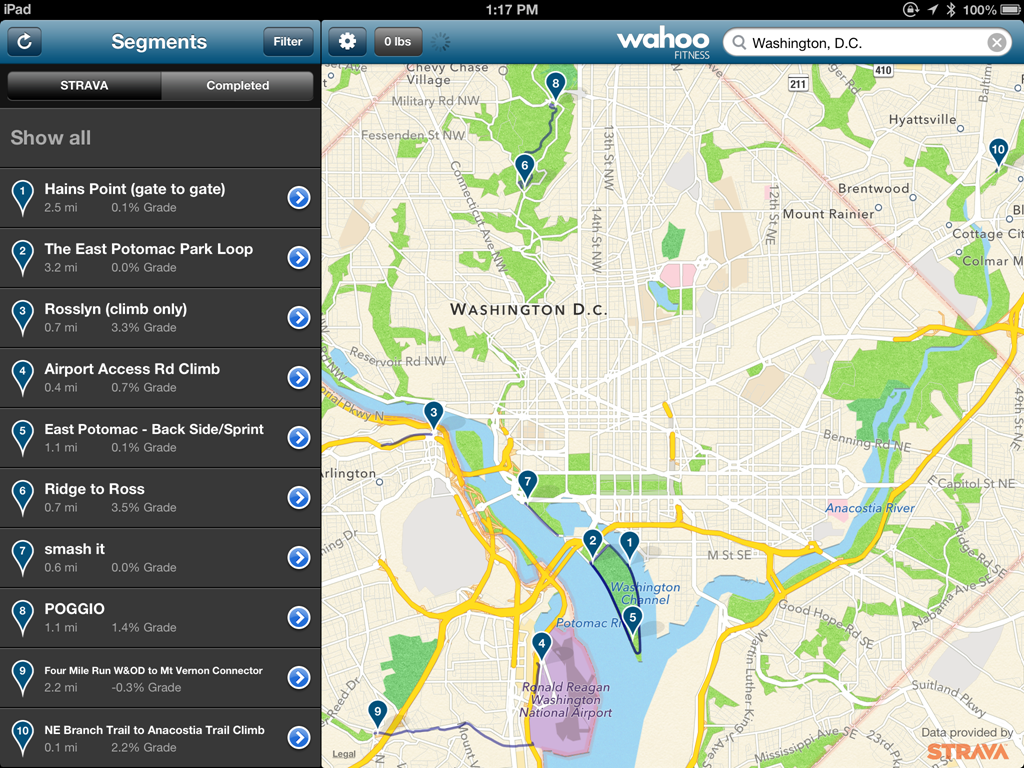
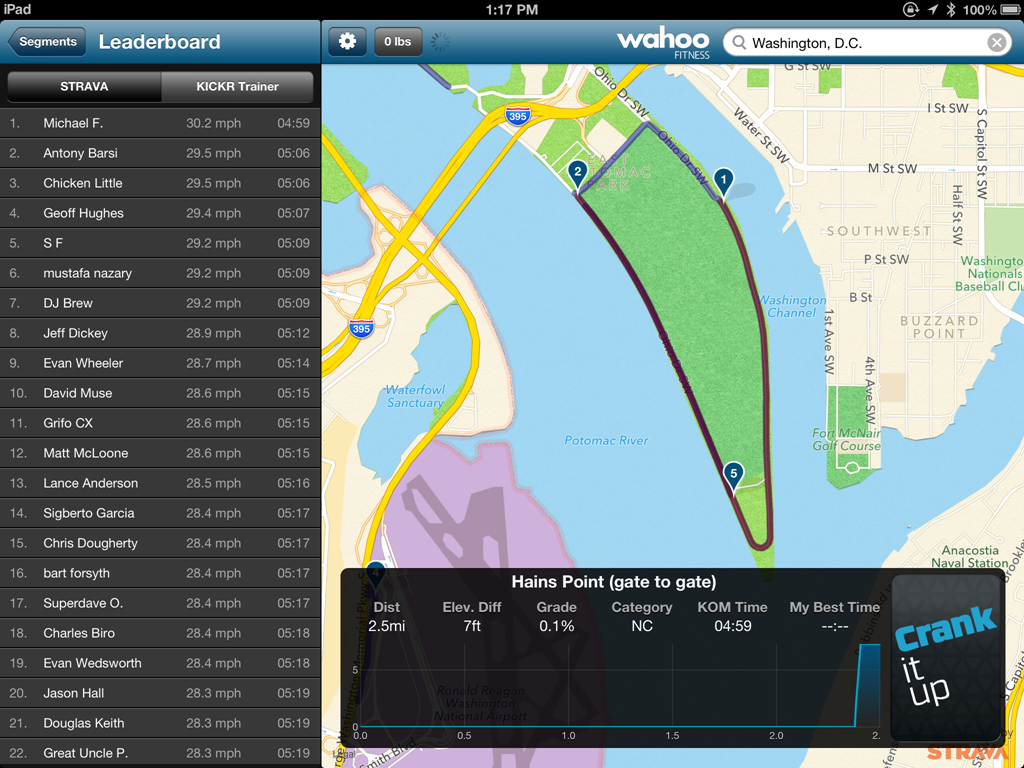
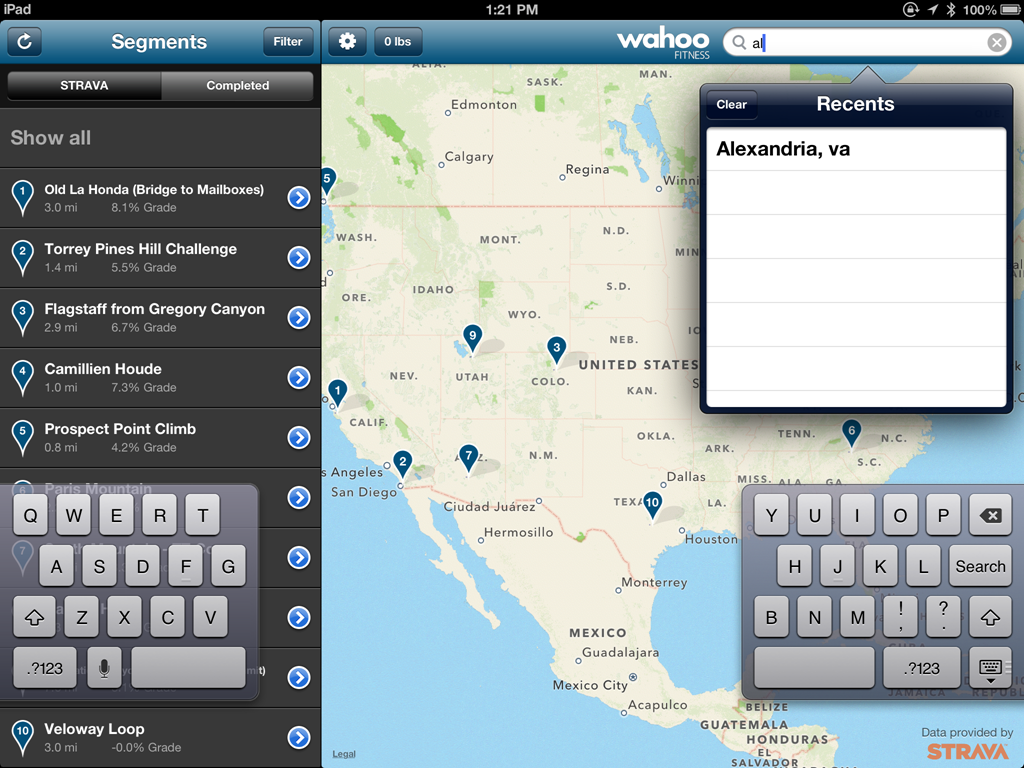
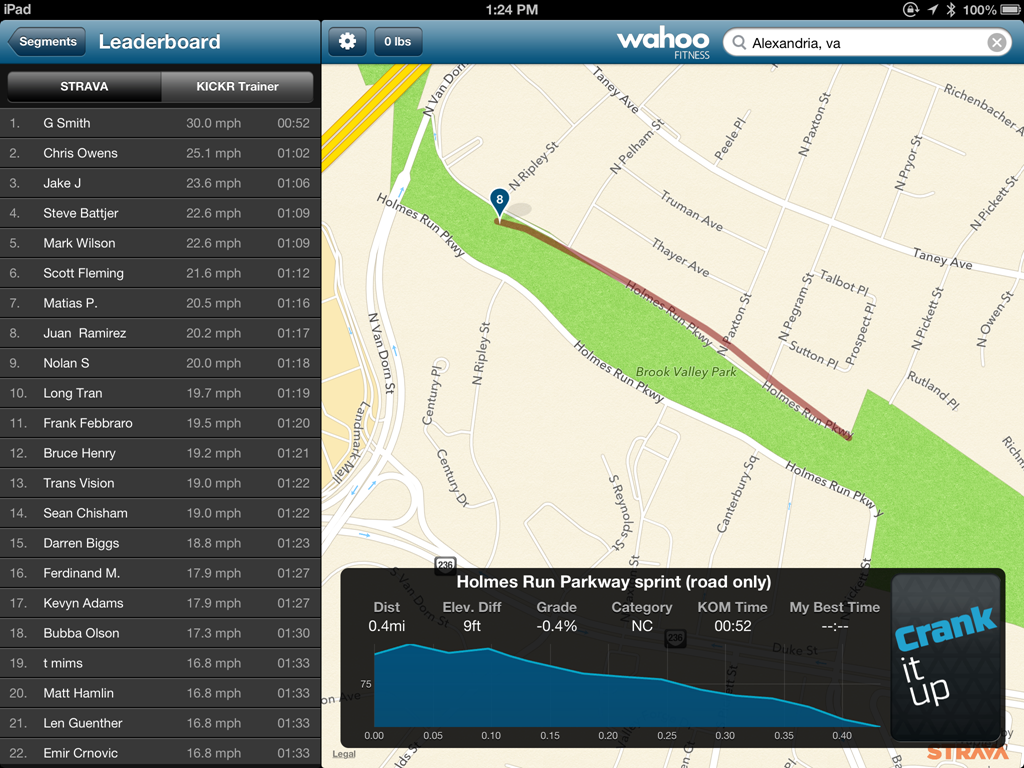
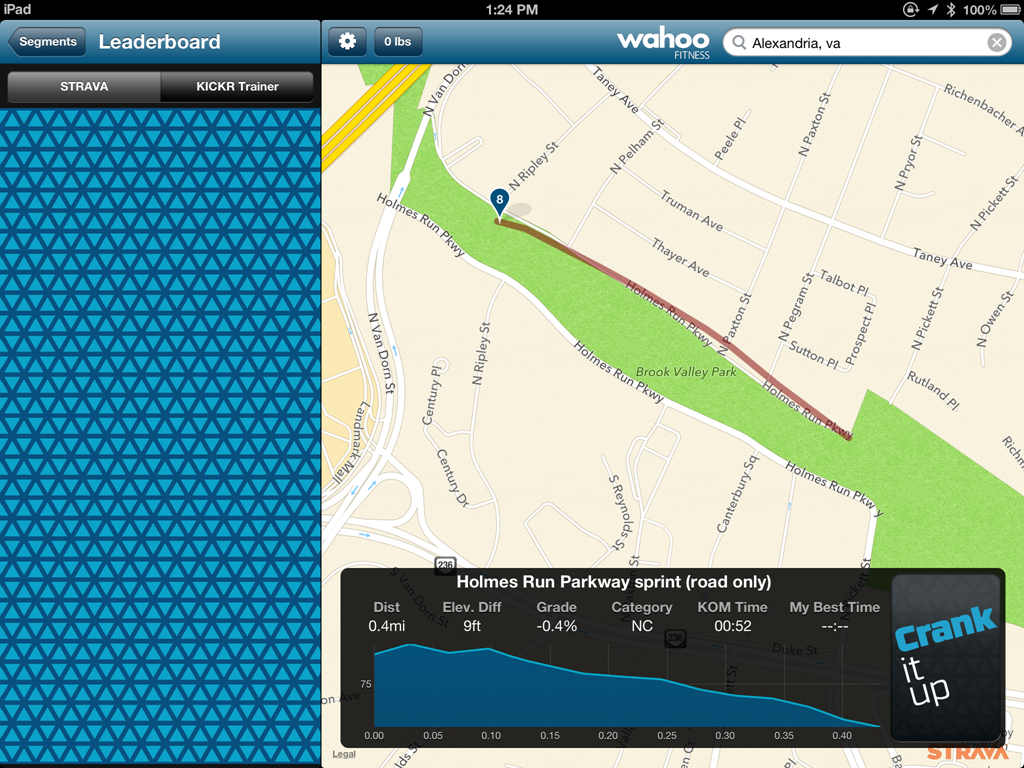
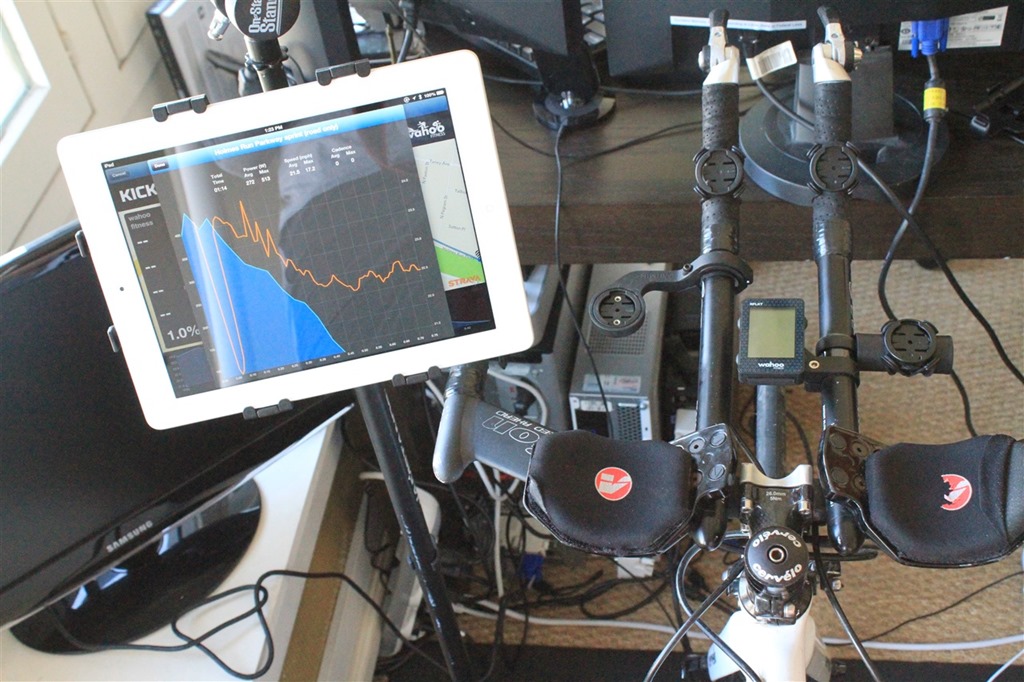
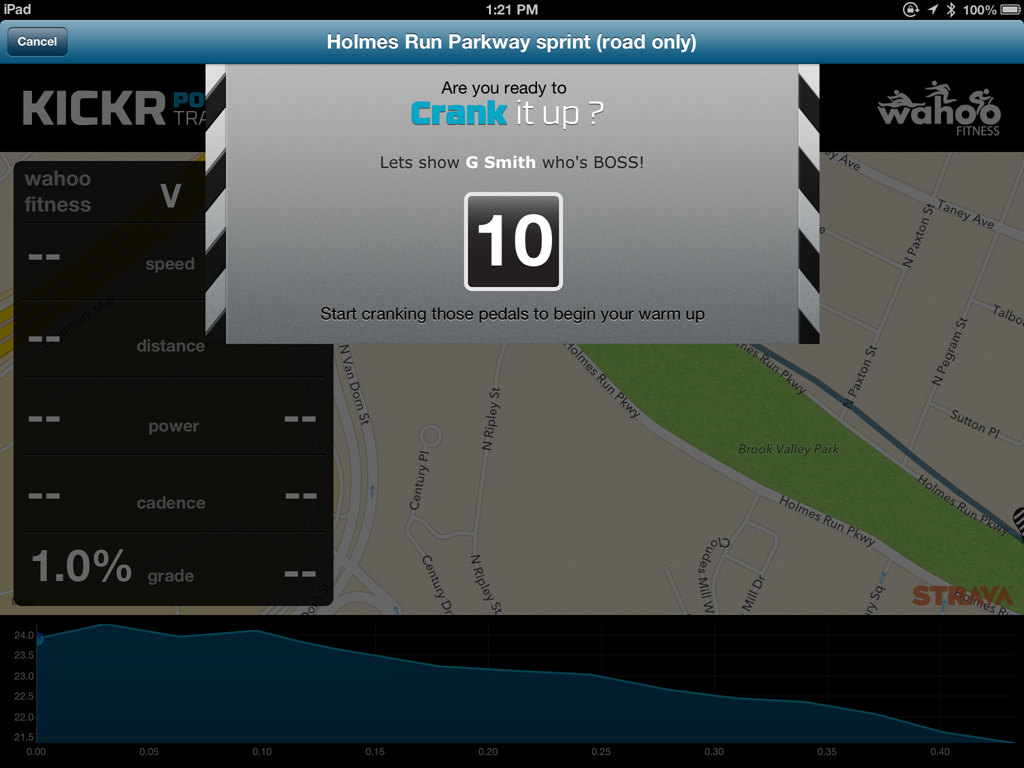

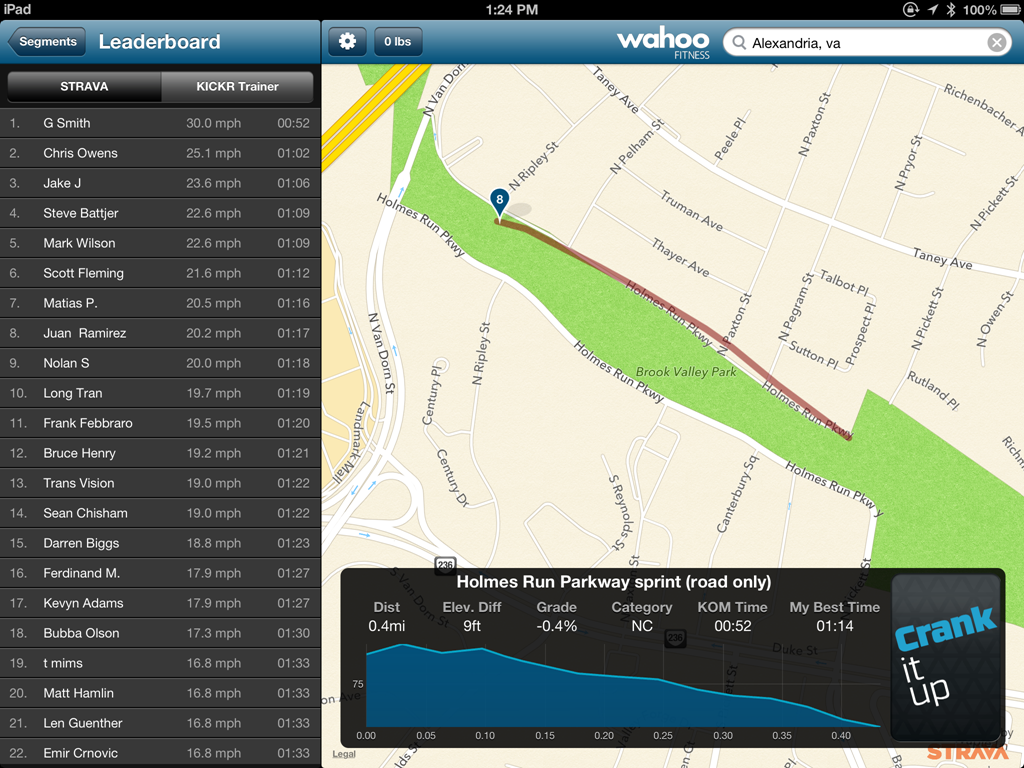

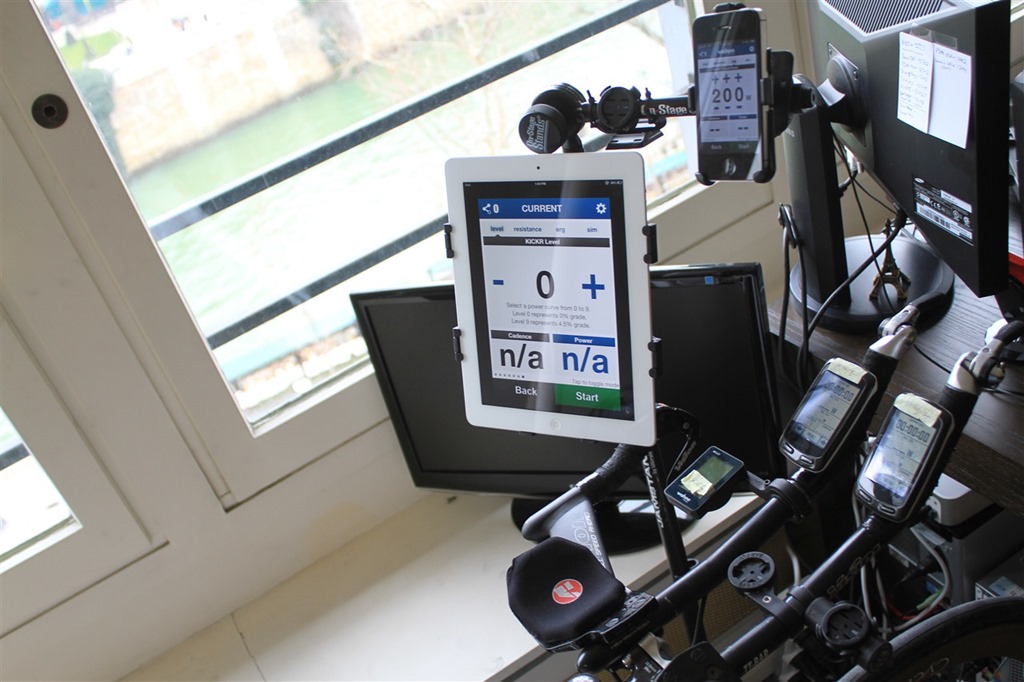
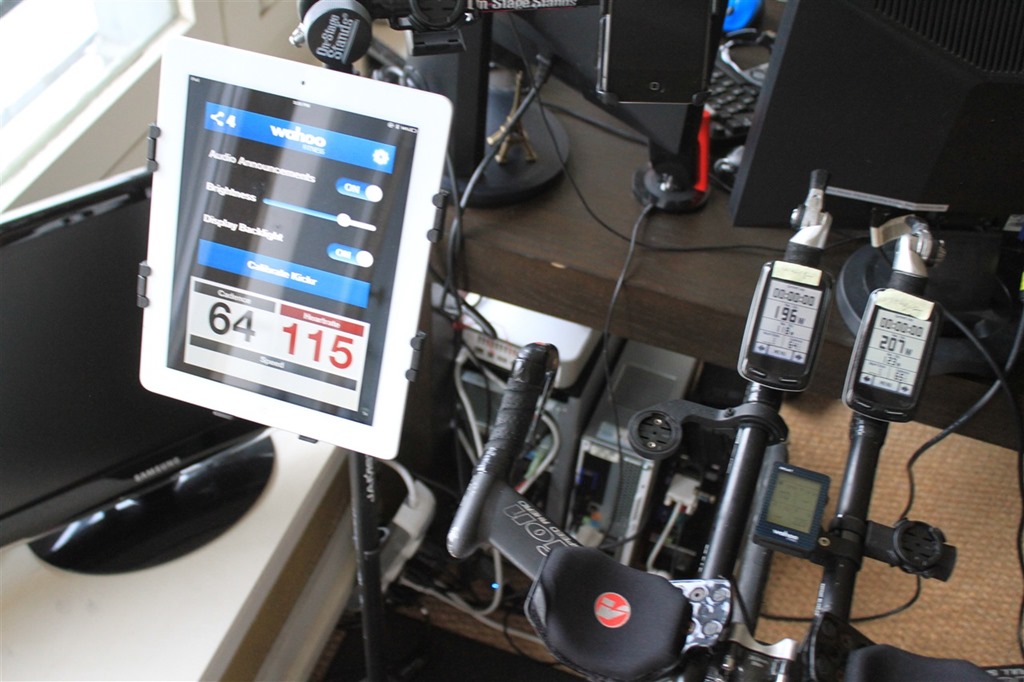
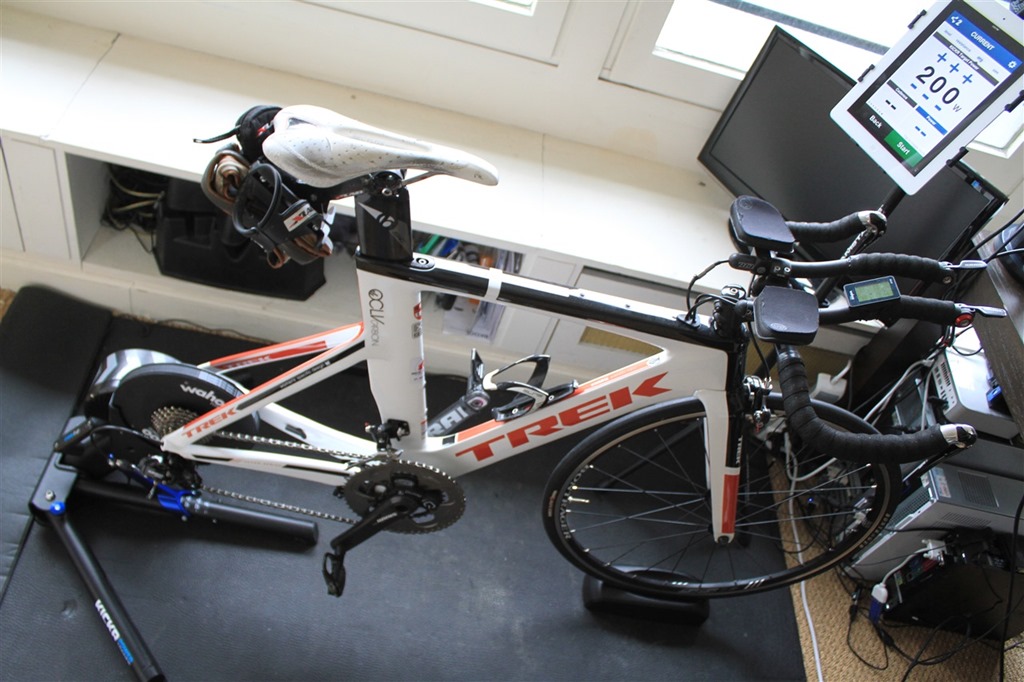
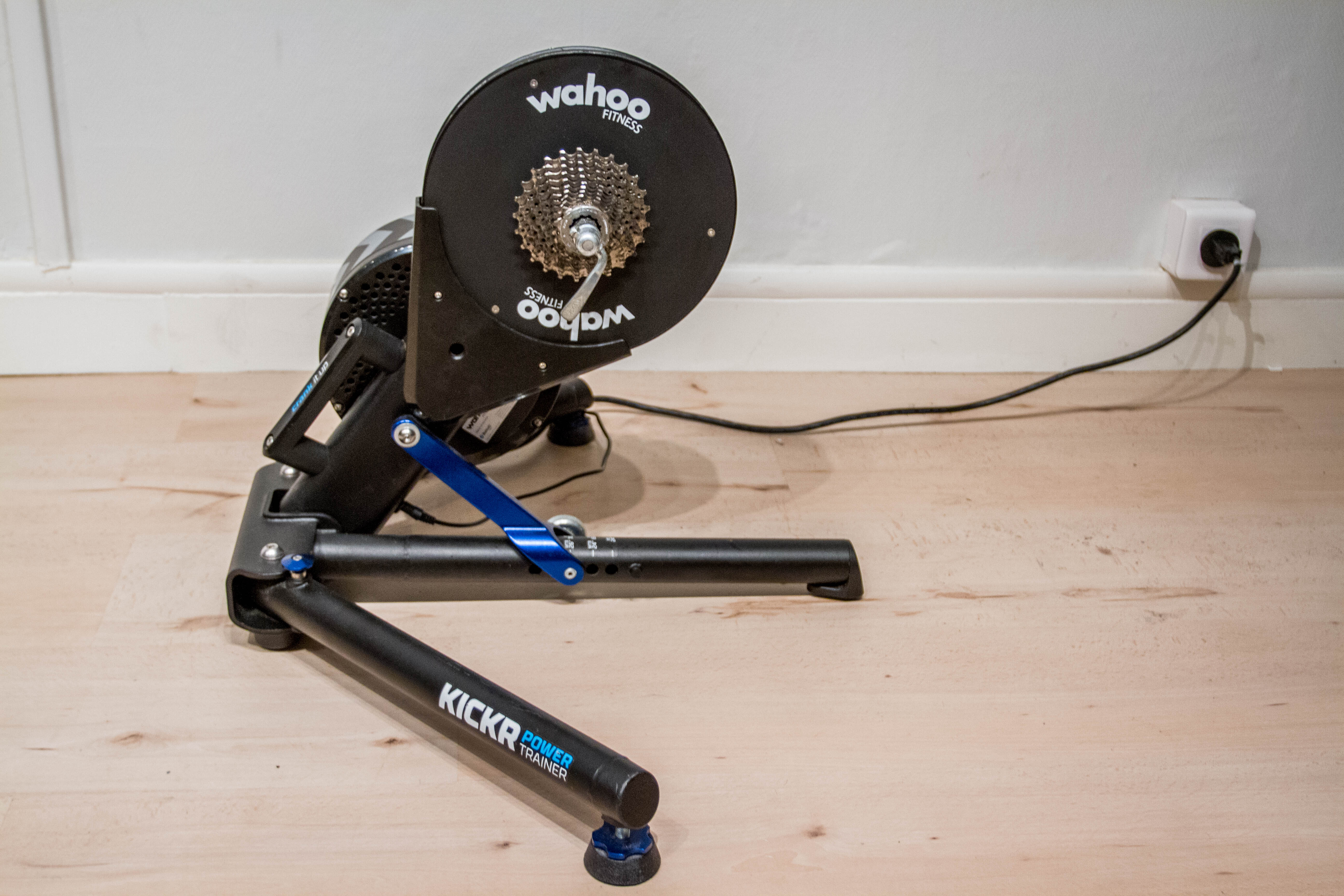
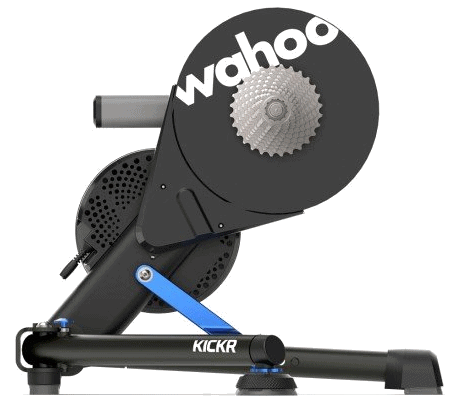


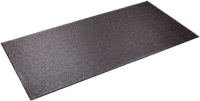
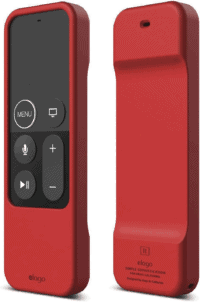
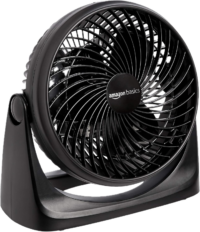
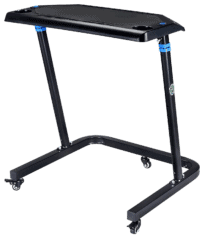
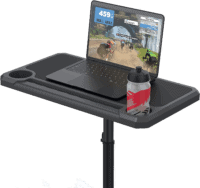
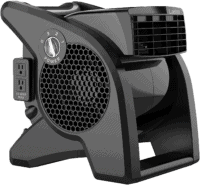
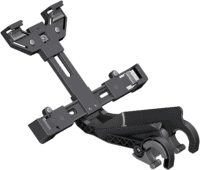













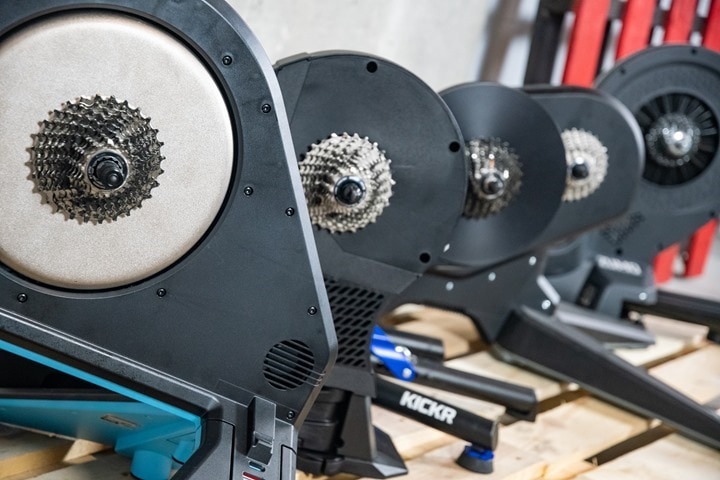





Hi Ray,
Is the unit compatible with a campy cassette? Maybe not a large market in the US but it certainly is everywhere else. What about Dura Ace 9000 (11 speed). Certainly will trickle down to lower tier groups soon and the 11 speed freehub is backwards compatible (but not the other way around) so it makes sense to take care of that right away…
Chip at wahoo said that they have some “adapters” on the way, but not available yet. Not sure if that means a cassette with a different spacing or a freehub body. KICKR comes with a 10spd shimano cassette. Therefore you can do campy 9-10 by using a cassette with all loose campy spacers that fits the shimano spline. I have a Miche 9 spd cassette with campy spacers that works great on the KICKR.
First thanks for all the setup information, it took me about 45 mins to get riding on the KICKR.
I know very little about bike components myself , our local bike shop thought that my Campagnolo 11 25 would fit KICKR 11 25 Shimano cassette. I’m riding with no issues, maybe some has a different experience.
Hey Dave,
The spacing for Campy and Shimano is slightly different but if you are not experiencing issues with excessive chain noise or skipping then it sounds like you’re OK. We do offer a Campagnolo Freehub for the KICKR which will allow you to install a Campagnolo cassette (link to wahoofitness.com).
Pretty disappointed with the Segments app. The promise is there but most segments are pretty unrideable simply because the GPS data is inaccurate.
I gave ridden over 300 cols across Europe and none of them have gradients that jump around all the time – one second 0%, the next 8%. It’s completely unrealistic and nothing like riding the real thing.
Wahoo could fix this by building in a smoothing algorithm that would eliminate these false variations.
Until they do that however, the app will fail to live up to the promise/hype.
Michael P,
Sorry that you are disappointed, the quality of elevation is one of the main reason the app was delayed nearly 12 months. GPS and even online lookup databases have VERY poor elevation data.
Strava has corrected many of popular Segments using data from Altimeters (Garmin 800’s) and these segments are very good. Popular climbs over mile are really good and Strava is continuing to scan and update the elevation data. Strava now has the best elevation database on the internet.
We also use 2 different types of filters on the elevation data, but unfortunately, like many before us have found these algorithms not always to be perfect and mostly work well in mountain environments.
We are continuing to work on improving the data and future version should give some greater control over the filter parameters so they can be manually tweaked for different use cases.
Thanks
Murray
Thanks for the excellent review. It is amazingly detailed and very useful in the decision making process. I tried to use the code DCR10TXS at checkout in the discount coupon field but it does not work.
So to use the Kickr with trainer road? i need a bluetooth dongle? or will the ANT+ Garmin USB stick work?
For TrainerRoad:
If on a Mac: Then you’re good to go (as long as Mac is semi-recent), otherwise $12
If on a PC: You’ll need to wait likely at least a few weeks for the ANT+ control via the Garmin USB stick
I’d add to the Cons section that it’s not available for international orders at the moment.
Once again a fantastic review.
As a non Apple user I am especially interested in options of using the KICKR with Windows or Android.
It seems currently there is no such option, is that about right?
Do you plan on updating your review once such software becomes available?
Yes, I’ll definitely be updating as soon as I have beta versions of those apps (and am actually home to tes them out). I expect both will happen mid-later this month.
I have hardware to test everything current on the market.
Is the 4 of March still the shipping date?
Yes, my understanding is initial orders went out last evening. Or at worst this morning (haven’t talked to them since yesterday).
got a email from wahoo the other day it reads as follows
Dear Wahooligan,
Greetings from your favorite KICKR fairy! Week after week I have had the pleasure of keeping you up-to-date on all the great news surrounding your forthcoming KICKR. Unfortunately sometimes even fairy magic can’t fix all the problems. During our final testing process we discovered that the spacer spec’d in the first run of KICKRs were the incorrect size; and on rare occasions can cause the freehub to bind. We have been working diligently to solve this issue and are having new spacers and freehubs manufactured and overnighted to us from our factory. That means come Monday morning yours truly, and the rest of the Wahoo team, will be dropping everything to head to our fulfillment center. We will be opening each and every KICKR box, replacing the necessary parts, and testing each unit. How’s that for some Wahooligan love?
Now for the good news! While open, your KICKR will also be getting a fresh firmware update so you’ve got the latest and greatest version when it arrives at your door. These two processes, unfortunately, will cause a slight delay in shipping. However, we’ve got the espresso machine primed and a killer playlist teed up…..we don’t plan on sleeping until the last KICKR is ready to ride!
We will be shipping KICKRs as they get updated and yours will ship based on your reservation spot. Some will be able to ship on March 4th as promised, but others will be delayed by a couple of days. When your KICKR is ready I’ll send you a link to a secure payment page so you can complete your order. Be sure to keep an eye on your email over the next few days. Feel free to reach out if you have any questions.
Thanks and I’ll keep you updated!
looks like the computrainer is going on craigslist in 1 or 2 days
what are your thoughts on chain wear (i.e. the cassette and chain wear together)? Do you think I would have issues with the same chain effectively using two different cassettes and wearing unevenly across both of them? There’s nothing worse than a jumpy chain on a hill — I’d like to avoid that here in VT.
thanks!
Chain stretch is a result of riding on a worn cogset. So if you keep your drivetrain clean and change cogsets before they wear too much, you can change between cogsets (and extend the life of your chain) without much trouble. Its worth noting that in the case of riding an ERG workout on the KICKR (meaning that the trainer sets the resistance dynamically to make you output X watts) it doesn’t matter to the trainer what gear you ride in, so you can easily end up doing much your riding at whatever resistance set by the trainer without changing gears, and therefore in the same cog all the time. You might wear out one cog well before the others this way. This can be fixed by making sure you ride in different gears.
Tangentially, one of the cool aspects of ERG mode is that you can easily simulate different “speeds” at a given intensity just by changing gears. Want a fast paceline or motorpace simulation? Just make an interval workout 3mins at zone 3 (tempo/subLT), 20 secs at zone 4b (super-LT) or zone 5, times whatever, ride it in the 53/12 et voila, KICKR will let you ride that speed, at the cadence you want, at the watts specified for you in those zones.
My understanding is opposite of Ransom. It’s the chain stretching that generally causes both cog and chain ring wear. So replacing your chain regularly greatly extends the life of the cogs/chain rings. I believe the chain is ultimately the week link in the drive train and should be replaced regularly. I get about 1.5k miles on a road bike and under 1k on my mountain bikes. Clearly the torque you put on it impacts this greatly.
So to answer the question, if you have a chain that is in good shape (not stretched) using multiple different cog sets shouldn’t be a problem.
Regardless, as Ransom noted, it is a good idea to vary the cog used especially when in ERG mode since the gearing doesn’t really matter. The kickr is going to adjust the resistance to match your cadence.
thanks for the input guys. I’ll seriously consider changing my chain more often then I do.
Thanks for your hard work Ray! I see 3:15AM on some of those screen grabs….
I’ll just post a couple clarifications about my iMobileIntervals app:
* Ray reviewed a beta build; KICKR support is not on the Apple App Store yet but will be submitted in a matter of a day or so.
* The app is supported by a free website (http://imobileintervals.com) where you can build your own time-based interval workouts with assigned Coggan intensity levels. Coupled with your Functional Threshold Power, the app converts these into a specific watts value under ERG control.
* On the website you can make your workouts public or create a group to share your workouts and training plans only among teammates or clients.
* The workouts pulled from the website include synthesized speech prompts for your intervals, so you can hear e.g. “30 seconds of left leg at cadence 90-100” or “3 minutes in zone VO-MAX” as you reach the next interval. The app will duck the volume from the integrated music player to present this.
* Ray shows creating an interval workout in the app, which is very easy, though he doesn’t assign an intensity level to the interval, which is what you need to do to have the app set the ERG watts for the interval.
* You can easily switch in or out of ERG control (vs. standard resistance levels) during a workout.
KICKR is awesome and iMi makes it really easy to do ERG workouts without any desktop computer!
UPDATE: iMobileIntervals is on the AppStore with KICKR support, March 11.
iMobileIntervals: link to itunes.apple.com
Since version 3.0 iMobileIntervals supports creating workouts with specific watts values per interval,(like the classic Computrainer ERG file format) or percent of FTP (Computrainer MRC format). Users can create workouts that use ERG mode on iMobileIntervals.com or Garmin Connect. The website also has a convenient form for importing ERG or MRC files as iMobileIntervals workouts. Both iMobileIntervals and Garmin Connect have training calendars that you can use to schedule your daily workout right into the app.
It’s on my way…
Dear KICKR owner,
The time has come. The Wahoo team has been working tirelessly to replace the spacer and freehub, and update the firmware, and your KICKR is now ready to ship! All we need from you is to click on the link below and enter your credit card information and you will become a proud owner of one of the world’s first KICKRs. Exciting, I know!
Thanks for another comprehensive review.
What a great looking training platform. I will sell my Bushido and replace it with a KICKR.
First off – great review Ray. It will be interesting to see how things develope in the next few months with the 3rd party stuff. im still looking for a google maps based ride creater that will also accept elevation/course profiles. Anyone want to make an app with me ? ;-)
Prob a dumb question but …Any idea if those of us that bought through clever will also be getting the spacer/firmware update ?
Thanks for the review. Was fairly confident that it was the way to go with your fairly in-depth discussion of your feelings in beta testing. After this I: a) found out about the Kickr from your site before ordering a Computrainer and b) followed your advice and am soon to be a very happy owner.
Keep up the great work and looking forward to reading future reviews.
Check the paragraph above “Day to Day use”. You say “Lemond KICKR”
Great review – very informative as usual. Does anyone know when this will be available in the UK/Europe?
Is the “Resistance Mode” more similar to the %incline mode on the Powerbeam or more similar to the resistance curve on the Kinetic Road Machine?
Level Mode = 0 through 9. Basically 10 different grades using default settings. Much like a regular fluid trainer.
Resistance mode = 0-100% break, directly controls the power applied to the electronic break
Simulation Mode = % incline but also includes options to set wind and road resistance along with rider weight to better simulate the incline.
Erg Mode = Set the desired power output. Will remain the same power regarding of gear or speed.
Hope that helps.
What simulated incline (%) does the kickr go up to?
Up to 2000W watts. I was doing some short 20% climbs never tried more, since 20% was already super hard.
Good review, not as emotive as the Tacx genius review. No Android version, shameful :p
personally I find the Kinomaps very disappointing, small and poor quality.
I don’t think there is a product called “LeMond KICKR” yet. ;)
Thanks for the review Ray, I’ve been looking forward to reading your opinion since I first heard about this.
2 questions however:
i) UK/Europe availability – do you know when?
ii) Apart from the unreleased Strava app, is there any way to ride previously ridden GPS routes [i.e past rides in the alps etc?]
Grame,
No UK/EU date yet, finding people to sell the unit is the easy part, we are setting up service channels etc. We will let everyone know as soon as we have some dates.
Nothing on the previously ridden GPS routes yet. We will keep you posted.
Thanks
Hey Ray,
Great review. My question is on the firmware updates. Is there any other way to update the Kickr if no iPhone/iPad is present? I personally don’t own either and wonder if I can ever update it unless Wahoo makes a Mac version of their software or supports updates through Ant+ down the road.
Also, is calibration really important? I mean is the Kickr going to be way off at one point?
Thanks!
Greg,
We should have update via Bluetooth on the mac available soon, we really just need to write a little bit of the UI. We are also looking into support via ANT+.
The KICKR comes factory calibrated and should be nearly perfect out of the box, its a good idea to calibrate it after you transport it or after the first first weeks use. It is NOT something you need to do before each ride and it only take 20-30 seconds.
Thanks
Is it now possible to update via Bluetooth on the mac ? I want to use my KICK with my trainer road but I guess I need to update the firmware first… cuz right now it’s not working well. It’s really annoying, you tell people that it’s fine using a KICKR with a mac using trainer road but nobody told me I needed an iphone or ipad to update it…
Thanks
For the canadians reading this. When I contacted the vendor they said they would ship to Canada :)
I’m really tempted although the wife would probably kill me as I just brought home a KK road machine.
just give her the KK
For those of us with an SRM and wanting cadence data, can we avoid adding a speed/cadence sensor and have the KICKR (or is it the app?) pick up cadence from our SRM?
The WahooFitness app doesn’t currently support this configuration and its not currently high on the list.
TrainerRoad are working on support, if you have a SRM and KICKR paired, it will take the Power and Cadence from the SRM but still control the KICKR.
iMobileIntervals is coded to use the crank powermeter cadence and the KICKR power for display and recorded data.
Thanks – I do know that Trainer Road works well with the SRM, pulling the cadence data from the crank and avoiding the need for attaching a speed/cadence sensor. Looking forward to using this configuration with my KICKR, which just shipped today!
I have no idea how you manage to do all these great, detailed reviews, but I love that you do. Thanks.
It was nice that you included some upcoming apps and gave a (tentative) timeline for the ANT+ control.
Any inkling if Garmin might add control to the firmware of there watchs/cycling computers? I have a 910 and would love to be able to just use erg mode from the bars.
I’ll order one of these as soon as the ANT+ control is worked out
I’ve been talking to Garmin that units like the Edge 800/810 are ideal candidates to control the KICKR, similar to the Fox Mountain bike ‘app’ that they toyed with a year or so ago.
I have a low-confidence level they’ll do it though. But technically they could.
Link is broken on Clever Training to order it!
Eek, looks like an issue with the links. Here’s a direct link, and then you can use DCR10BTF upon checkin: link to clevertraining.com
Ok, this should be all corrected now. Sorry for the trouble, and thanks for the support!
Ray-
Are you aware if they will be able to link trainers together in ERG mode for indoor group training?
I see the Ant+ / Bluetooth smart interface being a potential limitation here.
Thanks
Rob
Due to the 1:1 relationship restrictions on Bluetooth Smart, we’ll see multi-linking as part of the ANT+ spec. I’ve talked with Chip about this, and the ANT+ Resistance Control spec will actually allow two devices to control the trainer. For example, the ‘student’ in a trainer class, as well as the overall instructor.
I know that the PerfPro guys are looking to be the first in line for multi-user/same location KICKR control.
HI Ray super and detail review. You are definetly a great help and you know what you are talking about.
Can you please let me know if the KICKR is compatible with SRAM. It’s not clear for me that the cassette fit. Or what can I do to make it fit ?
Thanks
JO
SRAM and Shimano chains, hubs, cogs, and rings can generally be interchanged. Only shifters (and maybe brakes) cannot. So yes, your SRAM chain and 10-speed rear derailleur are compatible with the default KICKR setup.
Tks Carlton for response
What about 11 gears Sram?
Hi Luis,
The KICKR freehub body is compatible with the new Shimano 11 speed cassettes. Just remove the stock 10-speed and install your 11-speed cassette and you’ll be good to go!
So you can really log and win Strava KOMs from the comfort of your own home? Freaky.
Might be harder than in real life- as mine are all with a tailwind. ;)
guess you can also change your crr and aero as well.
there’s really no reason to venture outside anymore.
I don’t think rides you do on your KICKR will post to Strava leaderboards. You have to actually ride the real life segment in the real world. What the Strava app allows you to do is “virtually race” a Strava segment. I believe that all of your KICKR rides can go to Strava the same way they can now – as stationary trainer rides.
Correct. While the GPS is visible in-app, we will not allow it to be exported. Rides will be posted to Strava as trainer workouts.
We will maintain our own leader boards for KICKR efforts.
Murray
The Skuga app will export a .gpx file that will post a KOM or leader board to a segment, but if you pull up the ride in Strava you will see that it is a Stationary Trainer ride. I had a KOM today show up in Strava and it shocked me.
Hi,
Thanks for letting us know. It should have been reported as Virtual Ride and not eligible for the KOM for sure. We will double check today and adjust accordingly.
Thanks for the great review as always.
I have a question regarding KICKR compatibility with older bikes. I’d like to leave KICKR setup all the time using an old steel lugged frame road bike which otherwise hasn’t seen much use in years. It’s old enough that the rear spacing is 126mm. Do you know if KICKR can handle this more narrow rear dimension? I’d guess it’s possible to stretch the rear and force fit it (or have someone cold set it permanently). Is it designed with some optional spacers so you can handle anything in the 126mm to 135mm range?
Since the unit is Electronically controlled, is it possible to do high power/ low rpm reps on the KICKR? With the LeMond, it floats at 75-95 RPM once the gear is rolling. I would like a unit that can stabilize below 60 or 40 RPM to mimic hill climbs and maximize big gear efforts.
Certainly. That’s the beauty of this trainer. KICKR in ERG mode demands a certain watts be produced, so if you set it to 300 watts, it will raise or lower the resistance to make you produce 300 watts. It doesn’t care what cadence you use, so pedal at the cadence you want. You might like to try an application like iMobileIntervals that will run interval workouts in ERG mode. Here’s an example of one such workout tailored to over-gear efforts in the lactate threshold zone: link to imobileintervals.com
Great review Ray!
I’m in Europe and ordered via Clever Training – so I’m hoping to have one of the first KICKRs on this side of the pond very soon – I can’t wait :-)
Received mine today! This thing is heavy! Preparing to do my first workout on it!
Will this work with windows via bluetooth 4.0 dongle?
Its possible on Windows 8, but at this stage we haven’t even started any API for developers to use.
However, we are working on ANT+ control and this will allow it to work on Windows/Mac with a ANT+ dongle. PrefPro and Golden Cheetah are both working on this solution and should be available sooner rather than later.
Thanks
As soon as the ANT+ WahooFitness api update drops, iMobileIntervals will update the app to do this. iMobileIntervals is an iPhone app, so you’ll need an iOS device, but no desktop machine is required.
drgav2005
How did you order?
Just had a message from Clever Training saying they won’t ship to the UK
Ray Your trainer reviews really helped me sort out what trainer would work best for me and what apps I could expect. Thanks for the great review of apps and KICKR! My KICKR ships today! Can’t wait to pair it with my iPhone 5, HR, SC and RFLKT and get to work! You do the testing most of us would like to do, if we had the time and access to all the various gear you review.
Clever training have taken an order from myself and im based in the uk. They have debited my card. I have since contacted them and they have confirmed they will be happy honour the delivery.
chris andrews
cheers for the info – will decide tonight re:order and final price
I think it’s price of kickr + delivery charge + 2.7% import duty + 20%VAT
any idea on delivery dates?
Your can get 10% of using the discount code. Will have to pay the VAT on top when it come to the UK anyway. All i know is ive been told second batch, i’m hoping it will be dispatched in the next few weeks. Just got to wait.
Has anyone heard anything from clever training about their kickr?
Yes. When asked, they promptly replied “We should have them in our warehouse by the middle of next week, shipped to customers by the end of the week.” End of the week is March 15th.
Just as a general FYI, I got the low-down on status from Clever.
20 KICKR’s were shipped to Clever from Wahoo on Friday, they hope to have them arrive on Wednesday and turned right back around again to readers the same day.
Then 40 more KICKR’s are expected 2 weeks following that. Subsequently, every two weeks following they will receive an additional 20 units.
Note that Clever Training is setup such that DCR readers get priority for KICKR’s (cool, huh?) – which means as long as you used the coupon code (or the link with the coupon code), you’re good.
Again – a huge thanks for your support of the site through DCR. I know folks may get their units a few days later than others, but I really do appreciate the support.
Absolutely incrdible review and website!!!
One of the nice features of the computrainer is its ability to have a multi-user power session all on one screen. I am new to the bike technology game and am looking to replace my fluid trainers at home. I love doing group power trainer sessions in the multi user format. Does the kickr (or any of the “new” generation trainers) allow this to occur? Thanks in advance.
Sounds like a couple company’s are working on solutions. The beauty of an open platform is that if there is a demand, there will be a product. There are numerous ways this could likely be implemented, from each trainer still having it’s own device (like phone) which then communicate with a central computer or all directly connecting to a single computer. So it’s only a matter of time.
Yup, just to expand a bit here. I talked to the Wahoo guys about this, and they see this as part of the ANT+ control piece coming online in the next few weeks. Once that’s done, I know folks such as the PerfPro guys are waiting with digital ink in hand to make this happen near-instantly on the KICKR.
So I think by the end of April you’ll see one or more pieces of software that can fill this void.
Will there be an issue with using the Wahoo with a bike that is normally a 9 speed SRAM cassette along with a 50/39/30 crank? Mainly concerned the chain will jump or not align properly for shifting purposes.
Kind of funny. Wahoo Fitness has all sorts of info on the device compatibility but nothing on drive train compatibility. I would expect it to work just fine but you’d probably need to get a 9 speed cog set and probably use a small spacer to have it properly line up with your current derailleur if you don’t want to make adjustments each time you put it on and take it off.
Hi DC. Great review, thanks! How do you find the “feel” of the Kickr relative to Computrainer?
best regards,
Roger
Well, I received the unit today and it is what I feared – skipping and jumping. There is no detailed manual, no useful info on the support site and support has yet to respond (since there is no phone number listed anywhere). I have one bike that has a 10 cog and one that has a 9. I would prefer to be using the 9 so need to figure out some way for it to work. Pretty annoyed with the lack of docs or ability to view anything in detail that would allow me to have more than a 45 lb mat weight.
I have also noticed that the info on the web site is severely lacking. But it also sounds like you had some unreasonable expectations. You are going to have exactly the same issues as if you tried to take someone else’s wheel and put it on your bike. 9 speed and 10 speed cog sets have different spacing, which leads to skipping. You need to install a 9 speed cog on the kickr for your 9 speed bike, which should be pretty trivial. Even if the cog set is compatible with your derailleur, you may still need to make minor adjustments to get it to align perfectly, in order to have it shift smoothly. This also is pretty easy once you learn how, and a good thing to understand in any case, because cables stretch which impacts this even on your regular wheel. Unfortunately most cyclists don’t understand these simple maintenance issues.
@ekutter – thank you for your comments. I will try to swap out the cassette. Admittedly you are correct, I have not done a lot of that, even though this does seem trivial. Without having experience, I fear breaking or wreaking it – which is why I wanted to see a maintenance manual and so on just to confirm there is nothing specific with the Wahoo that needs to be done (other than what would take place on a wheel).
I could give you more info in a week once I get mine, but it should be straight forward. Probably need a couple of tools to help remove the current one if it is like a standard wheel (google “swap cog set”). Maybe Ray could add a note to his review as I suspect a number of people will run into this. Shame on wahoo fitness for not including this. There are actually numerous advantages to this direct drive system over a traditional friction based trainer but you have stumbled onto one of the draw backs especially if you have multiple bikes.
@BBach, you asked the exact Q I was pondering.
I currently have all 9 speed groups (road and MTB) and am upgrading my RR bike to Shimano 9k (11 speed). Wish they would offer a cassette option…
Hey,
I personally use a 9spd cassette on my KICKR, It works just like any other wheel would. For a while I didn’t even bother replacing the Cassette since i nearly always use ERG mode (no gear shifting required). It wasn’t until I wanted to use the simulation modes and shift gears that I swapped the cassette.
I hope that helps.
Murray
Can’t tell from the picture, but if the Kickr 10 speed cassette is all loose cogs, you can replace the spacers with 9 speed ones (possibly from an old worn out cassette- everyone keeps those, right?) and leave a gear off and you’ll be fine.
For those who have received the Kickr, what are your initial impressions?
I’ve just set up my Kickr last night and have only had time (and physical ability — getting over hamstring pull) to do some pedaling. Very smooth without that rubbery feel of tire on trainer; not loud in my torture chamber at all. Unfortunately, I tried to find that erg power control setting in the biking prefs page in Wahoo fitness app on my ipod touch 5th gen — does not exist from what I can tell, so leads me to believe that power control via BT is not possible on this ipod. It pairs and can read the Kickr power sensor no problem. Can someone please corroborate this as well? Thanks in advance.
If you can pair the KICKR over BT, then you should be good to go.
It sounds like you might not have the KICKR page turned on, In the workout settings scroll all the way to the bottom and check that it is switched on.
Thanks
@wahoo murray,
Thanks for the reply. I am able to pair the Kickr power sensor fine on the ipod touch (5th gen). In the workout settings (Biking Prefs), when I scroll all the way down the last entries I have are “Simple Power” and “Bike Power” but no KICKR option (like Ray’s pic above). I took screenshots, if you want me to send them to you just leave me your email. btw, I don’t necessarily want these comments to be Wahoo’s support site but also thought people might be interested in a cheap way to get erg control w/ ipod (instead of ipad/MacBook).
Hi KT,
Ray can delete anything that he thinks shouldn’t be here. Feel free to buzz us on our support site as well.
Sounds like you might not have the latest app installed, we released v3.1 last week that should include the KICKR workout screen.
Wow, just downloaded the app last night, but you are right there was an update when I just checked. KICKR option is there and working! Thanks!
I’m good with information sharing here, assuming the goal/info benefits others. As Murray noted, if for some reason it crosses a line I haven’t yet defined, I’ll take action.
But, I think I’ve only ever deleted one or two comments on the blog (non-spam anyway), and that was purely for personal attacks.
Ok, ride #2 and I can’t seem to figure out what’s going on. The power output seems ok, I think. But the speed/distance is just off. I’m coming from riding a LeMond Revolution and I am very used to that power curve. It came really close to my outside ride metrics in terms of power and speed.
Tonight, I did a spin down test and then (during my warm up) tried SIM mode. I selected TT bike and started my warm up. It seemed as though there was very little resistance and before I knew it, I was spinning out my 50/11 at 130W. Que?! So then I switched to Level 0. It seemed like the power curve was pretty steep while geared at 50/21, but the speed indicated for the power that I was putting out was low. 22mph at 316W. Which would normally be around 24.5mph.
What am I doing wrong?
The only thing wrong that I can see is that you’re not using the LeMond Revolution any longer. That is usually the cause of poor indoor trainer performance.
“Perhaps because with the exception of the LeMond Revolution Pro, most trainers for me fall into two categories: Feels fine, or feels sucky. The Wahoo KICKR falls into the ‘feels fine’ category. Admittedly, at the upper end of that. The LeMond revolution is the only trainer that I say ‘Yes, I FEEL that!’.”
I have the same question Damon and no one seems to want to answer this. It’s kind of hard to fathom. Yet in ‘sim’ mode, the Wahoo app clearly has the drag factors (C and Crr) entered in a fixed way. Why can’t these be changed?
Sorry for not responding originally, didn’t see it until you posted today Sean.
We are planning on adding the capability to enter all the parameters around drag, but didn’t want to just throw something in. We want to make it intuitive and allow people to understand the parameters and be able to get the KICKR setup to accurately match your outdoor resistance curve. With air density, Coefficient of rolling resistance, coefficient of wind resistance and frontal area all involved it needs a bit of explaining. The compromise for getting the App launched was a few different default bike types. We’re working on some updates now with an eye to having a solid update ready for the fall trainer season.
thanks,
Chip
Can I link to the KICKR to get speed only via ANT+?
The reason I ask is that I have a Quarq. I use the Quarq as my gold standard power meter because I can use it outside and use the information to race. Therefore, I want to pair my Garmin to my Quarq for power and my Garmin to the KCKR for speed. Then I can use my iPhone, iPad or Trainerroad to control the resistance on the KCKR.
As an FYI to others I am measuring about 10 watts different between my Quarq and KCKR; within the margin that I would expect. But enough different that I want to upload the information from my Quarq so I don’t have any inconsistency between power meters.
No, it’s currently being delivered via the ANT+ power profile, which is including the speed component (just like a PowerTap hub actually).
It’s funny though, your use case is something I had pondered, and also thought it would be nice if the unit were to broadcast a plain-jane ANT+ speed sensor stream.
Since you are looking at Interest, DCRainmaker, I will express mine to pass along.
I want to do this exact same thing with my SRM. I want to use my iPod/iPhone or Trainer Road to control the KICKR, but want to get power/cadence from my SRM and speed from the KICKR. In the Lemond Revolution, I hooked a speed sensor to the Lemond since it has a built in magnet in the *wheel*. I dont think KICKR has that and the opening between the wheel and the bar are too narrow to put a magnet on it.
In addition, I am finding ~15 watts difference in power between the SRM and the KICKR. As you do with the quarq, I use my SRM as my gold standard and consistency across all my workouts. I want to grab speed from the KICKR via ANT+ though.
The power curve is completely different as well – the SRM is much noisier than the kickr – as if the kickr is smoothing it in some way. FWIW, this is the same thing I found with the PowerBeam pro.
I can pair to TR and to the Wahoo app just fine, but can’t for KinoMap. I have the latest version, and try to pair to the Wahoo, but it just searches indefinitely. This is the case on iPhone, iPad, etc. Have you had any such problems?
Hi E-
If you’re having problems where Kinomap won’t connect, it’s likely because one of the other apps is still connected (even in background). To remedy, go and kill (as in, using the little ‘x’) any other running apps that would connect to the KICKR (such as the Wahoo Fitness or Wahoo Utility Apps), on any iPhones or iPads. That should do it. Failing that, go ahead and turn on/off Bluetooth on your iPhone(s).
Because Bluetooth Smart is 1:1 only, once one app on one device makes that KICKR connection, it blocks others.
I got caught by this all the time in my testing, mostly due to multiple Bluetooth Smart Devices (iPad/iPhone/Mac) all making connections that I’d forget about.
Hope this helps!
Picked my KICKR up from FedEx last night and thanks to your reviews Ray, had my bike on it in about 10 minutes. I thought it came with 9 spd so I put my 9 spd bike on and discovered all the skipping; then counted gears, took the 9 bike off and put my SRAM 10 bike on and it married up just fine to the Shimano 10 on the KICKR, no adjustment needed! Paired to Wahoo app ok (thanks again to your reviews) and then to Kinomap, where I finally discovered that I had to unpair it from the Wahoo and other apps before Kinomap could find the KICKR. With that done I took a Kinomap ride called “Prologue tour de Romandie Lausanne…” where I promptly got left in the dust. Then found a local ride on Kinomap and tried it. Worked great, I got off my bike sweat’n like a dog, feeling like I had been on the road for 45 min (at least as close as you can get in a living room with no wind and sun etc.).
All that said, I love my KICKR! I know a lot of you trainer hounds have used a variety of trainers, but I’ve tested a few and ridden some during bike fits, but hated all of them, so never bought one because I was afraid it would just gather dust in the corner. My KICKR issues have been with apps (from everybody) with poor or no instructions or poor functionality! Your reviews saved me tons of time setting up and pairing!!!!!!!! To me it feels 90% like a road ride minus weather. Sound is not too loud. Kind of stiff because you can’t lean from side to side for turns or standing up; but I like the solid base for a trainer, feels secure. Also noticed that standing up felt strange, because the trainer doesn’t move along with you as you accelerate. All in all the hardware is great, but all the apps need improved! Wish all the apps had a disconnect option for moving between apps!
Ray, Wahoo and all the app developers should hire you to do instruction videos on how to use their products! You’ve been a great help! THANKS!
When the snow flies, the rain pours and the wind rages, I’ll be on my KICKR!
Dave
@Dave 1929 You are lucky to already have your KICKR ! When did you place your order ?
When I placed my order (March 5) on Clever Training, availability was March 15
Payment is collected same day.
Today I received this email from Clever…
I don’t foresee being able to fulfill March orders until almost May.
Kind Regards,
Zackary
I think you might see some more clarity in this day in the next day or two. I talked with Clever and the backlog may not be as bad as the e-mail implies (they were being safe while awaiting more information from Wahoo).
I placed my order January 24th. Still no word on when it will ship from Clever Training. That said, I think they are doing the best they can and respond to emails pretty quick.
@Rainmaker
Any news from Clever ?
On web site it is now “Ships in 5-7 business days”
Hi Stephane-
They got in their first shipments from Wahoo last Thursday, and then were shipped out from there. Last I checked, the plan was to continue getting weekly shipments in from them.
I know if you e-mail Clever, they’ll be able to give you a pretty good estimate of exactly when. I’ll double-check with them on the 5-7 days though. Perhaps they just got a bigger than expected shipment this past week.
Thanks for the support!
Ok, chatted with the Clever Training folks.
The 5-7 days is indeed accurate. A large shipment (what I’d classify as a crap-ton) of KICKR’s was in theory sent from Wahoo yesterday to them. They are pending a tracking number from Wahoo, but assuming it was sent out to Clever Training and arrives early next week, it’ll easily cover the units remaining on backorder, plus availability for new units.
Thanks for your support all!
To follow up – I swapped out the stock 10 cassette and put on a sram 9. It works perfectly. I have ridden it 3 times and it has been excellent. No issues with pairing and getting the app going. Very happy with it thus far.
I haven’t had a chance to really use my KICKR yet, but that will change in the coming days. While I fully expected to keep the KICKR indoors only and use a separate trainer (like a KK Road Machine) for use warming up before races, the KICKR is so compact, won’t chew up my expensive sew-ups and is so compact that I’m really thinking that I want to use it on the road as well. The ability to pre-create a warm-up routine and run it in ERG mode seems like a no-brainer!
So that that said, I understand that there may be plans for a battery or car adapter option. What is the status on that? And in the meantime, are there any third-party solutions for outdoor use?
Assuming it is a standard issue wall wart transformer, you can by 12V to 110V inverters that plug into a cigarette lighter at any Walmart or similar store.
KICKR + your car:
The power output the converter is 12v 5A, so you need this cord
link to radioshack.com
with this tip (type L, OD 5mm, ID 2.1MM) Can Wahoo Murray confirm that plug size?
link to radioshack.com
And then you need an iPhone app that does interval ERG workouts for the KICKR, which is my app!
iMobileIntervals: link to itunes.apple.com
Ransom,
Thanks for that info. I figured the KICKR must draw a lot of current, so it does not surprise me that a heavy duty car adapter is needed.
While I imagine car batteries vary in terms of capacity, does anyone have a sense for how long on average one could run their KICKR without draining the battery?
I am a little confused though by the second piece that you linked to. It would seem that either the first piece would plug directly into the KICKR’s power brick or you would need something that plugs into the adapter and then provides a female “socket” for the KICKR’s power cable prongs to plug into.
Update/Edit: The below adapter was confirmed by a reader to NOT work with the KICKR. The plug is just a touch bit different.
I reached out to the Wahoo team on this. They ordered a $9 converter (link to amazon.com) that they believe MIGHT work off of Amazon to test, but I’d wait until I get confirmation from them that it actually works. If so, I’ll buy one as well and add some portions about it on the review.
Again, just hang tight until they’re 100% it does work (the model that they bought). I’d hate for folks to find out it doesn’t.
Just to add on Rays comments, We will confirm the quality of a few options and post some information on our website.
At 100% break, the KICKR uses about 5Amps, but most of the time you will be around the 2Amps area. (Car headlights use about 10Amps).
You car shouldn’t have any issue running the KICKR for many hours without issues, we are also looking at a couple small 12V lead acid battery options (about $20) that should be able to drive the KICKR for about 4-5hrs between charge.
I will post a link here when its available.
The two radioshack items are a) a DC car power accessory with a place on the end for a tip that fits the actual electronics you are trying to power and b) that tip, which I’m thinking is type L, outer diameter 5mm, inner diameter 2.1mm, but I’m not entirely sure.
The brick that comes with the trainer converts AC to 12V DC, and as Murray notes the car supplies plenty of amps at 12V so there is no need to convert anything; you just need the right plug on the end of the cord.
Murray, have you been able to post any additional info on running the Kickr off a battery, as indicated in your prior post?
Thank.
Disregard, i found the later posts.
Has anyone been successful in setting up the KICKR with an IPad 4? I spent the last 4 hours trying to replicate the setup here, but almost none of the screens or functions are showing. I can get the Wahoo Fitness App to recognize the unit and get speed, but that’s it. Support for the IPad seems to be non-existent on-line.
Yes, I had no problem at all using it with my iPad 4
My appologies to Wahoo for complaining about their support documentation; I found the app support and it is helpful!
KICKR shipped yesterday from Clever! Should be here on Thursday. Can’t wait.
When did you place your order ?
Jan 17th. They also honored the $999.00 (-10%) price as listed at the time. Good folks & I’m glad our orders help support this site.
Thanks all for the support, I really appreciate it! And yup, I’m happy that Clever honored the initial price for everyone before Wahoo raised it. They’re good folks like that.
Any thoughts on Kinomap vs the cycleops offering?
Any update on the ANT+ control
I haven’t heard anything this week on it.
Ray – thanks for the coverage you’ve given this product, especially this review. I noted in the unboxing that you posted dimensions of the box – thanks for that.
Two questions:
1. Is there also a shipping weight you can provide? I understand the unit is 46 pounds, and can guess from there but am hoping there’s an actual number available. Every page I’ve come across doesn’t have these important pieces of info.
2. The dimensions you posted are height x width x depth right?
For the KICKR making its way diagonally across the country to me, UPS shows a shipping weight of 55 lbs. That may be accurate, or merely rounded up to the nearest five pounds.
I’m pretty similar to Neal. The shipping label on my exterior box shows 50 pounds. In my experience with shipping carriers and weights of this nature (I often ship servers), as long as you’re +/- a few pounds they’ll be fine (if you’re creating the UPS label).
And correct, dimensions are HxWxD.
Does iMobileIntervals allow creating a workout at a specific wattage as opposed to a Coogan’s levels? I do not have a Mac so cannot use TrainerRoad. Does the Wahoo app allow you to do this in Erg mode?
iMobileIntervals sets the ERG watts according to the Coggan zones only. If you only want to dial the trainer to an exact watts, you want to use the Wahoo app (which in comparison has no capability to run an interval workout and change the ERG watts in a timed manner).
If the ERG watts calculated by iMobileIntervals for a particular zone isn’t working for you, you can easily set an offset (+-50 watts in 10 watt increments) during your workout to adjust your effort.
Thanks for the information but that seems like a huge range. For example, L5 can be 106% to 120%, but repeated efforts at 106% to 108% for 2 plus minutes is doable but not at 118% to 120%.
I assume setting exact watts is possible in TrainerRoad, meaning I must wait for the Ant+ compatibility because I have a PC.
Are you the same Ransom that posted the Sufferfest workouts on iMobileIntervals? I was actually looking to use the Kickr specifically for those workouts. How well does the Coogan zones work as opposed to using a Computrainer where you can create an erg file with specific wattages?
Yes I am. I think the sufferfest workouts work well in a zone based workout compared to a specific %ftp. The key is that you can easily adjust an offset if is too hard or too easy.
I built an ERG file importer on the imobileintervals site and used that to import the sufferfest erg workouts. This has no doubt resulted in some slight changes to the workouts, as the importer analyzes the absolute watts compared to the use’s ftp, or uses the %ftp in the file to assign a zone.
Meanwhile, when you run the imported workout on the KICKR, the app assigns the midpoint watts for the zone as the ERG watts. If the original %ftp is at the edge of the zone, the iMobileIntervals version will have shifted it to the middle.
iMobileIntervals uses the 4a/4b zones for LT and super-LT, which are quite narrow, so that shouldn’t get too messed up. But you are right to point to L5 as the most problematic. There is a big difference between a 106% L5 and a 114% L5, which is what you get for L5 in my app.
On the plus side, you get more info than you would with just straight % ftp. The app will display the power range for L5 as the target watts: e.g. 297 – 336, but the ERG mode will make you make 113% = 316. And if you want to do 306 or 296 instead, you just scroll the erg offset picker wheel one or two clicks.
I just took a look through the sufferfest mrc files, and I note that about half the workouts have L5 all at 114%, but the other half bounce around between 108, 114 and 118%. So This might stand for a bit of a change in the way the app works. Specifically, I think I can add another database field for the %ftp for imported ERG files that can drive the trainer at a non-zone-centered value. This’ll need an app update, but one is coming soon, with some other interesting changes.
The thing I’m about to work on now is fetching structured workouts from Garmin Connect directly to the app. They use a %ftp system there, so the above issue needs to be dealt with for that as well.
BTW if anyone has ERG or MRC files that they want to use with the KICKR, the ERG file importer is available to any logged-in iMobileIntervals user, on the website: link to imobileintervals.com
One other note about zone-based erg workouts on the KICKR with iMobileIntervals: for zones 6 (sub maximal) and 7 (maximal) there is no max percent, so we can’t take an average and use that. instead, iMobileIntervals shifts into fixed resistance mode in those zones, allowing you to change gears if you want more or less resistance at the effort. Also, in the settings there is a place to specify the resistance levels in these two zones. (likewise, zone 1 is set to resistance level 0, so that you can ride at whatever wattage you want).
To update this thread with the latest info, the app now supports exact watts per interval (like Computrainer ERG) or % of FTP (Computrainer MRC) in addition to now having a form to import ERG and MRC files, and support for Garmin Connect workouts with ERG mode and the Garmin Connect calendar.
Got my KICKR from the local bike shop yesterday. My first impressions were pretty frustrating. With my iPhone 5, the power numbers kept dropping out. Thought I must be getting interference. It would lose connection for a few seconds ever few seconds. Couldn’t even keep a connection long enough to calibrate. I was using the WF app. I shut down my phone, restarted it, and everything worked like a charm. After proper calibration of the KICKR and my SRM, power numbers were within 1% at 200 and 250 watts but when the KICKR was set to 150watts, my SRM was showing 139. I think the KICKR also does some smoothing as it didn’t jump around nearly as much as my SRM numbers.
This might be the fatal flaw with blue tooth smart, and Ray touched on it in the review. BT is 1-to-1. If you have two apps or devices trying to connect at the same time, you likely get unpredictable results. I ran into this with a BT HR strap. This is really a problem with BT and its implementation. At least on the phone, there doesn’t seem to be any way to know what app has control, if any. There needs to be a way for the current app to take control.
Looking forward to seeing how the ANT+ installation deals with this. It doesn’t make sense to have two apps trying to control it at the same time. one set in ERG mode at 150 watts, the other app set at 250 watts. Who wins? It does make a ton of sense to have multiple apps/devices reading the data at the same time. I want my Edge to be able to pick up the power and speed numbers but leave the control to my phone.
KICKR arrived today and mechanically it is just a beast. In 2013 you just don’t see many things with this type of build quality. Have been setting it up to work with my 24 year old Marinoni road bike. In theory putting a 4.5mm spacer (available at the LBS) behind the 7spd cassette is all that’s required to make it work (along with some derailleur adjustment). It’s actually very easy to spread the 126mm steel frame to fit the KICKR in the 130mm configuration. Fitting a new chain for the changed gearing (the Marinoni is fitted with a Dura-ace freewheel so couldn’t use the same gears). Now just waiting for Golden Cheetah to release the build which supports KICKR as I don’t have any recent iOS devices available.
Speaking of Golden Cheatah (and other thord party apps), has Wahoo released the resistance API to the third party developers yet for those of us with Windows and ANT+ devices? I haven’t even taken my KICKR out of the box and have kidded about it being a door stopper, but now I’m seriously thinking of selling it as I cannot have a $1k piece of kit just laying around. Third party app support was supposed to be a key selling point of the KICKR. I hope they live up to the hype and get their API act together ASAP.
They were aiming for towards the end of this month.
I just received my KICKR trainer and have tested it on a few rides. I have not experienced the same level of power accuracy that you have. I am comparing my KICKR power to my SRM. The differences are significant and the KICKR consistently measures much high power levels than the SRM. I calibrated them both at start and mid-ride. Mine has the latest and greatest firmware.
For example, on the last ride I did, the SRM recorded 197 NP and the KICK 209 NP ad the SRM recored 194 AP and KICKR 207 AP. If you look at every Lap, similar inconsistencies are shown. This part bums me out. I was hoping to use this to control my workouts in ERG mode (my own custom + trainer road) but with those huge differences, it will have me training in the wrong zones.
How do you know your SRM is accurate? This is on of the biggest problems with power and accuracy. It is very hard to know which is correct. My SRM and Kickr were nearly identical at 200 and 250 watts but off by about 12 watts at 150. More important than accuracy is consistency. Wonder if there is a way to specify a power curve, or at least an offset that would allow you to have the kickr numbers adjusted to match the SRM. There would also be a slight difference, probably 2 to 5 watts, from the crank measurement to the rear cog measurement but that would make what you are seeing even worse. They all say they are accurate within a certain percent but I bet if you used 10 different devices from the same manufacturer you would see way more than that in variation, especially after they have been out in the field for a while.
I agree that consistency is more important than accuracy and if it was a consistent difference, a simple offset would solve the problem. I have not done enough riding on it to know if it is consistent.
I will say that I have tested my PowerTap to my SRM on numerous occasions and the differences are negligible. I dont have a problem using either set and I dont worry about consistency between them.
It doesnt actually matter if the SRM is *right* or the KICKR is right since for me the SRM is my gold standard. I have 2-3 years of data using my SRM so I have consistent views across all workouts. Mixing KICKR watts in there would invalidate my data.
But, again, if consistent, a simple offset functionality would work just fine for me.
If the kickr itself doesn’t provide a fixed offset or curve option, it could very easily be implemented in software where the full interface is through the computer or phone. Sounds like a feature that could differentiate software packages. Wouldn’t help much if you are using your Garmin to log the data, though.
So lets say you are riding your bike with the SRM on the KICKR, can see the SRM watts showing 250 on the srm headunit, but the KICKR reporting 240 on the iPhone app. Providing you want to ride the values on the SRM, with an ERG workout using values normal to your FTP on the SRM, in ERG mode, the KICKR is going to be asking you to make 10 more watts than you want to. What you want to do is offset the ERG values being sent to the KICKR by -10.
In the current version of iMobileIntervals (link to imobileintervals.com) I have implemented an offset feature which allows you to offset the erg watts being sent to the KICKR (as provided by an interval workout). You can click the picker wheel to -10 and if the ERG file value is 240, it will send 230 to the KICKR and in the case above your SRM will show 240.
This feature is really for adjusting your day-to-day effort in an ERG workout, e.g. if you are fatigued. Its also uses 10 watt increments, though I can easily change this to, say, 5 watt steps.
However, it will be easy to implement a setting to permanently offset the erg value sent to the KICKR, and also add a switch to prefer powermeter watts for display and recorded data. Right now iMi shows and saves your KICKR watts to the tcx file, not your powermeter watts. I’ll make these changes for the next version.
Does that sound like it would resolve most of the problems with the watts descrepancy? It doesn’t solve the power curve difference (i.e. different difference at 150 watts vs 250 watts) but you would want to set the offset at the most critical spot (i.e. at lactate threshold).
Also, did you do the spin-down calibration for the KICKR? That should be performed infrequently, but after you set up or move the unit.
It sounds like that would work for me. I will have to try it.
Actually, it is a +10 watts or so that I will need. In your example, the KICKR would be showing that I am doing 250 watts but my SRM will show that I am doing 235-240 watts.
I have done the spin down test on the KICKR several times – once at the start and a couple time after it warmed after 20 or 30 minutes.
I havent tried your app yet because I thought I read somewhere that it only can be based on Coggin Power ranges and that is not what I use — I use specific watt ranges for almost all my interval workouts – that is just the way I do it. So, I target a specific set of watts for specific intervals – not % of FTP ranges.
I didnt want to pay for the app and then found out I couldnt do it.
The great benefits of open source. The users ask for something, and developers respond. Awesome!
Hey,
It’s a tuff area, power meters are REALLY hard to compare, just ask Ray.
We believe the KICKR is very accurate and more importantly, very consistent. We have tested it with precision dynamometers over a range of temperatures.
We understand that people have large amounts of data with existing power meters that they class as their gold standard. I don’t think its a argument on what one is more correct, we think they are both correct, in their own way.
Crank based power meters are always going to be very erratic, its why most people use a 4 second average. KICKR’s power is very smooth, this is mostly natural smoothing from the design of the system.
Personally, I keep track of two FTP values, one for indoors and one outdoors. I’ve always found that they are different even when I was using the same PowerTap meter. Lots of environmental and metal differences that effect your peak performance.
Trainerroad can connect to both your SRM and KICKR, this allows your to still record and compare your SRM power. If you find the KICKR is always a few percent lower, you just need to bump up the % target so you are hitting the desired values with your SRM.
We have also discussed the ability to feed the external power values directly into the KICKR control system (via ANT+) that will allow it to adjust the resistance so the external power meter matches your target power. We will keep you posted on our direction.
Hope that answers some of you questions
Murray
KICKR erg mode fits so well with the interval training via iPhone that iMi makes possible– I’m trying to do whatever I can to make the app work will with athletes’ existing ways of doing things. To that end I have an erg file importer on the site, that will convert the erg file into intervals, and in doing so it does two things:
1) it looks at your ftp in your website account and figures out what Coggan zone the watts or ftp percent in the erg file is
2) it saves the ftp percent for that interval.
Item #2 is something I just put in this week. The Appstore version of the app currently sends an ERG watts to the KICKR that is the median value for the Coggan zone. My current dev version of the app changes this for workouts that have been created from an ERG file import. If the workout contains an ERG ftp percentage value, it will use that instead.
I’m going to take this two steps further: I’m going to add the ability to edit this erg watts field directly on the website, so that one can make a specific ftp value for the interval, and I’m going to add a setting in the workout to change from ftp percentage to absolute watts, just like in ERG files.
This is probably a good time to ask around for beta testers. Anyone who has used ERG files in the past and wants to keep using them with the KICKR, email me at ransom@ransomweaver.com and I’ll set you up with a beta version that has all these attributes.
I will send email. I am slightly confused on how I would do specific wattages given I dont have an ERQ file to start with.
Does anyone elses Kickr make an intermittent scratching noise that increases as the speed increases? This is different than the whining sound that the trainer makes. It sounds almost as if something is rubbing inside the flywheel housing.
Anyone else hearing anything other than the whine. I do not hear it on DC Rainmaker’s video.
Definitely not normal. Please contact us via support.wahoofitness.com and someone can troubleshoot where the noise is coming from.
Hi Sonny
Yes my KICKR is doing that now. First I thought it was my bike making the scratching, popping noise but after 3 trips to the bike shop I figured it’s coming from the trainer flywheel or belt wheel.
Did u get support on it yet? I’m awaiting to hear back from Wahoo Fitness now.
Hi Ray
Do you need to use the Wahoo Fitness app to use the Kickr?
I did a calibration via a Ipad mini with the wahoo fitness utility spindown time 15.236 temp 15.5 offset 0
then i turned off the bluetooth from the Ipad.
I have tried to use as a stand alone unit with PerfPro and TrainerRoad (non bluetooth) and the resistance ramped in 10 seconds to the point I could not turn the crank.
Then I tried to use the Wahoo Fitness app to control the unit (computer off)
Level 0-9 (cant turn the crank in about 10 seconds; watts = 5 to 0
Resistance i can only turn the crank < 30% any higher i can not turn the crank) ; watts = 100 and less
Erg can only turn the cranks 100w or less ; any more than 100 watts and i cant turn the cranks (standing on peddels)
did not try sim
I am doing something wrong?
Thanks
Mike
Think Trainer Road only works with Bluetooth 4.0 on Mac with Lion and more recent at this point. If you email customer support they will send you a link to a version which supports the KICKR. Plan on giving Trainer Road on Mac a try tomorrow. ANT+ support can’t come soon enough as my access to the hardware/software which works with KICKR right now is very limited.
Mike,
Trainer road only currently supports KICKR via BT4.0 on a Mac. ANT+ will follow in the next few weeks.
Sounds like you are having some unusual issues with your KICKR resistance. I suggest that you contact Wahoo (support.wahoofitness.com) and someone will be able to troubleshoot the issue with you.
Thanks for another fabulous review!
Looks like a great product for someone who trains indoors.
Will this pair seamlessly with a Garmin Edge 500 and a Garmin speed/cadence sensor as well. Resistance cannot be controlled from the Edge as of now but the device will be able to read all the data from a workout, right?
Speed is an issue I understand since there is going to be no wheel magnet. And resistance of the Kickr will need to be controlled from an iphone or iPad?
Thanks
Arvind,
The KICKR conforms to the standard ANT+ Power profile, much like any other wheel based power meter. You will get Speed and Power via ANT+ on your Garmin. If you want cadence, you will need to use a Cadence (or Speed and Cadence) sensor.
Like you said, you will need a device to control the resistance. At this time, thats a iOS device or Mac with BT4.0. The the next few weeks we will release ANT+ control, this will open the resistance control up to any Mac or Windows machine with a ANT+ dongle.
“The the next few weeks we will release ANT+ control, this will open the resistance control up to any Mac or Windows machine with a ANT+ dongle.”
Few weeks? So much for end of month. I’ll be training outside soon. Anyone want to buy an unopened KICKR? I’ll buy one next off-season when the software catches up the to hardware.
Sorry you can’t hold out, we released the firmware and updated API to developers at the end of last week, for some the update is only minor and shouldn’t take long. Others will require a bit more development. We are all working around the clock to bring software updates to everyone as quick as we can.
multisport, I’ll buy it!!
got my Kickr on Thurday and put in a few rides. Hardware is great and overall experience is way better than the fluid trainer I was using.
We just need the software to catch up. Trainer road is great. Kinomap not so much.
OK, Roger W. Contact me on slowtwitch under same user ID. I really don’t want to be clogging up Ray’s board here (sorry Ray).
Tom
Unable to send you a message on Slow twitch (although I got yours). Can you share ur email ID? Sorry Ray but had no choice other than posting here.
tom@resilliance.com
Any update on whether that Amazon car lighter power converter works? Looking forward to bringing my KICKR to upcoming races for warming up!
What should we expect as an ETA for the Strava segments app? Seems like a dev version is available that Ray is using. I’d really like to ride a few key segments for some upcoming races, and it’s darn cold here in New England.
Hi Mike,
We have had a few issues with the quality of elevation data that has made me feel uncomfortable in releasing the app. The problem is that a lot of the segments on Strava have elevation data from GPS devices that provide poor elevation data (eg iPhone).
For example, the local climb here in Brisbane is between 4-8% grade, it never drops bellow 3-4% the entire climb, but if you look at the segment elevation on Strava it has sections that are negative 10%.
We have been discussing this issue with Strava for nearly 12 months and they have already started correctly elevation data from crowd sourcing the elevation from quality barometer products (eg. Garmin Edge 800).
I wouldn’t like to lock in a release date yet, but it is something we are excited to get completed and we have already decided to remove a couple features so we can get the first version out ASAP. Realistically, its going to be at least 6 weeks before we would have a app released in the app store, but I might put a call out sooner for some beta testers.
Murray
Murray, I’d be more than happy to do some beta work for you on that. No issues putting up with some bugs on my side. I’m racing AmZof in about 8 weeks, and would love to get some quality time with the course sooner than later.
Anybody out there who has no workout clock in kickr control mode in the Wahoo fitness app? I show no clock in level, resistance, erg or sim. Thus, I have to toggle back and forth during a workout to control power and see workout time.
Running most recent app version on iPhone 4S, have deleted and reinstalled app twice. No change. Also been back and forth with wahoo support to no avail. Anybody else have this / have ideas? Maybe ill just hit up i mobile intervals…Thanks….
Hi Tanner,
3.5inch devices (iPhone 4/4S) don’t have a workout time on the KICKR page, only the iPhone 5 version does.
The 3.5″ screen is really tight for space. I will see if we can tweak it a little to fit in time. I personally just flick between Basic Power and KICKR, otherwise you miss out on HR as well.
Murray
Wahoo Murray,
Thanks for the reply. It seems not everybody at wahoo is aware that the 4s doesn’t have the workout time on the control page. Glad you cleared it up…was starting to think I was crazy. Would love if you can tweak it to fit, but I’ll live either way. Love the kickr!!
Tried ordering on Clever Training but that didn’t go we’ll. big screw up with the order and credit card meant I got charged 4 times for the transaction and am still trying to get that reversed.
Is there anywhere else you would recommend ordering from?
I’m from India and will be in the IS till end May so am looking for delivery before then.
Thanks
Arvind
Sorry- I meant in the *US*
Hi Arvind-
First up, thanks for the support. Sorry for the tangle. Typically if international folks order online and try to send to a different country than their credit card, Clever will manually validate the order first. This is done for fraud reasons, and is pretty much the standard within the US for any online orders.
Has it been more than a day? If so, I’ll get in touch with the Clever folks and double-check.
Thanks!
Thanks Ray.
Yes its been 2 days now. Although the charge hasn’t appeared on my card, my credit limit is blocked completely primarily due to the quadruple amount!
Thanks again.
No problem, I’ll shoot over an e-mail.
Hi Ray,
I ordered a KICKR through Clever Training, thanks for the discount.
Do you see a way for the KICKR to accommodate this HubDock Kickstarter project (Wahoo, please chime in too)?
link to kickstarter.com
If the KICKR could be modified at low cost to support the HubDock, this would make the KICKR even easier to use…
Thanks,
-Eric
Thanks Eric for the support!
I’ll defer to Murray on that. I’d love for it to work with it, as if so, I’ll probably ‘back’ the HubDock. I had wondered the same thing this weekend.
That hubdock looks very cool, though I’m curious about hub stiffness and even if it really is a better mousetrap, it would have to displace existing wheels. It would definitely make sense as an OEM wheel, particularly on less expensive bikes where the rider isn’t as worried about performance, swapping wheels, etc.
With that said, I find it ridiculously easy to get my bike in and out of the KICKR – I find it faster even than my old Kurt Kinetic trainer, since you eliminate the step of tightening the drum against the tire. And the fact that tires don’t get chewed up is a VERY nice bonus! I actually had a training wheel/tire that I used with the Kurt and that of course just added more time. This IMHO is simply not an area in need of improvement – it’s already an A+ as-is.
Robert,
Yes, I agree the KICKR is great as is, but the HubDock would be great for racing and wheel changes or quicker repairs of ‘drive wheel’ flats – my bike is a FWD MBB recumbent.
If the HubDock works as well as it seems and requires little to no modification so I can use it on my Cruzbike Vendetta, then I would like to see it work on the KICKR too.
If I had a bike with a HubDock with a 9 speed cassette and my Vendetta with its 10 speed cassette I wouldn’t have to change the cassette on the KICKR if it had a ‘HubDock’ option…
I have to agree this solution has limited appeal. It always amazes me how many of my friends are afraid to change their back wheel. A trainer like the KICKR is great because it forces them to actually do it, and get proficient at it. It really isn’t that hard! This includes friends from back of the pack age grouper to podium Ironman finishers. I don’t need another complexity on the bike that will certainly add weight and increase maintenance, while not really providing much benefit.
Not to sidetrack this too much further, I suspect that would depend on whether or not you have dropouts that go down, or back. In the case of my TT bike, they are rear-exiting, which means the whole thing is a bit more finicky than a non-rear existing unit (ones that just drop straight down).
The unit weighs the same as most hubs.
Now, one thing I didn’t notice previously was the price. Holy crap-balls, $379? I was thinking sub-$90. Definitely not worth $379 for me. Yikes.
Yep, the price is too high and also part of the reason why the Cinelli BiValent hub failed to catch on from the 60s. I think they need to cut the price at least in half to get any market traction.
link to classicrendezvous.com
I’m done commenting about the HubDock. Mostly wanted to get it on Ray’s radar in case he had an opportunity to explore one since he writes the best reviews on the net and I think it is a good idea if they can get the cost down.
Got my tracking number for my KICKR today so hopefully my Vendetta and KICKR will both arrive at about the same time so I can get back to some serious training.
The HubDock looks pretty cool. They are way off on funding the project though – I mean, less than $6k raised out of a $47k raise with 6 weeks to go. Honestly, I love the idea though. It just needs to be bought by someone better capitalized to make this a new standard. Maybe Zipp? Mavic?
I’m not sure that it would make sense for Wahoo to support HubDock though – at least not yet. Seems to me they need to focus on building out the third party ecosystem of software before worrying about another hardware change to accommodate 100 early adopters of the HubDock.
Have been trying KICKR using Golden Cheetah v3 development build. Still trying to figure things out, but feel at this time I need to test the KICKR itself to make sure the basic functionality is working by using the Wahoo app. I don’t have an iOS device current enough to run their software, but can possibly borrow someones iPad which is about a year old and I’m guessing 1 version back (still with classic connector-sorry don’t know Apple’s model numbering scheme). Will the Wahoo software run on the iPad assuming it has BT Smart?
Yes, no problem as long as it has Bluetooth 4.0 (BT Smart). The version you’re speaking of with the classic connector and BT4 is what I use.
Does anyone feel like Trainer Road does not adjust resistance enough? I did a work out last night and I needed to bring my cadence up to 120 to get to 270 watts. I’d greatly prefer to be at a 90 with more resistance.
I’m having the opposite problem. Even if I dial the target power way down to 60 watts or less, resistance stays really high. I may be a weenie, but I’m not THAT much of a weenie. Along with this, the flywheel seems to be running on the hot side, which is probably consistent with the amount of resistance I’m experiencing. What are others’ experiences with the flywheel and its housing heating up? What is normal?
I also noticed that there is no calibrate button on TR, as shown in their (TR) video on using the KICKR.
Other info: I’m using TR on a 2011 MacBook Pro recently updated to Mountain Lion, with an Iogear GBU521 Bluetooth adapter.